
Mezze Maniche: 9 Powerful Secrets to Master Italy’s Beloved Short-Tube Pasta
Mezze Maniche is a short, ridged tube pasta built to trap sauce and deliver a perfect bite. Read these nine powerful secrets, and you’ll cook it like a pro.
- What is Mezze Maniche?
- Meaning and origin
- Shape, texture, and why it matters
- How to cook Mezze Maniche perfectly
- Best sauces and pairings
- 5 recipes that prove its worth
- How to buy and store Mezze Maniche
- Variations and related shapes
- FAQ (schema included below)
- Call to action

What is Mezze Maniche?
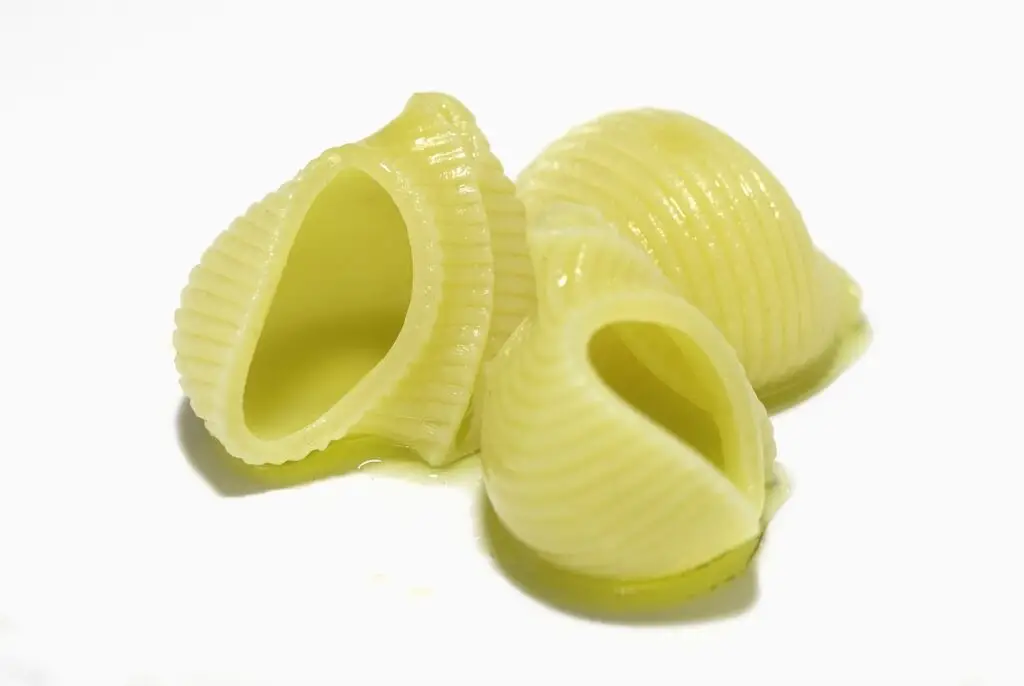
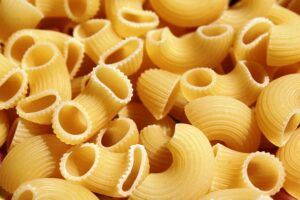
It is a short, hollow, often ridged tube pasta. The name—literally “half sleeves”—describes its stubby sleeve-like shape. It sits between ziti and rigatoni in dimension, with ridges that help sauce cling and a hollow center that traps small morsels of meat, vegetables, or bits of cheese. That geometry makes Mezze Maniche immensely flexible: it suits ragùs, creamy emulsions, baked dishes, and vegetable-forward sauces equally well.
Meaning and origin
The term “Mezze Maniche” comes from Italian: mezze (half) + maniche (sleeves). Like many pasta shapes, its precise birthplace isn’t strictly documented; regional cooks across central and southern Italy adopted tube pastas for hearty, chunk-friendly sauces. Over the years, Mezze Maniche moved from peasant kitchens into trattorias where its practical shape found a permanent place on menus.
Shape, texture, and why it matters
Two simple features define it: the tube and the ridge. The tube holds sauce, and the ridge provides surface area so the sauce doesn’t slide off. Quality versions are bronze-extruded, which creates a rough surface that locks onto sauces better than smooth, Teflon-like pasta. Durum semolina provides chew and structure, allowing the tubes to hold up in the oven or, when finished, in a rich sauce.
Secret #1: Let shape guide sauce choice
It loves weighty sauces: ragùs, cream-and-cheese emulsions, and chunky vegetables. When you pick a sauce, imagine the bite: you want something that will either fill the hollow or cling to the ridges — otherwise you lose the shape’s advantage.
Secret #2: Bronze extrusion matters
Bronze-extruded has a toothier surface. That’s not texture for texture’s sake — it genuinely binds sauce. When shopping, look for brands that mention bronze extrusion or show a matte, rough finish in product photos.
How to cook it perfectly
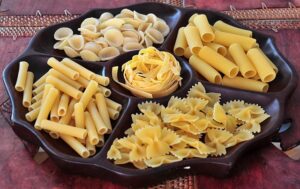
Cooking it well is about timing and finishing in the sauce. The goal is al dente structure and maximum flavor integration.
Secret #3: Salt like the sea
Start with plenty of water. Use roughly 10–12 g salt per liter (or 1–1.5 tsp per quart), depending on your taste. Salt the water before the pasta goes in so the noodles absorb seasoning as they cook.
Secret #4: Undercook, then finish
Boil the pasta for 1–2 minutes less than the package time, then transfer it to the sauce and finish the last minute or two while tossing. Finishing lets the tube absorb flavor while starches emulsify the sauce for a silky coat.
Secret #5: Pasta water is gold
Save a ladle or two of starchy cooking water before draining. That liquid is the emulsifier that turns loose sauce into a clingy, glossy finish. Add it gradually while tossing the pasta in the pan.
Best sauces and pairings for it
It pairs beautifully with both rustic and refined sauces because its shape does two jobs: catch and hold. Here are reliable pairings and why they work.
Alla gricia (guanciale + pecorino)
Simple, salty, and umami-rich. Crisp guanciale, lots of freshly ground black pepper, and grated Pecorino cut with reserved pasta water make a punchy coating that nestles into the tubes.
Slow beef ragù
Slow-simmered beef with tomato and aromatics produces little morsels that lodge in the tube. Tossing Mezze Maniche in ragù guarantees a piece of meat in each bite.
Walnut or nut-based cream
Walnut emulsions and other nutty sauces cling to ridges and coat the inside. They’re a good winter choice that brings depth without overpowering the pasta’s texture.
Vegetable-forward sauces (eggplant, roasted squash)
Roasted vegetables with a light tomato or olive oil finish are perfect: the pasta adds chew and structure, while the vegetables provide aroma and a sweet-savory contrast.
Oven-baked gratin
Stack it with sausage, mozzarella, béchamel, or ricotta and bake. The tubes hold up, and the ridges capture melted cheese and crumbs — excellent for make-ahead meals.
Five recipes that prove its worth
The following recipes focus on technique and balance. Each conveys why the shape works.
1. Mezze Maniche alla Gricia
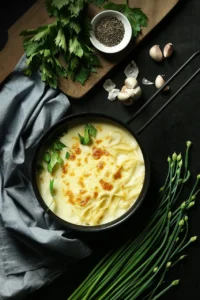
Ingredients: Mezze Maniche, good guanciale (or pancetta if needed), Pecorino Romano, black pepper, pasta water. Render diced guanciale until crisp. Par-cook the pasta, then finish in a pan with guanciale, a few tablespoons of pasta water, and grated Pecorino. Toss quickly and serve. The result is sharp, salty, and clean.
2. Mezze Maniche with Slow Beef Ragù
Brown the soffritto (onion, carrot, celery), sear the beef, add the tomato and red wine, then simmer until the meat falls apart. Stir in cooked pasta, finish with olive oil and chopped parsley. The tube captures small pieces of meat, so every forkful is satisfying.
3. Walnut Cream Mezze Maniche
Toast walnuts, blend with garlic, olive oil, and a splash of cream or pasta water to make a loose paste. Toss with hot pasta; finish with Parmigiano. Earthy, silky, and surprisingly bright with lemon zest if you like a lift.
4. Mezze Maniche alla Norma (eggplant and ricotta salata)
Roast or fry eggplant until deeply colored. Make a light tomato sauce with garlic and basil. Combine with pasta and top with grated ricotta salata. The creamy-salty contrast plays well against the pasta’s structure.
5. Baked with Sausage and Mozzarella
Mix par-cooked pasta with chunky tomato sauce and crumbled, browned sausage. Layer with mozzarella and breadcrumbs, bake until bubbling. The tubes keep their texture even after reheating.
How to Buy and Store Mezze Maniche
How to buy Mezze Maniche pasta
When shopping, a few details make a clear difference in quality and performance.
Look for pasta made from 100% durum wheat semolina. This ensures firm structure and proper bite after cooking.
Choose bronze-extruded when possible. The rough surface grips sauce better than smooth, Teflon-cut pasta.
Check the color. High-quality pasta appears pale golden rather than bright yellow, which often signals slower drying.
Many reliable brands produce excellent products, including De Cecco and Rummo. Artisan producers like Mancini also offer premium versions, often sold through specialty retailers such as Eataly.
How to store Mezze Maniche pasta
Store it dried in a cool, dry cupboard, away from heat and sunlight. Transfer it to an airtight container after opening to protect it from moisture and pests.
Fresh or artisanal should be used within a few days if refrigerated. For longer storage, freeze it in portioned bags to preserve texture and quality.
.FAQS
Question: What does Mezze Maniche mean?
Answer: Mezze Maniche means “half sleeves” in Italian, describing the pasta’s short, tube-like shape.
Question: How long should Mezze Maniche cook?
Answer: Dried Mezze Maniche cooks in 10–13 minutes. Test early and finish in the sauce for best texture.
Question: Can Mezze Maniche be baked?
Answer: Yes. Its thick walls and sturdy shape make it ideal for baked pasta dishes.
Question: Is Mezze Maniche the same as rigatoni?
Answer: No. Mezze Maniche is shorter and often narrower, though both are tubular and ridged.
Question: What sauces work best with Mezze Maniche?
Answer: Thick sauces such as meat ragù, cream sauces, and chunky vegetable sauces work best.
Question: Can Mezze Maniche replace rigatoni in recipes?
Answer: Yes. Mezze Maniche can be used as a direct substitute in most recipes.
Call to action
If you cook one recipe this week, make Mezze Maniche alla Gricia. It’s quick, forcing you to focus on technique: render the guanciale, toss the pasta in the pan, and use pasta water to bind the cheese into a glossy finish. It’s a short exercise with a big payoff.
References & further reading
- Valdigrano — Mezze Maniche overview
- La Cucina Italiana — Mezze Maniche recipe
- Food52 — Mezze Maniche alla Gricia
- Forager Chef — Walnut sauce for Mezze Maniche
- Eataly — Product notes: Mancini Mezze Maniche
- Serious Eats — Pasta technique (general reference)
To know more about pasta, our chickpea pasta, Route pasta, and Fusilli pasta Guides will guide you

Syed Yasar Arafat is the founder of PastaLoverz.com and a food research enthusiast with a focused interest in pasta varieties, traditional Italian cuisine, and balanced eating. Through PastaLoverz.com, he publishes well-researched articles that explain pasta types, cooking methods, and nutritional considerations in clear, practical terms to help readers make informed food choices.
Pingback: Alphabet Pasta: 7 Amazing Reasons Kids Love It
Pingback: Corzetti Pasta: 7 Stunning Secrets You Must Know