Ziti Pasta: 7 Proven Secrets to Master This Baked Italian Classic
Macaroni pasta is one of the most popular pasta shapes in the world. These small curved tubes are simple, versatile, and perfect for many classic dishes. From creamy cheese sauces to hearty tomato recipes, macaroni pasta easily absorbs flavor and creates satisfying meals.
What Is Ziti Pasta?
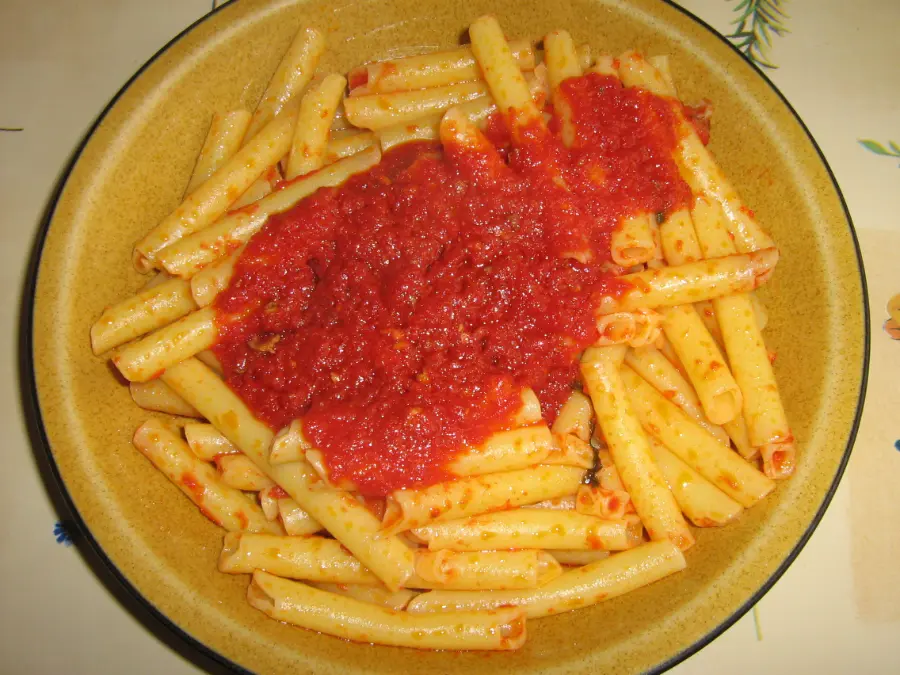
Ziti pasta is a traditional Italian tube-shaped pasta made from durum wheat flour and water. It originates from Southern Italy and features long, hollow, smooth tubes that are often broken into shorter pieces before cooking. Ziti is widely used in baked pasta dishes because its tubular shape holds sauces, cheese, and meat well. wikipedia
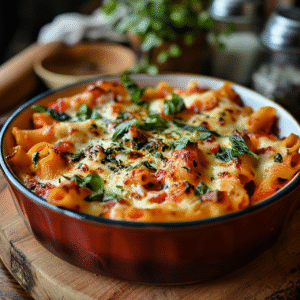
One of the most famous preparations is baked ziti, a comforting casserole layered with tomato sauce, ricotta or béchamel, mozzarella, and sometimes sausage or ground meat. This dish is especially popular in Italian-American cuisine because it is easy to prepare and ideal for feeding a crowd. Loveandlemons
Table of Contents
- Introduction to Ziti Pasta
- The History and Origin of Ziti
- Types of Ziti Pasta
- How to Cook Ziti Pasta Perfectly
- Baked Ziti: The Ultimate Comfort Dish
- Best Sauces for Ziti Pasta
- Wine and Food Pairings
- Watch Ziti Pasta Tutorials
- Frequently Asked Questions
Introduction to Ziti Pasta (Featured Snippet Optimized)
Ziti pasta is a classic Italian short-cut pasta known for its smooth, straight-cut tubular shape that blends seamlessly with rich sauces and cheeses. Designed to hold sauce both inside and out, ziti pasta shines in baked dishes where flavor, texture, and structure matter most. Its clean shape allows ingredients to distribute evenly, creating balanced bites in every serving.
Traditionally associated with comfort food, ziti pasta moves easily between rustic family meals and refined oven-baked recipes. While baked ziti remains its most famous preparation, this pasta also works well tossed with vegetables, sausage, or slow-simmered tomato sauces. Its versatility and dependable texture make it a staple in Italian kitchens and home cooking worldwide.
The History and Origin of Ziti
Ziti pasta originated in southern Italy, with strong roots in regions such as Campania and Sicily. The name comes from the Italian word zita, meaning “bride,” reflecting its traditional role in wedding feasts and celebratory meals. For generations, families prepared large trays of baked ziti to mark important gatherings, symbolizing abundance, unity, and shared joy.
The pasta’s smooth surface and medium-wide tube were intentionally designed to pair with thick sauces, ricotta-based fillings, and layered cheese. These qualities made ziti ideal for oven baking long before modern cookware existed.
As Italian immigrants settled in the United States, ziti pasta traveled with them. It evolved into the iconic Italian-American baked ziti dish, combining tomato sauce, mozzarella, and ricotta, sometimes with meat. This adaptation preserved its celebratory roots while transforming ziti into a comforting, everyday favorite that continues to bring families together around the table.
Types of Ziti Pasta (Featured Snippet Optimized)
Ziti pasta comes in a few distinct variations, each suited to different textures and sauces. While it resembles penne or rigatoni at first glance, its straight cut and smooth surface set it apart.
- Classic Ziti
Smooth, straight tubes about 2 inches long. This is the most common type and the standard choice for baked ziti recipes. It layers cleanly and cooks evenly in the oven. - Zitoni
A longer and slightly wider version of ziti. Zitoni works best with hearty meat sauces and regional Italian baked dishes where a more substantial bite is desired. - Zitelle
Shorter and thinner than classic ziti. Zitelle suits lighter sauces, brothy preparations, or smaller baked portions where delicacy matters.
Each type absorbs sauce differently. Choose classic ziti for layered casseroles, zitoni for bold, rustic sauces, and zitelle when a lighter texture fits the dish.
How to Cook Ziti Pasta Perfectly (Featured Snippet Optimized)
Cooking ziti pasta correctly ensures the pasta stays firm, flavorful, and never mushy, especially in baked dishes.
- Bring a large pot of water to a rolling boil. Use about 4 liters of water per 500 grams of pasta.
- Salt the water generously until it tastes like the sea.
- Add the ziti and cook for 8–10 minutes, until al dente; test a piece early.
- Reserve one cup of pasta water before draining.
- If baking, drain the pasta 1 minute early to prevent overcooking in the oven.
Never rinse ziti pasta. The surface starch helps sauces cling and improves the final texture of baked dishes.
Baked Ziti: The Ultimate Comfort Dish
Baked ziti is a classic Italian-American casserole known for its rich layers, creamy texture, and crowd-pleasing appeal. It balances pasta, sauce, and cheese into a single dish that reheats beautifully.
Ingredients
- 500 g ziti pasta
- 2 cups tomato sauce or marinara
- 1 cup ricotta cheese
- 2 cups shredded mozzarella
- 1/2 cup grated Parmesan
- 450 g Italian sausage or ground beef (optional)
- Fresh basil and oregano
Steps
- Cook the ziti pasta until just al dente.
- Brown the sausage or beef in a pan, if using.
- Mix ricotta, half the mozzarella, and herbs in a bowl.
- Layer sauce, pasta, and cheese in a baking dish.
- Finish with the remaining mozzarella and Parmesan.
- Bake at 375°F (190°C) for 25 minutes until golden and bubbling.
Serve baked ziti hot with garlic bread or a crisp green salad for balance. For additional inspiration and variations, see how Simply Recipes and AllRecipes prepare their versions of this timeless dish.
Baked ziti remains popular because it delivers comfort, structure, and bold flavor in every forkful.
Best Sauces for Ziti Pasta
Ziti pasta pairs beautifully with both creamy and tomato-based sauces. Try these combinations:
- Marinara Sauce: Simple, light, and traditional.
- Bolognese: A meaty sauce that clings well to the pasta tubes.
- Alfredo: A creamy delight for richer baked dishes.
- Pesto: Fresh and aromatic, ideal for a summer version.
Mix and match to suit your mood — each sauce gives Ziti a different personality.
Wine and Food Pairings
A well-made Ziti dish deserves a perfect wine pairing. For tomato-based Ziti, go for medium-bodied reds like Chianti or Montepulciano. Creamy or cheesy versions pair beautifully with Chardonnay or Pinot Grigio.
For side dishes, you can choose roasted vegetables, garlic bread, or a crisp Caesar salad to complete the meal.
Watch Ziti Pasta Tutorials
Enhance your skills by watching how professionals prepare and bake Ziti. Here are some great tutorials:
FAQ,s
It is a short, straight-cut tubular pasta made from durum wheat semolina. It has a smooth surface and medium thickness, making it ideal for baked dishes where sauce and cheese coat the pasta evenly.
Q: Is ziti the same as penne?
No. It has straight ends and a smooth surface, whereas penne is cut diagonally and often ridged. Penne holds sauce on the outside, but ziti blends more uniformly in baked recipes.
Q: What isit best used for?
It works best in baked dishes, such as baked ziti with tomato sauce, ricotta, mozzarella, and meat or vegetables. Its straight tube structure helps it stay firm during long baking times.
Q: How long does it take to cook?
In dry form, it typically cooks in 10–12 minutes. For baked dishes, cook them 1–2 minutes less than al dente since they continue cooking in the oven.
Q: Is baked ziti an Italian dish?
Yes. Baked ziti has roots in southern Italy, especially Campania. In Italy, it is often prepared for holidays and celebrations, layered with sauce, cheese, and sometimes meat.
Q: What sauces pair best with it?
It pairs best with thick sauces such as tomato-basil, meat ragù, sausage, or creamy béchamel-based sauces. Thin sauces tend to slide through the tube.
Q: Can you use it for mac and cheese?
Yes. It works well for baked mac and cheese. Its smooth tubes allow cheese sauce to flow inside, creating a creamy texture throughout the dish.
Q: Is it good for meal prep?
Yes. It holds its shape well after reheating, making it ideal for make-ahead meals and leftovers. Baked ziti often tastes better the next day as flavors deepen.
Q: Can it be substituted with another pasta?
If it is unavailable, rigatoni, penne, or mezze maniche can be substituted. Keep in mind that ridged or larger tubes will change how the sauce distributes.
Q: Isit egg-based?
No. Traditionally, it contains only durum wheat semolina and water, making it naturally vegan unless combined with dairy-based sauces or fillings.
Q: Does it come in whole-wheat or gluten-free varieties?
Yes. Many brands offer whole wheat and gluten-free ziti pasta made from rice, corn, or legume blends. These versions work well in baked recipes with extra sauce.
Q: Why does it work better than spaghetti for baking?
Ziti pasta stays compact and holds its shape in casseroles. Long pasta like spaghetti clumps together, while ziti is distributed evenly across the dish.
Q: How much should I use per person?
For baked dishes, plan about 75–90 grams of dry ziti pasta per person. For heartier meals with cheese and meat, slightly smaller portions are sufficient.
Q: Should it be rinsed after cooking?
No. Do not rinse ziti pasta. The surface starch helps the sauce adhere better, especially in baked recipes.
Q: Can it be cooked directly in the sauce?
Yes. Ziti pasta can be cooked directly in sauce with added liquid for one-pot meals. Stir frequently to prevent sticking and ensure even cooking.
Want more pasta guides like this?
Explore our detailed pasta shape guides, cooking tips, and traditional recipes to master every pasta dish with confidence. Our chickpea pasta, cristi-di-gallo, and Route pasta Guides will further widen your knowledge

Call to Action
Bring authentic Italian flavor to your kitchen with this ziti pasta guide. Whether you bake it with ricotta and mozzarella, turn it into a creamy casserole, or adapt it for meal prep, ziti gives you reliable structure and rich flavor every time.
Try your own variation, adjust the sauce, or swap in vegetables and proteins that suit your table. Then explore more classic pasta shapes, cooking techniques, and Italian-inspired recipes on PastaLoverz.com, your trusted home for everything pasta, from everyday meals to traditional favorites.
If this guide helped you, bookmark it, share it with fellow pasta lovers, and keep building your pasta knowledge one shape at a time.

Syed Yasar Arafat is the founder of PastaLoverz.com and a food research enthusiast with a focused interest in pasta varieties, traditional Italian cuisine, and balanced eating. Through PastaLoverz.com, he publishes well-researched articles that explain pasta types, cooking methods, and nutritional considerations in clear, practical terms to help readers make informed food choices.