
Trenette pasta is a traditional ribbon-style pasta from Liguria in northern Italy. Similar to linguine but slightly thicker, Trenette is best known for pairing with fresh basil pesto, potatoes, and green beans in the famous Ligurian dish trenette al pesto.
1.
What Is Trenette Pasta?
Trenette pasta is a long, narrow, flat pasta originating from Liguria, Italy. It sits between linguine and tagliatelle in width, typically measuring 3.5–4 mm, giving it enough surface area to hold sauce without feeling heavy. This balance makes Trenette pasta especially suited to delicate, oil-based sauces.
Unlike thicker flat pastas, Trenette remains flexible and silky when cooked al dente. Its modest thickness allows sauces like Pesto to coat the strands evenly rather than pooling at the bottom of the plate.
For this reason, trenette pasta is widely considered one of the best shapes for Pesto alla Genovese, a pairing documented by culinary references such as Wikipedia.
The Ligurian Origins & Tradition of Trenette al Pesto
Trenette al Pesto is a cornerstone of Ligurian cuisine and reflects the region’s deep connection to seasonal, resourceful cooking. In Genoa and surrounding coastal towns, the dish traditionally combines Trenette pasta with basil Pesto, potatoes, and green beans.
Cooks often boil the potatoes and green beans in the same pot as the pasta. This method releases natural starches from the potatoes, which help the Pesto cling smoothly to the Trenette without the need for cream or butter. The result is a cohesive, glossy sauce that coats every strand.
This trio of pasta, vegetables, and Pesto developed from practical, seasonal availability and remains a defining regional preparation today. Italian food authorities such as La Cucina Italiana highlight this dish as one of Liguria’s most authentic pasta traditions.

Anatomy of Trenette Pasta & Ingredient Quality
The success of Trenette pasta dishes depends heavily on the quality of the ingredients. Because the sauce is simple, each component must perform its role precisely.
Choose Trenette pasta from a reputable producer, ideally bronze-extruded. Bronze dies create a slightly rough surface that grips Pesto and olive oil more effectively than smooth, industrial pasta.
For the sauce, use fresh Genovese basil, lightly toasted pine nuts, and freshly grated Parmigiano Reggiano or Pecorino for depth and balance. High-quality extra virgin olive oil is essential for emulsification and aroma.
Traditional vegetables include small, waxy potatoes and tender green beans. Waxy potatoes hold their shape during boiling, while young green beans provide sweetness and snap without overpowering the dish.
When each element is chosen with care, trenette pasta delivers a dish that feels simple yet deeply rooted in Ligurian culinary identity.
4. The Perfect Recipe of Trenette Pasta: Step‑by‑Step Guide
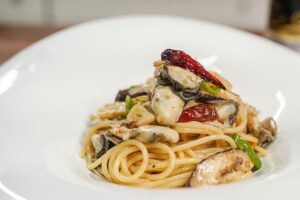
Below is an expert-level version of Trenette al Pesto. Keep timing tight and ingredients fresh. Serves 4.
Ingredients
- 400 g Trenette (dried, good Trenette
- 200–250 g small waxy potatoes, peeled and diced ~1.5 cm
- 150–200 g green beans, trimmed and cut into 3–4 cm pieces
- 2 cups fresh basil leaves (loosely packed)
- 2 cloves of garlic
- 2 tbsp pine nuts (lightly toasted)
- 2 tbsp freshly grated Parmigiano Reggiano
- 1 tbsp freshly grated Pecorino Romano (optional)
- 80–100 ml extra virgin olive oil
- Coarse salt for pasta water; acceptable salt and pepper to taste
Method
- Wash and dry basil leaves; peel garlic. Toast pine nuts in a dry skillet until golden; cool.
- Make Pesto: a mortar & pestle is ideal. Start with garlic and salt, add basil gradually, then pine nuts and cheeses. Drizzle oil slowly to emulsify. Alternatively, pulse in a food processor and stop before the basil darkens.
- Bring a large pot of water to a rolling boil; salt generously.
- Add potatoes first. After ~3–4 minutes. Stir to prevent sticking.
- When the pasta is halfway done, add the green beans so all components finish at the same time.
- Reserve about 200 ml (1 cup) of pasta water. Drain pasta, potatoes, and beans together; do not rinse.
- In a large bowl, add a few tablespoons of pesto and a splash of pasta water; mix to loosen. Add pasta and vegetables; toss gently to coat with a silky emulsion. Use more pasta water if necessary.
- Serve immediately with extra grated cheese, a drizzle of olive oil, and torn basil.


5.
Pro Tips: Texture, Sauce Emulsion, Timing
How do you achieve perfect texture with Trenette pasta?
Use a large pot so the pasta can move freely as it cooks. Crowding causes uneven cooking and sticky strands, which prevent Pesto from coating the pasta evenly.
Why should pasta water be heavily salted?
Salt the water until it tastes like the sea. Trenette pasta and potatoes absorb seasoning as they cook, and properly salted water builds flavor from the inside, not just on the surface.
Why is reserved pasta water essential for Pesto?
Starchy pasta water binds Pesto to Trenette pasta, creating a smooth, glossy sauce. Add it gradually while tossing to emulsify the olive oil with the basil and cheese.
When should Pesto be added to Trenette pasta?
Add Pesto off the heat, just before serving. Excess heat dulls basil’s color and aroma, turning the sauce dark and bitter.
Which potatoes work best in Trenette al Pesto?
Use waxy potatoes cut into uniform pieces. They hold their shape during boiling and release just enough starch without breaking apart.
Variations, Substitutes & Dietary Adaptations
What can replace Trenette pasta?
Linguine is the closest substitute in shape and thickness. Bucatini works if Trenette is unavailable, but its hollow center changes how Pesto coats the pasta.
Can you make nut-free Pesto?
Yes. Replace pine nuts with toasted walnuts or sunflower seeds for a nut-free alternative that still provides richness and body.
Is Trenette al Pesto suitable for vegan diets?
Yes. Omit cheese or use plant-based alternatives. Nutritional yeast can add savory depth without dairy.
How can you adapt Pesto seasonally?
Blend basil with parsley or spinach for a milder, seasonal variation. This keeps the sauce vibrant while stretching basil availability.
Serving Suggestions & Pairings
What should you serve with Trenette pasta?
Serve Trenette al Pesto with a crisp green salad and crusty bread to balance the richness of the sauce and add texture to the meal.
Which wines pair best with Trenette al pesto?
Ligurian white wines such as Vermentino and Pigato pair exceptionally well. A dry Prosecco also complements the herbal freshness of Pesto.
How should Trenette pasta be finished before serving?
Garnish with extra pine nuts, freshly grated cheese if desired, and a final drizzle of high-quality olive oil to enhance aroma and mouthfeel.
Common Mistakes & How to Avoid Them
Why does Pesto sometimes taste bitter or look dark?
Over-blending generates heat, which bruises basil. Stop the processor early or use a mortar and pestle to preserve flavor and color.
What happens if the pasta water is undersalted?
Undersalted water produces bland pasta that no amount of Pesto can fix. Season generously from the start.
Why won’t the sauce bind to the pasta?
Skipping reserved pasta water prevents proper emulsification. Always save some water before draining and add it while tossing.
How do you prevent vegetables from overcooking?
Add green beans near the end of cooking. This keeps them tender yet firm, preventing a mushy final dish.
.
9.
FAQs
Q: What is Trenette pasta?
It is a long, flat ribbon pasta from Liguria, similar to linguine but slightly thicker. It is traditionally made from durum wheat semolina and designed to carry rich sauces along its broad surface.
Q: Is it the same as linguine?
No, it is marginally wider and thicker than linguine. This extra body helps it hold heavier sauces without losing structure, especially oil-based and pesto-style sauces.
Q: Where does it originate?
It originates from Liguria, a coastal region in northwest Italy. It is closely tied to Genoese cuisine and local ingredients such as basil, olive oil, potatoes, and green beans.
Q: What sauce is traditionally served with it?
The most traditional pairing is Trenette al Pesto, made with Genoese basil Pesto, boiled potatoes, and green beans. The flat shape allows the Pesto to coat the pasta evenly.
Q: How long does it take to cook?
Dry typically cooks in 9–11 minutes. Fresh Trenette cooks faster, usually in 3–5 minutes. Always test for al dente before draining.
Q: Should it be cooked with potatoes and beans?
Yes. In traditional Ligurian cooking, potatoes and green beans cook in the same pot as Trenette pasta. This method allows the vegetables’ starch to naturally enrich the sauce.
Q: Is it egg-based?
No. An authentic one is made only with durum wheat semolina and water, making it naturally vegan when paired with plant-based sauces.
Q: Can it be used with tomato sauce?
Yes. It works well with light tomato sauces, seafood-based sauces, and olive-oil-forward preparations. Very thick meat sauces may overpower its delicate balance.
Q: What makes it ideal for Pesto?
Its flat, wide surface evenly grips Pesto, while its thickness prevents breakage when tossed with potatoes and beans. This balance creates smooth, cohesive bites.
Q: Can it be substituted with another pasta?
If unavailable, linguine or Fettuccine can be used as substitutes. However, the texture and distribution of the sauce will differ slightly from authentic Trenette pasta.
Q: Is it good for seafood dishes?
Yes. It pairs well with clams, mussels, and shrimp, as well as light lemon or white wine sauces. Its shape complements delicate seafood without overwhelming it.
Q: Does it work for baked dishes?
No. It is not ideal for baking. Long flat pastas tend to clump in the oven and lose their intended texture. It performs best in stovetop dishes.
Q: Is it commonly found outside Italy?
It is less common than linguine but available in Italian specialty stores and online. Many Ligurian-focused brands produce high-quality dried versions.
Q: How much should I serve per person?
Plan about 80–100 grams of dry per person. When served with potatoes and pesto, slightly smaller portions are sufficient due to the richness.
Q: What is the exact difference between Trenette, Linguine, and Fettuccine?
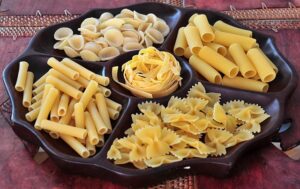
While they all belong to the long, flat ribbon family of Italian pasta, their precise structural geometry and thickness dictate how they interact with different sauces:
Trenette: Measures roughly 3.5 to 4 mm in width. It features a flat profile with completely straight, clean edges, providing a dense, resilient chew (al dente) that is specifically scaled to support the weight of crushed basil, pine nuts, and heavy olive oil emulsions.
Linguine: Slightly narrower, measuring closer to 3 mm. Crucially, linguine has an elliptical or slightly convex profile (thicker in the center and tapering at the sides) rather than being perfectly flat. This unique cross-section allows thin, fluid sauces like white wine, clam liquor, and citrus juices to slide smoothly around the strand.
Fettuccine: Significantly wider and thicker than both, typically measuring 6 mm or more. It is traditionally an egg-based pasta from Central Italy designed to absorb heavy, dairy-heavy sauces like butter, cream, and rich ragùs.
Q: Why is Trenette historically paired with waxy potatoes instead of starchy varieties?
In the classic preparation of Trenette al Pesto, the choice of a waxy potato (such as Yukon Gold, Red Bliss, or fingerling potatoes) is a matter of precise culinary science. Starchy potatoes (like Russets) contain high levels of amylose, which causes them to dissolve rapidly and turn into mush when boiled for 10 minutes alongside dry pasta
. This would create a grainy, cloudy pasta water that ruins the vibrant green color of the basil. Waxy potatoes, on the other hand, have high moisture and low starch content, allowing them to maintain their clean, structural 1.5 cm cubic shapes throughout the boiling process. They release just a micro-layer of starch from their cut edges—perfect for binding the pesto without clouding the dish.
Q: Can you cook Trenette pasta in advance for meal prep or a dinner party?
Purists will always recommend serving Trenette fresh from the pan, but you can successfully par-cook it for high-volume prep using the professional restaurant method:
Boil the Trenette in salted water for exactly half of its recommended package cooking time (roughly 5 minutes).
Drain the pasta immediately and shock it in a bowl of ice water to instantly halt the cooking process.
Toss the cooled strands thoroughly with a tablespoon of neutral oil to prevent clumping, spread them out on a baking sheet, and store them in the refrigerator for up to 24 hours.
When ready to serve, drop the portioned pasta into boiling water for a mere 60 to 90 seconds to reheat and finish its al dente cycle, then toss directly into your bowl of room-temperature pesto mixed with a splash of hot pasta water.
Q: What is the secret to keeping Trenette al Pesto bright green instead of turning brown?
The unappealing oxidation (browning) of pesto on hot Trenette pasta is caused by an enzyme called polyphenol oxidase, which reacts when the delicate basil leaves are exposed to air and excess heat. To preserve a radiant, picture-perfect green color, apply these two rules:
The Blanching Trick: Before pounding your pesto, submerge your fresh basil leaves in roaring boiling water for exactly 5 seconds, then immediately plunge them into an ice bath. This flashes and deactivates the browning enzyme while permanently setting the bright green chlorophyll. Pat the leaves completely dry before blending.
The Zero-Heat Emulsion: Never put your pesto into a hot frying pan on the stovetop. Pesto is a raw sauce. Always place your pesto into a large, cold serving bowl, add the hot, drained Trenette and vegetables directly into the bowl, and use the ambient heat of the pasta combined with a splash of starchy pasta water to create your creamy emulsion safely away from the burner.

Q: Should it be rinsed after cooking?
No. Never rinse Trenette pasta. The surface starch helps Pesto and oil-based sauces adhere properly.
For deeper information about Trenette pasta, several trusted culinary sources explain its origin and traditional preparation. According to Wikipedia, Trenette is a flat ribbon pasta from Liguria, closely associated with the classic dish Trenette al Pesto.
Detailed explanations and traditional recipes can also be found on Well Seasoned Studio, which explores Ligurian pasta traditions and how Trenette is served with Pesto, potatoes, and green beans.
La Cucina Italiana provides additional insight into authentic Italian cooking techniques and regional variations, while Serious Eats offers practical guidance on pasta cooking methods and sauce pairing.
Trenette vs. Similar Ribbon Pasta Shapes(Comparison Table)
| Pasta Shape | Regional Origin | Width / Profile | Best Sauce Pairing |
| Trenette | Liguria | 3.5–4mm / Flat & Narrow | Pesto Genovese with potatoes and beans |
| Linguine | Genoa/Liguria | 3mm / Elliptical (Flatter) | Clams, Seafood, or light oil-based sauces |
| Bucatini | Lazio (Rome) | Round & Hollow | Hearty Amatriciana or Carbonara |
| Tagliatelle | Emilia-Romagna | 6–9mm / Flat & Wide | Thick Meat Ragù (Bolognese) |
| Fettuccine | Rome/Central Italy | 6mm / Flat & Thick | Creamy Alfredo or rich buttery sauces |
Summary: The Art of Trenette Pasta
Mastering Trenette pasta is a journey into the heart of Ligurian culinary traditions. This iconic long, narrow, flat pasta is more than just a linguine alternative; its unique dimensions are specifically designed to carry the weight of authentic Pesto alla Genovese.
Unlike thinner strands, Trenette’s durum wheat semolina composition provides a sturdy al dente texture that creates a perfect sauce emulsion when tossed with starchy cooking water.
The gold standard for this variety is the classic Trenette al Pesto, a dish that masterfully combines the pasta with tender green beans and waxy potatoes. This method isn’t just about flavor—it’s about the starch interaction that allows the pesto to cling to every ribbon without becoming oily.
Whether you are using a bronze-extruded dried variety or fresh handmade strands, understanding the regional origins and proper emulsification techniques ensures a professional-grade Italian meal every time.
Many pasta problems, such as a mushy texture, a bland taste, or poor sauce coverage, stem from missing key fundamentals. The solution is simple: focus on proper cooking methods, water science, and pairing pasta shapes with the right sauces.
A complete pasta cooking guide, combined with knowledge of water science for pasta, the best pasta for each sauce, and common pasta mistakes, helps you fix errors and achieve perfectly cooked pasta every time
10. Final Thoughts & Call to Action
Trenette pasta is a simple dish that rewards attention. Treat each ingredient with respect — from basil to pasta water — and you’ll get a memorable plate. For a deeper understanding, read our chickpea pasta, soba pasta, and Ruote pasta articles.

Best Pasta for Alfredo Sauce: 7 Picks for Creamy Perfection
Alphabet Pasta: 7 Best Secrets for Fun Tiny Soup Shapes
Pastina Pasta: 7 Reasons It’s the Ultimate Comfort Food
Pasta Shape and Sauce Pairing Guide: 7 Secrets of Success
Strozzapreti Pasta: 7 Facts & How to Cook It Perfectly
Above are our valuable contributions and informational hubs.

Syed Yasar Arafat is the founder of PastaLoverz.com and a food research enthusiast with a focused interest in pasta varieties, traditional Italian cuisine, and balanced eating. Through PastaLoverz.com, he publishes well-researched articles that explain pasta types, cooking methods, and nutritional considerations in clear, practical terms to help readers make informed food choices.