
Pasta pairing is the secret to turning an ordinary meal into a restaurant-quality dish. The best pasta for each sauce is not just tradition; it is the difference between a sauce that slides off and a sauce that clings perfectly to every bite
. When you understand pasta pairing, you unlock better texture, richer flavor, and balanced dishes every time. From silky cream sauces to hearty ragù, choosing the right pasta shape ensures every ingredient works together. If your pasta has ever felt off, the problem is likely not your cooking, but your pairing.
🍝 Why Pasta Shape Matters
Choosing the best pasta for each sauce is not just tradition. It is science.
Different pasta shapes:
- Hold the sauce differently
- Provide different textures
- Affect how flavors are delivered
Smooth pasta works best with light sauces, while ridged or hollow pasta traps heavier sauces.
If your dish ever felt off, it may come from
👉 common pasta-cooking mistakes or poor pairings.
🍅 Best Pasta Pairing for Long Pasta & Light Sauces
Best Choices
- Spaghetti
- Linguine
- Capellini
Best With
- Olive oil sauces
- Garlic-based sauces
- Light tomato sauces
Why It Works
Long strands allow thin sauces to coat evenly without overpowering the pasta.
👉 To perfect this, first
Cook pasta properly so the texture remains balanced.
.To perfect this, ensure you avoid sticky noodles by learning how to cook pasta perfectly.
Best Pasta Pairing Matrix for Short Pasta and Thick Sauces
Best Choices
- Penne
- Fusilli
- Rigatoni
Best With
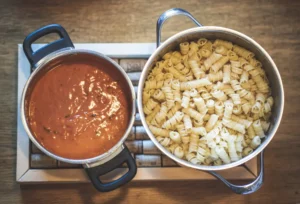
- Thick tomato sauces
- Meat sauces
- Creamy sauces
Why It Works
Ridges and curves trap sauce, ensuring flavor in every bite.
👉 If your sauce feels off, learn to
Avoid common sauce mistakes
🍲 The Ultimate Tube Pasta Pairing for Chunky Sauces
Best Choices
- Ziti
- Rigatoni
- Cannelloni
Perfect For
- Chunky vegetable sauces
- Meat ragù
Why It Works
Hollow centers hold chunks inside, improving texture and flavor distribution.
👉 Also explore
different pasta shapes for better understanding.
🧈 The Perfect Pasta Pairing Matrix for Cream Sauces
Best Choices
- Fettuccine
- Tagliatelle
- Pappardelle
Best With
- Alfredo
- Butter-based sauces
- Cream sauces
Why It Works
Wide surfaces hold creamy sauces evenly.
According to Serious Eats, wider noodles promote better adhesion of emulsified sauces.
👉 Use proper technique from
Pasta water science to improve sauce texture.

🍜 The Ultimate Small Pasta Pairing for Clear Broths & Soups
Best Choices
- Orzo
- Acini di pepe
- Ditalini
Best For
- Broths
- Light soups
Why It Works
Small shapes distribute evenly, creating a balanced spoonful.
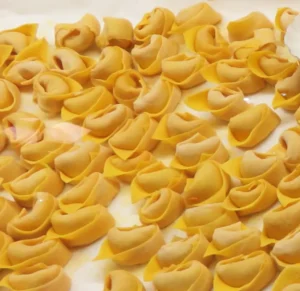
🥟 The Ultimate Stuffed Pasta Pairing for Simple Sauces
Best Choices
Best With
- Butter sauce
- Light cream
- Sage-based sauces
Why It Works
Heavy sauces overpower the filling, so simplicity works best.
⚠️ Common Pasta Pairing Mistakes
Even if you understand the best pasta for each sauce, mistakes can ruin the result.
1. Using Thin Pasta with Heavy Sauce
Leads to imbalance
2. Using Smooth Pasta with Chunky Sauce
Sauce slides off
3. Overloading Sauce
Masks pasta texture
👉 If something goes wrong, you can always
Fix pasta mistakes quickly.
🧠 Expert Tips for Perfect Pasta Pairing
✔ Match Weight
Light sauce → thin pasta
Heavy sauce → thick or ridged pasta
✔ Use Pasta Water
Starch helps bind sauce and pasta together
👉 Learn more in
pasta water science
✔ Cook Al Dente
Proper texture improves pairing
👉 Follow the
al dente cooking method
✔ Choose Shape Wisely
Shape affects how the sauce sticks and feels
🎯 Featured Snippet Answer
What pasta goes best with which sauce?
- Spaghetti → light oil sauces
- Penne → thick tomato sauces
- Fettuccine → cream sauces
- Rigatoni → chunky meat sauces
- Orzo → soups

- Great pasta starts with mastering the basics: proper cooking technique, correct water usage, smart sauce pairing, and avoiding common mistakes. These fundamentals directly impact texture, flavor, and how well the sauce clings to pasta.
- By following a reliable pasta cooking guide, understanding water science for pasta, choosing the best pasta for each sauce, and learning common pasta mistakes, you can consistently cook pasta that tastes balanced, structured, and restaurant-quality.
- Water Science for Pasta: 9 Secrets for Perfect Results
- Cook Pasta Perfectly: 7 Pro Secrets to Avoid Sticky Noodles
- Above are our valuable contributions and informational hubs.
❓ FAQs
1. What pasta goes best with which sauce?
The best pasta for each sauce depends on texture and weight.
- Spaghetti → light oil sauces
- Penne → thick tomato sauces
- Fettuccine → creamy sauces
- Rigatoni → chunky meat sauces
- Orzo → soups
2. Which pasta shape holds sauce the best?
Ridged and curved pasta, like rigatoni and fusilli, hold sauce best. Their grooves and twists trap sauce, ensuring better flavor in every bite.
3. What is the best pasta for creamy sauces?
Wide, flat pasta such as Fettuccine, tagliatelle, and pappardelle is ideal for creamy sauces because it provides more surface area for the sauce to cling to.
4. What pasta is best for tomato sauce?
It depends on thickness:
- Light tomato sauce → spaghetti
- Thick tomato sauce → penne or rigatoni
5. Why does pasta shape matter with sauce?
Pasta shape affects the adhesion of sauce, the texture, and the delivery of flavor. Choosing the right pasta for each sauce ensures a balanced, enjoyable dish.
6. Can you use any pasta with any sauce?
Yes, but it is not ideal. Proper pairing improves texture and prevents issues like sauce sliding off or overpowering the pasta.
7. What pasta is best for meat sauce?
Rigatoni, penne, and pappardelle work best because they hold thick, meaty sauces well.
8. Which pasta is best for Pesto sauce?
Linguine, spaghetti, and fusilli are great choices. Fusilli works especially well because its spirals trap pesto.
9. What pasta is best for Alfredo sauce?
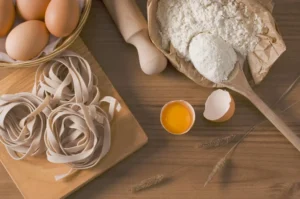
Fettuccine is the best choice because its wide surface allows creamy Alfredo sauce to coat evenly.
10. What pasta is best for soups?
Small pasta like orzo, ditalini, and acini di pepe are ideal for soups because they distribute evenly in broth.
11. How do you match pasta with sauce?
Match pasta based on sauce weight:
- Light sauces → thin pasta
- Thick sauces → ridged or tubular pasta
This ensures proper coating and balanced flavor.
12. What pasta shape is best for thick sauces?
Short, ridged, or tubular pasta like penne and rigatoni are best for thick sauces because they trap sauce inside and on the surface.
13. What is the most versatile pasta shape?
Penne is one of the most versatile pasta shapes. It works well with creamy, tomato-based, and baked dishes due to its ridges and hollow center.
14. Why does sauce slide off pasta?
Sauce slides off when:
- Smooth pasta is used with a thick sauce
- Pasta water is not used
- Pasta is overcooked
👉 Fix this with proper technique in
pasta water science
15. What pasta is best for beginners?
Spaghetti and penne are best for beginners because they are easy to cook and pair well with most sauces.
16. Which pasta holds sauce better, penne or spaghetti?
Penne holds sauce better because of its ridges and tube shape, while spaghetti works best with lighter sauces.
17. What is the best pasta pairing for garlic butter sauce?
Spaghetti or linguine works best because light sauces coat long strands evenly without overwhelming the dish.
18. What pasta pairing works best with seafood sauce?
Linguine and spaghetti are ideal for seafood sauces because they complement delicate flavors without overpowering them.
19. What is the best pasta pairing for baked pasta dishes?
Ziti, rigatoni, and penne are best because they hold sauce well and maintain structure during baking.
20. Why is my pasta and sauce not combining properly?
Common reasons include:
- Not using pasta water
- Adding sauce separately
- Overcooking pasta
👉 Learn how to fix this in
pasta water science
21. How to choose the right pasta shape?
Choose based on sauce type:
- Thin pasta for light sauces
- Thick or ridged pasta for heavy sauces
- Small pasta for soups

22. What is the best pasta pairing for creamy mushroom sauce?
Fettuccine or pappardelle works best because they hold creamy mushroom sauces effectively.
23. What is the difference between pasta shapes and uses?
Different pasta shapes are designed to hold specific sauces. Smooth pasta pairs well with light sauces, while ridged or hollow pasta pairs best with thick, chunky sauces.
24. How do restaurants choose pasta pairings with sauces?
Restaurants consider sauce thickness, pasta texture, and how well the sauce adheres to create a balanced dish.
25. How does the manufacturing process (Bronze Die vs. Teflon) affect pasta pairing?
Answer: The method used to shape pasta significantly impacts its sauce adhesion capabilities. High-quality pastas are often bronze-cut, meaning they are pushed through traditional bronze dies. This creates a rough, porous surface texture that is visible to the naked eye.
In pasta pairing science, this sandpaper-like surface is superior for “catching” thin emulsions and oil-based sauces. In contrast, mass-produced pasta often uses Teflon dies, which result in a slick, smooth finish. While Teflon-cut pasta is cheaper, it often causes sauces to slide off the noodle and pool at the bottom of the plate, making bronze-cut shapes the preferred choice for professional-grade results.
26. Does the protein content of semolina impact your pairing choices?
Answer: Yes, the structural integrity of your dish depends largely on the protein (gluten) content of the semolina used. High-protein durum wheat creates a strong gluten network that can withstand the weight of heavy, chunky ragus or dense vegetable sauces without breaking or becoming mushy.
When executing a pasta pairing for a “heavy” sauce like Bolognese or a thick carbonara, choosing a premium pasta with at least 12-14% protein ensures the noodle maintains its shape and “bite.” Lower protein pastas are better suited for light broths or delicate butter sauces where a soft, melting texture is desired over a firm al dente structure.
27. How do I know if I chose the wrong pasta?
Signs include:
- Sauce pooling at the bottom
- Sauce not sticking
- Dish feeling too heavy or dry
👉 You can
fix pasta mistakes easily
To sum up, the best pasta pairing for each sauce depends on matching the sauce’s weight with the pasta’s shape. Thin sauces pair best with long, smooth pasta like spaghetti, while thick or chunky sauces work better with ridged or tubular shapes like penne and rigatoni.
Creamy sauces cling best to wide, flat pasta such as Fettuccine. Mastering this pasta-pairing method ensures better sauce adhesion, a balanced texture, and improved flavor in every bite, especially when you properly cook pasta and use starch effectively through pasta water science, as also explained by trusted culinary sources like Serious Eats and Bon Appétit.
28. Does pasta texture affect how a sauce should be paired?
Answer: Absolutely. In pasta pairing science, the texture—specifically whether a pasta is smooth (lisce) or ridged (rigate)—is crucial. Ridged shapes provide more surface area for thinner sauces to cling to, while smooth pasta is better suited for oil-based or very light cream sauces where you want the delicate flavor of the wheat to shine through without being masked by heavy clumps of sauce.
29. Why do certain pasta shapes fail with chunky ragu or vegetable sauces?
Answer: This usually comes down to structural integrity and “trap” potential. Small or thin shapes like capellini lack the physical strength to support heavy chunks of meat or vegetables. For these sauces, you need “cup” or “tube” shapes like Orecchiette or Rigatoni, which are designed to capture solid ingredients inside their hollows, ensuring a balanced ratio of pasta to sauce in every bite.
How does the surface area of long pasta ribbons affect pasta pairing?
A: In high-level pasta pairing, surface area dictates exactly how much sauce can cling to a single bite. Wide, flat ribbons like fettuccine or pappardelle offer an expansive surface that acts as a structural “shelf” for heavy creams and velvety sauces. If you try a pasta pairing with thin strands like capellini instead, the narrow surface area cannot support the weight, causing the cream to slide off and pool at the bottom of the plate.
Q31: Why is sauce viscosity the most critical factor in a successful pasta pairing?
A: Viscosity—or the thickness and texture of your sauce—is the guiding rule of authentic pasta pairing. A light, low-viscosity sauce like a delicate garlic butter or thin seafood broth requires a thin noodle to maintain flavor equilibrium. Conversely, heavy, high-viscosity chunkier ragùs require heavy-duty pasta pairing partners like rigatoni or ziti, which possess hollow centers to trap thick meat pieces.
Q32: Does a bronze-cut extrusion process actually improve pasta pairing outcomes?
A: Yes, the manufacturing method completely transforms your pasta pairing success. High-quality shapes extruded through traditional bronze dies leave a rough, chalky, sandpaper-like texture on the dough. This porous surface is highly superior for pasta pairing because it physically catches thin emulsions, whereas cheap, Teflon-extruded pasta has a slick finish that prevents sauces from adhering correctly.
Q33: How does liquid emulsion impact the final look of a pasta pairing dish?
A: A proper culinary emulsion is what binds your noodle and sauce into a unified dish rather than a separated mess. When you practice expert pasta pairing, you blend starchy cooking water directly into your pan with fats like olive oil or butter. This creates a glossy, cohesive coat that clings flawlessly to the specific geometric contours of your chosen shape, delivering a balanced, restaurant-quality texture.
SUMMARY
Pasta pairing is the culinary science of matching specific noodle shapes with compatible sauces based on viscosity, surface area, and structural integrity. By selecting the best pasta for each sauce—such as ridged tubes for chunky ragu or wide ribbons for emulsified creams—you ensure superior sauce adhesion and a balanced, restaurant-quality texture.
Pasta Pairing: The Shape vs. Sauce Matrix
Pasta Category Best Sauce Pairing Why It Works (The Science) Examples Long & Thin Oil, Butter, Light Tomato High surface area coats evenly without clumping. Spaghetti, Capellini Long & Wide Heavy Creams, Velvety Sauces Width provides a “shelf” for emulsified sauces to cling to. Fettuccine, Pappardelle Short & Ridged Thick Tomato, Pesto Grooves (rigate) act as mechanical traps for thick bases. Penne Rigate, Fusilli Tubular Chunky Meat, Veggie Ragù Hollow centers capture solids, ensuring a balanced protein-to-carb ratio. Rigatoni, Ziti Small Shapes Broths, Light Soups Uniform size ensures even hydration and distribution per spoonful. Orzo, Ditalini
🧾
Conclusion: Elevate Your Plate with Expert Pasta Pairing
Mastering the best pasta pairing for each sauce is the final step in transitioning from a home cook to a culinary artist. It gives you total control over the structural integrity, flavor balance, and overall dining experience of your dish.
Remember, perfect results aren’t about luck; they are about the science of matching:
Geometric Shape: Ensuring the sauce has the right “trap” or surface area.
Sauce Viscosity: Balancing the weight of the ingredients with the thickness of the noodle.
Technical Execution: Using starchy water and al dente timing to create a seamless emulsion.
Once you apply these pasta pairing principles, every bowl you serve will possess that sought-after restaurant-quality finish.
🚀 Take Your Skills to the Next Level
Ready to become a true pasta pro? Put your new knowledge into practice:
The solution is simple: focus on proper cooking methods, water science, and pairing pasta shapes with the right sauces. A complete pasta cooking guide, combined with knowledge of water science for pasta, the best pasta for each sauce, and common pasta mistakes, helps you fix errors and achieve perfectly cooked pasta every time.
Water Science for Pasta: 9 Secrets for Perfect Results
Cook Pasta Perfectly: 7 Pro Secrets to Avoid Sticky Noodles
Pasta Shape and Sauce Pairing Guide: 7 Secrets of Success
Are our valuable contributions and information hubs.
The Pro Tip: The “Ladle and Glaze” Technique
Many home cooks make the mistake of dumping cooked pasta into a colander, shaking it dry, and then pouring sauce over the top. To achieve true restaurant-level pasta pairing, you need to treat your cooking water as an ingredient, not a byproduct.
The Technique: Stop draining your pasta entirely. Instead, use a spider strainer or tongs to transfer the noodles directly from the boiling pot into your sauce skillet while they are still incredibly wet and dripping. Immediately add one uniform ladle (about $1/4$ cup) of the starchy cooking water directly into the sauce. Turn the heat to high and vigorously toss or stir the pasta for 60 seconds.
The Science: The friction of tossing forces the rough surface area of the pasta to release starch into the pan. This starch acts as a natural binding agent, instantly emulsifying the fats (like olive oil, butter, or cheese) with the liquids.
The Result: Instead of a watery pool at the bottom of your plate, the sauce transforms into a glossy, velvety glaze that structurally clings to the exact geometry of your chosen pasta shape.

Syed Yasar Arafat is the founder of PastaLoverz.com and a food research enthusiast with a focused interest in pasta varieties, traditional Italian cuisine, and balanced eating. Through PastaLoverz.com, he publishes well-researched articles that explain pasta types, cooking methods, and nutritional considerations in clear, practical terms to help readers make informed food choices.

32 Responses