
Conchiglie are shell-shaped pasta. The name comes from the Italian conchiglia, meaning “shell”. They are usually made from durum wheat semolina and come in three common sizes: small conchigliette, medium conchiglie and large conchiglioni. A ridged version is called conchiglie rigate. The curved, hollow body catches sauce and small pieces of food, which is why the shape suits baked dishes, thick sauces, salads and stuffing.
This guide covers cooking times by size, matching sauces, stuffed shells, salads and storage.

Conchiglie sizes and cooking times
Times vary by brand, so use the packet as your guide and start tasting a minute or two early. The figures below are typical ranges.
| Size | Italian name | Typical boil time | Best for |
|---|---|---|---|
| Small shells | Conchigliette | 7–9 minutes | Soups, broths, small salads |
| Medium shells | Conchiglie | 10–12 minutes | Meat sauces, baked pasta, pesto, mac and cheese |
| Large shells | Conchiglioni | 12–15 minutes | Stuffing and baking |
How to cook conchiglie
- Use a large pot. About 4 litres of water per 400 g of pasta gives the shells room to move. Salt the water once it boils. See the science of pasta water.
- Stir early and often at the start. The open shells can slip inside each other and nest, which leaves some trapped water-less pockets that cook unevenly. A steady stir in the first minute or two prevents this.
- Cook to al dente. The shell should be tender with a slight firmness in the centre. If it is going into the oven, stop about 2 minutes early.
- Keep a cup of pasta water and finish the shells in the sauce for a minute with a splash of it. This is covered in our mantecatura guide.
Do not rinse shells for a hot dish, because rinsing removes the surface starch that helps sauce cling. Rinse only for cold salads, where stopping the cooking and keeping the shells from sticking matters more. For more, see how to cook pasta and common mistakes.
Shells can split if the pot is crowded or the water boils too violently. Use a big pot and keep the boil steady.
Sauces that suit conchiglie
- Chunky tomato or meat ragù. Small pieces of meat collect in the hollow of the shell. Ridged shells grip the sauce on the outside too.
- Cream, cheese and mushroom sauces. They coat the ridges and fill the cavity.
- Pesto. Basil or spinach pesto settles inside the shell.
- Roasted or sauteed vegetables. Diced zucchini, peppers and eggplant lodge in the shell.
See the pasta pairing guide and the sauce guide for more combinations.
A simple tomato sauce for conchiglie
Gently soften chopped garlic and onion in olive oil. Add a can of crushed tomatoes and a pinch of salt, and simmer for 10 to 15 minutes until it thickens. Toss in the al dente shells, add a splash of pasta water if the sauce is tight, and finish with basil, a little olive oil and grated Parmesan or Pecorino.
Creamy mushroom conchiglie
- Saute sliced mushrooms in olive oil with garlic until golden.
- Add a splash of white wine if you like, then cream, and simmer gently until it coats a spoon.
- Stir in grated Parmesan, salt and pepper.
- Toss in the cooked shells for a minute and finish with parsley or thyme.
Stuffing conchiglioni
Only the large shells (conchiglioni) are practical for stuffing, since medium shells are too small to fill neatly. Cook them 2 minutes short of al dente, drain gently and let them cool until you can handle them. Fill them, set them in a baking dish with sauce, and cover.
- Ricotta and spinach: ricotta, cooked and squeezed-dry spinach, garlic, lemon zest and nutmeg.
- Mushroom: sauteed mushrooms with garlic, herbs and a little cheese.
- Squash: pureed roast squash mixed with ricotta or goat cheese.
- Meat: cooked sausage, ground meat or shredded chicken with herbs and a little sauce.
Spoon tomato sauce or béchamel over the top, add cheese, cover with foil and bake at about 180 °C (350 °F) for 25 to 30 minutes. Uncover for the last 10 minutes so the top browns. If the filling contains meat, make sure it is fully cooked beforehand and that the finished dish is steaming hot, at least 74 °C (165 °F), in the centre. Cooking with ground meat should reach 71 °C (160 °F).
Fresh stuffed pasta is a different tradition: see tortelloni and ripiena pasta.
Conchiglie in pasta salad
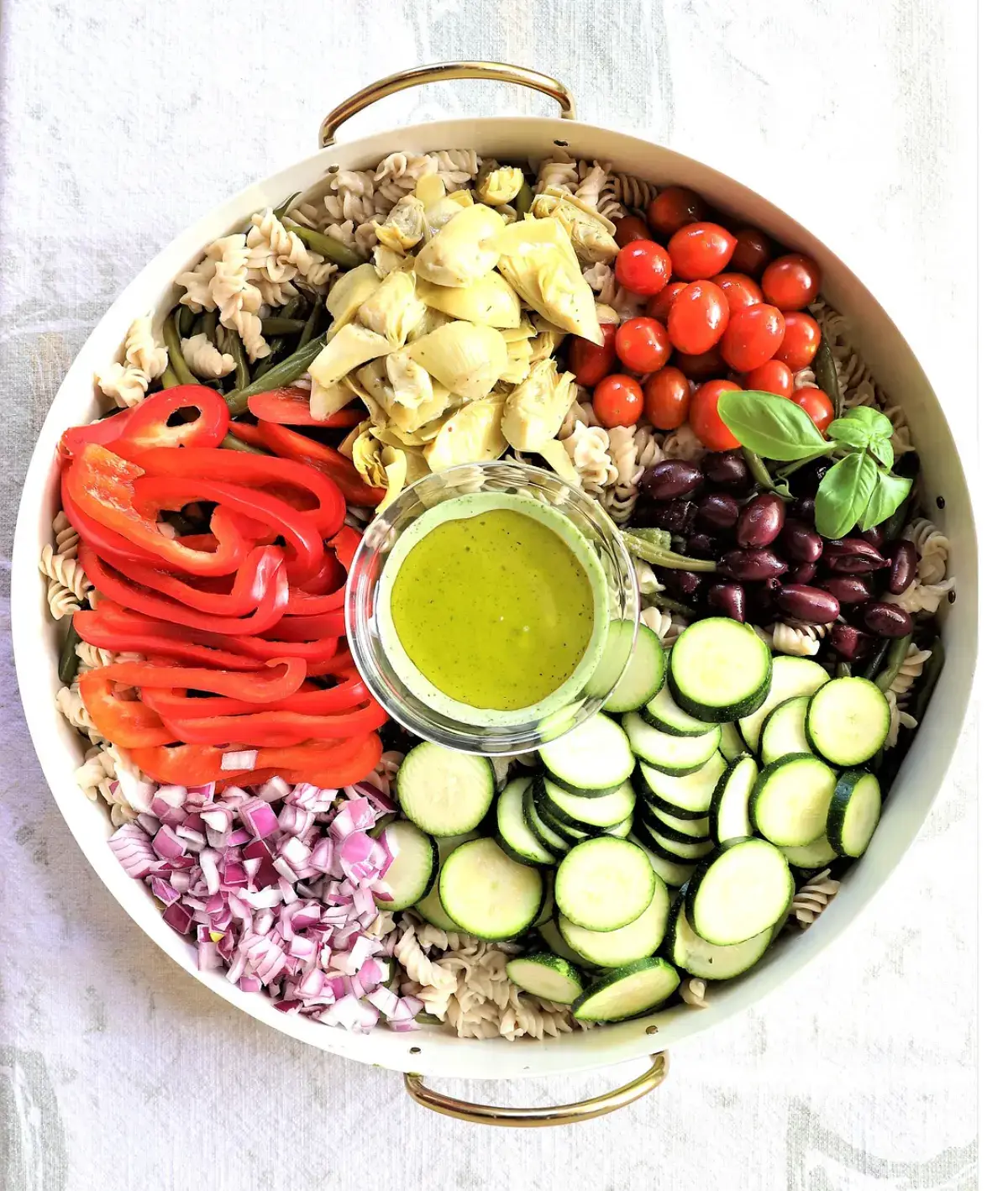
The shells hold dressing, diced vegetables and herbs well. Cook them a minute under al dente so they stay firm when chilled, then rinse under cold water and drain thoroughly. Mix with cucumber, cherry tomatoes, olives and a vinaigrette, and add basil or dill plus feta or mozzarella if you wish. Keep the salad refrigerated and eat it within a few days.
Conchiglie compared with orecchiette
Both have a cupped shape, but they differ in how they behave. Conchiglie are curved shell shapes with a deeper pocket and ridges on the rigate type, so they hold thicker, chunkier sauces. Orecchiette (“little ears”) are a small concave dome with a thinner centre and a slightly chewier rim, which suits vegetable sauces and ragù.
Vegan pesto shells
Blend basil (or rocket), garlic, walnuts or pine nuts, nutritional yeast, lemon juice, salt and olive oil. Toss with cooked shells and add peas or spinach for extra texture. Most plain dried semolina pasta is vegan, but check the packet.
Nutrition
A 56 g portion of dry durum wheat pasta usually provides around 200 kcal, but values vary by brand, so check the label. Cream, cheese and meat add to the total. Chickpea and lentil shells are higher in protein and fibre, and they release more starch, so watch them toward the end of cooking. See chickpea pasta.
Gluten-free shells made from rice or corn are available. They tend to be softer and often cook a little faster, so follow the packet and check early. If you have coeliac disease, look for a certified gluten-free label.
Storing and reheating
Cool cooked shells quickly and refrigerate them in an airtight container for 3 to 4 days. To reheat plain shells, dip them in boiling water for 30 to 60 seconds. For a baked dish, cover it with foil, add a splash of water or sauce, and heat until steaming hot throughout (74 °C / 165 °F).
Buying conchiglie
Most supermarkets stock them, usually labelled “shells” or “conchiglie”. For better texture, look for bronze-die pasta, whose rougher surface holds sauce better (see bronze-cut vs Teflon).
Frequently asked questions
How do I know when conchiglie are al dente?
Taste one a minute or two before the packet time. It should be tender with a slight firmness in the centre, not mushy.
Can I stuff medium conchiglie?
It is difficult. Use conchiglioni, the large shells, for stuffing.
Are conchiglie good for meal prep?
Yes. The sturdy shape keeps its texture for 3 to 4 days in the fridge better than thin pasta.
Is conchiglie rigate better for thick sauces?
Yes. The ridges help heavy sauces such as Bolognese cling to the outside, while the cavity collects small pieces.
Related guides
Related guides: compare other sturdy shapes in best pasta for chunky sauces, find swaps in the pasta substitution chart, or check typical times in the cooking time chart.
Further reading: Wikipedia: Conchiglie

Syed Yasar Arafat is the founder of PastaLoverz.com and a food research enthusiast with a focused interest in pasta varieties, traditional Italian cuisine, and balanced eating. Through PastaLoverz.com, he publishes well-researched articles that explain pasta types, cooking methods, and nutritional considerations in clear, practical terms to help readers make informed food choices.