
Pasta Portion Calculator
Use this free calculator to determine how much dry pasta you need.
Quick Reference
| People | Dry Pasta |
|---|---|
| 1 | 100 g |
| 2 | 200 g |
| 3 | 300 g |
| 4 | 400 g |
| 5 | 500 g |
| 6 | 600 g |
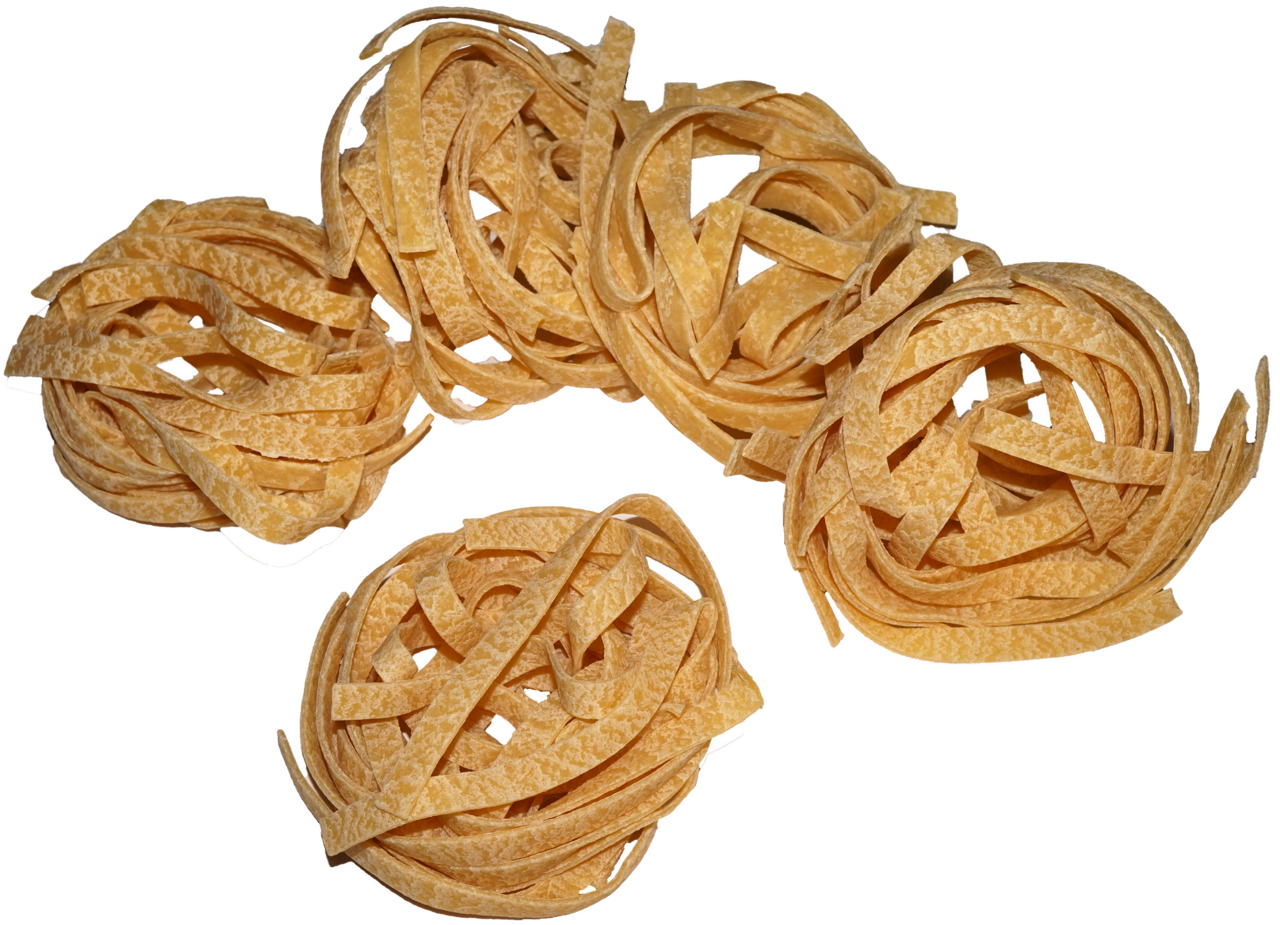
How much pasta per person?
The right amount depends on what else is on the plate and how hungry people are. These are common starting points for dry pasta, which roughly doubles in weight when cooked.
| Serving | Dry pasta per person |
|---|---|
| Starter or small side | 50 to 60 g (about 2 oz) |
| Main course, average appetite | 80 to 100 g (about 3 to 3.5 oz) |
| Hearty main course or hungry diners | 110 to 125 g (about 4 oz) |
| Baked pasta (lasagna, baked ziti) | 75 to 90 g per portion |
| Fresh egg pasta (tagliatelle and similar) | 100 to 125 g fresh |
| Filled pasta (ravioli, tortelloni) | 125 to 175 g fresh |
These are guides, not rules. Use less when the sauce is rich or there are other courses, and more for active people or growing teenagers.
Tips for measuring
- Weigh it if you can. A kitchen scale is the most accurate way. Cups and handfuls vary by shape.
- Spaghetti trick: a bunch of dry spaghetti about 2.5 cm (1 inch) across is roughly 200 g, or two main-course portions. This is only an estimate.
- Short shapes such as penne and fusilli take up more volume than their weight suggests, so weigh them rather than scooping.
- Cooking for leftovers? Plan about 25 percent extra. Most pasta reheats well; see our guides to cooking pasta and finishing pasta in the sauce.
How much water and salt?
Use about 1 litre of water per 100 g of dry pasta, with roughly 10 g of salt per litre. See the science of pasta water for why this works.