Chickpea pasta is changing the way people enjoy comfort food—without the guilt. Packed with plant-based protein, fiber, and a rich, nutty flavor, this healthier alternative is quickly becoming a kitchen favorite for athletes.
Busy parents and health enthusiasts alike. Whether you want better nutrition, gluten-free options, or simply a tastier pasta experience, chickpea pasta delivers on all fronts.
In this comprehensive 2026 guide, you’ll discover why it’s trending, how it compares to regular pasta, the science behind its health benefits, and the best ways to cook it perfectly every time. If you’re looking to upgrade your pasta game, you’re in the right place.
1: What Is Chickpea Pasta?
Chickpea pasta is a modern culinary innovation made by milling dried chickpeas (garbanzo beans) into a fine flour. Unlike traditional pasta, which relies on the gluten structure of durum wheat for its elasticity.
Chickpea pasta uses the natural proteins and starches found in legumes. Most high-quality brands use a simple two-ingredient list: chickpea flour and a touch of pea protein or xanthan gum for binding.
This pasta is a staple in the “legume pasta” category, which includes varieties made from lentils, black beans, and edamame. It provides a denser nutritional profile while maintaining a familiar pasta shape and cooking method. It’s naturally grain-free, making it a favorite for those following Paleo or grain-free diets.
2: Chickpea Pasta VS Regular Pasta
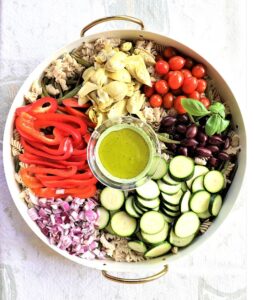
When comparing chickpea pasta to traditional semolina pasta, the differences are striking. Traditional pasta is high in simple carbohydrates and relatively low in protein. In contrast, chickpea pasta is a nutritional powerhouse. For every 2-ounce serving, you typically get 13-15 grams of protein compared to just 7 grams in regular pasta.
Furthermore, the fiber content in chickpea pasta (8g) is nearly four times that of white pasta (2g). This means chickpea pasta keeps you full for significantly longer, reducing the urge to snack after meals. While the texture of chickpea pasta is slightly more “al dente” or “toothsome,” it carries a subtle earthiness that complements savory ingredients like mushrooms, roasted garlic, and kale.
3: How to cook Chickpea pasta without it turning Mushy?
The most common complaint about legume-based pasta is that it turns into a gummy mess. This is because chickpea flour lacks the strong gluten network that holds wheat pasta together. To avoid this, follow these golden rules:
- The “Foam” Factor: Chickpea pasta releases more starch and protein into the water, creating a thick foam. Use a much larger pot than usual to prevent boil-over.
- Rinse with Cold Water: Unlike wheat pasta, rinsing chickpea pasta immediately after draining can help remove excess surface starch that causes clumping.
- Under-cook it: If the box says 8 minutes, start testing it at 6. It goes from “perfect” to “mushy” in about 30 seconds.

4: Origin and History of Chickpea Pasta
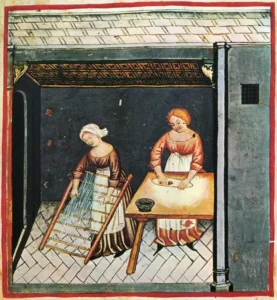
The use of chickpeas in pasta-like dishes isn’t just a modern health trend; it has deep roots in Mediterranean history. In parts of Southern Italy, particularly Puglia and Sicily, “Ciceri e Tria” is a traditional dish featuring pasta and chickpeas that dates back to the Middle Ages.
Historically, chickpeas were known as “the poor man’s meat” because they provided essential protein to rural families who couldn’t afford beef or pork.
Italian food historians at La Cucina Italiana explain that legumes played an essential role in traditional pasta culture. Today, modern processing techniques have allowed manufacturers to turn these ancient legumes into shelf-stable dry pasta that mimics the experience of Italian classics without the high-carb load.
5: Shape, Texture, and Size of Chickpea Pasta
Chickpea pasta comes in almost every shape imaginable. However, certain shapes perform better than others due to the nature of chickpea flour:
- Rotini & Fusilli: These are the most popular because the spirals are structurally strong and hold onto sauces well.
- Penne: Great for baked dishes because the hollow center traps cheese and sauce.
- Spaghetti: The most difficult to master; chickpea spaghetti can be fragile, so handle it gently when tossing.
6: Best Sauces
The flavor profile of chickpea pasta is slightly “nutty,” which means it needs sauces that can stand up to its personality.
1. Robust Tomato & Meat Sauces
A thick Bolognese or a spicy Arrabbiata is perfect. The acidity of the tomatoes cuts through the earthiness of the chickpeas.
2. Pesto and Herb-Based Sauces
The natural nuttiness of the pasta mirrors the pine nuts in a traditional Pesto Genovese. It’s a match made in heaven.
3. Creamy Tahini or Cashew Sauce
Since chickpeas are the base of hummus, pairing chickpea pasta with a lemon-tahini sauce creates a Mediterranean flavor bomb that is 100% plant-based.
7: How to Cook it Perfectly? (Advanced Science)
To cook the perfect bowl of chickpea pasta, you must understand the “Legume Starch” behavior. Legume starches gelatinize differently from wheat starches.
- The Salt Rule: You must salt the water heavily. Since the pasta is dense, it needs the salt to penetrate the core for flavor.
- No Oil in Water: Never add oil to the boiling water; it will prevent the sauce from sticking to the pasta later.
- The Sauce Finish: Always reserve a half-cup of pasta water. This “liquid gold” contains chickpea proteins that will help emulsify your sauce into a creamy coating.
8: Chickpea vs Similar Pasta Shapes
How does chickpea compare to other “alt-pastas”?
- VS Lentil Pasta: Lentil pasta (red or green) is usually softer and has a stronger “bean” taste. Chickpea is more neutral.
- VS Edamame Pasta: Edamame pasta is even higher in protein but has a very distinct green color and chewy texture that doesn’t feel like “real” pasta.
- VS Rice Pasta: Rice pasta is very high-carb and low-protein. Chickpea is the clear winner for weight loss.
9: Is Chickpea Pasta Healthy? (The Deep Dive)
Beyond protein and fiber, chickpea pasta is a “functional food.” It contains significant amounts of iron (about 30% of your daily value), magnesium, and potassium. These minerals are crucial for muscle recovery and heart health.
Furthermore, it is a Low Glycemic Index (GI) food. While white pasta has a GI of around 55, chickpea pasta usually sits between 35 and 44. This means it provides a slow release of glucose into the bloodstream, preventing the dreaded “insulin spike” that leads to fat storage and energy crashes.
10: The Science: Lectins and Anti-Nutrients
Some people worry about “anti-nutrients” like lectins and phytic acid found in legumes. However, the process of drying, milling, and boiling chickpeas significantly reduces these compounds. For the vast majority of people, the benefits of the fiber and polyphenols in chickpea pasta far outweigh the concerns about anti-nutrients. If you have a very sensitive digestive system, look for “sprouted” chickpea pasta, which is even easier to digest.
11: Chickpea Pasta vs Gluten-Free Pasta Health Impact
Not all gluten-free pasta is created equal. Many “GF” pastas are made with corn starch, potato starch, and white rice flour. These are essentially “empty calories” that can raise your blood sugar just as fast as white sugar. Chickpea pasta is a “whole food” gluten-free option. It offers a complete amino acid profile when paired with a little bit of grain or seeds, making it an excellent choice for vegetarians.
12: Buying Guide: What to Look for on Labels
When you’re at the grocery store, not all brands are equal. Here is what to check:
- Ingredients: Look for brands where “Chickpeas” is the first and only ingredient. Avoid brands with added fillers like corn or thickeners.
- Protein Count: A good brand should have at least 11g of protein per serving.
- Sodium: Some flavored chickpea pastas are high in salt. Stick to the “original” and season it yourself.
13: Storage and Reheating Tips for Chickpea Pasta
Chickpea pasta can be tricky to eat the next day. It tends to firm up significantly in the fridge.
- Storage: Keep in an airtight container for up to 3 days.
- Reheating: Do not microwave it dry. Add a splash of water or broth and cover it with a lid to steam it back to life.
- Cold Salads: Chickpea pasta is excellent in cold pasta salads because it holds its shape better than wheat pasta when tossed with vinaigrettes.
14: Frequently Asked Questions
Q: Is chickpea pasta good for weight loss?
A: Yes. Its high fiber and protein content increase satiety, helping you eat fewer calories overall throughout the day.
Q: Can I use chickpea pasta in Mac and Cheese?
A: Absolutely! The nutty flavor pairs exceptionally well with sharp cheddar and nutritional yeast.
Q: Is it safe for diabetics?
A: Because of its low glycemic load, it is generally considered a much safer pasta option for those managing blood sugar levels, but always consult with your doctor.
Q: Does chickpea pasta have a lower glycemic index than white pasta? A: Yes, chickpea pasta typically has a glycemic index (GI) between 35 and 44, whereas traditional white pasta sits around 55. Because it is a low-GI food, it provides a steady release of energy and prevents the insulin spikes often associated with refined wheat products.
Q: Is chickpea pasta considered a complete protein? A: While chickpeas are high in protein, they are low in the amino acid methionine. However, when you pair chickpea pasta with seeds (like in pesto) or small amounts of grains, it creates a complete amino acid profile, making it an excellent primary protein source for plant-based diets.
Q: How does the fiber in chickpea pasta affect digestion? A: Chickpea pasta contains about 8 grams of fiber per serving, including soluble fiber, which supports heart health, and insoluble fiber, which aids digestion. If you are new to legume-based pastas, start with smaller portions to allow your digestive system to adjust to the high fiber content.
Q: Can I use chickpea pasta for meal prep? A: Chickpea pasta is best served fresh, as it can become firm when cold. For successful meal prep, undercook the pasta by 1-2 minutes (“extra al dente”) and store it with a generous amount of sauce or olive oil to maintain moisture during reheating.
Q: Is chickpea pasta suitable for the Paleo or Keto diet? A: Chickpea pasta is generally considered Paleo-friendly because it is grain-free and made from a whole-food legume. However, it is not Keto-friendly, as a 2-ounce serving contains roughly 32g of net carbohydrates. While it has a much lower glycemic load than wheat pasta, the carbohydrate count is typically too high for those maintaining strict nutritional ketosis.
Q: Does chickpea pasta cause bloating or gas?
A: Because chickpea flour is highly concentrated in fiber and complex carbohydrates (specifically oligosaccharides), it can cause temporary bloating or gas if your digestive system isn’t used to high-fiber foods. To minimize digestive discomfort, drink plenty of water, keep portions moderate, and look for “sprouted” varieties, which break down these complex sugars before processing.
Q: Is chickpea pasta considered a processed food or a whole food?
A: Chickpea pasta occupies a middle ground known as a minimally processed whole food. While it undergoes milling to turn the dried legumes into flour and extrusion to form the shapes, high-quality brands do not add refined sugars, artificial binders, or chemical preservatives. It retains almost all the original micronutrients, fiber, and protein of whole garbanzo beans.
Q: How do the calories in chickpea pasta compare to traditional wheat pasta?
A: Calorie-wise, they are remarkably similar—both contain roughly 190 to 210 calories per 2-ounce dry serving. However, the source of those calories is entirely different. Traditional pasta calories come primarily from refined carbohydrates, whereas chickpea pasta calories are heavily driven by plant protein and dietary fiber, offering far better nutrient density and metabolic value.
Q: Can you use chickpea pasta in baked pasta dishes like lasagna or casseroles?
A: Yes, but it requires a slight adjustment. Because legume starches absorb liquid differently and can break down under prolonged heat, you should undercook the pasta even further—about 2 to 3 minutes less than the box instructions—before mixing it with your sauces and baking it. Ensure there is plenty of moisture/sauce in the dish so it doesn’t dry out.
Q: Is chickpea pasta safe for individuals with an absolute gluten allergy (Celiac disease)?
A: Naturally, chickpeas are 100% grain-free and gluten-free. However, if you are managing Celiac disease, you must check the packaging label for a Certified Gluten-Free seal. Some brands process their legume products on shared manufacturing lines that also handle wheat, creating a risk of gluten cross-contamination.
Q: Why does chickpea pasta create so much foam when boiling?
The heavy layer of white foam that bubbles up when you cook chickpea pasta is caused by a completely natural food science phenomenon. Chickpeas are rich in saponins—natural, organic plant compounds that behave similarly to soap when agitated in hot water—as well as highly concentrated, water-soluble proteins.
As the pasta boils, these proteins and saponins dissolve into the water and trap the rising steam, creating a thick, frothy structure. To prevent the pot from boiling over, simply use a slightly larger pot than you would for traditional wheat pasta, drop in a small splash of olive oil to break the surface tension of the water, or skim the foam off the top with a spoon.
Q: Does chickpea pasta contain iron, and how well is it absorbed?
Yes, chickpea pasta is a phenomenal source of plant-based iron, typically delivering around 30% of your daily value (DV) per a standard 2-ounce serving. However, the iron found in legumes is non-heme iron, which the human body absorbs less efficiently than the heme iron found in animal products.
To significantly maximize your body’s iron absorption, always pair your chickpea pasta with an ingredient high in Vitamin C (ascorbic acid). Tossing your noodles in a rich tomato marinara sauce, squeezing fresh lemon juice over a pesto finish, or adding roasted bell peppers to your bowl will chemically alter the non-heme iron, making it much easier for your digestive system to uptake.
Q: Is chickpea pasta considered a processed food or a whole food?
Chickpea pasta occupies a clean middle ground known in nutritional science as a minimally processed whole food. While it technically undergoes mechanical processing—milling the dried garbanzo beans into a fine flour and extruding it into familiar noodle shapes—high-quality brands do not strip away the natural anatomy of the legume.
Because it contains no added refined sugars, artificial binders, or chemical preservatives, it successfully retains nearly 100% of the original micronutrients, dietary fiber, and complex plant proteins found in whole chickpeas. It is a functional food that delivers convenience without sacrificing its raw nutritional value.
SUMMARY:
Chickpea pasta is a nutrient-dense, gluten-free alternative to traditional wheat pasta, made primarily from dried garbanzo bean flour. It is considered a functional “superfood” because it contains double the protein and four times the dietary fiber of semolina-based noodles.
With a significantly lower glycemic index (GI), chickpea pasta provides a slow release of complex carbohydrates, making it an ideal choice for blood sugar management, weight loss, and plant-based athletic nutrition.
At a Glance: Chickpea Pasta vs. Traditional Wheat Pasta
| Feature | Chickpea Pasta (2oz) | Traditional Wheat Pasta (2oz) |
| Protein | 13g – 15g | 7g |
| Fiber | 8g | 2g |
| Net Carbs | ~32g | ~42g |
| Glycemic Index | Low (35-44) | Medium (55+) |
| Key Nutrients | Iron, Magnesium, Potassium | B-Vitamins (if enriched) |
| Texture | Firm & Nutty (Al Dente) | Soft & Neutral |
| Gluten-Free | Yes (Naturally) | No |
Many pasta problems, such as a mushy texture, a bland taste, or poor sauce coverage, stem from missing key fundamentals. The solution is simple: focus on proper cooking methods, water science, and pairing pasta shapes with the right sauces.
A complete pasta cooking guide, combined with knowledge of water science for pasta, the best pasta for each sauce, and common pasta mistakes, helps you fix errors and achieve perfectly cooked pasta every time.
Lasagne Verdi: 6 Steps to Authentic Spinach Pasta [2026]
5 Incredible Reasons Farro Pasta Beats Standard Whole Wheat
Fregula Pasta: 7 Secrets to Unlock Its Rich, Nutty Taste
Acini di Pepe Pasta: 7 Secrets for Perfect Cooking & Uses
Capellini (Angel Hair Pasta): 7 Golden Cooking Secrets
Above are our valuable contributions and informational hubs.
15: Final Thoughts
Chickpea pasta is no longer just a “diet food.” It is a legitimate culinary choice for anyone looking to increase their nutrient density without giving up the joy of a big bowl of pasta. By mastering the cooking technique—plenty of water, short cook time, and a good rinse—you can enjoy a meal that is as satisfying as it is healthy.

Syed Yasar Arafat is the founder of PastaLoverz.com and a food research enthusiast with a focused interest in pasta varieties, traditional Italian cuisine, and balanced eating. Through PastaLoverz.com, he publishes well-researched articles that explain pasta types, cooking methods, and nutritional considerations in clear, practical terms to help readers make informed food choices.

46 Responses