Creste di Gallo pasta is one of the most underrated sauce-holding shapes in Italian cooking. Its curved, ridged design grips thick, creamy, and chunky sauces better than many popular pasta types.
What is creste di gallo pasta?
Creste di gallo pasta translates to “rooster’s crest” in Italian, mimicking the ruffled comb on a rooster’s head. This short, tubular shape features bold ridges and curls that effectively trap sauces. Home cooks love it for everyday meals and special dinners alike. Its distinctive form sets it apart among Italian pasta varieties, offering both visual appeal and practical functionality on the plate.tastingtable+4
The name evokes imagery of farm-fresh Italian countryside life, where roosters symbolize vitality and tradition. Unlike smoother pastas, creste di gallo pasta holds onto every bit of flavor, making it a favorite for sauce-heavy dishes. Professional chefs praise its versatility in both rustic home cooking and upscale presentations. starchefs
History and Origins of Creste di Gallo Pasta
Legends tie creste di gallo pasta to 16th-century Florence, where the Medici family supposedly created it to honor roosters that foiled an assassination plot. Some sources link it to Emilia-Romagna or Campania regions, while others point to Le Marche for chicken ragù traditions. Artisanal makers use heirloom durum semolina and bronze dies for authentic texture.pastasphere+5
This pasta emerged during Renaissance Italy, a time when pasta shapes evolved to match regional ingredients and cooking methods. Historical records suggest it gained popularity in central Italy, where bold flavors dominated. Today, it represents a bridge between medieval folklore and modern pasta artistry, preserved by family-run mills. The shape’s endurance speaks to Italy’s deep-rooted passion for pasta innovation. chefsmandala
Unique Shape and Texture
The pasta’s curved tubes with frilled edges resemble coxcombs, setting it apart from penne or fusilli. Ridges grip chunky ingredients, while the firm bite holds up in bakes or one-pot dishes. This design elevates simple butter sauces or complex ragùs.bordomarfa+4
Bronze dies create a rough surface that sauces cling to, unlike Teflon dies, which produce smoother pasta. The curls trap herbs, meats, and cheeses, releasing bursts of flavor with each bite. This texture makes it ideal for layered casseroles, where it maintains structure under heat. Food scientists note the shape’s engineering maximizes sauce-to-pasta ratio for optimal taste. pastasphere
Perfect Sauce Pairings for Creste di Gallo Pasta
Hearty meat sauces like bolognese or sausage ragù cling to the ridges perfectly. Creamy options, such as gorgonzola or lemon cream with pancetta, add richness. Lighter choices include Pesto, kale Pesto, or sun-dried tomato mixes for fresh contrast.spaghettieddies+5
| Sauce Type | Flavor Notes | Why It Works | Example Ingredients |
|---|
| Bolognese | Meaty, slow-cooked | Fills tubes with depth chow and chatter | Ground beef, tomatoes, wine |
| Pesto | Herbaceous, nutty | Coats ridges evenly, lelyrecipes | Basil, pine nuts, Parmesan |
| Mushroom Sugo | Earthy, umami | Pairs with truffle notes starchefs | Porcini, garlic, cream |
| Arrabbiata | Spicy tomato | Adds heat to curves, lelyrecipes | Chili flakes, San Marzano tomatoes |
| Alfredo | Creamy, cheesy | Traps silkiness spaghettieddies | Butter, heavy cream, Pecorino |
Experiment with vodka sauce for a tangy twist that pools in the crests. Vegetable-based options like broccoli rabe and sausage highlight seasonal produce. historecipes
Cooking Creste di Gallo Pasta
Boil in salted water for 8-10 minutes until al dente, stirring to prevent sticking. Reserve pasta water to loosen sauces and enhance creaminess. Fresh versions cook in 2-3 minutes; egg-enriched types need refrigeration.lelyrecipes+4youtube
Start with a rolling boil using 4-6 quarts of water per pound. Test doneness by biting a piece—it should offer resistance. Drain but do not rinse to preserve starch for the sauce emulsion. For baked dishes, undercook slightly to avoid mushiness. ronzoni
Watch this quick creste di gallo pasta “tonno e olive” video for a simple tuna-and-olive recipe. For Pesto inspiration, check Creste di Gallo with Homemade Kale Pesto. Another great demo is the Creste di Gallo video 1. Ronzoniyoutube+1
Popular Recipes of Creste di Gallo Pasta
Sauté sausage, onions, garlic, and crushed tomatoes for a spicy Italian classic. Toss with sun-dried tomatoes, Pesto, and reserved water for vibrancy. A mushroom sugo with Pecorino and balsamic finishes elegantly
Try goat cheese with roasted garlic and basil for creaminess. Egg pasta versions pair simply with Parmesan and olive oil. For a seafood twist, combine with shrimp, white wine, and chili. These recipes showcase how the pasta’s design amplifies flavors in under 30 minutes.latuapasta+2
Sausage Ragu: Brown 1 lb sausage, add 28 oz of tomatoes, simmer for 20 min, then toss with 12 oz of pasta.zareflytrap
Pesto Delight: Blend kale, nuts, and cheese; mix with hot pasta and cherry tomatoes.ronzoni
Creamy Mushroom: Sauté mushrooms, deglaze with wine, and finish with cream and pasta. starchefs

Nutrition and Where to Buy Creste di Gallo Pasta?
A 100g serving offers about 200-314 calories, 11-12g protein, and low fat from durum wheat. Many brands are enriched with iron and folic acid. Whole wheat versions boost fiber to 5g per serving.marksandspencer+2
Gluten-free alternatives use corn and rice blends to maintain a similar texture. Pair with lean proteins for balanced meals. ronzoni
Find it from Ronzoni, Zelli Pasta, or Pasta Conte. Artisans like Bordo Marfa ship nationwide. Check Marks & Spencer for premium imports.zellipasta+4
Cultural Significance of Creste di Gallo Pasta in Italian Cuisine
Creste di gallo pasta embodies Italy’s regional diversity, appearing in festivals and family feasts. It honors agricultural heritage, with roosters central to rural lore. Chefs like Emily Chellew at Cry Baby Pasta elevate it in innovative menus.chefsmandala+2
In Le Marche, it pairs traditionally with chicken ragù, reflecting the farm-to-table ethos. This pasta fosters community through shared recipes passed down through generations. zellipasta
Variations and Modern Twists
Egg-enriched creste di gallo adds richness for lighter sauces. Colored versions, such as spinach or beet, infuse visual flair. Vegan adaptations swap cheese for nutritional yeast.lelyrecipes+1
Fusion recipes blend it with Asian-inspired soy-ginger sauces or Mexican chili-lime. Gluten-free brands like Ronzoni ensure inclusivity. Home extrusion kits let enthusiasts craft custom batches. ronzoni
Pairing with Wines and Sides
Bold reds like Chianti or Sangiovese pair well with meaty sauces. Crisp whites, such as Pinot Grigio, pair well with Pesto. Serve with arugula salad, grilled vegetables, or crusty bread. historecipes
For desserts, balance with tiramisu or panna cotta. These pairings enhance the pasta’s robust profile. casarustichella
Storage and Shelf Life Tips for Creste di Gallo Pasta
Dry pasta lasts 2 years in airtight containers away from light. Cooked leftovers keep 3-5 days refrigerated; freeze up to 2 months. Reheat gently with water to revive texture. lapastaiola
Avoid plastic bags to prevent moisture. Fresh pasta freezes best par-cooked.latuapasta
Sustainability in Pasta Production
Italian mills prioritize semolina from sustainable farms, reducing water use. Bronze dies minimize energy. Opt for brands with eco-certifications for ethical choices. bordomarfa
Our chickpea pasta guide is a valuable addition, along with the soba pasta and Lumache pasta guides

FAQs
Q: What is creste di gallo pasta?
This Italian shape resembles a rooster’s comb, with ruffled, tubular edges for trapping sauce.thedailymeal+1
Q: How do I cook creste di gallo pasta perfectly?
Boil salted water, cook 8-10 minutes al dente, and use pasta water for sauces.thedailymeal+1
Q: What sauces pair best with creste di gallo pasta?
Ragu, Pesto, or creamy tomato sauces work best on the ridges.lelyrecipes+1
Q: Where does creste di gallo pasta originate from?
Linked to Florence or regions like Campania and Le Marche.pastasphere+1
Q: Is creste di gallo pasta good for chicken ragù?
Yes, its shape honors rooster legends and holds meaty sauces well.zellipasta+1
Q: Can pasta alla creste di gallo be used in salads?
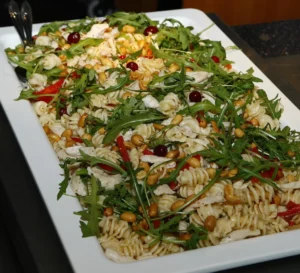
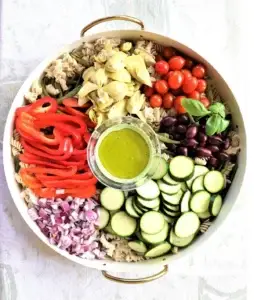
Absolutely; its ridges hold dressings and veggies post-cooling. tastingtable
Q: What’s the calorie count for creste di gallo pasta?
Around 200-314 calories per 100g serving, depending on the brand.ronzoni
Q: Is creste di gallo pasta the same as cavatappi?
No. Creste di gallo has a curved, ruffled crest shape, while cavatappi is a smooth, spiral tube. Creste di gallo grips sauce more aggressively due to its ridges.
Q: What does creste di gallo mean in Italian?
Creste di gallo translates to “rooster’s comb,” inspired by the pasta’s wavy, upright ridges that resemble a cock’s crest.
Q: Is creste di gallo pasta fresh or dried?
It is most commonly sold as dried pasta, though artisan producers also make fresh versions using bronze dies for extra texture.
Q: Can pasta alla creste di gallo be baked?
Yes. Its sturdy structure holds up well in baked pasta dishes like pasta al forno and creamy casseroles.
Q: What protein pairs best with creste di gallo pasta?
Chicken, pork, sausage, and beef all pair well. The ridges cling to chunky proteins and thick sauces.
Q: Is creste di gallo pasta suitable for vegetarian dishes?
Yes. It works beautifully with vegetable-based sauces, mushrooms, roasted peppers, and Pesto.
Q: Does creste di gallo pasta work with cheese sauces?
Absolutely. Creamy cheese sauces like Parmesan, Gorgonzola, or ricotta cling well to its textured surface.
Q: Is creste di gallo pasta kid-friendly?
Yes. Its playful shape and sauce-holding ability make it appealing to children, especially with mild tomato or cheese sauces.

Q: Why does the unique shape of Creste di Gallo hold chunky ragù better than Penne?
A: It comes down to pasta shape geometry. While penne is a straight, open tube where heavy meat solids easily slide through, Creste di Gallo features a curved, tubular body with an open, ruffled edge resembling a rooster’s comb. This design creates a natural physical pocket that hooks and traps chunky sausage ragù, minced vegetables, and thick sauces instead of letting them pool at the bottom of your plate.
Q: How can you tell if a brand of Creste di Gallo used traditional bronze dies?
A: Look closely at the surface texture of the dry noodles. Artisanal brands that use a traditional bronze extrusion process leave a rough, chalky, and matte white finish on the pasta (pasta rigate). Mass-produced brands often use Teflon dies, which make the pasta look smooth and shiny. The rough, porous texture from bronze dies acts like “velcro,” giving your sauce emulsion something to cling to.
Q: Can Creste di Gallo pasta be used in baked pasta recipes (Pasta al Forno)?
A: Absolutely. Its thick-walled, sturdy structure makes it an exceptional candidate for baked pasta dishes and casseroles. Because it will undergo a secondary cooking process in the oven, make sure to undercook the pasta in your boiling water by about 2 minutes before tossing it with your sauce, ensuring it retains a perfect al dente bite without turning mushy.
Q: What is the ideal water-to-pasta ratio when boiling curved shapes like Creste di Gallo?
A: Because curved, ruffled shapes tend to cup together and “nest” in the pot, you need a high volume of water to keep them moving freely. Use a rolling boil with a water-to-pasta ratio of at least 4 to 6 quarts of heavily salted water per pound of dry pasta. Be sure to stir vigorously during the first 2 minutes of cooking to prevent the pieces from sticking together.
Q: How do you use starchy pasta water to fix a dry sauce with Creste di Gallo?
A: Before draining your pasta, reserve about a cup of the cloudy, starchy cooking water. If your sauce looks too thick or separates from the noodles, splash a few tablespoons of water into your pan over medium heat. The starches act as a natural binding agent, creating a glossy, smooth sauce-to-pasta emulsion that coats every single ruffle of the rooster’s crest perfectly.

Deep Dive: Additional Creste di Gallo Pasta FAQs
Q: Why is Creste di Gallo Pasta considered an elite shape for thick emulsions?
The mechanical design of Creste di Gallo Pasta makes it superior at holding onto complex sauces. Because Creste di Gallo Pasta features a curved, hollow tube bounded by a textured, ruffled edge, it creates a series of physical barriers. Instead of allowing velvety creams or olive oil emulsions to run off, the frilled “rooster’s comb” grips onto fats and liquids, ensuring an optimal sauce-to-pasta ratio in every single mouthful.
Q: How do you prevent Creste di Gallo Pasta from splitting during cooking?
Because the ruffled crest of Creste di Gallo Pasta is naturally thinner than the central curved tube, it can tear if boiled too aggressively. To ensure your Creste di Gallo Pasta remains structurally intact, cook it in a large volume of rapidly boiling, heavily salted water and lower the heat slightly to a steady, rolling simmer. Stir gently with a wooden spoon during the first two minutes to separate the shapes without breaking the delicate frills.
Q: Can you substitute Creste di Gallo Pasta in traditional macaroni and cheese?
Absolutely. Using Creste di Gallo Pasta as an alternative to classic elbows or Lumache Pasta elevates a baked dish instantly. The thick, sturdy walls of Creste di Gallo Pasta withstand the dry heat of oven baking perfectly, while the curved interior of the tube acts like a pocket, trapping molten cheddar and Gruyère cheese sauce inside.
Q: What is the best way to clean and store leftover Creste di Gallo Pasta?
To preserve the al dente snap of cooked Creste di Gallo Pasta for meal prep, toss the drained noodles with a light coating of olive oil to prevent the ruffles from sticking together. Store your leftover Creste di Gallo Pasta in a shallow, airtight container in the refrigerator for up to 4 days. When reheating, skip the microwave and toss the pasta back into a warm pan with a splash of water to revive its texture.
Q: Is artisanal Creste di Gallo Pasta always extruded through bronze dies?
While mass-produced commercial brands often use smooth Teflon molds, premium, authentic Creste di Gallo Pasta is typically crafted using traditional bronze dies. This artisanal extrusion process gives Creste di Gallo Pasta a signature rough, chalky, and matte finish (known as pasta rigate). This porous exterior acts like Velcro on a microscopic level, allowing your sauce to cling tightly to the body of the noodle.
Great pasta starts with mastering the basics: proper cooking technique, correct water usage, smart sauce pairing, and avoiding common mistakes. These fundamentals directly impact texture, flavor, and how well the sauce clings to pasta.
By following a reliable pasta cooking guide, understanding water science for pasta, choosing the best pasta for each sauce, and learning common pasta mistakes, you can consistently cook pasta that tastes balanced, structured, and restaurant-quality.

Pasta Cooking: 9 Powerful Secrets for Perfect Results
Casarecce Pasta: 11 Essential Secrets for Perfect Sauce
Rigatoni Pasta: 7 Reasons It’s the Best Shape for Big Flavor
Bucatini Pasta: 7 Powerful Secrets for Perfect Recipes
Cappelletti Pasta: 7 Amazing Secrets of This Italian Classic
Above are our valuable contributions and information hubs.
Summary
This comprehensive culinary guide explores Creste di Gallo pasta, an artisanal, short-cut Italian pasta shape celebrated for its unparalleled ability to elevate sauce-heavy dishes. Mimicking the ruffled geometry of a rooster’s comb, its unique anatomy features a curved, hollow tube bounded by a textured, frilled crest. Unlike mass-produced alternatives extruded through smooth Teflon, premium brands craft this variety using traditional bronze dies, leaving a coarse, porous surface texture (pasta rigate). This structural design maximizes the sauce-to-pasta ratio, making it a perfect vehicle for capturing chunky meat ragùs, velvety creams, and vibrant pestos.
The article details historical origins tracing back to Renaissance Florence and regional farm-to-table traditions in Le Marche. Beyond its cultural background, the guide delivers actionable, kitchen-tested advice for achieving a flawless al dente texture—including mandatory water-to-pasta boiling ratios and the crucial technique of reserving starchy pasta water to form a glossy, bound sauce emulsion.
For modern home cooks, the piece reviews versatile cooking applications ranging from vibrant cold pasta salads to hearty baked pasta dishes (Pasta al Forno), alongside essential nutritional values, dietary alternatives (such as grain-free and gluten-free variations), and expert wine pairing recommendations.
Conclusion
Creste di gallo pasta blends history, texture, and versatility into memorable meals. Its rooster-inspired ridges capture flavors like no other shape, from rustic ragùs to creative fusions. Stock up from trusted sources, experiment boldly, and elevate your pasta nights with this Italian gem. Whether for weeknight dinners or festive gatherings, it delivers authentic taste and satisfaction every time.delallo+2

💡 Pasta Loverz Pro-Tip: The “Crest-Coating” Emulsion
Because Creste di Gallo Pasta features a unique combination of a hollow tube and a ruffled, delicate ridge (the rooster’s comb), it is highly prone to uneven sauce distribution if you simply pour sauce over the top. The smooth interior of the tube needs a binding agent, or the sauce will just slide off, leaving you with dry pockets.
The Pasta Loverz remedy? Always undercook your Creste di Gallo Pasta by exactly 60 seconds in the boiling water. Transfer the strands directly into your sauce skillet along with one ladle of starchy pasta cooking water. Toss vigorously over medium-high heat for a final minute. The starch and cooking water will emulsify with the fats in your sauce, creating a velvety glaze that locks into the hollow tubes and perfectly grips the ruffled crests for a flawless, restaurant-quality bite!



9 Responses