
Orzo pasta is a small rice-shaped pasta made from durum wheat semolina. Although it looks like rice, it is actually part of the traditional pasta family and is widely used in Mediterranean and Italian cooking.
What Is Orzo and Where Did It Come From?
Orzo is an Italian pasta traditionally made from semolina and water.
Despite its resemblance to rice, it is not a grain.
The word orzo means barley in Italian, a reference to its shape rather than its ingredients. In Italy, it is commonly called risoni, meaning “large rice,” which further explains the frequent confusion. Historically, orzo developed as a practical pasta shape that works well in broths and vegetable-forward dishes common in Mediterranean diets.
Originating in Italy, orzo spread throughout the Mediterranean and Middle East, where similar small pasta shapes appear in soups and pilafs. Today, it is used worldwide because it bridges the gap between pasta and grain-style cooking, offering structure without heaviness.
Nutrition at a Glance
- Primary nutrient: Complex carbohydrates for sustained energy
- Protein: Moderate, plant-based
- Fat: Naturally low
- Best digestion: Cooked al dente
- Whole-wheat option: Higher fiber and satiety
Whole-wheat orzo provides more fiber and slightly more protein, while gluten-free versions made from corn or rice suit wheat-free diets, though their textures vary.
Versatile Ways to Cook Orzo
Orzo works across multiple cooking styles:
- Soups: Chicken soup, lemon soup, vegetable broths
- Salads: Mediterranean orzo salad with herbs and olive oil
- Pilaf-style dishes: Simmered in broth like rice
- Risotto-style recipes: Creamy, faster alternative to arborio rice
- Baked dishes: Casseroles with vegetables and cheese
Because orzo absorbs liquid quickly, adding it late in soups or cooking it separately helps control texture.
Featured Summary
- Orzo is pasta, not rice
- Made from durum wheat semolina
- Also called risoni in Italy
- Common in Mediterranean cooking
- Used in soups, salads, pilafs, and baked dishes
History reveals in soups, pilafs, and casseroles across Greece, Turkey, and the Middle East. You can explore more at Soba pasta
and chickpea pasta
Cooking methods and preparation
How do you cook it properly? The best approach depends on the dish.
For soups, add it directly to simmering broth and cook until tender. For salads, boil in salted water for 8–10 minutes, drain, and toss with olive oil.
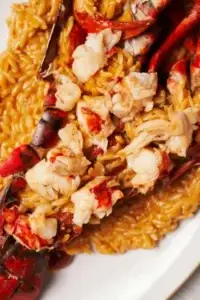
Another option is to toast in butter or olive oil before adding liquid. This risotto-style technique creates a nutty flavor and creamy texture.
For broader pasta technique tips, see soba pasta and
Creste di Gallo Pasta and reference timing charts from reputable sites like
BBC Good Food orzo recipes. watch
Culinary uses and versatility
This pasta adapts to many formats. It fits weekday meals and dinner parties alike.
- Soups: Try Greek avgolemono, a classic dish featuring lemon and broth.
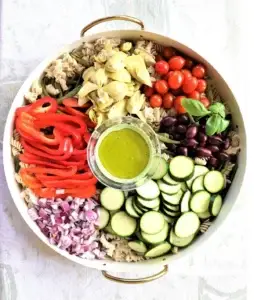
- Salads: Toss with lemon, herbs, tomatoes, and cucumbers.
- Pilafs: Simmer in stock with aromatics and spices.
- Risotto-style: Add broth gradually and stir until the risotto is creamy.
Can it be used as a substitute for rice? Yes, with differences in texture. It absorbs flavors well yet stays slightly firmer than rice.
Nutrition and health benefits
Is it healthy? It depends on the type and portion.
Regular versions made from refined wheat are lower in fiber. Whole-wheat versions provide more nutrients, including protein and fiber.
It is not gluten-free, so individuals with celiac disease should avoid traditional versions; alternatives such as quinoa or rice can be used in many recipes.
For credible nutrition references, review
Healthline nutrition guides
and
Harvard’s whole grain overview.
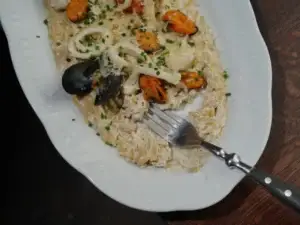
Storage and variants
How do you store it cooked? Refrigerate in an airtight container for up to three days.
If using in salads, toss with olive oil before chilling to prevent clumping. Dry pasta stores well for months in a cool, dry spot.
Whole-grain and gluten-free versions are widely available. Check labels for ingredients and cooking times.
Orzo Pasta vs. Other Similar Staples (Complete Comparison)
vs Rice
Orzo and rice are not the same.
It is made from durum wheat, while rice is a grain.
| Feature | Orzo | Rice |
|---|---|---|
| Category | Pasta | Grain |
| Texture | Firmer, slightly chewy | Softer, fluffy |
| Cooking Time | 8–10 minutes | 12–20 minutes |
| Gluten | Contains gluten | Naturally gluten-free |
| Best Uses | Soups, salads, pilafs | Stir-fries, curries, sides |
Best choice:
Use orzo pasta when you want structure and bite. Use rice for softer, neutral dishes.
vs Couscous
Orzo pasta and couscous are both wheat-based, but they behave differently.
| Feature | Orzo | Couscous |
|---|---|---|
| Shape | Rice-shaped pasta | Granular semolina |
| Cooking Method | Boiled | Steamed or soaked |
| Texture | Chewy | Light and fluffy |
| Sauce Absorption | Moderate | High |
Best choice:
Orzo pasta works better in soups and sauced dishes. Couscous pairs well with dry or lightly dressed meals.
vs Risotto (Arborio Rice)
Orzo can mimic the texture of risotto, but it is not risotto rice.
| Feature | Orzo | Arborio Rice |
|---|---|---|
| Cooking Style | Boiled or pilaf-style | Slowly simmered |
| Creaminess | Moderate | Very high |
| Starch Release | Low–moderate | High |
| Difficulty | Easy | Technique-dependent |
Best choice:
Use orzo pasta for quick “risotto-style” dishes. Use arborio when you want classic creamy risotto.
vs Pastina
Pastina is a category; orzo is one specific shape.
| Feature | Orzo | Pastina |
|---|---|---|
| Size | Medium-small | Very small |
| Shape Variety | Single shape | Many shapes |
| Typical Use | Soups, salads | Baby food, broths |
| Texture | Chewy | Very soft |
Best choice:
Choose it for adult meals with texture. Choose pastina for light broths or children.
vs Ditalini
Both are soup-friendly, but their structure differs.
| Feature | Orzo | Ditalini |
|---|---|---|
| Shape | Solid grain-like | Hollow tube |
| Broth Absorption | High | Very high |
| Texture | Firm | Softer |
| Best For | Brothy soups, salads | Thick soups, beans |
Best choice:
It pairs well with lighter soups and salads. Ditalini thickens hearty bean soups.
Quick Summary
- It is pasta, not rice
- Chewier than rice, firmer than couscous
- Faster than risotto rice
- More structured than pastina
- Less absorbent than ditalini
How to Choose the Right One
- Choose orzo for soups, salads, and pilafs
- Choose rice for neutral or gluten-free meals
- Choose couscous for light, dry dishes
- Choose Arborio rice for creamy risotto
- Choose pastina for delicate broths
- Choose ditalini for thick, hearty soups
Frequently Asked Questions
Q: Is it rice or pasta?
It is pasta, not rice. It is made from durum wheat semolina and water, even though its shape closely resembles that of rice grains.
Q: How long does it take to cook?
It usually cooks in 8 to 10 minutes in boiling, well-salted water. For soups, cooking time may increase slightly as they absorb broth.
Q: Can it be used in soups?
Yes. It works very well in soups. Add it directly to simmering broth and cook until tender, but avoid overcooking because it absorbs liquid quickly.
Q: Does it absorb a lot of liquid?
Yes. Orzo pasta absorbs liquid rapidly due to its small size. In soups or stews, add it near the end of cooking or cook it separately to control texture.
Q: Is it gluten-free?
No. Traditional orzo contains wheat gluten. Gluten-free versions made from corn, rice, or lentils are available and cook slightly faster.
Q: What dishes can you make with it?
Orzo pasta is commonly used in:
- Soups and broths
- Cold pasta salads
- Baked casseroles
- Pilaf-style dishes
- Risotto-style preparations
Its versatility makes it suitable for both warm and cold recipes.
Q: Can it replace rice in recipes?
Yes. It can replace rice in many dishes, offering a slightly firmer and chewier texture. It works especially well in pilafs and Mediterranean-style meals.
Q: Is whole-wheat healthier?
Yes. Whole-wheat varieties provide more fiber and slightly more protein, which support digestion and help you feel fuller longer.
Q: Is it suitable for meal prep?
Yes. Orzo pasta stores well when lightly coated in olive oil or sauce. It is ideal for make-ahead salads and reheated dishes.
Q: How do you store leftovers?
Store cooked orzo pasta in an airtight container in the refrigerator for up to three days. Add a splash of water or broth when reheating to restore moisture.
Q: Can it be baked?
Yes. It works well in baked dishes such as casseroles. Slightly undercook it first so it finishes cooking evenly in the oven.
Q: Is it good for kids?
Yes. Its small size makes it easy to chew and swallow, which makes it suitable for children when lightly seasoned.
Q: What sauces pair best with it?
Light tomato sauces, olive oil with herbs, lemon-based dressings, and broth-based sauces pair best. Heavy cream sauces can overwhelm their delicate size.
Q: Does orzo pasta have a low glycemic index compared to white rice? While both provide complex carbohydrates, orzo made from durum wheat semolina typically has a slightly lower glycemic index (GI) than standard white jasmine rice.
Because the extrusion process used to make pasta creates a dense starch structure, the body digests it more slowly, especially when cooked al dente. This results in a more gradual release of energy, making it a preferred choice for sustained satiety in Mediterranean-style diets.
Q: Why should I toast dry orzo before adding cooking liquid? Toasting dry orzo in a pan with a small amount of extra virgin olive oil or butter triggers the Maillard reaction. This chemical process creates a rich, nutty aroma and deepens the flavor profile of the pasta.
Beyond taste, toasting creates a protective lipid barrier around each grain, which helps the orzo maintain its structural integrity and prevents it from becoming overly mushy or releasing too much surface starch when simmered in broths or creamy sauces.
Q: Is orzo pasta considered a shelf-stable pantry staple? Yes, dry orzo is an excellent shelf-stable ingredient that can last in a cool, dry pantry for up to two years without losing its nutritional value or cooking quality.
To ensure the best results, store it in an airtight glass jar to protect it from moisture and ambient humidity. This longevity, combined with its quick 8–10 minute cooking time, makes it a superior pantry staple for emergency meal prep and quick weeknight dinners.
Q: Can you freeze cooked orzo pasta for future meal prep? You can successfully freeze cooked orzo, provided it is handled correctly to avoid clumping. After boiling, rinse the pasta in cold water to stop the cooking process and toss it with a light coating of oil.
Spread it on a baking sheet to flash-freeze before transferring it to a vacuum-sealed bag. This prevents the small shapes from freezing into a solid block, allowing you to easily portion out the pasta for future vegetable soups or casseroles.
Q: Why does cooked orzo turn into a solid clump when it cools down?
Orzo is incredibly compact and releases a high concentration of surface starch as it cooks. When the pasta cools, these starches gelatinize, essentially acting like a natural glue that binds the small grains together into a solid block.
To prevent this—especially if you are making a cold Mediterranean salad or prepping meals ahead of time—immediately rinse the drained orzo under cold running water to wash away the excess starch and stop the cooking process. Once rinsed, shake off the excess water and toss the grains with a light drizzle of extra virgin olive oil before storing it in an airtight container.
Perfect pasta comes down to mastering a few core fundamentals: using the right cooking method, understanding how water and starch interact, pairing the right pasta with the right sauce, and avoiding common mistakes.
When these elements come together, your pasta has a better texture, improved flavor, and holds sauce more effectively. To build these skills, follow a complete pasta cooking guide, learn the water science behind pasta, explore the best pasta for each sauce, and understand common pasta mistakes. These foundational techniques will help you cook better pasta every time, no matter the shape or recipe.
Bucatini Pasta: 7 Powerful Secrets for Perfect Recipes
Pasta Cooking: 9 Powerful Secrets for Perfect Results
Casarecce Pasta: 11 Essential Secrets for Perfect Sauce
Rigatoni Pasta: 7 Reasons It’s the Best Shape for Big Flavor
Cappelletti Pasta: 7 Amazing Secrets of This Italian Classic
Above are our Valuable contributions and informational hubs.
Orzo Pasta: The Versatile Rice-Shaped Italian Staple (Summary)
Orzo pasta, also known as risoni in Italy, is a small, grain-shaped pasta crafted from durum wheat semolina. Although it mirrors the appearance of grain, its wheat-based composition provides a firmer, al dente texture and a faster cooking time than traditional rice. As a staple of Mediterranean cooking, orzo is prized for its ability to absorb flavors while maintaining structural integrity in a variety of culinary applications.
Technical Profile & Culinary Versatility
Texture & Shape: A “pastina” variety that offers a chewy mouthfeel, making it an excellent substitute for rice in pilafs or arborio rice in risotto-style dishes.
Primary Uses: Essential for adding body to vegetable soups (like Greek Avgolemono), creating refreshing Mediterranean salads, and building hearty baked casseroles.
Cooking Precision: Typically reaches perfection in 8–10 minutes. For a deeper flavor, many chefs recommend toasting the dry orzo in olive oil to trigger the Maillard reaction before adding liquids.
Nutritional Value & Storage
Orzo provides complex carbohydrates for sustained energy, with whole-wheat orzo offering increased dietary fiber and protein. It is a highly shelf-stable pantry staple that can be stored for up to two years. For meal prep, cooked orzo should be tossed in oil and can be refrigerated for three days or flash-frozen for future use in stews and broths.
Conclusion and Call to Action
It stands out because it sits at the intersection of pasta and grain-like cooking. While it looks like rice, its wheat-based structure gives it a firmer bite, faster cooking time, and greater versatility across soups, salads, pilafs, and risotto-style dishes.
Understanding how orzo compares to rice, couscous, arborio rice, pastina, and ditalini removes confusion and helps you choose the right ingredient for each recipe with confidence.
Each comparison highlights an important principle: shape and structure matter as much as ingredients. Orzo absorbs liquid differently from rice, holds sauces more reliably than couscous, and cooks more quickly than risotto rice
. When used intentionally, it delivers balance rather than heaviness and texture rather than softness.
Call to Action
If this comparison clarified when and how to use orzo, continue exploring pasta knowledge at Pastaloverz.com, where we break down pasta shapes, cooking methods, and pairings in practical, easy-to-follow guides.
To deepen your understanding, explore these next:
- How to cook orzo perfectly every time
- Best pasta shapes for soups and brothy dishes
- Whole-wheat and gluten-free pasta options
Subscribe to receive weekly pasta tips, comparisons, and recipe inspiration, and make confident ingredient choices every time you cook.
explore recipes on
BBC Good Food,
NOTE:
To avoid waste of food and prepare the right amount of pasta per person, use our Pasta Portion Calculator
💡 Pro Tip: The “Pilaf Toast” Secret for Maximum Flavor and Structure
Before adding any water, broth, or cooking liquid to your pan, always toast your dry orzo in a splash of olive oil or butter for 2 to 3 minutes over medium heat until the small shapes turn a light golden-brown color.
This quick step triggers the Maillard reaction, which injects a rich, deeply nutty flavor profile directly into the pasta. More importantly, the heat creates a thin, protective starch barrier around each grain. This prevents the orzo from releasing excess surface starch later on, ensuring your grains stay perfectly defined and structural in salads or creamy skillet bakes instead of clumping together into a sticky, mushy mess!

Syed Yasar Arafat is the founder of PastaLoverz.com and a food research enthusiast with a focused interest in pasta varieties, traditional Italian cuisine, and balanced eating. Through PastaLoverz.com, he publishes well-researched articles that explain pasta types, cooking methods, and nutritional considerations in clear, practical terms to help readers make informed food choices.

Hello my friend! I want to say that this post is amazing, nice written and include almost all important infos.
I’d like to peer extra posts like this .
Thanks,I am trying my best to provide quality content for users by keeping USERS intent in mind.