
Radiatori are short, thick pasta shapes with ruffled fins around a small core. The name means “little radiators”, and the shape is built to give sauce plenty of surface to cling to. Unlike many Italian shapes, radiatori are a relatively modern design, commonly said to date from the twentieth century, so there is no ancient regional tradition attached to them. That makes them flexible rather than tied to one dish.
This guide covers how to cook radiatori, which sauces suit them, how they compare with similar shapes, and how to store leftovers.
What radiatori are
Each piece has deep ridges, ruffled edges and small pockets. Those folds trap chunky ingredients such as diced vegetables, crumbled sausage and bits of cheese, and they hold thicker sauces better than smooth, straight shapes do. Radiatori are usually made from durum wheat semolina, and a bronze-cut version has a rougher surface that grips sauce even better. If you want to understand why, see our guide to bronze-cut and Teflon-extruded pasta.
How to cook radiatori
- Use plenty of water. Roughly 4 litres of water per 400 g of pasta keeps the ruffles from sticking together. Salt it once it boils. See the science of pasta water for why this matters.
- Stir early. Stir right after adding the pasta and again during the first minutes. The fins can cling together if left alone. Do not add oil to the water, because it can make the sauce slide off later.
- Time it by tasting. Most brands take about 9 to 12 minutes. Check the packet and taste a piece a minute or two early. You want al dente: tender outside, with a slight firmness in the centre.
- Save a cup of pasta water before draining. The starch in it helps the sauce bind.
- Finish in the pan. Lift the pasta into the sauce while it is still wet, add a splash of the reserved water and toss over heat for a minute or two. This is the technique described in our mantecatura guide. If you pull the pasta a minute early, it will finish cooking in the sauce.
For more on timing and technique in general, see how to cook pasta and common pasta mistakes.
Best sauces for radiatori
Choose sauces with some body or texture. The ridges and pockets work best when there is something to catch.
- Meat ragù or sausage sauce. Small pieces of meat settle into the folds.
- Chunky tomato sauce with onion, carrot and celery, or with roasted vegetables such as zucchini, peppers and eggplant.
- Pesto. Basil, walnut or pistachio pesto coats the ridges evenly.
- Creamy mushroom or cheese sauces. They settle into the grooves and coat each piece.
- Beans and greens. Cannellini beans with tomato, or spinach with garlic and olive oil, work well because the pieces lodge in the shape.
Very thin, watery sauces tend to pool at the bottom of the bowl, so reduce them first or finish the pasta in the pan with starchy water. For a broader look at matching shape to sauce, read our pasta pairing guide and the sauce guide.
Ways to use radiatori
Baked pasta
Radiatori hold their shape in the oven and trap melted cheese and sauce. Undercook them by a minute or two before baking so they do not turn soft.
One-pot meals
Simmer radiatori directly in broth with sausage, vegetables, beans or tomatoes. The starch released by the pasta thickens the liquid, so the dish needs little extra sauce. Stir often and add liquid as needed.
Soups
The sturdy shape holds up in hot broth, for example in minestrone or pasta e fagioli. Add it near the end so it does not soften too far.
Cold pasta salads
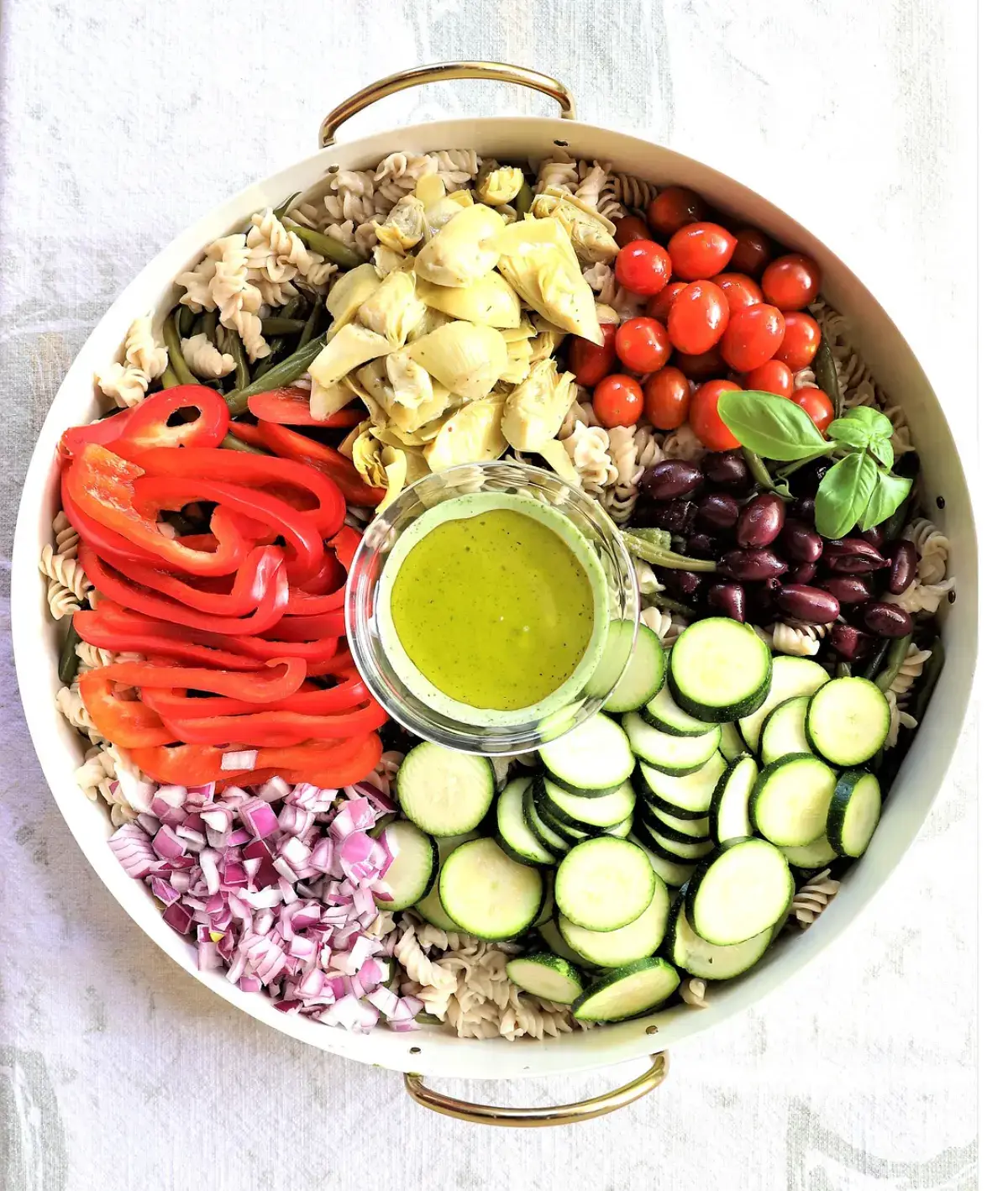
Radiatori work in salads with robust dressings such as oil-based vinaigrettes, pesto or creamy dressings, plus vegetables that add texture. Light, thin vinaigrettes slip off unless there are other ingredients to hold them.
Radiatori compared with other short shapes
| Shape | Form | How it holds sauce | Suits |
|---|---|---|---|
| Radiatori | Ruffled fins around a small core | Folds and pockets trap small pieces and thick sauce | Ragù, pesto, creamy sauces, baked dishes, salads |
| Fusilli | Tight spiral | Sauce clings along the spiral | Pesto, lighter sauces, salads |
| Penne rigate | Ridged tube, angled ends | Sauce enters the tube and clings to the ridges | Smooth tomato sauces, arrabbiata, vodka sauce |
| Rigatoni | Wide ridged tube | Larger pieces of meat or vegetables fit inside | Baked pasta, Bolognese, sausage ragù |
| Cavatappi | Spiral hollow tube | Sauce fills the tube and the curves | Baked mac and cheese, chunkier salads |

Nutrition and dietary notes
Radiatori made from durum wheat semolina provide mostly complex carbohydrates, a moderate amount of protein and little fat. Exact values depend on the brand, so check the label. To balance a meal, add vegetables such as spinach, zucchini, mushrooms or tomatoes, use olive oil, and include a protein such as chicken, seafood, beans or lentils.
- Standard radiatori contain wheat and gluten. Plain dried semolina pasta is usually vegan, but check the ingredients on the packet.
- Gluten-free radiatori are available, usually made from rice, corn or a blend. They copy the shape, but texture and cooking time differ, so follow the packet and avoid overcooking.
- Whole-grain versions have more fibre and a nuttier flavour.
If you have coeliac disease or an allergy, always read the label for gluten and cross-contamination warnings.
Buying good radiatori
Look for bronze-die (“trafilata al bronzo”) on the packet. It gives a rougher surface, so sauce clings better. Slow-dried pasta generally keeps its texture better when cooked. Italian specialty shops and reputable online sellers usually stock radiatori. If you cannot find them, fusilli, rotini or cavatappi make reasonable substitutes.
Storing and reheating leftovers
Cool cooked radiatori quickly, within about two hours, and keep them in an airtight container in the fridge for up to 3 to 5 days. Their sturdy shape reheats better than thin pasta, which makes them suitable for meal prep. Reheat until steaming hot throughout, to 74 °C (165 °F), and add a splash of water or sauce to loosen them. If the sauce contains ground meat, make sure it has been cooked to 71 °C (160 °F) at the start.
Frequently asked questions
Are radiatori traditionally Italian?
They are an Italian shape, but a modern one, usually dated to the twentieth century. There is no well-documented centuries-old regional dish tied to them, so treat claims about ancient origins with caution.
Do radiatori keep their shape when cooked?
Yes. If cooked to al dente, they stay intact even when tossed vigorously or baked.
Can I make radiatori at home?
Not easily. The ridged fins need an extruder or a specialised die, and hand-rolling does not reproduce them well. If you want to make fresh pasta at home, see tools for homemade pasta.
How do I stop radiatori sticking together?
Use a large pot with plenty of water and stir right after adding the pasta and during the first few minutes.
Are radiatori good for creamy sauces?
Yes. Cream, cheese and mushroom sauces settle into the grooves and coat evenly.
Related guides
Related guides: for other shapes that hold thick sauces, read best pasta for chunky sauces. If you can’t find radiatori, see the pasta substitution chart.
Further reading: Wikipedia: Radiatori

Syed Yasar Arafat is the founder of PastaLoverz.com and a food research enthusiast with a focused interest in pasta varieties, traditional Italian cuisine, and balanced eating. Through PastaLoverz.com, he publishes well-researched articles that explain pasta types, cooking methods, and nutritional considerations in clear, practical terms to help readers make informed food choices.