
Cavatappi pasta is a corkscrew-shaped pasta known for its ridges and hollow spiral. This unique design helps it trap sauces both inside and outside the tube, making every bite rich and flavorful.
What is cavatappi Pasta?
The term refers to a short, corkscrew-shaped pasta with a hollow center and often with ridges (rigati). The Italian name evokes a cork extractor — cava + tappi — and the shape’s spiral resembles a corkscrew. You will sometimes see it sold as cellentani or spirali.
For a concise factual overview, check the Wikipedia entry on cavatappi.
7 Delicious facts about cavatappi Pasta
- It traps sauce inside and out. The hollow tube and ridged spiral collect sauce, so each bite is saucy.
- Excellent for baking. It keeps its structure during oven time, which is why recipe editors choose it for mac and cheese or gratins.
- Sturdy for tossing. Cavatappi stands up to dressings and mixing in pasta salads.
- Works with chunky sauces. Ragù, bits of tomato, and vegetable pieces lodge in grooves and cavities.
- Quick to cook. Typical dry-cook times fit weeknight schedules (8–11 minutes).
- Available widely. Most supermarkets carry it; artisanal bronze-cut versions exist, too, for better sauce grip.
- Versatile substitute. Rotini, fusilli, and elbow macaroni can replace it in a pinch, though the texture changes.

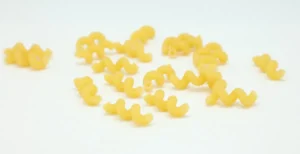
Cavatappi Pasta quick facts (cook card)
| Property | Detail |
|---|---|
| Shape | Hollow corkscrew, often rigate (ridged) |
| Typical cook time (dry) | 8–11 minutes |
| Best sauces | Creamy cheese sauces, ragù, chunky tomato, pesto |
| Best uses | Mac and cheese, baked casseroles, pasta salads, one-pot dinners |
| Texture note | Sturdy; holds up to stirring and baking |
| Common substitutes | Rotini, fusilli, elbow macaroni |
| Buy tip | Prefer bronze-cut + 100% durum semolina for the best sauce adhesion |
Why chefs and home cooks choose cavatappi pasta?
Cooks pick cavatappi when they need a short pasta that performs: it cooks fast, resists falling apart in the oven, and holds sauce in its spiral. Editors favor it for mac and cheese because it creates molten cheese pockets inside the hollow tubes.
Many practical recipes that aim for a consistent texture use this shape. If your goal is “sauce in every forkful,” cavatappi reliably delivers.
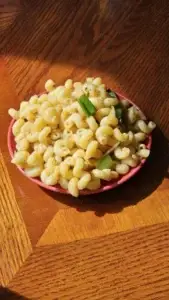
How to cook cavatappi Pasta perfectly?
These steps give you repeatable results every night.
- Use a large pot and plenty of water so the pasta can move.
- Salt the water after it boils. A simple rule: 1–2 tablespoons per 4 quarts (about 4 liters).
- Add pasta and stir at the start to prevent clumping.
- Cook 8–11 minutes for dry pasta. Many cooks test at about 9 minutes for firm al dente when finishing in a pan; reduce 1–2 minutes if you will bake it.
- Reserve ~½ cup of the starchy water to finish sauces; it helps them bind and look glossy.
- Drain; do not rinse unless making a cold salad where rinsing cools and stops cooking.
Timing guide (approx.)
- 4 oz (115 g): 8–9 minutes
- 8 oz (227 g): 8–9 minutes
- 1 lb (450 g): 9–11 minutes
Best sauces and pairings for cavatappi pasta
Because the spiral traps solids and sauce, cavatappi pairs well with thicker, chunkier, and creamier sauces. These pairings work particularly well:
- Mornay/cheese sauces — classic mac & cheese benefits from trapped, molten cheese.
- Meat ragù — fine ragù lodges in the spiral for even distribution of meat and sauce.
- Chunky tomato sauces — the ridges hold pieces, and the tube holds the sauce pool.
- Pesto & herb dressings — spirals snag herb bits and nuts, giving texture to each forkful.
- Cold salads — sturdy shape resists breakage during tossing and chilling.
For recipe inspiration and real-world pairings, see how recipe sites use spiral pasta in mac & cheese and bakes: Allrecipes often recommends similar shapes for hearty bakes: Allrecipes. Simply Recipes also offers practical stovetop finishes and one-pan ideas.
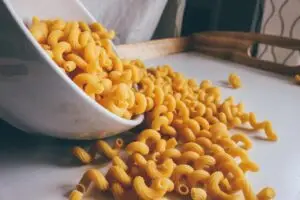
Compare: cavatappi vs rotini vs fusilli vs elbow
| Shape | Structure | Best use |
|---|---|---|
| Cavatappi | Hollow tube, ridged spiral | Thick sauces, bakes, salads |
| Rotini | Solid spiral | Salads, lighter dressings |
| Fusilli | Tighter twist, sometimes shaped by hand | Light sauces, herb-based dressings |
| Elbow | Short curved tube | Classic boxed mac & cheese, simple bakes |
If you want maximum sauce capture and a chewy bite, cavatappi is the best of the bunch for heavy, clingy sauces.
7 ways to serve cavatappi pasta (recipes & ideas)
1. Classic stovetop creamy cavatappi — 20 minutes
Cook 8 oz cavatappi. In a skillet, warm 1 cup of cream, then add 1 cup of shredded Cheddar and 1 cup of grated Parmesan, tossing with pasta and 2–3 tbsp of reserved cooking water until silky. Finish with cracked pepper and chives.
2. Ultimate baked mac & cheese — 35–45 minutes
Combine a thick Mornay with 1 lb cooked cavatappi, top with breadcrumbs and cheese, and bake until golden. The hollow tubes trap pockets of molten cheese.
3. Sausage & peppers cavatappi — 30 minutes
Brown the sliced sausage, sauté the peppers and onions, add the tomato sauce, and toss with cooked cavatappi pasta. Bake briefly to crisp edges if desired.
4. Cold salad with feta & roasted veg — chill 1 hour
Roast eggplant and tomatoes, toss with cooled cavatappi, crumbled feta, lemon-olive oil dressing, and herbs. Chill to let flavors marry.
5. One-pot greens & anchovy cavatappi — 20 minutes
Cook pasta in a shallow broth with garlic and anchovy paste, then add chopped greens, and finish with lemon zest and Parmesan for a quick, minimal-cleanup meal.
6. Cavatappi al pomodoro — 25 minutes
Sauté garlic in olive oil, add canned tomatoes, simmer, and toss with cooked cavatappi and fresh basil for a simple, bright dish.
7. Leftover cheesy fritters
Mix leftover mac & cheese with an egg, chill, form patties, and pan-fry until golden. The spiral shape gives crisp edges and a tender center.
Where to buy cavatappi pasta and what to look for?
Most supermarkets stock cavatappi in the pasta aisle. For a better result, use bronze-cut pasta and 100% durum semolina. Bronze-cut gives a rough surface that grabs sauce; industrial Teflon dies yield a smoother finish that slips sauce more easily.
Brand examples and product pages help compare finishes and price points. See DeLallo’s cavatappi product notes for details on bronze-cut options: DeLallo Cavatappi.
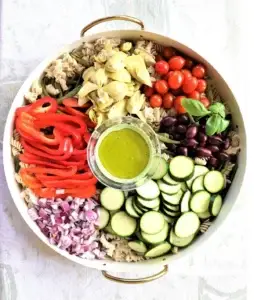
Substitutions and swaps
If you don’t have cavatappi, try these substitutes:
- Rotini — closest spiral, good for salads and light sauces.
- Fusilli — tighter twist; works for sauces but offers a different mouthfeel.
- Elbow macaroni — classic mac shape, less interior hold, but very common.
Substituting changes texture and sauce distribution — pick the closest shape when a recipe depends on the sauce inside the tube.
Many pasta problems, such as a mushy texture, a bland taste, or poor sauce coverage, stem from missing key fundamentals. The solution is simple: focus on proper cooking methods, water science, and pairing pasta shapes with the right sauces.
A complete pasta cooking guide, combined with knowledge of water science for pasta, the best pasta for each sauce, and common pasta mistakes, helps you fix errors and achieve perfectly cooked pasta every time.
Bucatini Pasta: 7 Powerful Secrets for Perfect Recipes
Pasta Cooking : 9 Powerful Secrets for Perfect Results
Casarecce Pasta: 11 Essential Secrets for Perfect Sauce
Rigatoni Pasta: 7 Reasons It’s the Best Shape for Big Flavor
Cappelletti Pasta: 7 Amazing Secrets of This Italian Classic
Above are our valuable contributions and informational hubs.
Frequently Asked Questions About Cavatappi Pasta
Q: What is cavatappi pasta?
Cavatappi is a short, hollow, corkscrew-shaped pasta with ridges along the surface. Its spiral tube traps sauce inside and out, making it ideal for baked dishes, mac and cheese, and pasta salads.
Q: How long does cavatappi pasta take to cook?
Dry cavatappi typically cooks in 8 to 11 minutes. For al dente texture, start testing at 8 to 9 minutes. If the pasta will be baked or finished in sauce, undercook slightly.
Q: What sauces pair best with cavatappi pasta?
Cavatappi works best with thick, clingy sauces. Cheese sauces like mornay, hearty ragù, chunky tomato sauces, and pesto coat the ridges and fill the hollow center evenly.
Q: Is cavatappi pasta good for mac and cheese?
Yes. Cavatappi is one of the best shapes for mac and cheese because the spiral tube holds melted cheese inside while the ridges grip sauce on the outside.
Q: Is cavatappi the same as rotini?
No. Cavatappi is a hollow tube twisted into a corkscrew, while rotini is usually a solid spiral. Both hold sauce well, but cavatappi delivers a fuller, more substantial bite.
Q: Can cavatappi be used in pasta salad?
Yes. Cavatappi works very well in pasta salads because it holds dressing, chopped vegetables, and cheese evenly and stays firm after chilling.
Q: Does cavatappi hold sauce better than penne?
Yes. Compared to penne, cavatappi offers more surface area and internal space, which helps thick sauces cling more effectively.
Q: Where can I find bronze-cut cavatappi pasta?
Bronze-cut cavatappi is usually sold at specialty Italian grocers and online retailers. Look for packaging labeled “bronze-cut” or “bronze-die,” such as DeLallo’s versions.
Q: Is cavatappi pasta egg-based?
No. Traditional cavatappi is made from durum wheat semolina and water, making it naturally egg-free and suitable for vegan diets.
Q: Can cavatappi be baked?
Yes. Cavatappi is excellent for baked casseroles. Cook it slightly under al dente so it finishes cooking in the oven without becoming soft.
Q: Is cavatappi suitable for meal prep?
Yes. It reheats well and maintains its shape. Toss lightly with sauce or oil before storing to prevent sticking.
Q: Is whole-wheat or gluten-free cavatappi available?
Yes. Whole-wheat versions offer more fiber, while gluten-free options made from corn, rice, or legumes are available, though texture and cooking times vary.
Q: How much dry cavatappi pasta should I cook per person?
For a standard main course, aim for 2 ounces (56 grams) of dry cavatappi per person. Because cavatappi is a voluminous, hollow shape, it looks more like a bowl than dense shapes like spaghetti.
If you are serving it as a side dish or in a heavy pasta salad with lots of vegetables, you can reduce this to 1.5 ounces per person. Once cooked, 2 ounces of dry cavatappi will expand to approximately 1 to 1.25 cups of cooked pasta.
Q: Why is cavatappi often called “Cellentani” or “Amori”?
The naming of pasta shapes in Italy is highly regional. Cellentani is the most common alias, a name trademarked by the brand Barilla in the 1960s to honor the Italian singer Adriano Celentano (known for his “springy” dance moves).
You may also see it labeled as Amori or Spirali. Regardless of the name on the box, the physical structure remains the same: a tubular, ridged corkscrew that is technically a variation of “fusilli l’uovo” or twisted macaroni.
Q: Can I use cavatappi in a slow cooker or Instant Pot?
Yes, but with caution. Because cavatappi is thicker and sturdier than elbow macaroni, it holds up better to the high pressure of an Instant Pot.
To cook cavatappi in a pressure cooker, use enough liquid to just cover the pasta and set the timer for 4–5 minutes (half the box time) with an immediate pressure release. In a slow cooker, only add the dry cavatappi during the last 20–30 minutes of cooking to prevent it from becoming mushy or losing its characteristic “snap.”
Q: Is cavatappi better than Penne for meat sauces like Bolognese?
While Penne Rigate is a classic choice, many chefs argue that cavatappi is superior for chunky meat sauces. The tight 360-degree spiral creates a “screw” effect that physically grabs small crumbles of ground meat and holds them against the pasta.
While Penne only traps sauce inside its tube, cavatappi traps sauce both inside the hollow center and within the external spiral curves, ensuring a better ratio of meat to pasta in every bite.
Q: How do I store and reheat leftover cavatappi without it getting dry?
The best way to store cooked cavatappi is to toss it with a small amount of olive oil or reserved pasta water before refrigerating it in an airtight container. To reheat, avoid the microwave if possible; instead, sauté it in a pan with a splash of milk or broth over medium heat.
This “re-emulsifies” the sauce. If you must use a microwave, cover the bowl with a damp paper towel to create steam, which keeps the hollow tubes from becoming rubbery or brittle.

Q: Why do food bloggers highly recommend Cavatappi Pasta for quick weeknight dinners?
Food bloggers and home cooks love Cavatappi Pasta because its unique shape drastically cuts down on the effort needed to make a flavorful meal. Unlike smooth, straight pasta shapes that let sauces slide right off, the ridges and helical shape of Cavatappi Pasta grab hold of ingredients instantly. This means you don’t have to spend extra time reducing your sauces to a thick paste just to get them to stick to your food.
Q: What is the ideal ratio of sauce to Cavatappi Pasta when cooking?
Because of its voluminous, hollow nature, Cavatappi Pasta requires slightly more sauce by volume than dense shapes like spaghetti or linguine. A good rule of thumb is to use roughly 1.5 cups of chunky or creamy sauce for every 4 ounces of dry Cavatappi Pasta. This ensures there is plenty of liquid to flow into the center tubes and coat the outer ridges without completely drowning the dish.
Q: Does Cavatappi Pasta expand significantly more than other shapes when boiled?
While all pasta expands as it absorbs water, Cavatappi Pasta appears to yield a much larger visual volume than standard macaroni or penne. The open, bouncy spiral structure creates pockets of air in your serving bowl. As a result, a standard 2-ounce serving of dry Cavatappi Pasta looks incredibly filling and substantial once cooked, making it an excellent option for stretching family meals. Summary:
- Shape: Hollow, ridged corkscrew
- Best uses: Mac and cheese, baked pasta, salads
- Cooking time: 8–11 minutes
- Sauce match: Thick, creamy, or chunky sauces
- Not the same as: Rotini
Cavatappi pasta is a short, hollow, corkscrew-shaped pasta known for its signature ridged surface and spiral structure. Made from 100% durum wheat semolina, its unique “cork extractor” design is specifically engineered to trap thick cheese sauces, chunky ragùs, and vinaigrettes both inside the hollow tube and along the external ridges. It is a superior choice for baked dishes like mac and cheese due to its sturdy texture and ability to maintain an al dente bite under high heat.
Our Pasta Cooking : 9 Powerful Secrets for Perfect Results
and
Casarecce Pasta: 11 Essential Secrets for Perfect Sauce
are our Informational hubs
Conclusion
Cavatappi pasta stands out for its corkscrew shape, sturdy texture, and ability to hold sauce in every spiral. This versatile pasta works beautifully in creamy macaroni dishes, baked casseroles, and hearty tomato sauces because the ridges and twists trap flavor in each bite.
Whether you prepare it with cheese, vegetables, or slow-cooked meat sauces, cavatappi delivers a satisfying texture that keeps dishes balanced and rich.
Home cooks and chefs value cavatappi not only for its taste but also for its reliability in many recipes. Its spiral structure prevents sauces from sliding off, making every forkful flavorful.
For anyone who enjoys experimenting with pasta, cavatappi offers a dependable option that turns simple ingredients into comforting, memorable meals.
Pro Tip: The Secret to Perfect Sauce Adhesion
💡 Pro Tip from PastaLoverz: When working with Cavatappi Pasta, never rinse the cooked noodles after draining. The natural starch left on the surface of Cavatappi Pasta acts like a culinary magnet, helping heavy creams, melted cheeses, and hearty meat ragùs bind effortlessly to the outer ridges. For the absolute best results, toss your Cavatappi Pasta directly into the sauce pan alongside a splash of reserved, starchy pasta water to create a glossy, restaurant-quality emulsification that coats every single spiral.
.

Syed Yasar Arafat is the founder of PastaLoverz.com and a food research enthusiast with a focused interest in pasta varieties, traditional Italian cuisine, and balanced eating. Through PastaLoverz.com, he publishes well-researched articles that explain pasta types, cooking methods, and nutritional considerations in clear, practical terms to help readers make informed food choices.

0 Responses