
Anelli pasta is a small, ring-shaped Italian pasta traditionally used in soups and baked dishes. Its tiny circular shape helps it cook evenly and absorb broth without becoming mushy.
Why do Italian cooks prefer anelli pasta for soups? The answer lies in its structure. The hollow center traps flavor while the firm texture holds up in long-simmering recipes. You will often see it in classic comfort dishes where balance matters.
In this guide, you will discover its origin, ideal cooking time, best sauces, and practical tips that help you cook anelli pasta perfectly every time.
What Is Anelli Pasta?
Anelli pasta is a small, circular pasta shape that resembles tiny rings. The name comes from the Italian word anelli, meaning rings. It belongs to the pastina category, which includes pasta shapes designed for soups and light meals.
According to La Cucina Italiana, small pasta shapes like anelli are traditionally used in broths and baked dishes because they cook evenly and absorb flavors without overpowering the dish.
Origin and History of Anelli Pasta
Anelli pasta originates in southern Italy and has strong ties to Sicilian home cooking. Families favored this shape because it was economical, easy to portion, and reliable in oven dishes.
In Sicily, anelli is closely associated with Anelletti al Forno, a baked pasta layered with meat sauce, peas, and cheese. The Accademia Italiana della Cucina recognizes this preparation as a regional classic that reflects traditional Italian family meals.
Shape, Texture, and Size
Shape: Small circular rings
Texture: Smooth or lightly ridged
Size: Approximately 5–8 mm wide
Why the shape matters:
Allows broth to flow through the center
Cooks evenly without sticking
Maintains structure during baking
Creates a consistent bite
Food specialists at Eataly note that ring-shaped pasta works best when balance and uniform texture are essential.
Best Sauces
Thick Sauces
Light tomato sauces
Vegetable-based sauces
Lentil or bean sauces
Chunky sauces perform better with larger shapes, such as rigatoni, which can hold heavier ingredients.
Creamy Sauces
Mild cheese sauces
Light cream sauces
Butter and grated Parmesan
Cream sauces should stay smooth to suit the pasta’s small size.
Baked Dishes
Sicilian baked pasta
Tomato meat sauce with peas
Ricotta and mozzarella combinations
Cooking guides from The Spruce Eats highlight anelli pasta as a dependable choice for baked dishes because it holds its shape without becoming mushy.
How to Cook it Perfectly
Water ratio: Use 4–5 cups of water per cup of pasta
Salt timing: Add salt once the water reaches a rolling boil
Cooking time: 6–8 minutes
Al dente tip: Drain 30 seconds early if the pasta will be baked
Stir during the first minute to prevent the rings from sticking together.
Anelli Pasta vs Similar Pasta Shapes
Anelli vs Ditalini
Anelli traps the broth inside the ring
Ditalini absorbs liquid internally
Anelli vs Orzo
Anelli retains a firmer bite
Orzo softens faster in soup
Anelli vs Stelline
Anelli works better in baked dishes
Stelline suits clear broths
For soup-focused meals, orzo pasta and stelline pasta are popular alternatives.
Is Anelli Pasta Healthy?
Anelli pasta can be part of a balanced diet when eaten in moderation and combined with nutrient-dense ingredients. Like most traditional Italian pasta, it is made from durum wheat semolina, which provides steady energy and a satisfying texture.
A typical cooked serving contains about 200 calories per cup, making it comparable to other small pasta shapes. Most of these calories come from complex carbohydrates, which serve as the body’s primary energy source. Anelli pasta also provides around 6–7 grams of protein per serving, contributing to daily protein intake when paired with other foods.
Whole wheat anelli pasta offers a higher fiber content, which supports digestion and promotes a longer-lasting feeling of fullness. Fiber-rich versions are often preferred for everyday meals, especially when pasta is a regular part of the diet.
The Harvard T.H. Chan School of Public Health advises pairing refined grains like pasta with vegetables, legumes, and lean protein. Adding ingredients such as leafy greens, beans, tomatoes, or grilled poultry improves the overall nutritional balance without altering the dish’s traditional character.
Calorie Comparison: Anelli Pasta vs Other Small Pasta Shapes
It has a calorie profile similar to that of most small pasta shapes when cooked and served plain. Differences between shapes are minimal, but texture and density can slightly affect portion size and satiety.
Anelli pasta provides balanced energy with a firm bite, making it easy to portion accurately.
Orzo pasta often feels heavier per cup because of its rice-like density.
Ditalini pasta absorbs more liquid, which can increase perceived fullness without adding calories.
Stelline pasta is lighter and commonly used in broths, resulting in lower overall meal calories when paired with soup.
From a nutritional standpoint, the choice of sauce and added ingredients influences calories far more than the pasta shape itself.
Nutrition Comparison Table (Cooked, Approx. 1 Cup)
| Pasta Shape | Calories | Carbohydrates | Protein | Fiber |
|---|---|---|---|---|
| Anelli Pasta | ~200 kcal | ~42 g | 6–7 g | ~2 g |
| Orzo Pasta | ~210 kcal | ~44 g | 7 g | ~2 g |
| Ditalini Pasta | ~195 kcal | ~41 g | 6 g | ~2 g |
| Stelline Pasta | ~190 kcal | ~40 g | 6 g | ~1.5 g |
| Whole Wheat Anelli | ~190 kcal | ~39 g | 7 g | ~4 g |
Values are approximate and may vary by brand and preparation method.
Nutritional Takeaway
Anelli pasta fits comfortably within a balanced diet and does not differ significantly in calories from other small pasta shapes. Choosing whole wheat anelli, controlling portion size, and pairing it with vegetables and lean protein has a much greater impact on nutritional quality than the pasta shape alone.
FAQs
Q: What is anelli pasta used for?
A: It is commonly used in soups and baked pasta dishes. Its ring shape cooks evenly and works especially well in Sicilian-style baked recipes and brothy meals.
Q: Is anelli pasta the same as anelletti?
A: No. Anelletti are slightly larger rings mainly used for baking, while anelli pasta is smaller and more suitable for soups and lighter dishes.
Q: Is anelli pasta good for children?
A: Yes. Its small size and soft texture make it easy to chew, which is why it is often used in children’s meals.
Q: Can anelli pasta be baked?
A: Yes. When cooked al dente, it holds its structure well in baked dishes with tomato-based sauces and cheese.
Q: Does anelli pasta hold sauce well?
A: It holds light sauces and broth effectively, while heavier sauces work better with larger pasta shapes.
Q: What does anelli pasta mean in Italian?
A: Anelli means “rings” in Italian. The name describes the pasta’s small circular shape, which allows liquid to pass through the center while still holding broth and light sauces on the surface. This design helps anelli cook evenly in soups and baked dishes.
Q: Is anelli pasta considered pastina?
A: Yes. It belongs to the pastina family, which includes small pasta shapes traditionally used in soups, broths, and light meals. Pastina shapes are designed to cook quickly, absorb flavor, and provide a soft, uniform texture.
Q: What is the difference between anelli and ditalini pasta?
A: It is ring-shaped and traps broth inside the center, while ditalini are short tubes that absorb liquid internally. Anelli offers a firmer bite in soups, whereas ditalini creates a creamier, more absorbed texture.
Q: Is anelli pasta traditional in Italian cuisine?
A: Yes. Anelli pasta is traditional in southern Italy, especially Sicily. It is commonly used in home-style soups and in baked pasta dishes, such as anelletti al forno, a well-known regional preparation.
Q: Can anelli pasta be used in cold pasta salads?
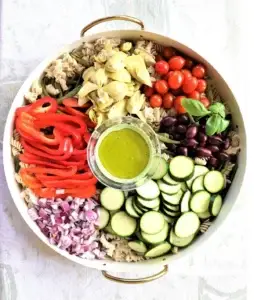
A: Anelli pasta is not ideal for cold pasta salads. Its small size and smooth surface work best with warm broths and baked dishes. Larger or textured shapes usually hold dressings and vegetables better in cold preparations.
Q: How long does anelli pasta take to cook?
A: It typically cooks in 6 to 8 minutes in boiling salted water. Because of its small size, it should be stirred early to prevent sticking and checked frequently to avoid overcooking.
Q: Does anelli pasta overcook easily?
A: Yes. Due to its small size, anelli pasta can overcook quickly if left unattended. For baked dishes, it should be cooked slightly al dente to maintain structure and texture after baking.
Q: Is anelli pasta gluten-free?
A: Traditionally, it is made from durum wheat semolina and contains gluten. Some brands offer gluten-free versions made from rice or corn, but availability varies by region and manufacturer.
Q: What sauces should be avoided with anelli pasta?
A: Very chunky or heavy meat sauces are not ideal for anelli pasta. The small rings cannot hold large pieces of meat or vegetables; they are better paired with wider or ridged pasta shapes.
Q: Why does Anelli pasta maintain its shape better than other small shapes? A: The secret to the structural integrity of Anelli pasta lies in its geometric ring design. Unlike flat or solid shapes like Orzo, Anelli features a reinforced circular wall that allows hot liquid to circulate through the center while maintaining external tension.
This even heat distribution prevents the edges from softening faster than the core, making it the most resilient pastina for high-heat environments like pressure cookers or long-duration oven baking.
Q: Can you substitute Anelli pasta with Ditalini in traditional Sicilian recipes? A: While you can substitute them at a 1:1 ratio, the culinary results will differ in texture and “mouthfeel.” Anelli pasta offers a more delicate, elegant appearance and a lighter bite because of its hollow center.
Ditalini, being thicker and more tubular, tends to absorb more starch and creates a heartier, creamier consistency in the sauce. For authentic Anelletti al Forno, using the traditional ring shape is preferred to ensure the dish stays airy and layered rather than dense.
Q: Why is anelli pasta popular for soups?
A: It is popular for soups because it cooks evenly, does not fall apart easily, and allows broth to flow through the center of each ring. This creates a balanced texture and consistent flavor in every spoonful.
Q: Why is Anelli pasta rarely used with heavy, chunky meat ragùs?
The physical dimensions of Anelli pasta—measuring roughly 5–8 mm wide with smooth or lightly ridged edges—make it poorly suited for heavy, chunky sauces like a traditional Bolognese. Thick pieces of ground meat, sausage, or root vegetables cannot physically fit inside or adhere to the small, thin surface area of the rings.
When paired with a heavy ragù, the pasta sinks to the bottom of the plate while the meat remains separate, leading to an unbalanced bite. For chunky sauces, culinary tradition favors larger, tubular shapes with wide openings and deep external ridges, such as Rigatoni or Tortiglioni, which can easily trap and hold substantial ingredients.
Q: How do you prevent Anelli pasta from absorbing all the broth in leftover soup?
Because Anelli pasta belongs to the pastina family, it acts like a sponge when left sitting in hot liquids. If you store a completed soup in the refrigerator overnight, the starch in the Anelli will continuously absorb the liquid, leaving you with bloated, mushy rings and no remaining broth by morning.
To prevent this, pro chefs use one of two methods:
The Separate Pot Method: Boil the Anelli pasta in a completely separate pot of salted water. Drain it, toss it with a tiny drop of olive oil, and store it in a separate container. When you are ready to serve, simply drop a portion of the cooked rings directly into your heated soup bowl.
The Starch Compensation Method: If you must cook them together, add an extra 1 to 2 cups of water or stock beyond what the soup recipe calls for, ensuring there is surplus liquid to accommodate the pasta’s absorption rate.
Q: What is the difference between Anelli pasta and Calamarata pasta?
While both Anelli and Calamarata are ring-shaped Italian pastas, they occupy completely opposite ends of the size and culinary spectrum:
Anelli consists of miniature, delicate rings (5–8 mm) designed primarily as a soup accompaniment (pastina) or a component in tightly packed, structured baked casseroles.
Calamarata consists of much larger, wide, thick-walled rings that visually resemble sliced squid (calamari) rings. It is a specialty of Neapolitan cuisine, typically served as a main showcase dish coated in heavy seafood sauces, whole clams, garlic, and white wine.
Q: Can you cook Anelli pasta directly in a slow cooker or Instant Pot?
Yes, Anelli pasta can be cooked directly in a slow cooker or pressure cooker, but timing is incredibly critical due to its small mass.
In a Slow Cooker: Do not add the dry Anelli at the beginning of a hours-long simmer. Instead, wait until the final 20 to 30 minutes of cooking time, stir the dry rings directly into the bubbling broth, cover, and let them soften on the “High” setting.
In an Instant Pot: Because pressure cookers trap intense heat, adding Anelli during a standard pressure cycle will turn them into a starchy puree. Cook your soup base first, release the pressure, switch the unit to the “Sauté” function, stir in the Anelli, and let them boil uncovered for 5 to 7 minutes until tender.
Q: Is Anelli pasta ever used in traditional wedding soups?
While Anelli is a fantastic addition to clear broths, the absolute traditional standard for classic Italian Wedding Soup (Minestra Maritata) is Acini di Pepe (tiny peppercorn-shaped beads) or Stelline (little stars).
However, Anelli is frequently used as a modern, texturally superior substitute. Its hollow center allows the rich chicken broth and bits of shredded escarole to pass through, creating a lighter mouthfeel than denser pastina shapes, while still providing a clean backdrop that doesn’t distract from the tiny meatballs.
Q: Why do some brands label Anelli pasta as “Anellini”?
In Italian culinary terminology, adding the suffix “-ini” to a word changes its meaning to “small” or “miniature.” Therefore, Anellini translates directly to “little rings.”
While many commercial pasta brands use the terms interchangeably on their packaging, purists differentiate the two by size: standard Anelli are slightly wider and hold up beautifully in baked skillet dishes, whereas Anellini are ultra-microscopic rings optimized exclusively for delicate, clear broths, infant meals, and light consommés.
Q: How do you identify high-quality, artisanal Anelli pasta at the grocery store?
To ensure your Anelli rings maintain a flawless al dente bite and do not break apart during boiling, look for two key indicators on the packaging:
100% Durum Wheat Semolina: High-protein durum wheat provides the structural gluten network needed to keep the ring walls firm.
Bronze Cut (Trafilata al Bronzo): Artisanal brands extrude their pasta through vintage bronze dies rather than modern Teflon rollers. This process leaves a rough, matte, chalky white dust on the surface of the dry Anelli rings. This rough texture is essential because it allows light tomato sauces and broths to physically cling to the outside of the ring rather than sliding right off.
Summary: The Culinary Utility of Anelli Pasta
Anelli pasta is a traditional Italian pastina variety characterized by its small, uniform ring shape. Originally rooted in Sicilian home cooking, these “tiny rings” are engineered from durum wheat semolina to provide a firm, al dente texture that withstands long simmering times in broths and oven-baked dishes like Anelletti al Forno.
Unlike denser shapes, the hollow center of Anelli allows for even heat distribution and broth flow, making it the premier choice for minestrone, legume-based soups, and light tomato sauces. With roughly 200 calories and 7 grams of protein per cup, Anelli offers a balanced nutritional profile that bridges the gap between delicate soup pasta and hearty baked pasta.
Perfect pasta comes down to mastering a few core fundamentals: using the right cooking method, understanding how water and starch interact, pairing the right pasta with the right sauce, and avoiding common mistakes.
When these elements come together, your pasta has a better texture, improved flavor, and holds sauce more effectively. To build these skills, follow a complete pasta cooking guide.
Learn the water science behind pasta, explore the best pasta for each sauce, and understand common pasta mistakes. These foundational techniques will help you cook better pasta every time, no matter the shape or recipe.
If you enjoy it, you may also like ditalini, orzo, and stelline pasta, all commonly used in soups and comfort dishes
5 Incredible Reasons Farro Pasta Beats Standard Whole Wheat
Lasagne Verdi: 6 Steps to Authentic Spinach Pasta [2026]
Fregula Pasta: 7 Secrets to Unlock Its Rich, Nutty Taste
Acini di Pepe Pasta: 7 Secrets for Perfect Cooking & Uses
Capellini (Angel Hair Pasta): 7 Golden Cooking Secrets
Above are our valuable contributions and informational hubs.
Final Thoughts
Anelli pasta remains a practical and culturally rich pasta shape thanks to its simple ring design and everyday versatility. Its ability to cook evenly, absorb broth, and maintain structure makes it especially reliable for soups and baked dishes.
Rooted in southern Italian and Sicilian home cooking, anelli pasta remains valued for comfort food, family recipes, and traditional oven-baked preparations. Its consistent texture and mild profile ensure it remains relevant in both classic Italian kitchens and modern home cooking.
💡 Pro Tip: The “First-Minute Flash Stir” to Prevent Ring Clumping
Because Anelli pasta consists of small, lightweight rings with a high surface-area-to-weight ratio, they are uniquely prone to nested clumping. The moment they hit boiling water, the released surface starches act like glue, causing the rings to slide inside one another and form dense, undercooked stacks at the bottom of your pot.
To prevent this, always implement a continuous 60-second flash stir immediately after dropping the pasta into the water. This rapid movement keeps the rings suspended individually until the initial wave of starch washes off into the cooking water, ensuring every single ring cooks evenly and stays perfectly separated for your soup or bake!

Syed Yasar Arafat is the founder of PastaLoverz.com and a food research enthusiast with a focused interest in pasta varieties, traditional Italian cuisine, and balanced eating. Through PastaLoverz.com, he publishes well-researched articles that explain pasta types, cooking methods, and nutritional considerations in clear, practical terms to help readers make informed food choices.

2 Responses