
The Ultimate Guide to Farro Pasta: Italy’s Ancient Grain Masterpiece
For centuries, modern kitchens have been dominated by standard refined white flour and basic whole wheat options. However, as home cooks and culinary enthusiasts dig deeper into regional Italian traditions and nutrient-dense alternatives, one ancient grain is making a massive comeback: farro.
When ground into flour and crafted into noodles, this ancient heirloom grain yields farro pasta—a deeply satisfying, nutty, and structurally superior alternative to modern commercial pasta.
Whether you are looking to elevate your weekly pasta nights with a rich, textured canvas for sauces or searching for a more digestible, protein-packed grain alternative, this masterclass explores everything you need to know about this remarkable ingredient.
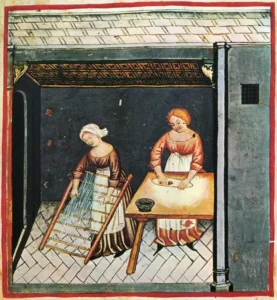
What is Farro Pasta?
To truly appreciate this culinary gem, we have to look back thousands of years. Farro isn’t just a single grain; it is a historical term used in Italy for three different species of hulled wheat:
Farro Piccolo (Einkorn): The oldest cultivated wheat variant.
Farro Medio (Emmer): The legendary grain that fueled the Roman legions and remains the primary choice for premium Italian pasta making.
Farro Grande (Spelt): A popular rustic grain common in Central Europe and parts of Northern Italy.
When an artisan package is labeled explicitly as authentic Italian farro pasta, it is almost universally crafted from Farro Medio (Emmer). The grain is grown predominantly in the clean, high-altitude air of regions like Tuscany, Umbria, and Abruzzo.
Unlike modern industrial wheat, which has been aggressively cross-bred for high yields and massive gluten structures, farro remains largely unchanged from its wild ancestors. The grain is carefully harvested, gently stone-ground to preserve its volatile oils, mixed with pure water, and extruded through traditional bronze dies. This results in a rustic, textured noodle with a signature matte, slightly rough finish that catches and holds sauces far better than shiny, Teflon-extruded supermarket alternatives.
Farro Pasta vs. Traditional and Alternative Pastas
Choosing the right base for your meal depends on what you value most: classic neutral flavor, gluten-free properties, or rustic nutritional density. The table below illustrates how traditional dried pasta stacks up against alternative options like chickpea noodles and ancient grains:
| Pasta Type | Primary Ingredient | Protein Content (per 2oz dry) | Fiber Content (per 2oz dry) | Texture Profile | Best Culinary Use |
| Farro Pasta | Emmer Ancient Grain | ~7g – 8g | ~5g – 7g | Firm, dense, exceptional al dente snap with a distinct nutty finish. | Hearty ragùs, rustic pestos, game meats, and roasted root vegetables. |
| Traditional Pasta | Durum Wheat Semolina | ~7g | ~2g | Smooth, highly elastic, clean, and neutral wheat flavor. | Delicate seafood sauces, classic tomato pomodoro, and emulsion sauces like Carbonara. |
| Chickpea Pasta | Chickpea/Legume Flour | ~11g – 13g | ~5g – 8g | Tends to be softer; can become slightly gummy or mushy if overcooked. | High-protein dietary swaps, simple garlic and oil, cold pasta salads. |
| Whole Wheat Pasta | Modern Whole Wheat | ~7g | ~6g | Can sometimes feel gritty, coarse, or naturally bitter. | Heavy, robust sauces that can mask the slightly bitter whole grain taste. |
The Nutritional Powerhouse: Why It Beats Modern Whole Wheat
The Nutritional Powerhouse: Why It Beats Modern Whole Wheat
Many home cooks shy away from standard whole wheat options because of their texturally gritty finish or overwhelmingly bitter aftertaste. This ancient grain completely rewrites the rules. It offers all the incredible health benefits of a true whole grain while delivering a luxurious, velvety chew.
1. Superior Digestion and Gentle Gluten
Because this grain has retained its ancient genetic makeup, its gluten structure is fundamentally different from modern hybridized durum wheat. The proteins are highly water-soluble and fragile. While it is not gluten-free (and is unsafe for those with Celiac disease), many individuals who experience mild bloating or sluggishness after eating standard processed white flour find that premium artisan farro pasta sits incredibly lightly on the stomach.
According to gastrointestinal microbiology data published by the University of Illinois Extension, the water-soluble prebiotic fibers found in ancient grains significantly improve gut microbiome diversity compared to heavily processed, refined flours.
2. A Low-Glycemic Index Energy Source
Refined white flour creates sharp, sudden spikes in blood sugar, followed by an inevitable mid-evening energy crash. Thanks to a complex matrix of complex carbohydrates and slow-digesting starches, this ancient alternative boasts a remarkably low glycemic index.
Clinical insights from the Glycemic Index Research Trust indicate that whole-grain Emmer variants maintain steady, baseline blood glucose levels, releasing energy gradually into your bloodstream to keep your energy levels stable and satisfy hunger for hours.
3. Packed with Essential Micronutrients
Every single serving is naturally loaded with vital minerals that are typically stripped away during modern milling processes. As detailed in the comprehensive ancient grain nutritional matrix on Healthline, farro provides excellent concentrations of:
Magnesium: Supports muscle recovery, nerve function, and sleep regulation.
Zinc: Essential for maintaining a robust immune system and cellular repair.
Iron: Helps optimize oxygen transport throughout the body, fighting off daily fatigue.
B Vitamins: Crucial for efficient metabolic conversion and cognitive clarity.

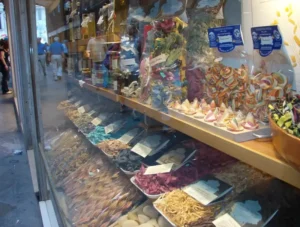
The Taste and Texture Profile: A Connoisseur’s Choice
If you’ve spent years eating standard white pasta, your first bite of a high-quality ancient grain noodle will be an eye-opening revelation. It is an ingredient built for true food lovers.
The Flavor
It features a remarkably complex flavor profile. It is deeply earthy, with rich notes of toasted walnuts, fresh wheat bran, and a faint, naturally sweet undertone reminiscent of brown rice syrup. It tastes intentionally rustic—bringing its own distinct personality to the plate rather than serving as a completely blank canvas.
The Texture
This is where the ancient grain truly shines. The natural composition of the starches gives the noodle an elite structural integrity. It has a robust, dense, and satisfyingly toothsome bite. When cooked correctly, it holds its al dente snap beautifully, offering a muscular texture that pairs perfectly with complex, heavy, and deeply savory sauces.
How to Cook Farro Pasta Perfectly?
Cooking an ancient grain noodle requires a subtle shift in technique compared to industrial white pasta. Because the gluten structure is delicate, timing and water dynamics are everything. Follow this foolproof method to achieve the ultimate culinary texture:
Step 1: Use a Large, Generous Pot
Always use plenty of water. For a standard 1-pound package, fill your pot with at least 4 to 5 quarts of cold, clean water. Ancient grains release unique, rich starches into the water as they boil; using a large volume prevents the water from becoming overly thick, ensuring your noodles cook evenly without sticking.
Step 2: Salt Like the Mediterranean Sea
Do not skip this step! Bring your water to a roaring, aggressive boil, then add 2 tablespoons of coarse sea salt. Because these noodles have a bold, savory flavor of their own, properly salting the cooking water seasons the pasta from the inside out, perfectly balancing its natural nuttiness.
Step 3: Agitate Gently but Frequently
Drop the noodles into the boiling water and instantly begin stirring with a long wooden spoon or pasta fork. Because the starch profile is highly active, the shapes are most prone to sticking together during the very first two minutes of cooking.
Step 4: Trust the Timer (But Trust Your Bite More)
Most dried varieties require anywhere from 9 to 12 minutes to reach an optimal texture. Begin checking the pasta roughly two minutes before the package directions suggest. Take a piece out, bite it in half, and inspect the core. You want to see a tiny, microscopic white speck right at the very center—this indicates a flawless al dente finish.
Step 5: Save Your Liquid Gold
Critical Kitchen Step: Before you even think about tipping the pot into a colander, take a heat-proof measuring cup and scoop out at least one full cup of the cloudy, starchy cooking water. This liquid is packed with water-soluble ancient starches. It is your secret weapon for emulsifying your fat component (olive oil, butter, or cheese) into a silky, glossy sauce that clings perfectly to every noodle. For a deeper look at this culinary magic, explore our master guide on the Science of Starchy Pasta Water.
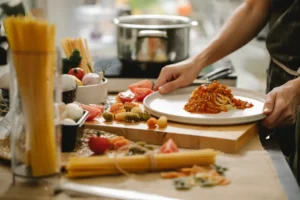
Perfect Sauce Pairings for Ancient Grain Noodles
A common mistake is treating an ancient grain noodle exactly like a delicate white flour capellini. Because of its bold, nutty profile and muscular structure, simple, light cream sauces can easily get lost. Instead, match its strength with deep, rustic, and highly aromatic flavor profiles.
       [Farro Pasta Flavor Profile: Nutty, Earthy, Dense]
                               |
        -----------------------------------------------
        |                                             |
[Rustic Earthy Sauces]                     [Rich, Gamey Ragùs]
  - Wild Mushroom & Thyme                     - Slow-Braised Wild Boar
  - Toasted Walnut Pesto                      - Duck or Lamb Ragù
  - Roasted Garlic & Kale                     - Rich Bolognese
1. The Forest Blend: Wild Mushrooms and Fresh Thyme
The natural, woodsy flavor of mushrooms is a match made in heaven for ancient grains. Sauté a blend of fresh shiitake, cremini, and oyster mushrooms in high-quality extra virgin olive oil with plenty of smashed garlic and fresh thyme leaves. Deglaze the pan with a splash of crisp white wine, toss in your cooked noodles, and stir in a splash of your reserved cooking water to create a velvety, earthy sauce.
2. The Tuscan Classic: Hearty Game Ragùs
If you enjoy slow-cooked meat sauces, this combination is an absolute triumph. The dense, toothsome chew of the noodles stands up beautifully to slow-braised wild boar, rich duck, or traditional lamb ragù. The natural starches help bind the heavy, comforting meat sauce directly to the ridges of the shapes.
3. The Vibrant Contrast: Sun-Dried Tomato and Walnut Pesto
For a spectacular vegetarian option, skip the classic basil pesto and blend toasted walnuts, extra virgin olive oil, Parmigiano-Reggiano, garlic, and a few oil-packed sun-dried tomatoes. The bright, tangy acidity of the sun-dried tomatoes cuts cleanly through the deep, comforting grain flavors, while the walnuts echo the pasta’s natural nuttiness.
Sourcing and Storage Strategies of Farro Pasta
To get the absolute best results, it helps to know exactly what to look for when shopping and how to store your ingredients to keep them tasting fresh.
What to Look for on the Label
When browsing the shelves of your local Italian specialty market or natural foods store, always prioritize quality indicators. Look for phrases like “Trafilata al Bronzo” (bronze die-extruded), which guarantees a rough surface ideal for holding sauce.
Additionally, check that the ingredient list contains only one simple component: whole-grain farro flour (or farro di Monteleone di Spoleto DOP for the ultimate regional certification). If you want to expand your pantry with other unique variations, be sure to read our comprehensive Pasta Types Guide to find your next favorite style.
How to Store Your Farro Pasta?
Because authentic ancient grain flours retain their nutrient-rich germ and natural oils, they are more sensitive to the environment than heavily processed commercial white pasta.
Unopened Packages: Keep them in a cool, dark, and completely dry pantry. They will remain in peak condition for up to a year.
Opened Packages: Transfer any remaining dry noodles into an airtight glass jar or a secure food storage container. This simple step protects the volatile whole grain oils from oxidizing or absorbing surrounding kitchen odors, ensuring your next meal tastes just as vibrant as the first.
Summary
Farro pasta is far more than a simple health-conscious alternative; it is a premium culinary ingredient deeply rooted in Italian history. Boasting a rich, toasted walnut flavor and an exceptional, firm al dente chew, it easily outperforms modern whole wheat options in both taste and texture.
Farro pasta is naturally high in plant-based protein, dietary fiber, and essential minerals like magnesium and iron. Because it features a gentle, water-soluble gluten structure, it is incredibly easy on the digestive system. Pair it with robust, earthy sauces like wild mushroom sautés, rich game ragùs, or vibrant sun-dried tomato pestos for an unforgettable, deeply satisfying dining experience.
Frequently Asked Questions about Farro pasta
Q: Is farro pasta entirely gluten-free?
No, farro pasta is not gluten-free. Because it is crafted from a historical lineage of wheat (Emmer), it naturally contains gluten. However, because this gluten structure has not been altered by modern industrial farming, many individuals with mild non-celiac sensitivities find it significantly easier to digest than standard white flour. It is entirely unsafe for individuals with Celiac disease.
Q: Can I easily swap farro pasta into standard everyday recipes?
Absolutely! Farro pasta makes an incredible 1:1 substitute in any recipe that calls for regular dried pasta, especially shapes like penne, fusilli, or rigatoni. Just keep in mind that its flavor profile is naturally bold and nutty, so it pairs best with robust sauces rather than incredibly light, delicate ingredients.
Q: Why does the cooking water foam up so much when Farro pasta boils?
Ancient grains are naturally rich in saponins and unrefined proteins. When boiled, these components create a thick, velvety foam on the surface of your pot. This is completely normal! Simply lower your heat slightly, stir regularly, and make sure you are using a large, deep pot to keep it from boiling over.
Q: Is farro pasta healthier for you than standard whole wheat options?
While both options offer great fiber benefits, this ancient grain is often favored for its cleaner chemical footprint, minimal modern hybridization, and superior digestibility. Furthermore, from a purely culinary standpoint, it lacks the bitter flavor and sand-like grain texture often found in commercial whole wheat products.
Q: What is the glycemic index of farro pasta compared to regular noodles?
A: True Italian farro pasta has a notably lower glycemic index (GI) than standard white semolina noodles, typically hovering around a medium-to-low rating of 40 to 45. Because the unrefined ancient Emmer grain breaks down slowly during digestion, choosing farro pasta prevents rapid insulin spikes. This makes it an exceptional dietary staple for individuals managing blood sugar levels, stable energy patterns, or metabolic health.
Q: Does farro pasta help with weight loss and satiety?
A: Yes, introducing farro pasta into your meal rotations can be highly beneficial for weight management. Because it is packed with complex carbohydrates and dense prebiotic fibers, it takes longer for your stomach to break down compared to stripped, processed white flour. This slow digestive process triggers long-lasting satiety signals, helping you stay full and satisfied for hours after eating.
Q: Can you cook farro pasta ahead of time for weekly meal prep?
A: Absolutely. Thanks to the resilient, muscular protein matrix found within ancient grains, cooked farro pasta holds up incredibly well to cold storage without turning soft, slimy, or unappetizing. Simply boil the shapes until they are just al dente, drain them, toss them with a tablespoon of quality extra virgin olive oil, and store them in an airtight container for up to 4 days.
Q: Why are the cooking times different for different brands of farro pasta?
A: The boiling time for farro pasta varies depending on whether the artisan manufacturer used 100% whole grain Emmer flour or a semi-pearled variety. Whole-grain artisanal cuts retain the entire rustic outer bran layer and typically require 11 to 14 minutes of boiling, whereas pearled grain varieties cook much faster, usually reaching a perfect texture in about 8 to 10 minutes. Always check the core of the noodle for that signature tiny white speck before draining.
Conclusion
Stepping away from processed white flour opens up a whole world of incredible regional flavors. Bringing farro pasta into your cooking routine does more than just upgrade your nutrition—it connects your kitchen to centuries of authentic Italian tradition.
The next time you are planning a cozy weekend dinner or looking for a comforting, nutrient-dense weeknight meal, grab a box of this ancient grain farro pasta masterpiece. Toss it with a rustic sauce, add a splash of your starchy cooking water, and enjoy a truly elevated dining experience.
💡 Pro Tip: The Cold-Rinse Salad Rule
If you plan to use this ancient grain farro pasta for a cold summer salad, transfer the cooked shapes directly from the boiling water onto a clean, flat baking sheet. Drizzle them lightly with extra virgin olive oil and spread them out evenly to cool at room temperature. Never rinse them under cold tap water. Rinsing strips away those beautiful, unrefined surface starches, preventing your dressing from clinging to the pasta and leaving you with a watery salad.

Syed Yasar Arafat is the founder of PastaLoverz.com and a food research enthusiast with a focused interest in pasta varieties, traditional Italian cuisine, and balanced eating. Through PastaLoverz.com, he publishes well-researched articles that explain pasta types, cooking methods, and nutritional considerations in clear, practical terms to help readers make informed food choices.

One Response