Pasta Types (Fresh vs Dried vs Whole Wheat vs Gluten-Free)

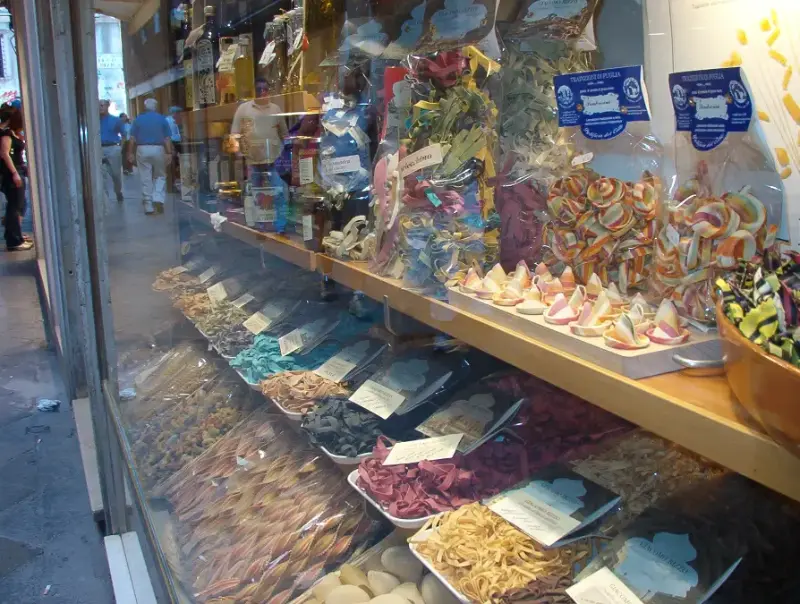
Pasta types shape how your dish tastes, cooks, and absorbs sauce. Understanding pasta types like fresh, dried, whole wheat, and gluten-free helps you cook better meals every time. Each type delivers a different texture, flavor, and cooking result. Fresh pasta creates soft, delicate dishes, while dried pasta holds rich, hearty sauces perfectly. Whole wheat pasta adds fiber and a nutty flavor, and gluten-free pasta supports dietary needs without sacrificing variety.


Table of Contents

  1. What Are Pasta Types
  2. Fresh Pasta vs Dried Pasta
  3. Whole Wheat Pasta Explained
  4. Gluten-Free Pasta Guide
  5. Pros and Cons of Gluten-Free Pasta
  6. Key Differences Between Pasta Types
  7. How to Choose the Right Pasta Type
  8. Expert Cooking Tips
  9. FAQs
  10. Conclusion & Call to Action

What Are Pasta Types

Pasta types refer to how pasta is made, processed, and the ingredients used. While shapes matter, the type of pasta determines texture, flavor, and cooking behavior. For a deeper understanding of shapes and pairings, explore your Pasta Shapes Guide and Pasta Sauces Guide.

The four main categories include:

  • Fresh pasta
  • Dried pasta
  • Whole wheat pasta
  • Gluten-free pasta

Each type serves a different purpose in cooking.

Pasta Sauces


Fresh Pasta vs Dried Pasta

Understanding the difference between fresh pasta and dried pasta helps you choose the right type for your dish. You can also improve your results by following this Pasta Cooking Methods Guide.

Fresh Pasta

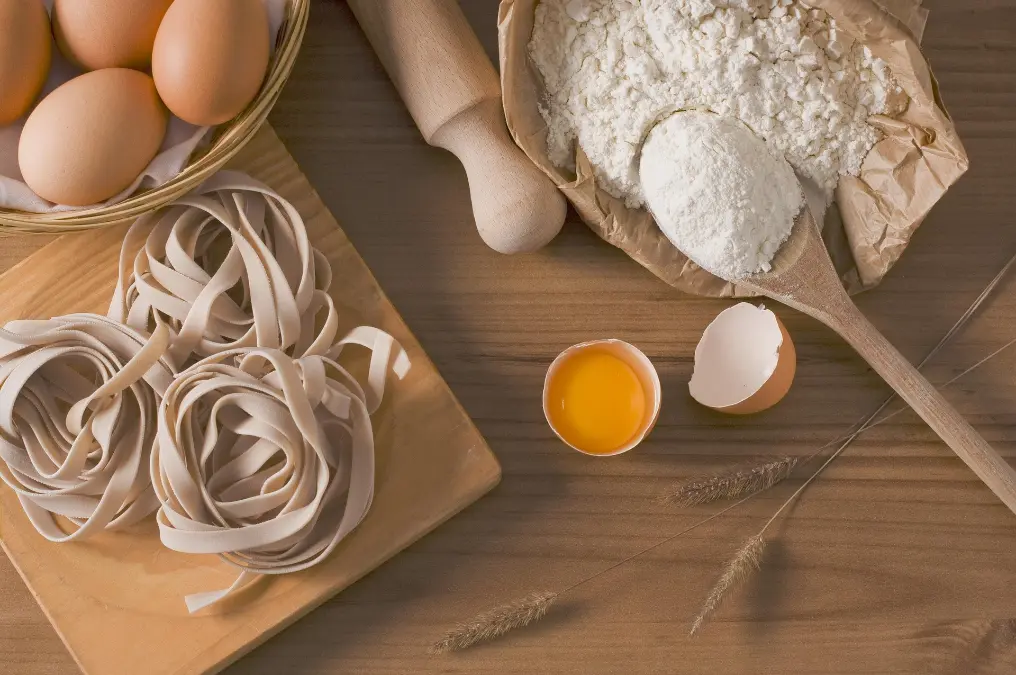
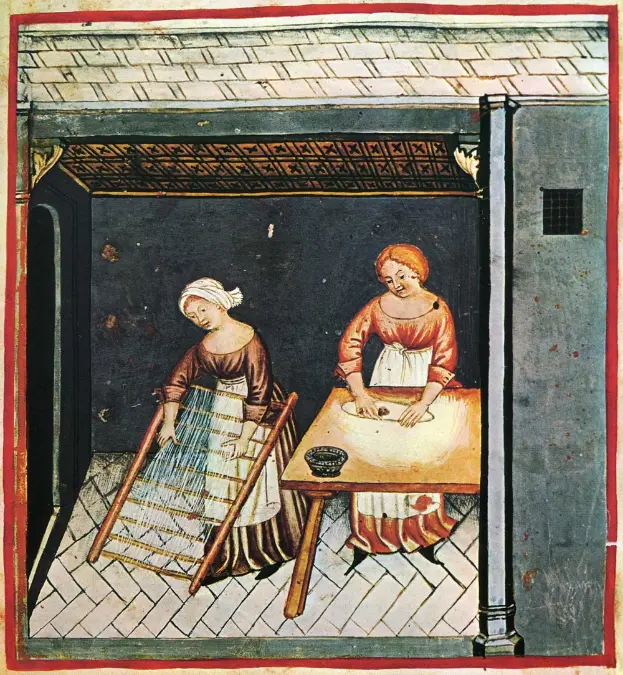
Fresh pasta is made with eggs and flour. It has a soft texture and cooks quickly.

Best for:

  • Creamy sauces
  • Delicate dishes like ravioli or tagliatelle

Pros:

  • Rich flavor
  • Tender texture

Cons:

  • Short shelf life
  • Requires refrigeration

Dried Pasta

Dried pasta is made from semolina flour and water. It is shelf-stable and widely used.

Best for:

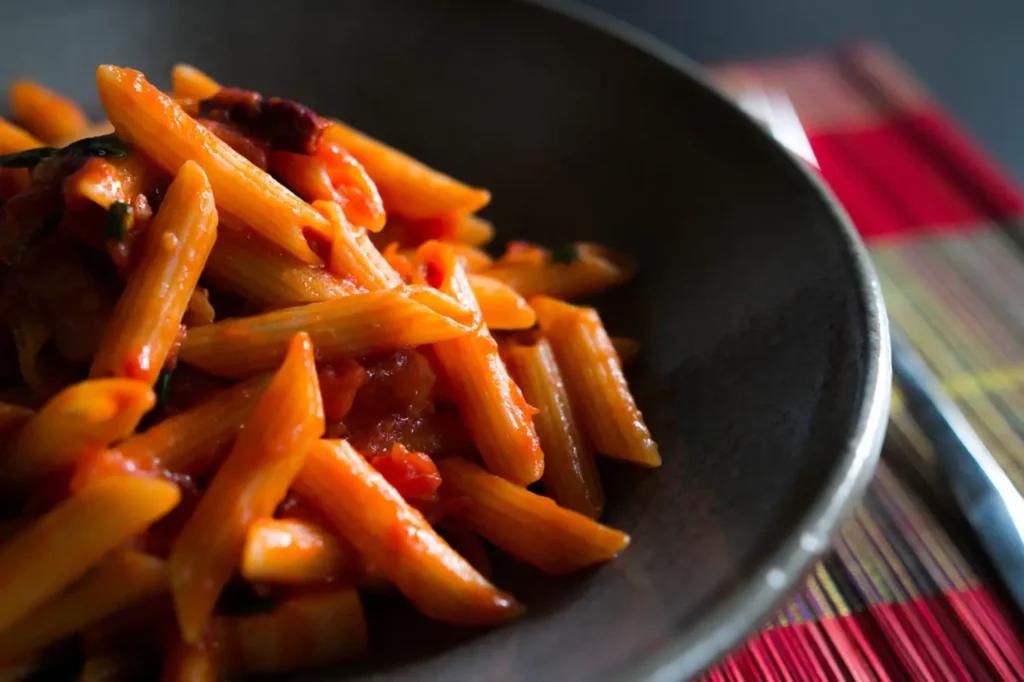
  • Tomato-based sauces
  • Hearty dishes

Pros:

  • Long shelf life
  • Firm texture (al dente)

Cons:

  • Less rich than fresh pasta

Expert Insight

According to Encyclopaedia Britannica, dried pasta’s durability comes from its low moisture content, making it ideal for storage and transport.
For a deeper culinary explanation, see Serious Eats guide on how to cook pasta properly and Barilla’s pasta cooking tips.


Practical Tip

Use fresh pasta for light, creamy dishes. Choose dried pasta for sauces that need structure and grip.


Whole Wheat Pasta Explained

Whole wheat pasta uses the entire grain, including bran and germ. This makes it more nutrient-dense than refined pasta.

Nutritional Benefits

  • Higher fiber
    Supports digestion and satiety
  • More vitamins and minerals
    Includes B vitamins, iron, and magnesium
  • Lower glycemic impact
    Helps maintain stable blood sugar levels
  • Alt='' Rigatoni Pasta

Taste and Texture

  • Nutty flavor
  • Slightly denser texture

Best For

  • Health-focused meals
  • Balanced diets

Expert Insight

Guidance from Harvard T.H. Chan School of Public Health supports whole grains for improved digestion and long-term health. You can also review Mayo Clinic nutrition advice on whole grains for additional authority.


Gluten-Free Pasta Guide

Gluten-free pasta is made from alternatives like rice, corn, quinoa, or lentils.

Best For

  • People with gluten intolerance
  • Individuals with celiac disease

Key Features

  • Wide ingredient variety
  • Nutritional variation depending on source

Expert Insight

According to Harvard T.H. Chan School of Public Health, gluten-free diets are essential for those with celiac disease. For more details, refer to the Celiac Disease Foundation dietary guidelines.

Alt='' Pasta Cooking


Pros and Cons of Gluten-Free Pasta

Pros

  • Suitable for gluten intolerance and celiac disease
  • Supports digestive health when required
  • Variety of ingredients
  • Often higher in protein and fiber

Cons

  • Texture can vary
  • Can become mushy if overcooked
  • Flavor differences
  • Usually more expensive

Expert Tip

Cook gluten-free pasta al dente and pair it with thicker sauces. Learn more in your How to Cook Pasta Perfectly ” guide.


Key Differences Between Pasta Types

FeatureFresh PastaDried PastaWhole Wheat PastaGluten-Free Pasta
IngredientsEggs + flourSemolina + waterWhole grain wheatRice, corn, lentils
TextureSoftFirmDenseVaries
Cooking Time2–4 min8–12 min9–12 min6–10 min
Shelf LifeShortLongLongMedium
Best UseCreamy dishesHearty saucesHealthy mealsDietary needs

How to Choose the Right Pasta Type

Choosing the right pasta depends on your dish and dietary needs. For better pairing, see your Best Pasta Shapes for Sauces Guide.

Use fresh pasta if:

  • You want a soft texture
  • You are making delicate sauces

Use dried pasta if:

  • You need structure
  • You are cooking tomato or meat sauces

Use whole wheat pasta if:

  • You want more fiber
  • You prefer a nutty taste

Use gluten-free pasta if:

  • You have gluten sensitivity
  • You want alternative grains

Expert Cooking Tips

Universal Tips

  • Salt your water generously
  • Reserve pasta water for sauce binding
  • Match pasta type with sauce

Fresh Pasta

  • Cook for 2 to 4 minutes
  • Use gentle boiling
  • Pair with light sauces

Dried Pasta

  • Cook until al dente
  • Stir early to prevent sticking
  • Finish cooking in the sauce

Whole Wheat Pasta

  • Cook slightly longer
  • Taste frequently
  • Pair with robust sauces

Gluten-Free Pasta

  • Avoid overcooking
  • Stir gently
  • Follow package instructions

For professional-level techniques, refer to Barilla cooking academy resources and National Pasta Association recipes via Share the Pasta.


FAQs

Q: What are the main types of pasta?
The main types are fresh, dried, whole wheat, and gluten-free. According to Encyclopaedia Britannica, pasta variations developed based on ingredients and preservation methods.

Q: Is fresh pasta better than dried pasta?
Fresh pasta suits delicate dishes, while dried pasta works better with hearty sauces. See your Pasta Cooking Methods Guide.

Q: Is whole wheat pasta healthier?
Yes, it contains more fiber and nutrients. Harvard T.H. Chan School of Public Health supports whole grains for better health.

Q: Does gluten-free pasta taste different?
Yes, texture and flavor vary depending on ingredients like rice or lentils.

Q: Which pasta holds sauce best?
Dried pasta holds sauce best due to its firm texture. Culinary experts at Serious Eats emphasize using bronze-cut pasta for better adhesion of the sauce.


Q: Can I mix fresh and dried pasta in one recipe?
It is not recommended because fresh and dried pasta have different cooking times and textures. Cooking them separately ensures better results.


Q: Which pasta type is best for creamy sauces?
Fresh pasta is best for creamy sauces because its soft texture absorbs and blends well with rich, smooth sauces.


Q: Which pasta type is best for tomato-based sauces?
Dried pasta works best for tomato-based sauces due to its firm structure and ability to hold thicker, robust sauces.


Q: Is gluten-free pasta suitable for everyday eating?
Yes, but it is mainly recommended for those with gluten intolerance. For others, whole wheat or regular pasta may offer a more balanced nutritional profile.


Q: Does whole wheat pasta cook differently from regular pasta?
Yes, whole wheat pasta usually takes slightly longer to cook and has a firmer texture. It is best to taste-test during cooking.


Q: Why is dried pasta more popular worldwide?
Dried pasta is widely used because it has a long shelf life, is affordable, and is easy to store and transport.


Q: What pasta type is highest in protein?
Legume-based gluten-free pasta, such as lentil or chickpea pasta, is higher in protein than traditional pasta.


Q: How do I prevent pasta from sticking together?
Use a large pot with plenty of water, stir during the first few minutes, and avoid adding oil. Proper stirring is the key.


Q: Can pasta type affect weight management?
Yes, whole wheat and high-protein pasta options can help with satiety and portion control, which supports weight management.


Q: What is the best pasta type for kids?
Dried pasta is usually best for kids because of its familiar texture and mild flavor. Shapes also make eating more enjoyable.


Q: What pasta type is best for salads?
Dried pasta is best for salads because it holds its shape after cooling and mixes well with dressings and vegetables.


Q: Is fresh pasta always better for taste?
Fresh pasta offers a richer taste, but dried pasta can deliver better results in dishes with strong sauces. The best choice depends on the recipe.


Q: Can I substitute dried pasta for fresh pasta?
Yes, but you need to adjust the cooking time and the quantity of the sauce. Fresh pasta cooks faster and absorbs sauces differently.


Q: Which pasta type is easiest to digest?
Whole wheat pasta supports digestion due to its fiber content, while gluten-free pasta is easier for those with gluten sensitivity.


Q: Why does whole wheat pasta taste different?
Whole wheat pasta contains the bran and germ, giving it a nutty and slightly earthy flavor compared to refined pasta.


Q: Does pasta type affect calorie content?
Yes, whole-wheat and legume-based pasta may have different calorie and nutrient profiles than regular pasta.


Q: Which pasta type is best for high-protein diets?
Legume-based gluten-free pasta, such as chickpea or lentil pasta, is best for high-protein diets.


Q: Can gluten-free pasta be cooked the same way as regular pasta?
Not exactly. Gluten-free pasta requires more careful timing and gentle handling to avoid breaking or becoming mushy.


Q: What pasta type is best for baked dishes?
Dried pasta is ideal for baked dishes like lasagna or casseroles because it holds its structure during longer cooking times.


Q: Is it okay to eat pasta every day?
Yes, pasta can be part of a healthy diet when balanced with vegetables, protein, and proper portion sizes.

Conclusion & Call to Action

Understanding pasta types helps you cook smarter and improve every dish. Fresh pasta offers softness, dried pasta provides structure, whole wheat adds nutrition, and gluten-free options support dietary needs. Choosing the right pasta type allows better sauce pairing, improved texture, and more balanced meals every time.

Now it’s your turn to apply this knowledge. Start experimenting with different pasta types in your kitchen and notice how each one transforms your dish. For even better results

Use this guide to choose the perfect pasta every time. Explore your Pasta Shapes Guide, Pasta Sauces Guide, and Pasta Cooking Methods Guide to build strong topical authority and improve your rankings. Take the next step and upgrade your cooking with the right pasta choices today


2 Responses

  1. Aw, this was an extremely good post. Finding the time and
    actual effort to make a really good article… but what can I say…
    I put things off a whole lot and never seem to get anything done.

Leave a Reply

Your email address will not be published. Required fields are marked *