
Vermicelli Pasta: The Thin Noodle Loved Worldwide
Vermicelli pasta is a thin, delicate pasta that appears in many cuisines around the world. Vermicelli pasta is known for its fine strands, which cook quickly and work well in soups, light sauces, and stir-fried dishes.
Table of Contents
What is Vermicelli Pasta
History & Origins of Vermicelli Pasta
Types & Ingredients
Nutritional Value of Vermicelli Pasta
How to Cook Vermicelli Pasta Perfectly
Vermicelli Pasta in Global Cuisines
Vermicelli Pasta: Everyday Recipes & Serving Ideas
Tips & Mistakes to Avoid
FAQ
Call to Action
What Is Vermicelli Pasta?
Vermicelli pasta is a skinny, thread-like pasta or noodle. The word comes from Italian verme (worm) + -celli (diminutive), so it literally means “little worms.” In practice, it refers to fine, long strands, thinner than spaghetti but thicker than angel hair in many contexts.
Some of them are made from wheat flour, while others are made from rice or other starches, depending on regional food traditions.
Don’t forget to benefit from our Ravioli pasta Guide
History & Origins of Vermicelli Pasta
Its roots are mixed and span several culinary traditions.
In Italian cuisine, it has been a staple for centuries as one of the classic long-pasta shapes, often used in lighter sauces and seafood preparations.
Rice noodles (often called rice vermicelli) originated in Asian cuisines (Vietnam, Thailand, China, etc.), where thin rice threads are a staple in soups, salads, and stir-fries.
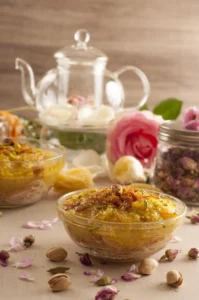
In the Middle East and South Asia, it also appears in desserts and sweet dishes (such as seviyan) as well as in savory meals.
Through trade and migration, it has evolved, adapting to changes in shape, ingredients, thickness, and method of use.
Types & Ingredients of Vermicelli Pasta
It isn’t one uniform thing. Here are the key types:
| Type | Main Ingredient(s) | Character / Use |
|---|---|---|
| Wheat | Durum wheat semolina or wheat flour | More robust, it holds together well and works well with cream, tomato sauces, and seafood. San Remo’s product is one example. Sanremo.co.nz |
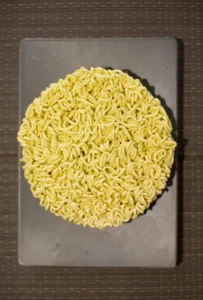
| Egg-noodle | Wheat + eggs | Richer flavor, with a more yellow tone, ideal for soups or simple sauces. sanremo.co.nz+1 |
| Rice | Rice flour and water | Light, translucent, soft texture; popular in Asian and Southeast Asian dishes. |
| Sweet vermicelli/dessert vermicelli (seviyan, etc.) | Wheat or semolina, milk, sugar, sometimes roasted | Used in sweet contexts, such as puddings and milk-based desserts. |
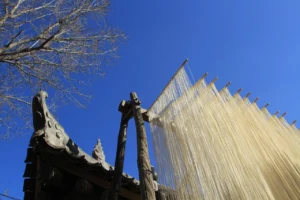
Also, the thickness varies. Some are wonderful threads, while others are slightly thicker. The thickness of the meat affects cooking time, texture, and its suitability for various uses.
Nutritional Value of Vermicelli Pasta
Understanding what you get from it helps you plan better meals. Here are typical nutritional numbers (will vary by ingredient and whether raw or cooked):
Calories: Approximately 157 kcal per 100g of cooked vermicelli. FatSecret
Carbohydrates: Major component (~30-45g per 100g cooked). FatSecret+2FatSecret+2
Protein: Around 5-8g per 100g cooked in wheat varieties. FatSecret+2FatSecret+2
Fat: Low in fat, less than 1-2g per 100g cooked unless enriched or added ingredients like eggs. sanremo.co.nz+2FatSecret+2
Fiber: Moderate; likely 1-3g, depending on whether the ingredient is refined or whole. sanremo.co.nz+2FatSecret+2
Vitamins/minerals vary less uniformly. Wheat kind provides some iron, as well as possibly B vitamins; rice or starch-only types offer fewer nutrients unless fortified.
How to Cook Vermicelli Pasta Perfectly
What’s the best way to cook vermicelli without turning it mushy?
Perfect one depends on understanding the type you’re using and handling it gently. Because the strands are thin, small timing errors matter.1) Know your vermicelli type
It comes in several forms, and each cooks differently.- Wheat or egg vermicelli: Firmer, suited to sauces and Mediterranean dishes.
- Rice vermicelli: Very delicate, common in Asian soups, salads, and stir-fries.
- Sweet vermicelli: Used in desserts and treated separately.
Always identify the type before cooking.
2) Use plenty of water and start hot
Bring a large pot of water to a rolling boil. Salt well for wheat or egg types. Add the pasta and stir gently for the first 30–60 seconds to help the strands separate and not clump.3) Watch the clock closely
- Thin wheat vermicelli: About 5–7 minutes
- Rice vermicelli: Often just a few minutes, or a hot-water soak followed by a brief boil
Taste early. Vermicelli should be tender with a slight bite. Overcooking happens fast.
4) Rinse only when appropriate
Rinse rice vermicelli or any type used for cold dishes or salads. This stops cooking and removes surface starch that causes sticking.
Do not rinse wheat type destined for hot sauces.5) Drain thoroughly
Drain well in a colander and shake off excess water. Standing water dilutes flavor and causes sogginess.6) Finish immediately with sauce or fat
Toss it with sauce, butter, olive oil, or dressing right away. This keeps strands separate, adds flavor, and helps the pasta absorb seasoning evenly.Handled this way, it stays light, separate, and perfectly textured, whether you’re serving it hot in a sauce or chilled in a salad.
- Our cappelitti pasta, Soba pasta Guides are valuable
Vermicelli Pasta In Global Cuisines
It shows up everywhere. Here’s a tour:
Italian: A wheat-based type with light tomato or cream-based seafood sauces. Because it’s thinner than spaghetti, the sauce-to-noodle ratio is different.
Vietnamese / Southeast Asia: Rice vermicelli in bowls and salads — think bún thịt nướng (cold rice vermicelli with grilled pork & herbs). Wikipedia
Taiwan: Dishes like oyster vermicelli (with misua or Chinese vermicelli + oysters) in soup form. Wikipedia
Middle East/North Africa: It is commonly used in soups, such as harira, and also appears in desserts.
South Asia: Sweet seviyan, payasam, or kheer (milk with sweet vermicelli, nuts, spices).
Each region tweaks the thickness, cooking method, and accompanying flavors (herbs, spices, sauces), but keeps its identity as a delicate thread.
Easy Asian Stir Fry Vegetable VERMICELLI Noodle Recipe
Vermicelli Pasta: Everyday Recipes & Serving Ideas
Here are some ideas with variety:
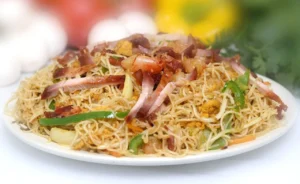
Stir-fry with pork or chicken: Use wheat or egg type, toss with soy sauce, garlic, ginger, and spring onions.
Its Soups: Rice vermicelli in clear broths (with seafood, chicken, or vegetables).
Cold noodle salads: Rice vermicelli, fresh herbs, crunchy veggies, and a tangy dressing.
Sweet dessert: Roast it in butter, then simmer in milk or coconut milk with cardamom, sugar, and nuts.
Vermicelli with tomato & cream sauces: Ideal with longer wheat vermicelli, especially when paired with seafood or mild cheeses, as the flavors are well-balanced.
A recipe from San Remo: Vermicelli Chili Pork Stir-Fry. It uses egg noodles, sesame, garlic & hoisin—flavorful and straightforward.
Tips & Mistakes to Avoid
Here are pitfalls I see people often make (I’ve been guilty too) and how to dodge them:
Over-soaking or over-boiling rice vermicelli → mush.
Skipping rinse for cold dishes → noodles stick together.
Too much salt in the cooking water or sauce → the flavor overwhelms it.
Using heavy sauces with fine vermicelli → the sauce drowns the strand instead of enhancing it.
Not using enough water → when cooking wheat type, it clumps if crowded in pthe ot.
- Many pasta problems, such as a mushy texture, a bland taste, or poor sauce coverage, stem from missing key fundamentals. The solution is simple: focus on proper cooking methods, water science, and pairing pasta shapes with the right sauces. A complete pasta cooking guide, combined with knowledge of water science for pasta, the best pasta for each sauce, and common pasta mistakes, helps you fix errors and achieve perfectly cooked pasta every time.
- Pastina Pasta: 7 Reasons It’s the Ultimate Comfort Food
- Best Pasta for Alfredo Sauce: 7 Picks for Creamy Perfection
- Pasta Shape and Sauce Pairing Guide: 7 Secrets of Success
- Strozzapreti Pasta: 7 Facts & How to Cook It Perfectly
- Alphabet Pasta: 7 Best Secrets for Fun Tiny Soup Shapes
- Are our valuable contributions and informational hubs.
FAQs
Q: What is the difference between wheat vermicelli pasta and rice vermicelli?
Wheat type is made with wheat flour or semolina, and sometimes with eggs. It has a firmer texture and holds its shape well, which makes it suitable for heavier sauces, baked dishes, and Mediterranean-style recipes.
Rice vermicelli is made from rice flour. It cooks very quickly, becomes softer and more delicate, and is widely used in Asian soups, stir-fries, salads, and cold noodle dishes. The two types behave very differently and are not interchangeable in most recipes.
Q: How long does it take to cook?
Cooking time depends on the type and thickness.
- Rice vermicelli often takes only a few minutes and sometimes just needs soaking in hot water, then a brief boil.
- Wheat vermicelli usually cooks in 5–7 minutes if thin, slightly longer if thicker.
Always follow package instructions and taste-test early, as overcooking quickly turns vermicelli mushy.
Q: Can I reuse leftovers?
Yes. Let it cool completely, then toss it lightly with oil to prevent sticking. Store it in the refrigerator for up to 2–3 days.
To reheat:
- Wheat type can be briefly submerged in boiling water.
- Rice type reheats best when steamed or microwaved with a little moisture.
Q: Is it gluten-free?
Only the one made from rice or other non-gluten grains is gluten-free. Wheat- and semolina-based products contain gluten. Always check the packaging carefully if gluten avoidance is important.
Q: How do I stop it from sticking together?
Use plenty of water, stir gently during the first minute of cooking, and avoid overcrowding. Rice type can be rinsed after cooking if the recipe allows. For wheat vermicelli, toss immediately with sauce or a small amount of oil after draining.
Q: What is the difference between vermicelli pasta and spaghetti?
They are both long, strand-shaped pastas, but they differ in thickness and culinary use. Vermicelli pasta is thinner and lighter, often used in soups, delicate pasta dishes, and even desserts. Spaghetti is thicker and better suited to rich sauces like marinara, Carbonara, or meat ragù.
In Italian cooking, vermicelli pasta is simply a thinner pasta than spaghetti. In Asian cuisines, however, the term “vermicelli” often refers to rice or mung bean noodles, which are completely different from Italian pasta.
Q: Is vermicelli the same as angel hair pasta? A: While they look incredibly similar due to their fine, delicate strands, they are not the same. In traditional Italian pasta grading, vermicelli is actually slightly thicker than spaghetti, whereas angel hair (capellini) is the thinnest pasta available. However, in American and Asian markets, the term “vermicelli” is almost exclusively used to describe thread-thin noodles (especially rice threads), making them visually interchangeable in recipes even if their core ingredients differ.
Q: What are the best substitutes for vermicelli noodles? A: The best substitute depends entirely on the style of your dish:
For Mediterranean/Italian dishes: Thin spaghetti, capellini (angel hair), or fettuccini work perfectly.
For Asian stir-fries and soups: Rice sticks, thin mai fun noodles, glass noodles (cellophane noodles), or even finely shredded ramen noodles can mimic the quick-cooking texture.
Q: Do you need to boil rice vermicelli, or can you just soak it? A: For many stir-fry and salad applications, you do not need to boil rice vermicelli. Soaking the delicate rice strands in warm or hot water for 10–15 minutes is often enough to soften them perfectly without risk of them turning mushy. You only need a brief 1–2 minute boil if you are adding them directly into hot soup broths right before serving.
Q: What is the difference between rice vermicelli and glass noodles (cellophane noodles)? A: The main difference lies in the starch source, which completely alters their cooked appearance and texture:
Rice vermicelli is made from rice flour and turns a solid, matte white color after cooking.
Glass noodles (also called cellophane or bean thread noodles) are made from mung bean, sweet potato, or pea starch. They cook up completely transparent (glass-like) and have a much chewier, gelatinous texture.
Q: Can you freeze cooked vermicelli pasta? A: Yes, you can freeze cooked wheat or rice vermicelli, though it requires care to prevent a mushy texture upon thawing. Portion the completely cooled, oil-tossed noodles into airtight, freezer-safe bags, pressing out excess air. Freeze for up to two months. To reheat, skip thawing entirely and submerge the frozen noodle block directly into a pot of boiling water or hot broth for a brief 30–60 seconds just to heat them through.
Q: Is vermicelli pasta considered a low-glycemic food? A: It depends entirely on the base ingredient. Traditional wheat-based vermicelli made from durum wheat semolina has a moderate glycemic index (GI), especially if cooked al dente, as the compact starch structure slows down digestion. Conversely, standard white rice vermicelli or rice threads digest much quicker and carry a higher glycemic index. If you are looking for a strictly low-GI option, choose glass noodles made from mung bean starch, which cause a much slower, sustained rise in blood sugar levels.
Q: How do you keep vermicelli noodles from clumping in a stir-fry? A: To ensure perfectly separated strands in a stir-fry, follow the soak, rinse, and oil method:
Soak or boil the noodles until they are just al dente (they will finish cooking in the wok).
Immediately rinse them under cold running water to stop the cooking process and wash away excess surface starch.
Drain them thoroughly, then toss them with a few drops of sesame oil or vegetable oil before tossing them into your stir-fry over high heat.
In short, both belong to the family of long noodles, but their texture, thickness, ingredients, and traditional uses set them apart.
Summary
This comprehensive guide unlocks how to cook vermicelli pasta perfectly, ensuring a clean texture without clumping or turning mushy. It explores the diverse culinary definitions of this delicate noodle—noting that while Italian wheat vermicelli is historically thicker than spaghetti, Asian variations like rice vermicelli are prized for their thread-thin, translucent strands.
The post details essential culinary techniques, including proper water science, strategic salt use, and the critical “soak, rinse, and oil” method to prevent sticking in a stir-fry. It outlines the distinct behavior of different noodle types, detailing the ingredient variances between wheat-based pasta, egg noodles, and glass noodles (cellophane or bean thread noodles).
Finally, the guide provides an insightful tour of global cuisines—ranging from Mediterranean seafood pairings to Vietnamese bún bowls, Taiwanese misua oyster dishes, and sweet South Asian seviyan desserts. It serves as an everyday recipe resource and troubleshooting guide to help home cooks master the thin noodle loved worldwide.
Conclusion
It may look delicate, but it rewards careful handling. When you understand the type you’re working with and respect its short cooking time, vermicelli pasta delivers clean texture and balanced flavor without clumping or turning soft. Whether it’s wheat-based for sauces, rice-based for soups and salads, or used in lighter dishes, this thin pasta adapts beautifully when cooked with intention.
Mastering Vermicelli Pasta comes down to a few habits: plenty of water, close attention to timing, and finishing it properly with sauce or fat. Get those right, and vermicelli pasta becomes one of the most versatile and reliable strands in your kitchen.
Call to Action
Put these tips into practice in your next meal. Try it in a light soup, a chilled noodle salad, or a simple olive oil-and-garlic preparation to appreciate how well it performs when treated properly.
Explore more pasta guides, cooking techniques, and shape comparisons on PastaLoverz.com. Save this guide, share it with fellow home cooks, and keep building confidence by choosing the right pasta for every dish.
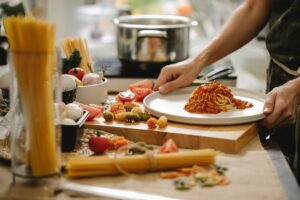
💡 Pro Tip: If you are using wheat-based vermicelli for an Italian or Mediterranean dish, try toasting the dry strands in a pan with a tablespoon of olive oil or butter for 2–3 minutes before boiling. This brief roasting process creates a beautiful golden hue and adds a rich, nutty depth of flavor that pairs beautifully with garlic and seafood sauces!
.

Syed Yasar Arafat is the founder of PastaLoverz.com and a food research enthusiast with a focused interest in pasta varieties, traditional Italian cuisine, and balanced eating. Through PastaLoverz.com, he publishes well-researched articles that explain pasta types, cooking methods, and nutritional considerations in clear, practical terms to help readers make informed food choices.

Merely a smiling visitor here to share the love (:, btw outstanding layout.
THANKS
I like this site so much, bookmarked.
As a Newbie, I am permanently exploring online for articles that can aid me. Thank you