
Fregula (also spelled fregola) is a Sardinian pasta made of tiny, irregular beads of semolina dough that are dried and then toasted in the oven. The toasting gives the beads colours from pale yellow to deep amber and a nutty, slightly smoky flavour that plain dried pasta does not have. They hold their shape in broth and absorb flavour well, which is why fregula is a favourite for seafood dishes, soups and salads.
This guide covers where it comes from, how it differs from Israeli couscous and orzo, two ways to cook it, classic dishes, and how to find the real thing.

Origins
Sardinia is an island with a strong food identity, and fregula is one of its oldest staples. The name is thought to come from the Latin fricare, “to rub”, which describes how it was traditionally made. Cooks would sprinkle coarse semolina with salted water in a wide terracotta bowl called a scivedda and rub the mixture in circles with their fingertips until small beads formed.
Some food historians connect fregula to North African couscous-making techniques, and trace it back as far as the Middle Ages, though the details are debated. Sardinians regard it as their own. You can see the traditional method in a Pasta Grannies video, 91-year-old Bonaria makes fregula with clams.
Why toasting matters
After the beads are formed and air-dried, they are roasted in an oven. This does two things:
- Flavour: browning creates savoury, nutty, toasted-bread notes.
- Texture: the heat hardens the surface, so the beads stay chewy in hot broth rather than going soft.
Because fregula is irregular, the colour and flavour vary within the same bag, and that variation is a sign of a properly made product.
Fregula, Israeli couscous and other small pasta
The beads look similar, but they behave differently in the pot.
| Feature | Fregula | Israeli couscous | Orzo | Stelline |
| Origin | Sardinia | Israel, 1950s | Mainland Italy | Mainland Italy |
| Made | Rolled, then toasted | Machine-extruded and toasted | Extruded rice-shaped | Extruded stars |
| Surface | Rough, porous | Smooth, uniform | Smooth | Smooth |
| Flavour | Nutty, toasted | Neutral | Mild | Mild |
| Best in | Seafood dishes, soups, risotto style | Salads, sides | Soups, salads, bakes | Clear broth |
If you cannot find fregula, toasted orzo is the closest in flavour, and Israeli couscous is the closest in shape. To toast orzo, stir it in a dry pan until golden before boiling. See also our guides to stelline and pastina.
How to cook fregula
Method 1: Boil it like pasta
- Bring a large pot of salted water to a boil.
- Add the fregula and cook for about 10 to 12 minutes, tasting from 10.
- Drain. Rinse only if you are making a cold salad.
- Toss with sauce or dressing.

Method 2: The risotto method
Many cooks prefer this, since it builds a creamy sauce without cream.
- Soften onion and garlic in olive oil.
- Add the fregula and toast it for a minute.
- Deglaze with white wine.
- Add hot vegetable or seafood broth a ladle at a time, stirring, until absorbed and the beads are tender but still firm.
The starch released into the broth thickens it naturally. A video of this approach with clams is here.
Classic ways to use it
Fregula con arselle (with clams)
The iconic Sardinian dish. The fregula cooks directly in a broth made from clams, garlic, parsley and tomato, so the porous beads soak up the briny liquor.
Soup and minestrone
It holds its shape better than many small pasta shapes, and it does not fall apart if the soup is reheated the next day.
Salads
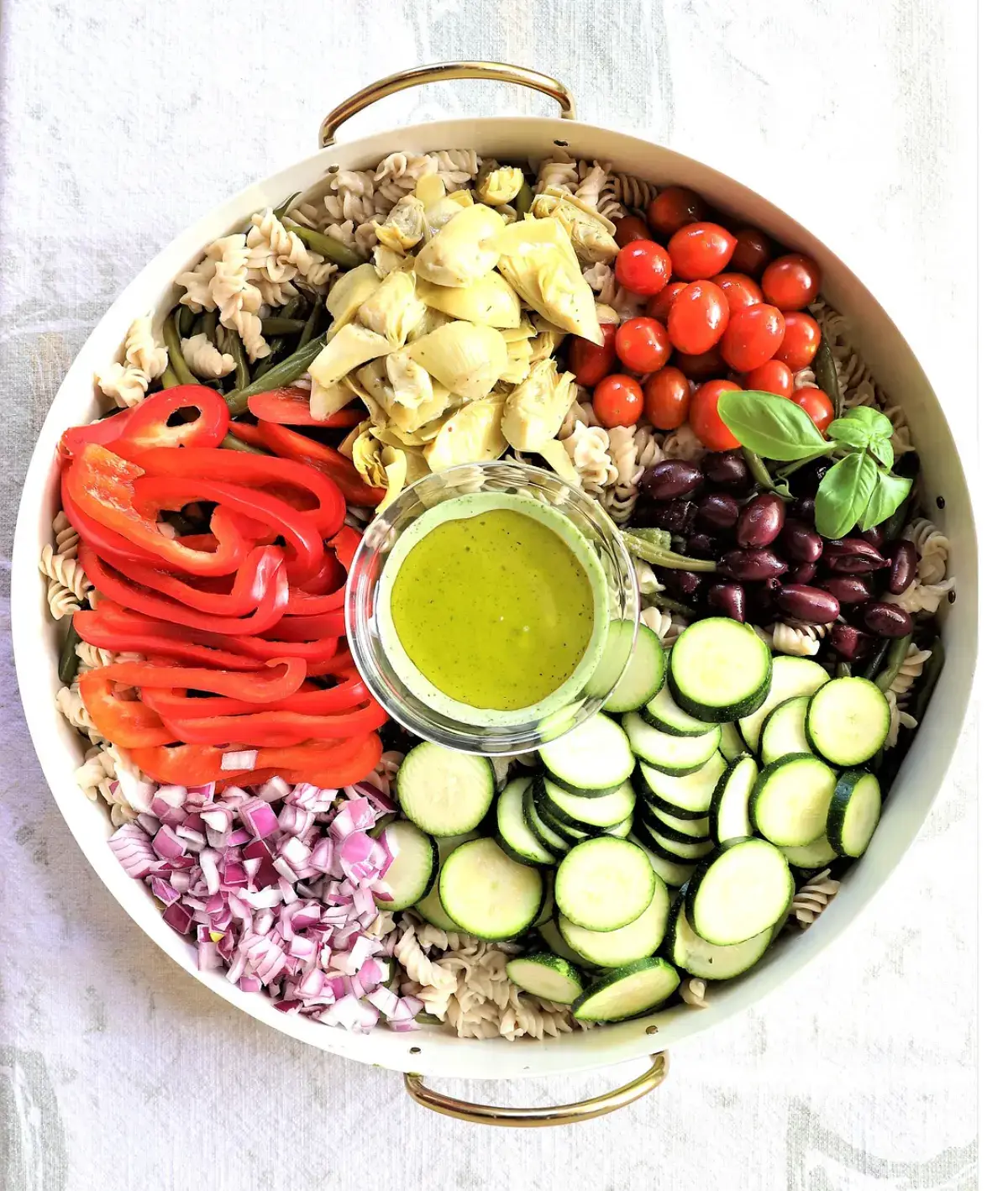
Boil it and toss with roasted courgette, sun-dried tomatoes, mint and feta. The nutty notes go well with roasted vegetables.
Make your own
You need coarse semolina, water, and a wide bowl. Sprinkle a little salted water over the semolina and rub it in circles with your fingertips until small beads form. Sift out the oversize ones, dry them on a tray, then roast them on a baking tray at about 150 °C (300 °F) for around 15 minutes until golden. It takes patience, but the result is very different from shop-bought pasta.
Nutrition
Fregula is made from durum wheat semolina, so it provides steady carbohydrate energy and a moderate amount of protein, plus carotenoids that give semolina its yellow colour. It contains gluten, so it is not suitable for people with coeliac disease. Pairing it with legumes, vegetables or seafood makes a balanced meal.
Buying fregula
- Try Italian delis, specialist shops, and the international or gourmet aisle of a supermarket.
- Check the label: traditional fregula lists durum wheat semolina and water. Egg is not part of the traditional recipe.
- Look for variation in colour in the bag, which suggests uneven roasting.
- Stored in an airtight container in a cool, dark place, dried fregula keeps for a long time.
Common questions
Is fregula gluten-free?
No. It is made from wheat.
Is it vegan?
The traditional recipe is semolina and water, so yes. Check the label of any packaged brand.
Why are the beads different colours?
They roast unevenly because they are irregular. It is a sign of a traditional product.
Is it good in soup?
Yes. The toasted surface keeps its bite and does not swell and absorb all the broth.
More to read
For the basics of timing and salting, see pasta cooking and pasta water. For matching sauces to shapes, try our pasta pairing guide and the sauces guide.
Related guides: compare other small shapes in best pasta for soup, find swaps in the pasta substitution chart, or browse the pasta shapes A to Z.

Syed Yasar Arafat is the founder of PastaLoverz.com and a food research enthusiast with a focused interest in pasta varieties, traditional Italian cuisine, and balanced eating. Through PastaLoverz.com, he publishes well-researched articles that explain pasta types, cooking methods, and nutritional considerations in clear, practical terms to help readers make informed food choices.