
What is Capellini(Angel Hair Pasta)? Origins and Cooking Tips
Capellini (angel hair pasta) is one of the thinnest and most delicate pasta shapes in Italian cuisine. Capellini cooks quickly and pairs best with light sauces that do not overpower its fine texture.
Table of Contents
- What is Capellini (Angel Hair Pasta)?
- Origins
- Cooking the Right Way
- Best Sauces and Pairings
- Nutritional Information
- Recipe: Garlic and Olive Oil Angel Hair
- 7 Delightful Ways to Enjoy it
- Capellini in Italian and Global Cuisine
- FAQ
- Conclusion and Call to Action
What is Capellini (Angel Hair Pasta)?
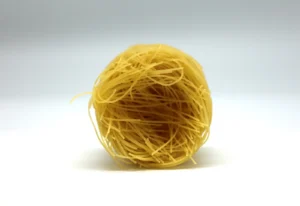
Capellini, more commonly known as Angel Hair pasta, is a long, thin variety of Italian pasta. Its name comes from the Italian word “capelli,” meaning hair. At just 0.85 to 0.92 millimeters in diameter, it is even finer than traditional spaghetti. Because of its delicate structure, Capellini pairs well with light, silky sauces.
This pasta is versatile, but it is not made to hold heavy cream sauces or chunky meat ragù. Instead, Capellini is tossed with olive oil, garlic, fresh herbs, or seafood. Its subtle texture allows simple ingredients to stand out.
Angel Hair Pasta
Origins of Capellini Pasta
It is also known as Angel Hair and has its roots in central and northern Italy. Early recipes often featured pasta in broths or with minimal seasoning, allowing the natural flavor of the wheat to come forward. Italian families would prepare it as a quick, comforting meal, especially for children, because of its soft bite.
Over time, it became popular beyond Italy. In the United States, it is often served with light tomato sauces or seafood. Its adaptability and short cooking time have made it a staple in the kitchen for busy home cooks and chefs alike.
It is also known as Angel Hair and traces its origins to central and northern Italy, where thin pasta strands have gained importance for their delicate texture and quick preparation. Historically, this pasta was used in home cooking rather than in formal cuisine, often served in clear broths or lightly dressed with butter, olive oil, or grated cheese. These simple preparations highlighted the quality of the durum wheat rather than masking it with heavy sauces.
In many Italian households, it became a practical choice for children and older people because of its soft bite and ease of digestion. Its short cooking time also made it ideal for everyday meals, especially when ingredients were limited.
As Italian immigrants carried their food traditions abroad, Angel Hair gained popularity in other parts of Europe and later in the United States. American cooks adapted it to local tastes, pairing it with light tomato sauces, garlic-based seafood preparations, and fresh herbs.
Despite these adaptations, its core identity remains unchanged: a pasta designed to showcase subtle flavors and careful cooking rather than complexity.
Today, it is appreciated both as a nostalgic comfort food and as a refined option in modern kitchens, where precision and balance matter as much as tradition.

Cooking Capellini Pasta the Right Way
Because of its thinness, Capellini requires attention while cooking. Overcooking leads to mushy strands, and clumping can occur if not stirring gently.
Tips for cooking perfectly:
- Boil water with enough salt to flavor the pasta.
- Add it and stir immediately to separate strands.
- Cook for just 2 to 4 minutes, tasting to ensure it remains al dente.
- Drain quickly and toss with warm sauce to prevent sticking.
Enjoy it immediately. Letting it sit after draining often causes the strands to clump together.
Best Sauces and Pairings for Capellini Pasta
Its beauty lies in its ability to pair with delicate, fresh flavors. Here are the most popular choices:
- Olive Oil and Garlic (Aglio e Olio): A classic combination that highlights the pasta’s delicate texture.
- Fresh Tomato Sauce: Lightly cooked cherry tomatoes or a simple marinara complement Capellini without overwhelming it.
- Seafood: Shrimp, scallops, clams, or mussels bring out its elegance.
- Herb-Based Sauces: Pesto or basil oil works beautifully.
- Vegetables Such as Zucchini, asparagus, or spinach add freshness.
Should avoid Heavy sauces like Alfredo or Bolognese since they weigh down the thin pasta.
Nutritional Information of Capellini Pasta
A standard 2-ounce (56g) serving of dry CapellCapellinides:
- Calories: about 200
- Carbohydrates: 42g
- Protein: 7g
- Fiber: 2g
Whole wheat and gluten-free versions are available for those seeking healthier options. Since it cooks quickly, it retains more of its natural texture, making it a light yet satisfying choice.
Recipe: Garlic and Olive Oil Angel Hair
One of the simplest and tastiest ways to enjoy Capellini (Angel Hair) is with garlic and olive oil. This recipe serves four and comes together in less than 15 minutes.
Ingredients
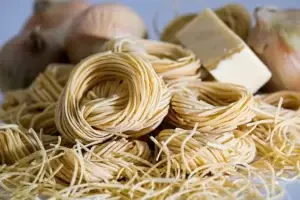
- 12 ounces Capellini pasta
- 4 tablespoons extra virgin olive oil
- 4 garlic cloves, thinly sliced
- 1 teaspoon red pepper flakes (optional)
- ½ cup chopped fresh parsley
- Salt, to taste
- Freshly grated Parmesan cheese

Instructions
- Bring a large pot of salted water to a boil.
- Cook Capellini for 2–3 minutes until al dente. Reserve ½ cup of pasta water.
- In a skillet, heat olive oil over medium heat. Add garlic and sauté until golden, being careful not to burn it.
- Stir in red pepper flakes.
- Toss drained pasta into the skillet. Add a splash of pasta water if needed to loosen the sauce.
- Sprinkle with parsley and toss again.
- Serve immediately with Parmesan cheese on top.
This simple dish lets the delicate strands shine without being overwhelmed.
7 Delightful Ways to Enjoy Capellini Pasta
Beyond the classic garlic-and-oil recipe, Capellini can be cooked in countless ways. Here are seven delicious ideas:
- Light Summer Pasta: Toss with cherry tomatoes, basil, and mozzarella.
- Seafood Delight: Serve with shrimp, clams, or crab in a light white wine sauce.
- Capellini in Soup: Add to a clear broth with vegetables for a comforting meal.
- Vegetable Mix: Combine with sautéed zucchini, mushrooms, or spinach.
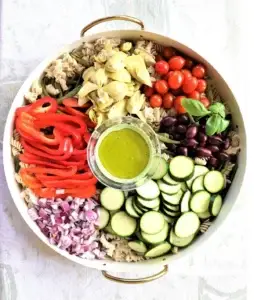
- Cold Pasta Salad: Mix with olive oil, olives, cucumbers, and feta for a refreshing salad.
- Pesto Perfection: Toss with basil Pesto for a fragrant dish.
- Classic Aglio e Olio: Garlic, olive oil, and a touch of red pepper flakes never fail.
Each of these variations highlights the pasta’s delicate nature while showcasing distinct flavors.
In Italian and Global Cuisine
In Italy, it is often a first course in multi-course meals. It is served, sometimes just with broth or a drizzle of olive oil. Outside Italy, particularly in the United States, it has taken on more creative forms. Chefs combine it with seafood, fresh herbs, or seasonal vegetables to craft elegant plates.
Global cuisines have also adopted it as a versatile substitute for thin noodles. In Asian-inspired dishes, it can replace rice noodles or vermicelli, demonstrating its adaptability beyond traditional Italian cooking.
Perfect pasta comes down to mastering a few core fundamentals: using the right cooking method, understanding how water and starch interact, pairing the right pasta with the right sauce, and avoiding common mistakes. When these elements come together, your pasta has a better texture, improved flavor, and holds sauce more effectively. To build these skills, follow a complete pasta cooking guide, learn the water science behind pasta, explore the best pasta for each sauce, and understand common pasta mistakes. These foundational techniques will help you cook better pasta every time, no matter the shape or recipe.
Capellini is a delicate, ultra-thin Italian pasta often called “angel hair” for its fine, hair-like strands. Made from durum wheat, Capellini cooks in just 2–3 minutes and pairs well with light sauces like olive oil, fresh tomatoes, or seafood, allowing its soft texture to shine without being overwhelmed (Wikipedia). Its name literally means “little hairs,” reflecting both its appearance and its elegant, refined role in Italian cuisine (Bite My Bun). For expert recipes and deeper insights, explore Capellini recipes on Bon Appétit and trusted cooking techniques from Serious Eats pasta guides.
FAQ, S
Q: Is Angel Hair pasta the same as spaghetti?
No. Angel Hair pasta is much thinner than spaghetti and has a softer, more delicate texture. It cooks faster and works best with light sauces.
Q: Is Angel Hair pasta the same as Capellini? Angel Hair is the common English name for Capellini, which refers to the same skinny pasta shape.
Q: What is the best sauce for Angel Hair pasta?
Light sauces work best. Olive oil, garlic, fresh tomatoes, herbs, and seafood-based sauces coat the strands without weighing them down.
Q: Can Angel Hair pasta be used with creamy sauces?
Only lightly. Thick cream sauces overpower Angel Hair pasta, causing clumping. If used, keep the sauce thin and minimal.
Q: How long should Angel Hair pasta be cooked?
Angel Hair pasta should be cooked for 2 to 4 minutes in boiling salted water. Overcooking makes it mushy.
Q: Does Angel Hair pasta absorb sauce quickly?
Yes. Because of its thin strands, Angel Hair pasta absorbs sauce faster than thicker pasta shapes. Add sauce immediately after draining.
Q: Can Angel Hair pasta be used for pasta salad?
Yes. Cool it quickly, then toss with olive oil to prevent sticking. Use light dressings and fresh ingredients.
Q: Can Angel Hair pasta be baked?
No. Angel Hair pasta is not suitable for baking. Extended heat breaks down its structure, resulting in a soft texture.
Q: Is Angel Hair pasta good for kids?
Yes. Its soft bite and easy digestion make it a common choice for children and older adults.
Q: Is Angel Hair pasta healthier than other pastas?
Nutritionally, it is similar to other wheat-based pastas. Whole wheat or gluten-free versions offer higher fiber or alternative nutrition.
Q: What proteins pair best with Angel Hair pasta?
Seafood such as shrimp, scallops, and crab pair best. Light poultry and eggs also work well.
Q: Can Angel Hair pasta replace spaghetti in recipes?
Yes, but adjustments are required. Reduce cooking time and use less sauce to avoid overcoating.
Q: What is the main difference between Capellini and Vermicelli?
While both are incredibly thin Italian pastas, the primary difference lies in their precise thickness and regional definitions. Capellini typically measures between $0.85\text{ mm}$ and $0.92\text{ mm}$ in diameter. Vermicelli, in Italian tradition, is actually slightly thicker than standard spaghetti. However, in English-speaking countries and Asian cuisines, “vermicelli” often refers to rice-based or cellophane noodles that are just as thin as—or thinner than—angel hair.
Q: Why does Angel Hair pasta clump together, and how do you fix it?
Angel hair pasta clumps because its high surface-area-to-volume ratio causes it to release starch quickly into the cooking water. If the starch isn’t diluted or if the strands aren’t kept moving, they bond together. To prevent clumping, always use a large volume of water, stir the pot vigorously immediately after dropping the pasta, and toss the drained noodles into your warm sauce immediately without letting them sit dry in the colander.
Q: Can you break Capellini strands in half before cooking?
Purists generally avoid breaking Capellini because the long, fine strands are designed to be swirled elegantly around a fork to hold light emulsions. Breaking them can make the delicate pasta difficult to twirl and more prone to overcooking into a mushy texture. If your pot is too small, simply submerge one end of the full-length strands into the boiling water, and within 10 seconds, they will soften enough to push completely into the pot.
Q: Is Capellini pasta suitable for a quick stir-fry?
Yes, due to its rapid cooking time, Capellini can make an excellent Western substitute for thin Asian egg noodles or rice vermicelli in stir-fries. To use it this way, boil the pasta for only 1.5 to 2 minutes so it remains slightly undercooked (very al dente). Drain it, rinse briefly with cold water to stop the cooking process, toss with a splash of sesame oil, and add it to your wok during the final minute of stir-frying with your vegetables and proteins.
Q: Why shouldn’t you rinse Capellini pasta with water after draining?
Rinsing cooked Capellini with water washes away the surface layer of natural starch that develops during boiling. This starch is crucial because it acts as a natural binding agent, helping light sauces, olive oil, and butter adhere to the delicate strands. The only exception to this rule is if you are preparing a cold pasta salad or using the noodles for a quick stir-fry, where stopping the cooking process instantly is necessary to prevent mushiness.
Q: How do you reheat leftovers of cooked Angel Hair pasta without it drying out?
Because it is so fine, reheating Capellini in a microwave usually dries it out or turns it into a rubbery clump. The best method is to reheat it on the stovetop. Heat a tablespoon of extra virgin olive oil, butter, or your leftover sauce in a skillet over low heat. Add the pasta along with a splash of water, chicken broth, or reserved pasta water, and toss gently for 1 to 2 minutes just until warmed through. The added liquid restores the starch emulsion and keeps the delicate strands silky.
Lasagne Verdi: 6 Steps to Authentic Spinach Pasta [2026]
Fregula Pasta: 7 Secrets to Unlock Its Rich, Nutty Taste
Acini di Pepe Pasta: 7 Secrets for Perfect Cooking & Uses
Above are our Valuable contributions and Informational hubs.
Helpful Video Resource
Ina Garten’s Capellini with Tomatoes and Basil
This tutorial shows how quickly Angel Hair pasta cooks and why simple tomato-and-basil sauces work best with it.
Long Thin Pasta Comparison Table
| Pasta Variety | Average Diameter | Texture & Build | Best Sauce Pairings | Ideal Recipes |
| Capellini (Angel Hair) | $0.85\text{ mm} – 0.92\text{ mm}$ | Ultra-thin, delicate strands cook rapidly | Very light emulsions, infused olive oils, warm butter, clear broths | Garlic & Olive Oil (Aglio e Olio), light seafood tosses |
| Fedelini | $1.4\text{ mm} – 1.5\text{ mm}$ | Slightly thicker than angel hair, but still highly delicate | Light tomato sauces, butter-based herb dressings | Fresh cherry tomato and basil pasta |
| Spaghettini (Thin Spaghetti) | $1.6\text{ mm} – 1.7\text{ mm}$ | Fine, but structurally sound enough to hold lightweight | Light seafood sauces, smooth pestos, and oil-based sauces | White wine clam sauce (Vongole) |
| Spaghetti | $1.9\text{ mm} – 2.0\text{ mm}$ | Robust, iconic round strands with a firm al dente core | Medium-bodied sauces, smooth meat sauces, emulsion sauces | Carbonara, Cacio e Pepe, traditional marinara |
Executive Summary: Capellini (Angel Hair) Pasta Guide
This comprehensive culinary guide explores Capellini pasta, famously known as Angel Hair pasta, celebrated across global and Italian cuisine for its ultra-fine strands and rapid cooking time. Tracing its historical roots back to the Liguria and Campania regions of Italy, this delicate egg- and durum wheat-based long pasta represents a masterclass in minimalist cooking, where precision timing stands paramount to achieving a perfect al dente texture.
The article provides essential cooking instructions to prevent clumping, outlines optimal light sauce pairings (such as classic Aglio e Olio), delivers key nutritional data, and offers versatile recipe adaptations for both traditional Italian meals and modern global fusions.
Conclusion and Call to Action
It is a pasta variety that brings elegance to even the simplest meals. Its fine strands, quick cooking time, and ability to pair with fresh, light sauces make it unique among pasta types. Whether tossed with olive oil and garlic, served with seafood, or enjoyed in a simple broth, it remains a versatile favorite.
If you haven’t tried it yet, start with the garlic-and-olive-oil recipe and experience the beauty of this delicate pasta.
For more pasta inspiration, explore other guides and recipes such as chickpea pasta, Soba pasta, and other valuable pasta Guides on Pastaloverz.com, and bring authentic Italian flavors to your kitchen.
💡 Pro Tip: The “Sauce the Pasta, Don’t Pasta the Sauce” Rule
Because Capellini (Angel Hair) has an exceptionally high surface area, it absorbs liquid and dries out far quicker than any other pasta shape. To keep your dish silky and prevent it from turning into a sticky clump, never pour your sauce on top of a plain bowl of drained Capellini.
Instead, always have your skillet of warm sauce, olive oil, or broth ready before the pasta finishes cooking. Use tongs to transfer the Capellini directly from the boiling water into the sauce skillet, bringing along a little bit of the starchy pasta water. Toss everything together over low heat for just 30 seconds to create a flawless, glossy emulsion that coats every delicate strand perfectly.

Syed Yasar Arafat is the founder of PastaLoverz.com and a food research enthusiast with a focused interest in pasta varieties, traditional Italian cuisine, and balanced eating. Through PastaLoverz.com, he publishes well-researched articles that explain pasta types, cooking methods, and nutritional considerations in clear, practical terms to help readers make informed food choices.