
1:What is Mezzelune Pasta?
Mezzelune pasta is a delicate half-moon, stuffed with rich, savory fillings that turn simple ingredients into something memorable. Unlike traditional ravioli, this elegant crescent shape is folded from a single sheet of pasta, creating a tender bite with a balanced filling in every mouthful.
So what makes mezzelune pasta so special?
In this guide, you will discover 7 irresistible reasons this stuffed Italian favorite deserves attention, how it differs from Ravioli, the best fillings to use, and the perfect sauces to elevate it. If you enjoy refined, flavor-packed pasta dishes, this classic shape delivers. tastingtable+2
2:Origin and meaning of Mezzelune Pasta
The word mezzelune literally translates to “half moons” and describes the curved, crescent shape of this stuffed pasta. The name is related to mezzaluna, the traditional curved chopping knife that moves in a rocking, moon‑like motion. wikipedia
Mezzelune is closely associated with the Alpine mountain belt between Italy and Austria, especially South Tyrol and Trentino, where similar dumplings are known as Schlutzkrapfen. In this region, fillings often feature spinach, herbs, and local cheeses, reflecting a rustic yet refined cuisine.tastingtable+1
If you enjoy learning about regional pasta traditions, you will also appreciate the story of the Ligurian stamped-coin-shaped pasta, Corzetti, in Corzette pasta history and uses, which explores its symbolism and classic sauces. For in‑depth background on Alpine stuffed pastas, you can explore the related entry on Schlutzkrapfen on this encyclopedic resource and watch a step‑by‑step “How to Make Mezzelune (Half‑Moon Stuffed Pasta)” tutorial on YouTube.Delallo+1youtube
3:Mezzelune vs. Ravioli and other stuffed pasta
Mezzelune and Ravioli use similar egg‑based doughs, but their shapes and constructions differ. Ravioli are usually square or round pockets formed from two layers of pasta, while mezzelune are single circles folded over to create a crescent; for a deeper look at Ravioli shapes and fillings, see .juliescafebakery+2
Both shapes are commonly filled with ricotta and vegetables, yet mezzelune visually emphasize the curved edge and often feature slightly larger, more dramatic pockets. Because they are made from a single folded disc, they are often considered simpler for beginners learning stuffed pasta at home.pastaevangelists+2
For a concise explanation of how mezzelune and Ravioli differ in shape and typical fillings, see this guide on Tasting Table. A short comparison of mezzelune vs. Ravioli with practical usage tips is also available on Julie’s Cafe Bakery. Once you grasp how mezzelune compare with Ravioli, it is helpful to see how other filled ring‑shaped pastas differ in size and use, which is covered in .delallo+2
Stuffed Italian Pasta Comparison
| Pasta Shape | Visual Appearance | Construction Method | Traditional Fillings | Best Paired Sauces |
| Mezzelune | Semi-circular, crescent, or half-moon shape with flat or crimped edges. | A single circle of dough is folded directly over the filling and sealed. | Ricotta with spinach, cavolo nero (Tuscan kale), local Alpine cheeses, or wild mushrooms. | Brown butter and fresh sage, light tomato sauce, or a delicate lemon-butter glaze. |
| Ravioli | Typically square or round flat pockets with scalloped, zig-zag edges. | Two separate sheets of egg pasta sandwiching dollops of filling before being cut apart. | Highly versatile: Ricotta, minced beef, pork, pumpkin (zucca), or lobster. | Hearty marinara, rich meat ragù, creamy Alfredo, or simple olive oil. |
| Tortellini | Small, ring-shaped, or navel-shaped folded pockets. | A small square or circle is folded into a triangle, wrapped around a finger, and the knots are joined. | Finely minced pork loin, prosciutto, mortadella, and Parmigiano-Reggiano. | Traditionally served in a rich capon or chicken broth (in brodo), or light cream. |
| Agnolotti | Small, rectangular, flattened pockets with a distinct folded-over lip. | A single sheet of pasta is folded over a line of filling and cut using a wheeled cutter to create pockets. | Slow-cooked roasted meats (beef, pork, or veal) and braised vegetable reductions. | The pan juices from the braised meats (sugo d’arrosto) or simple melted butter. |
4:Best fillings for Mezzelune pasta
Traditional mezzelune fillings highlight creamy dairy and tender greens, making the pasta rich yet delicate. Classic combinations include ricotta with spinach or cavolo nero (Tuscan kale), sometimes accented with Parmigiano Reggiano, nutmeg, and black pepper.pastaevangelists+2
Modern variations use mushrooms, herbs, or truffle paste to create luxurious vegetarian fillings. In the Alpine tradition, meat fillings are less typical, but home cooks and chefs sometimes incorporate finely minced meats or seafood to adapt mezzelune to their own style.bonviveur+1
For a detailed ricotta and cavolo nero filling formula, including exact quantities and seasoning advice, see this mezzelune recipe from Cook Eat World. Another elegant option featuring ricotta and cavolo nero with brown‑butter lemon sauce is outlined by Pasta Evangelists.cookeatworld+1
5:How to make Mezzelune Pasta step by step
Homemade mezzelune start with a smooth, elastic egg pasta dough that rolls out thinly without tearing. A classic ratio is “00” flour combined with whole eggs, kneaded until the dough becomes silky, and rested until it relaxes enough to be rolled.pastaevangelists+1
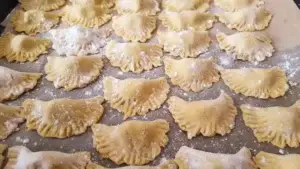
Once the dough is ready, it is rolled into thin sheets and cut into circles using a round cutter, usually around 6–7 cm in diameter. A small spoonful of filling is placed in the center of each disc, then the pasta is folded over, and the edges are pressed together carefully to form a tight seal in the half‑moon shape.bonviveur+2
For a complete step‑by‑step walk‑through with photos and measurements, see Pasta Evangelists’ method. To watch the shaping and sealing in real time, this YouTube tutorial shows how thin to roll the dough, how to cut rounds, and how to crimp the edges so they hold during cooking. youtubepastaevangelists
6:Cooking and serving suggestions for Mezzelune Pasta
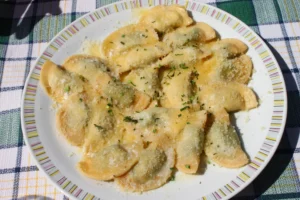
Fresh mezzelune pasta cooks quickly; once dropped into boiling salted water, they usually need only 2–3 minutes, or just until they float and turn tender yet al dente. It is important not to overcrowd the pot and to handle them gently with a slotted spoon to avoid tearing.pastaevangelists+1
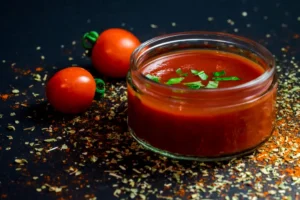
These half‑moon pasta pockets pair beautifully with simple sauces that highlight their filling rather than overpower it. Brown butter with sage, light tomato sauce, lemon‑butter, or a delicate cream reduction are all popular choices that coat the pasta without drowning it.pastaevangelists+2
Understanding how sauces cling and flow over different shapes is essential, and a great example of long pasta is outlined. A refined illustration for mezzelune is the brown‑butter and lemon dressing described on Pasta Evangelists and the cavolo nero and ricotta mezzelune in tomato sauce from Cook Eat World.cookeatworld+2
For further knowledge, our guides to ravioli, corzetti, and bucatini pasta are valuable resources worth visiting.
7:Nutritional profile and portion tips for Mezzelune Pasta
Because mezzelune pasta is made from egg pasta and rich fillings like ricotta and hard cheeses, they tend to be quite satisfying and calorie‑dense per piece. Typical recipes list around 400–650 kcal per serving, depending on the quantity of cheese, butter, and added sauce.bonviveur+1
For balanced portions, a standard serving is often 6–10 pieces per person as a main course, or fewer if served as a starter in a multi‑course Italian meal. Pairing mezzelune with a simple side salad or steamed vegetables helps round out the plate without overwhelming the dish.cookeatworld+1
You can cross‑check calorie ranges and portion ideas for stuffed pastas by consulting general pasta nutrition overviews on resources like Allrecipes. A broader overview of pasta styles, including filled shapes, is also available in DeLallo’s pasta guide, which helps place mezzelune within the broader pasta family.allrecipes+1
Use our Pasta Portion Calculator.
8:Common mistakes to avoid while Making Mezzelune Pasta
One common mistake when making mezzelune Pasta is rolling the dough too thick, which makes the pasta heavy and undercooked at the center. On the other hand, rolling it ultra‑thin without proper gluten development can cause tearing and leaks once the pasta is boiled. youtubepastaevangelists+1
Another issue is overfilling the discs or leaving air pockets inside the crescent, both of which can cause the mezzelune to burst and lose its filling in the water. Sealing the edges firmly, sometimes with a light brush of water and a decorative crimp, helps the pasta keep its shape. youtubepastaevangelists+1
To see how much filling to use and how to avoid air pockets, the shaping instructions in the Pasta Evangelists tutorial on homemade mezzelune are particularly helpful. For visual cues on sealing and crimping, the “How to Make Mezzelune” video on YouTube shows close‑up shots of proper technique. pastaevangelistsyoutube
9:Frequently asked questions
Q: What is mezzelune pasta?
Mezzelune pasta is a half-moon-shaped stuffed pasta made from circles of fresh egg dough folded over fillings like ricotta, spinach, or kale. It belongs to the broader category of semi‑circular filled pastas, such as Schlutzkrapfen, and is a specialty of the Alpine region between Italy and Austria. Wikipedia+2
Q: Is mezzelune Pasta the same as Ravioli?
No, mezzelune Pasta and Ravioli are closely related but not identical. Ravioli are typically square or round pockets made from two pasta sheets, while mezzelune are crescent‑shaped and formed by folding one disc of dough over the filling.juliescafebakery+1
For a detailed breakdown of the differences in shape and typical fillings, see this article on Tasting Table. For another perspective, including practical usage tips, consult this comparison on Julie’s Cafe Bakery. For a broader overview of how various filled shapes compare in size and structure, including ring‑shaped dumplings, take a look at Tortellini vs tortelloni differences.tastingtable+2
Q: What fillings work best in mezzelune pasta?
Popular fillings for mezzelune include ricotta with cavolo nero (spinach), Parmigiano Reggiano, nutmeg, and black pepper, creating a creamy yet balanced taste. Mushroom and truffle‑based mixtures are also common for a more gourmet experience.pastaevangelists+3
Detailed ingredient lists and tested combinations can be found in the ricotta and cavolo nero recipes by Pasta Evangelists and Cook Eat World.pastaevangelists+1
Q: How long do you cook mezzelune Pasta?
Fresh mezzelune usually cook in 2–3 minutes in boiling salted water, or until they float and the dough is tender but still slightly firm. Overcooking can make the pasta soggy and weaken the seams, so it is best to test one piece and drain it as soon as it reaches al dente.bonviveur+1
Cooking times and texture cues are described clearly in the methods on Pasta Evangelists and Bon Viveur.pastaevangelists+1
Q: Can mezzelune Pasta be frozen?
Freshly shaped mezzelune Pasta can be frozen on a tray in a single layer, then transferred to a bag or container and cooked from frozen in boiling water. When cooking from frozen, they typically need an extra minute or two, but should still be watched closely for doneness to prevent the delicate pockets from overcooking.cookeatworld+1
Guidance on handling and storing fresh stuffed pasta safely is often included in traditional pasta‑making tutorials, such as those by Pasta Evangelists, and general pasta safety advice on Allrecipes.allrecipes+1
Q: Can you make mezzelune pasta without eggs for a vegan recipe?
A: Yes, you can make eggless mezzelune pasta by substituting the traditional egg-and-flour dough with a classic southern Italian mix of durum wheat semolina flour (semola rimacinata) and warm water. This creates a highly elastic, vegan-friendly dough that rolls thin and seals perfectly. Pair it with a plant-based filling—such as vegan ricotta made from almonds or cashews mixed with fresh spinach—and toss it in a luxurious olive oil or vegan butter sauce to keep the dish entirely dairy-free.
Q: How thin should the dough be rolled for homemade mezzelune Pasta?
A: When rolling out dough for fresh, stuffed half-moons, aim for a thickness of about 1 millimeter, which corresponds to the second-to-last setting (usually setting 7 or 8) on a standard hand-crank pasta machine. The dough needs to be translucent enough that you can vaguely see the shadow of your hand through it, yet strong enough to support the filling. If the sheets are too thick, the overlapping folded edges of the crescent will become dense, chewy, and undercooked compared to the delicate belly of the pocket.
Q: Can you make mezzelune pasta without eggs for a vegan recipe?
A: You absolutely can. While traditional northern Italian stuffed pasta relies heavily on rich egg yolks, you can easily pivot to a southern Italian style instead. Just mix fine durum wheat semolina flour (semola rimacinata) with warm water and a tiny pinch of salt.
Knead it well until it feels smooth and elastic—this gives the dough the stretch it needs to roll out thin without tearing. For the filling, swap out standard dairy for a creamy, plant-based alternative like almond-milk ricotta tossed with fresh, wilted spinach and a hint of nutmeg. Seal the edges tightly, boil them up, and toss them in a good, fruity extra virgin olive oil or a vegan sage-butter sauce.
Q: How thin should the dough be rolled for homemade mezzelune Pasta?
A: You want to aim for right around 1mm thick. If you are using a standard hand-crank pasta roller, this usually means rolling it all the way down to the second-to-last setting (typically number 7 or 8, depending on your machine).
A good rule of thumb is the “shadow test”—if you lift a sheet of pasta to the light, you should just be able to see the faint silhouette of your hand through it. Don’t go so thin that the filling busts through, but keep in mind that when you fold a crescent over, the flat edges overlap. If your initial sheets are too thick, those sealed outer borders will turn out heavy, dense, and gummy while cooking.
Many pasta problems, such as a mushy texture, a bland taste, or poor sauce coverage, stem from missing key fundamentals. The solution is simple: focus on proper cooking methods, water science, and pairing pasta shapes with the right sauces.
A complete pasta cooking guide, combined with knowledge of water science for pasta, the best pasta for each sauce, and common pasta mistakes, helps you fix errors and achieve perfectly cooked pasta every time.
Pasta Cooking: 9 Powerful Secrets for Perfect Results
Casarecce Pasta: 11 Essential Secrets for Perfect Sauce
Rigatoni Pasta: 7 Reasons It’s the Best Shape for Big Flavor
Cappelletti Pasta: 7 Amazing Secrets of This Italian Classic
Linguine Pasta: 7 Amazing Secrets You Should Know
Above are our valuable contributions and informational hubs.
The Semantic Core: What This Article is About
This guide positions Mezzelune pasta as an elegant, must-try alternative in the stuffed pasta category. It maps out the shape’s historical roots, its physical structural advantages, and its culinary differences compared to standard ravioli. By focusing on beginner-friendly assembly and classic Alpine pairings, the summary builds strong topical authority around authentic regional Italian cooking.
10:Conclusion and call to action
Mezzelune pasta offers an elegant way to showcase silky, fresh dough, luxurious fillings, and simple yet refined sauces in a single half‑moon bite. From its Alpine roots and meaning of “half moons” to modern variations with truffle, mushrooms, or cavolo nero, it is a versatile stuffed pasta that suits both weeknight cooking and special occasions.wikipedia+5
If you run a pasta‑focused site or simply want to master authentic Italian dishes at home, consider developing your own signature mezzelune Pasta recipe that reflects your flavors and audience goals. Start by testing a classic ricotta‑and‑greens filling, refine your dough-and-shaping techniques, then invite readers to share their favorite mezzelune Pasta combinations to build engagement and authority around this distinctive pasta.tastingtable+3
The Pro Tip: Master the “Shadow Test” and Handle the Overlap
When rolling out your fresh egg dough for mezzelune, aim for a precise thickness of 1 mm. If you are using a standard hand-crank pasta roller, this usually means rolling it all the way down to the second-to-last setting (typically number 7 or 8).
The Shadow Test: Lift a sheet of your rolled pasta up to the light. You should just be able to see the faint silhouette of your hand through it.
Why it Matters: Because mezzelune are made by folding a single circle of dough over the filling, the outer curved edges will overlap and double in thickness once sealed. If your initial sheet is even slightly too thick, those sealed outer borders will turn out heavy, dense, and gummy, while the delicate “belly” containing the filling will overcook and potentially burst.
Three Extra Micro-Tips for Perfect Execution:
Use a Pastry Brush Sparingly: If your dough has dried out a bit and won’t seal, brush the edges extremely lightly with water. Too much moisture will create a slippery layer that actually prevents the dough from sticking together, causing it to open up in the boiling water.
Expel the Air: When folding the crescent over the filling, press firmly from the center outward to push out any trapped air pockets before locking down the final seal. Trapped air expands when boiled, which is the number one cause of bursting.
The “Cook From Frozen” Advantage: If you aren’t cooking them immediately, freeze your shaped mezzelune in a single layer on a floured tray before transferring them to a bag. You can drop them directly into boiling salted water straight from the freezer—just add an extra minute to the cooking time!

Syed Yasar Arafat is the founder of PastaLoverz.com and a food research enthusiast with a focused interest in pasta varieties, traditional Italian cuisine, and balanced eating. Through PastaLoverz.com, he publishes well-researched articles that explain pasta types, cooking methods, and nutritional considerations in clear, practical terms to help readers make informed food choices.

One Response