Contents hide

Casarecce pasta is a traditional Sicilian pasta known for its short, twisted shape, which traps sauce in every bite. The name “casarecce” means “homemade,” reflecting its rustic origins in southern Italian kitchens.

This pasta shape is slightly rolled and curved, creating a groove that holds sauces beautifully. Because of this design, casarecce pasta pairs well with rich tomato sauces, creamy cheeses, and hearty vegetable dishes.
Today, casarecce is popular far beyond Sicily and appears in many Italian recipes. In this guide, you will learn what casarecce pasta is, where it comes from, how to cook it perfectly, and the best sauces to pair with it

1. Why This Guide Is Worth Your Time

Casarecce pasta often appears in Sicilian recipes, but many cooks are unsure why this shape matters. This guide explains what casarecce is, how to cook it al dente, and which sauces work best, using practical, kitchen-tested guidance.

It directly answers common searches such as ‘what is casarecce pasta’‘how to cook casarecce’, and ‘traditional Sicilian casarecce recipes’, making it useful for both beginners and confident home cooks.


2. What Casarecce Pasta Actually Is?

Casarecce pasta is a short-cut pasta from southern Italy, closely associated with Sicily. Its name comes from casareccio, meaning “homemade” or “rustic,” reflecting its traditional preparation in home kitchens.

Authentic casarecce pasta is made from durum wheat semolina and water. Modern versions are often bronze-cut, which creates a rough surface that helps sauces cling more effectively.


3. Shape, Texture, and How Casarecce Pasta Behaves

Casarecce pasta has a loose, twisted “S” shape with inward curves that form a shallow channel. This structure traps sauce, herbs, and small ingredients inside the pasta rather than letting them slide off.

When cooked correctly, it has a firm, chewy bite. Its sturdy build makes it suitable for chunky sauces and often places it alongside fusilli as a reliable option for textured dishes.


4. How to Cook Casarecce Pasta Perfectly Al Dente?

Casarecce pasta typically cooks in 9 to 13 minutes, but doneness is determined by taste rather than timing.

For best results:

Finishing in the pan improves sauce adhesion and prevents overcooking, especially in one-pot and rustic Sicilian-style dishes.


Fresh, dried, and gluten-free pasta types displayed for sauce pairing.

5. Best sauces and flavor matches for Casarecce Pasta

The curves and channels make casarecce ideal for rustic and chunky sauces. Strong matches include:

Creamy sauces also work well, especially when thinned slightly with reserved pasta water for a silky finish.

6. Classic Sicilian-style recipes

Authentic Sicilian combinations highlight simple, fresh, high-quality ingredients. Common preparations include:

Many Italian-food sites include short videos demonstrating the texture of pesto or how to fry eggplant correctly.

7. Easy one-pot and weeknight ideas

Convenience is a primary reason people choose casarecce pasta for quick meals. One-pot methods combine flavor and simplicity by cooking the pasta directly in a seasoned liquid.

Popular ideas:

8. Health, Nutrition, and Special Diets Related to Casarecce Pasta

Casarecce pasta fits comfortably into a balanced eating pattern when portion size and preparation are mindful. Made from durum wheat semolina, it provides complex carbohydrates that support steady energy and a modest amount of plant-based protein.

Cooking it al dente helps slow digestion, which supports a more stable glycemic response compared to overcooked pasta.

Nutritionally, casarecce pasta works best as part of a complete plate rather than a stand-alone dish. Pairing it with fiber-rich vegetables, healthy fats, and protein improves satiety and overall balance.

This approach aligns with traditional Mediterranean eating patterns, in which pasta complements other ingredients rather than dominating the meal.

To keep casarecce dishes lighter and more nutrient-dense:

For special diets, gluten-free casarecce pasta options are widely available. Versions made from rice, corn, chickpeas, or lentils vary in texture and cooking time, but many perform well when cooked carefully and finished in a sauce.

Legume-based options also increase protein and fiber, which can be helpful for plant-focused diets.

As with any pasta, health outcomes depend more on how you prepare and portion casarecce than the shape itself. When combined thoughtfully, it supports both flavor and nutrition without feeling restrictive.
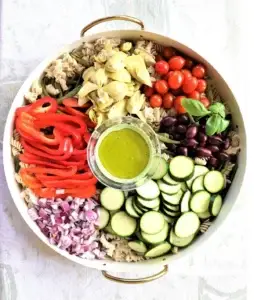
A large round platter of Mediterranean casarecce pasta salad with red peppers, olives, cucumbers, cherry tomatoes, and a central bowl of vinaigrette dressing.

9. How to choose quality brands of Casarecce Pasta

When people search for authentic versions online, they often look for traditional production methods and high-quality ingredients. Good signs include:

10. Common Questions People Ask (FAQ)

Q: What dishes is this pasta best for?

This pasta works best with chunky, thick sauces. Hearty tomato sauces, nut-based pestos, vegetable ragù, and meat or mushroom sauces cling well and deliver evenly coated bites.

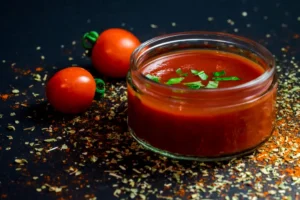
Alt='' Authentic Italian tomato pasta sauce in a glass bowl with fresh basil and cherry tomatoes on a dark rustic table.


Q: Can you bake this pasta?

Yes. Slightly undercook it before baking. This prevents overcooking and helps the pasta keep its shape in casseroles and pasta bakes.


Q: Is it suitable for vegan or dairy-free cooking?

Yes. Tomato-based sauces, olive oil, roasted vegetables, legumes, and plant-based pestos pair naturally with this pasta shape.


Q: How do you prevent it from becoming mushy?

Use plenty of salted boiling water, stir early, and taste before the suggested cooking time ends. Finish cooking in the sauce instead of overboiling in water.


Q: Does it work with thick or creamy sauces?

Yes. The shape and surface texture hold creamy, cheese-based, and blended vegetable sauces evenly without making them feel heavy.


Q: Is this pasta good for meal prep?

Yes. It stores well when lightly coated in sauce or olive oil. Reheat gently with a splash of water or sauce to restore texture.


Q: How does it compare to similar pasta shapes?

It holds sauce better than smooth or straight cuts. The structure creates more texture and better ingredient distribution in hearty dishes.


Q: Can I use gluten-free versions?

Yes. Gluten-free versions made from corn, rice, or legumes work well but require close timing. Always follow package instructions and finish in the sauce for the best texture.


Q: What proteins pair best with it?

Sausage, lentils, chickpeas, mushrooms, and shredded chicken pair especially well. These ingredients match the pasta’s structure and cooking behavior.


Q: Where can I watch it being cooked?

Reputable recipe platforms and professional cooking channels offer step-by-step videos. These help you accurately judge the thickness, doneness, and final texture of the sauce

Casarecce Pasta Chicken Recipe

Q: How much pasta should I cook per person?
A typical serving is about 75 to 100 grams of dry pasta per person. For heavier sauces or baked dishes, you can slightly reduce the portion because the sauce and other ingredients add volume. Try our pasta-portion-calculator to avoid wasting food and prepare the right amount

Q: Should I rinse pasta after cooking?
No. Rinsing removes the starch that helps the sauce stick to the pasta. The only time rinsing may be useful is when preparing pasta for cold salads.

Q: How salty should the pasta water be?
Pasta water should taste like mild seawater. This seasoning step enhances the pasta’s flavor and improves the dish’s overall balance.

Q: Why is finishing pasta in the sauce recommended?
Cooking the pasta in the sauce for the last minute allows it to absorb flavor and release starch. This creates a thicker, more cohesive sauce that evenly coats each piece.

Q: Can this pasta be used in cold pasta salads?
Yes. Its structure holds dressings and chopped ingredients well. For pasta salads, cook it slightly firmer than usual and cool it quickly before mixing with dressing.

Q: How long does cooked pasta last in the refrigerator?
Cooked pasta usually lasts three to five days when stored in an airtight container. Keeping it lightly coated with olive oil or sauce prevents sticking.

Q: Can this pasta be frozen after cooking?
Yes, but texture may soften slightly after thawing. Freezing works best when the pasta is mixed with sauce and stored in airtight freezer containers.

Q: What herbs pair well with this pasta?
Fresh basil, parsley, oregano, thyme, and rosemary work particularly well. These herbs enhance both tomato-based and creamy sauces.

A small square white bowl filled with spicy red chili oil sauce for seasoning traditional Tagliatelle pasta.

Q: What vegetables work best with this pasta shape?
Roasted zucchini, eggplant, bell peppers, spinach, broccoli, and mushrooms combine well with its structure and sauce-holding ability.

Q: Can beginners cook this pasta successfully?
Yes. The cooking process is simple. Focus on properly salted water, carefully timed cooking, and finishing the pasta in the sauce.

Q: Why do chefs save pasta cooking water?
Pasta water contains starch that helps emulsify sauces. Adding a small splash can thicken the sauce and help it coat the pasta smoothly.

Q: What cheese pairs best with this pasta?
Hard cheeses such as Parmigiano Reggiano, Pecorino Romano, and Grana Padano add strong flavor and melt well into sauces.

Q: Can I use it in one-pot pasta recipes?
Yes. One-pot recipes work well if you adjust the liquid ratio and stir occasionally to prevent sticking while the pasta cooks.

Q: What is the best way to reheat leftover pasta?
Reheat it gently on the stovetop with a small splash of water, broth, or sauce. This restores moisture and prevents dryness.

Q: What is the correct pasta-to-water ratio?

Use about 4 to 5 liters of water for every 500 grams of pasta. Plenty of water prevents sticking and allows the pasta to cook evenly.

Q: Why do chefs recommend cooking pasta al dente?

Al dente pasta remains slightly firm in the center. This texture enhances the eating experience and helps the pasta finish cooking properly when combined with the sauce.

Q: Should olive oil be added to pasta water?

No. Oil floats on the surface and does not prevent sticking. Stirring the pasta during the first minute of cooking works much better.

Q: How can I tell when pasta is perfectly cooked?

Taste a piece about one minute before the package time ends. Properly cooked pasta should be tender but still have a slight bite in the center.

Q: Why is pasta water important for sauces?

Pasta water contains starch released during cooking. Adding a small amount to the sauce helps it emulsify and coat the pasta smoothly.

Q: What sauces work best with textured pasta shapes?

Textured or ridged pasta works well with chunky tomato sauces, vegetable ragù, creamy sauces, and pestos because the grooves hold the sauce more effectively.

Q: CanCasarecce pasta be cooked ahead of time?

Yes. Slightly undercook the pasta, toss it with a little olive oil, and refrigerate. Reheat it in the sauce to finish cooking.

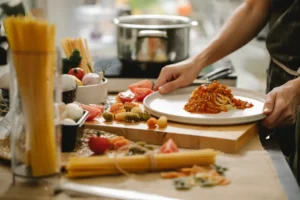
A chef adding freshly casarecce pasta to a plate in a kitchen, with raw pasta strands, a boiling pot, and fresh ingredients visible on the wooden countertop.

Q: How do Italian chefs combine pasta and sauce?

Professional cooks typically transfer pasta directly from the pot into the sauce, then toss it with a little pasta water to improve the coating.

Q: What is the difference between fresh pasta and dried pasta?

Fresh pasta cooks faster and has a softer texture. Dried pasta is firmer and works better with heavier sauces and longer cooking times.

Q: Why does Casarecce pasta sometimes stick together?

Sticking usually occurs when there is too little water or insufficient stirring early in the cooking process.

Q: Can Casarecce pasta be part of a healthy diet?

Yes. When paired with vegetables, lean proteins, and balanced portions, pasta can be part of a nutritious and satisfying meal.

Q: What is the best way to store uncooked Casarecce pasta?

Keep dried pasta in a cool, dry pantry in an airtight container. Properly stored pasta can last for many months without losing quality.

Q: Why does my sauce slide off Casarecce pasta?

A: This usually happens if the pasta is rinsed after boiling or if the sauce is too thin. To ensure the sauce clings to the twisted “S” shape, always finish cooking the pasta in the saucepan for the last 60 seconds and add a small splash of reserved pasta water. The starch in the water acts as a “glue,” binding the sauce perfectly to the pasta’s ridges.

Great pasta starts with mastering the basics: proper cooking technique, correct water usage, smart sauce pairing, and avoiding common mistakes. These fundamentals directly impact texture, flavor, and how well the sauce clings to pasta.

By following a reliable pasta cooking guide, understanding water science for pasta, choosing the best pasta for each sauce, and learning common pasta mistakes, you can consistently cook pasta that tastes balanced, structured, and restaurant-quality.

Pasta Cooking: 9 Powerful Secrets for Perfect Results

Rigatoni Pasta: 7 Reasons It’s the Best Shape for Big Flavor

Cappelletti Pasta: 7 Amazing Secrets of This Italian Classic

Linguine Pasta: 7 Amazing Secrets You Should Know

Pasta Tetrazzini: 7 Incredible Secrets to Love It

Above are our valuable contributions and informational hubs.

Short Twisted Italian Pasta Comparison Table

Pasta VarietyShape & Structural DesignRegional OriginSauce Trapping MechanismBest Sauce Pairings
CasarecceShort, loosely rolled scrolls curved into a narrow “S” shape with a central groove.SicilyThe open, smooth longitudinal channel cradles chopped herbs, nuts, and oils.Pesto alla Trapanese (tomatoes & almonds), pistachio pesto, and light seafood.
FusilliHelical, corkscrew-shaped strands with tight, spiral fins.Southern ItalyThe deep exterior ridges and tight spirals physically lock in heavy, chunky meat particles.Hearty meat ragùs, thick vegetable sauces, and chunky bolognese.
GemelliLooks like two identical strands twisted together, but it is actually a single noodle folded and spiraled.Molise / CampaniaThe tight, intertwining spiral grooves catch uniform layers of smooth emulsions.Light tomato-cream sauces, smooth cheese bases, or tossed in fresh herb vinaigrettes for pasta salads.
TrofieThin, small, tapered twists with pointed ends, rolled by hand on flat surfaces.LiguriaThe dense, tight twist is designed to absorb fine herb oils without getting weighed down.Classic Genovese basil pesto, traditionally boiled alongside cubed potatoes and green beans.

11. Conclusion and Call to Action

If you want a pasta shape that delivers a satisfying bite and excellent sauce hold, casarecce pasta is a dependable choice. Its twisted form complements classic Sicilian flavors and adapts easily to modern cooking.

From quick weeknight dinners to balanced, vegetable-forward meals, it fits a wide range of cooking styles without requiring special techniques.

What makes casarecce pasta especially practical is consistency. It cooks evenly, stays firm when handled properly, and performs just as well with rustic sauces as with lighter, olive oil–based preparations.

Once you cook it a few times, you will instinctively know the right timing and sauce thickness that suits your kitchen.

Your next step is simple. Pick a dish that matches your goal. Go rich with a one-pot sausage-and-tomato skillet, or keep it light with roasted vegetables, herbs, and olive oil.

Cook it once with intention, finish it in the sauce, and pay attention to texture. After that first try, casarecce will earn a regular place in your pasta rotation.

If this guide helped, explore our other pasta shape breakdowns to sharpen your pairing choices and cook with more confidence every time.

Casarecce pasta is a short, twisted Sicilian pasta shape designed to hold sauces beautifully in its rolled grooves. Its curved, scroll-like form makes it ideal for Pesto, creamy sauces, and vegetable-based dishes, ensuring every bite is rich and flavorful.

According to Casarecce’s Wikipedia overview, this traditional pasta originates in Sicily and pairs well with simple, fresh ingredients.

For a deeper understanding of its structure, see Shape details. You can also explore Casarecce explained and try authentic Casarecce recipes, including a delicious Vegetarian and vegan idea.

For related pasta shapes, check out our guides on Trofie, Bavette, and Chickpea pasta to expand your pasta knowledge and recipe options.

To know more, our Pasta Cooking: 9 Powerful Secrets for Perfect Results Pasta Cooking Guide will Guide You


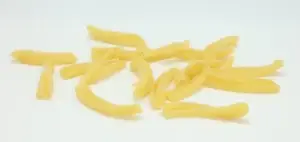
A handful of dry casarecce pasta pieces showing the signature twisted S-shape and hollow center

💡 Pro Tip: The “Emulsion Cradle” Finishing Move

Because casarecce pasta features a smooth, folded “S” groove rather than exterior ridges, thin or watery sauces will slide right off, pooling at the bottom of your bowl. To force the sauce to lock into the central channel, you must utilize the pasta’s own cooking starch to create a binding emulsion.

When your casarecce is 60 seconds away from perfect al dente, transfer the short twists directly from the boiling water into your saucepan using a slotted spoon. Immediately add a half-ladle of starchy pasta water and a splash of olive oil or a knob of butter.

Toss the pan vigorously over medium-high heat for a full minute. This rapid movement beats the starch and fats into a velvety glaze that clings directly to the smooth inner curves of the casarecce, turning each twisted scroll into a perfect cradle for your pesto or ragù.


5 Responses

Leave a Reply

Your email address will not be published. Required fields are marked *