Contents hide

Ravioli pasta is a traditional Italian stuffed pasta known for its soft dough and flavorful fillings. Ravioli pasta usually consists of small square or round pockets of pasta dough filled with ingredients such as cheese, meat, vegetables, or seafood.

The dish has deep roots in Italian culinary history and appears in many regional cuisines across Italy. Classic versions often include ricotta and spinach, while others feature rich meat fillings or seasonal vegetables. Ravioli is typically served with tomato sauce, butter, and sage, or creamy sauces that highlight the delicate pasta and its filling

Introduction to Ravioli Pasta

Ravioli pasta is simple to describe and delightfully complex to experience. They are small pockets of pasta dough filled with savory or sweet ingredients and served in countless ways.

These little parcels deliver texture and flavor in one neat bite. That balance—tender pasta and concentrated filling—is why Ravioli pasta remains a firm favorite at home and in restaurants.

Pasta History: Ancient illustration of traditional pasta making in a medieval kitchen, showing historical dough preparation and drying techniques.

The History of Ravioli Pasta

Ravioli pasta has deep roots across Italy. References to filled pasta date back to the 14th Century, with regional recipes passed down through generations.

Different regions adapted Ravioli pasta to local produce. In coastal zones, they appear in broths; inland, they pair with rich cheeses and roasted meats. For a helpful overview of pasta traditions and regional styles, see Eataly’s pasta guide.

What Makes Ravioli Pasta Unique?

Ravioli pasta is a vessel for flavor. Rather than relying solely on sauce, each Ravioli offers a concentrated taste experience.

That makes Ravioli pasta versatile. It can be humble or luxurious, inexpensive or extravagant, rustic or refined, depending on the filling and accompaniments.

The Traditional Craft of Making Ravioli Pasta

Making it by hand is therapeutic. Fresh egg dough is rolled thin, and fillings are portioned precisely to ensure a uniform cook.

Sealing is crucial. Air pockets cause bursts; tight seams preserve the filling and create a clean presentation. Tools vary: some use simple forks to crimp edges, others favor a Ravioli stamp or cutting wheel.

Nutritional Value of Ravioli Pasta

The nutritional profile depends on the filling. Cheese-filled Ravioli are higher in fat and protein. Vegetable or legume fillings boost fiber and lower calories.

Whole-wheat or alternative-flour doughs increase fiber and micronutrients. For balanced meals, pair it with vegetables and a modest sauce rather than heavy cream.
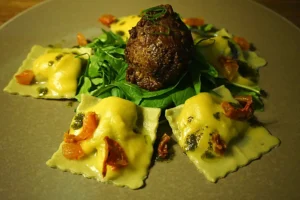
Plated square ravioli pasta pockets served on a bed of fresh arugula, topped with a large meatball, shaved cheese, and sun-dried tomatoes.

Classic  Fillings

Traditional fillings reflect local ingredients. Here are several classic choices that define Ravioli pasta across Italy.

Ricotta and Spinach

This is perhaps the most familiar Ravioli filling. Creamy ricotta balances the slight bitterness of spinach. Finished with butter and sage or a light tomato sauce, it’s a weekend staple in many households.

Meat and Sausage

Hearty fillings of beef, pork, or game are common in northern Italy. Slow-cooked meats, mixed with aromatic herbs, give it a substantial and comforting character.

Mushroom and Truffle

Mushrooms offer earthiness. When paired with truffle or truffle oil, it becomes an elegant, umami-rich dish fit for special occasions.

Pumpkin and Squash

In autumn, pumpkin-filled Ravioli are classic in regions like Emilia-Romagna. They pair beautifully with brown butter, sage, and toasted nuts.

Seafood

Coastal kitchens often feature seafood Ravioli, crafted with ingredients like crab, lobster, or shrimp to create light, ocean-forward flavors that pair well with simple olive oil or citrus sauces.

Regional Variations of Ravioli Pasta

Italian regions have unique takes on filled pastas. Some use different doughs, shapes, or sealing techniques—each variation reflects place and history.

For instance, Culurgiones from Sardinia are a type of stuffed pasta with a distinctive braided seal. In Piedmont, agnolotti are small, folded parcels often filled with roasted meats.
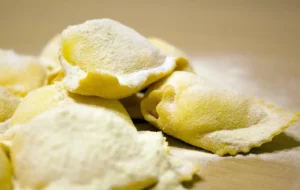
Uncooked crescent-shaped homemade ravioli pasta lightly dusted with flour before boiling.

In Modern Cuisine

Contemporary chefs treat Ravioli pasta as a canvas. You’ll find lobster Ravioli with saffron cream, vegan Ravioli made with cashew cheeses, and even dessert Ravioli filled with mascarpone and chocolate.

Restaurants use techniques like sous-vide fillings or flash-searing to add texture, while home cooks reinvent leftovers as fillings—roast chicken, mashed sweet potato, or seasoned lentils.

Pairing  with Sauces

Pairing is about balance. The right sauce complements the filling without stealing the show. Here’s a quick guide:

  • Butter and sage: excellent with ricotta, pumpkin, or mushroom Ravioli pasta.
  • Light tomato sauces pair well with meat or hearty vegetable fillings.
  • Cream sauces: pair with truffle, lobster, or rich cheese fillings—use sparingly.
  • Citrus and olive oil: brighten seafood without overwhelming delicate flavors.
  1. Tips for Perfect Cooking (Featured Snippet Ready)

    Ravioli pasta cooks quickly and rewards a light touch. Use these steps to keep the pillows intact, tender, and full of flavor.

    • Salt generously, boil gently. Bring a large pot of well-salted water to a gentle boil. Avoid violent bubbling.
    • Time it right. Fresh Ravioli cooks in 3–5 minutes. Frozen Ravioli needs 8–10 minutes. Pull one and taste to confirm.
    • Protect the seams. A rolling boil can cause delicate edges to burst. Lower the heat to a steady simmer as soon as you add the pasta.
    • Stir once, softly. Nudge the Ravioli after the first minute to prevent them from sticking to the pot or to each other.
    • Save pasta water. Reserve 1 cup before draining. The starch naturally thickens sauces and helps them cling without extra fat.
    • Finish off the heat. Toss Ravioli with sauce off the heat to prevent overcooking and filling blowouts.
    • Use the right sauce weight. Light butter, olive oil, or cream sauces suit delicate fillings. Heavier ragĂąs work best with sturdier, meat-filled Ravioli.
    • Serve immediately. Ravioli is at its peak straight from the pot. Waiting dulls texture and flavor.

    Pro tip: Drain gently with a spider or slotted spoon instead of a hard pour to keep the pasta intact.

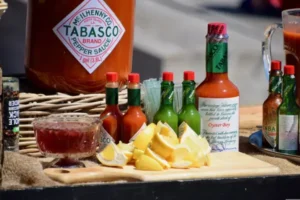
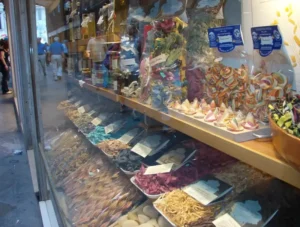
  2. A selection of spicy sauces and lemons used for perfect pasta pairing and seasoning.

Serving Ideas and Presentation of Ravioli Pasta

It can be rustic or plated with precision. Presentation matters less than balance, but a few details lift the dish:

  • Garnish with fresh herbs and a drizzle of high-quality olive oil.
  • Finish with grated Parmesan or shards of aged Pecorino for texture.
  • Use toasted nuts—pine nuts or hazelnuts—to add crunch to soft fillings.
  • For a refined touch, place three to five Ravioli pasta on a warmed plate and finish with microgreens or a scatter of citrus zest.
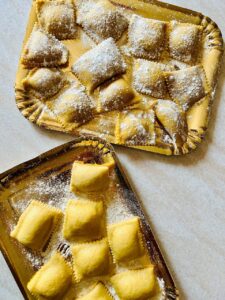
  • Two baking sheets filled with freshly made, uncooked ravioli pasta dusted with flour, ready for boiling.

It also works well in broths; a clear chicken or vegetable broth turns each parcel into a comforting starter.


Watch how to make homemade Ravioli


See authentic Italian Ravioli being made


Watch a simple cheese Ravioli recipe


Learn the perfect Ravioli dough technique
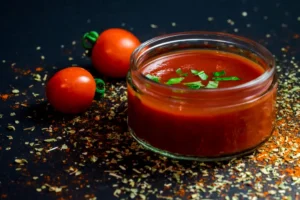
Alt='' Authentic Italian tomato pasta sauce in a glass bowl with fresh basil and cherry tomatoes on a dark rustic table.

FAQ, S

Q: What is Ravioli pasta made of?

Ravioli are made from thin sheets of fresh pasta dough, filled with ingredients like cheese, meat, vegetables, or seafood.

Q: Is Ravioli pasta Italian or Chinese?

Ravioli are Italian in origin and are part of traditional Italian stuffed pasta recipes, especially from northern Italy.

Q: What is the difference between Ravioli and Tortellini?

Ravioli are usually square or rectangular and sealed flat, while Tortellini are small, ring-shaped, and folded around the filling.

Q: Is Ravioli pasta healthy?

Ravioli pasta can be healthy depending on the filling and sauce. Vegetable or lean-protein fillings with light sauces are more balanced options.

Q: How long does Ravioli pasta take to cook?

Fresh Ravioli usually cooks in 3 to 5 minutes, while frozen Ravioli takes about 6 to 8 minutes in boiling water.

Q: Can you cook Ravioli without boiling?

Yes, Ravioli can be baked, pan-fried, or air-fried, but boiling is the traditional and most common method.

Q: What sauce goes best with Ravioli pasta?

Butter-based sauces, tomato sauce, cream sauce, and sage butter are popular choices, depending on the filling.

Q: Is Ravioli pasta vegetarian?

Ravioli can be vegetarian if filled with cheese, spinach, mushrooms, or vegetables. Always check the ingredients.

Q: What is the best filling for Ravioli pasta?

Cheese, spinach and ricotta, mushroom, and meat fillings are among the most popular and widely searched options.

Q: Can Ravioli pasta be frozen?

Yes, Ravioli pasta freezes very well. It can be cooked directly from frozen without thawing.

Q: Is Ravioli considered fresh pasta?

Traditional Ravioli is considered fresh pasta, especially when made with eggs and soft dough.

Q: What is the origin of Ravioli pasta?

Ravioli originated in Italy during the Middle Ages and was first mentioned in Italian manuscripts from the 14th Century.

A selection of spicy sauces and lemons used for perfect pasta pairing and seasoning.

Q: Can Ravioli be eaten with tomato sauce?

Yes, Ravioli pairs well with tomato sauce, especially cheese-filled or vegetable-filled Ravioli.

Q: How many calories are in Ravioli pasta?

Calories vary by filling and sauce, but a typical serving of cheese Ravioli contains around 200 to 300 calories before sauce.

Q: What is the best way to serve Ravioli pasta?

Ravioli is best served hot, lightly sauced, and finished with grated cheese, herbs, or olive oil.

Q: Are Ravioli and dumplings the same?

No, Ravioli and dumplings are not the same. Ravioli is an Italian stuffed pasta made from wheat-based dough and typically served with sauce, while dumplings come from many global cuisines and vary widely in dough, fillings, and cooking methods such as steaming or frying.

Q: What is the main difference between Ravioli and Agnolotti?

While both are traditional Italian stuffed pastas, the main difference lies in their origin and folding technique. Ravioli typically consists of two separate layers of thin egg pasta dough flattened and sealed around a dollop of filling from all sides. Agnolotti, a regional specialty hailing from Piedmont, are crafted from a single sheet of pasta dough folded over a line of filling, resulting in a distinct pocket shape that holds sauces exceptionally well.

Q: How do you prevent fresh Ravioli from bursting while boiling?

To keep fresh ravioli perfectly intact, you must prevent air bubbles from expanding inside the dough during cooking. Always submerge your pasta into a gentle, steady simmer rather than a violent, rolling boil, as heavy bubbling can split the delicate seams. Additionally, ensure you gently nudge the pieces with a wooden spoon right after dropping them into the water to keep them from sticking to the bottom of the pot.

Q: Can you cook store-bought frozen Ravioli directly in a pan of sauce?

Yes, you can cook high-quality frozen ravioli directly in a pan of simmering sauce without boiling them first, provided the sauce has a relatively thin consistency. The pasta dough will absorb moisture directly from the sauce to cook through, which takes about 10 to 12 minutes. Make sure to stir occasionally and keep a lid on the pan to trap steam, allowing the heat to cook the dense filling uniformly.

Q: What is the best way to separate Ravioli that have stuck together?

If fresh ravioli stick together on a tray before cooking, do not try to pull them apart while cold, as this will tear the thin dough and cause the filling to spill out. Instead, drop the conjoined pieces directly into simmering water together. As the starch hydrates and the outer layer softens in the hot water, you can use a slotted spoon or spatula to gently slide them apart along their original seams without puncturing the pockets.

Q: Why do ravioli float to the top of the pot when cooking?

Ravioli float to the surface due to a simple combination of steam generation and water displacement. As the raw filling inside the dough pouch heats up, the moisture expands and turns into trapped steam. This expanding steam inflates the pasta pocket like a tiny hot-air balloon, reducing its overall density. Once the ravioli becomes less dense than the surrounding boiling water, it naturally rises to the top. While floating is a great indicator that the dough has cooked through, it’s always best to let them simmer for one additional minute to ensure the dense filling is piping hot all the way to the center.

Q: Can you cook fresh or frozen ravioli directly in an air fryer?

Yes, you can absolutely cook ravioli in an air fryer, but they require a quick prep step to prevent the outer dough from turning rock-hard and chalky. Instead of air frying them completely dry, lightly toss your fresh or thawed ravioli in a bowl with a tablespoon of olive oil, breadcrumbs, and Parmesan cheese to create a protective, flavorful coating. Air fry them at $375^\circ\text{F}$ ($190^\circ\text{C}$) for 6 to 8 minutes, shaking the basket halfway through, until they puff up and turn a beautiful golden brown. This creates a delicious, crispy exterior with a soft, melted center—perfect for a quick appetizer dipped in warm marinara!

Executive Summary: Ravioli Pasta Guide

This comprehensive culinary guide explores Ravioli pasta, the iconic Italian stuffed pasta celebrated for its delicate egg-based dough envelopes and diverse flavor profiles. Tracing its roots back to 14th-century regional Italian culinary history, ravioli has transformed from a medieval luxury into a beloved global staple.

The article provides essential cooking tips to prevent filling blowouts, outlines traditional filling variations (like ricotta and spinach), details smart sauce pairings, and breaks down the core structural differences between ravioli and other stuffed shapes like tortellini and agnolotti.

Fresh, dried, and gluten-free pasta types displayed for sauce pairing.

Many pasta problems, such as a mushy texture, a bland taste, or poor sauce coverage, stem from missing key fundamentals. The solution is simple: focus on proper cooking methods, water science, and pairing pasta shapes with the right sauces. A complete pasta cooking guide, combined with knowledge of water science for pasta, the best pasta for each sauce, and common pasta mistakes, helps you fix errors and achieve perfectly cooked pasta every time.

Lasagne Verdi: 6 Steps to Authentic Spinach Pasta [2026]

Fregula Pasta: 7 Secrets to Unlock Its Rich, Nutty Taste

Acini di Pepe Pasta: 7 Secrets for Perfect Cooking & Uses

Capellini (Angel Hair Pasta): 7 Golden Cooking Secrets

5 Incredible Reasons Farro Pasta Beats Standard Whole Wheat

Above are our valuable contributions and informational hubs.

Traditional Italian Stuffed Pasta Comparison Table


Pasta VarietyStructural Build & ShapeRegional OriginTypical Filling ProfilesBest Sauce Pairings
RavioliTwo distinct sheets of flat egg dough sealed flat on all four sides; usually square or rectangular.Central & Northern ItalyCreamy ricotta and spinach, slow-cooked savory meats, pumpkin, or seafood.Sage butter, light tomato marinara, or minimalist olive oil emulsions.
TortelliniA single square or circle of dough folded over filling and twisted around a finger to form a ring (“venus navel”).Emilia-Romagna (Bologna/Modena)Rich pork loin, prosciutto crudo, mortadella, Parmigiano-Reggiano, and nutmeg.Served traditionally in a rich, piping-hot capon or chicken meat broth (In Brodo).
AgnolottiA single sheet of egg dough is folded over a line of filling and cut into distinct, pocket-like rectangles.PiedmontLeftover roasted meats (beef, pork, or veal) are finely minced with local vegetables.Reduced roasting pan juices (Sugo d’Arrosto) or simple melted butter.
CappellettiA square or circle of dough folded into a triangle, with the outer corners brought together to resemble a small hat.Emilia-Romagna & MarcheA lean mixture of stewed meats (capon, turkey, or pork) mixed with fresh soft cheeses.Hearty meat broths, thick capon stocks, or rich cream-based meat reduction sauces.

Conclusion:

It endures because it’s adaptable, personal, and flavorful. It captures regional traditions while inviting innovation.

Whether you make it from scratch or buy high-quality fresh or frozen versions, the result is the same: concentrated flavor in each bite. Keep your pantry stocked and try different fillings to see why chefs and home cooks keep returning to this timeless stuffed pasta.

For more on pasta and Italian culinary traditions, explore Smithsonian Magazine and Wikipedia

If you want to explore another long pasta variety, read our detailed guide here:
👉 Linguine Pasta Guide

For a traditional and lesser-known Italian pasta shape, you can explore this guide:
👉 Corzetti Pasta Guide

💡 Pro Tip: The “Sauce Glide” Method for Stuffed Pasta

When serving delicate stuffed pasta like ravioli, never pour thick, heavy sauce directly on top of the cooked pockets. The weight of the falling sauce, combined with aggressive stirring, can easily tear the tender egg dough seams, causing your beautiful fillings to leak out right before serving.

Instead, practice the professional chef technique of “building a bed.” Ladle a thin layer of your warm sauce directly onto the bottom of your serving platter or individual bowls first. Use a slotted spoon or spider to gently lay the drained ravioli on top of the sauce, then finish with just a drizzle of sauce, fresh herbs, and grated cheese over the top. This keeps the pasta perfectly intact while ensuring every single bite gets an even coating from underneath.

A chef adding freshly Ravioli pasta to a plate in a kitchen, with raw pasta strands, a boiling pot, and fresh ingredients visible on the wooden countertop.


11 Responses

Leave a Reply

Your email address will not be published. Required fields are marked *