Cooking Penne to Perfection
To cook penne perfectly, control water, timing, and finishing.
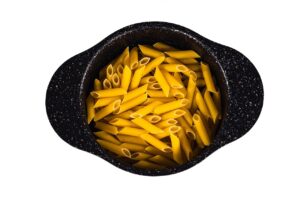
Use a large pot with plenty of boiling water so the pasta cooks evenly.
Salt the water generously. Proper seasoning at this stage improves flavor throughout the pasta.
Stir the penne during the first minute to prevent sticking and uneven cooking.
Cook penne until al dente, about one minute less than the package time. The pasta should feel firm but not hard in the center.
Reserve pasta water before draining. The starch helps emulsify sauces and improves coating.
Finish penne directly in the sauce. This step allows the pasta to absorb flavor and creates a balanced texture.
Adjust the sauce with small amounts of reserved water until it clings smoothly to the pasta.
Do not rinse penne after draining unless preparing a cold salad. Rinsing removes starch, which helps bind the sauce.
5. The Best Sauces and Pairings for Penne
Penne is famous for versatility. Pairings include:
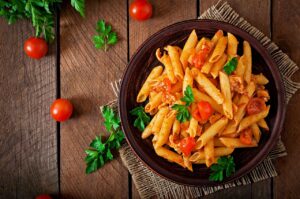
Tomato-based sauces, such as classic marinara, arrabbiata, or Bolognese, work beautifully.
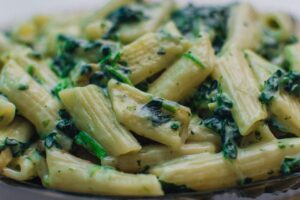
Cream-based sauces, such as Penne alla vodka and Alfredo, are timeless crowd-pleasers. (Serious Eats on Vodka Sauce)
Pesto and oil-based sauces: Lighter dressings balance well with smooth penne lisce.
Baked dishes: Penne al forno with cheese, sausage, and vegetables bake perfectly.
Cold salads: Mezze penne holds up well in pasta salads, whether dressed with vinaigrette or mayonnaise.

6.
Classic Recipes with Penne
Why is penne used in so many classic pasta dishes?
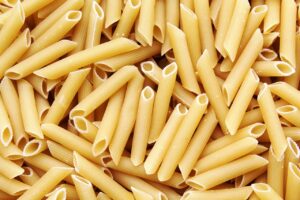
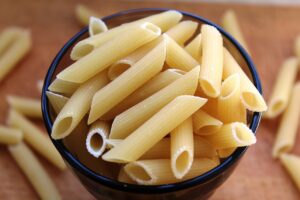
Penne pasta is prized for its diagonal cut and tubular shape, which allows sauces to flow inside while clinging to the outer surface. This makes penne especially effective in recipes that combine sauce, fat, and small ingredients. Over time, several dishes have made penne an enduring staple in both Italian and Italian-inspired cooking.
Penne alla vodka
One of the most recognizable modern classics. Penne alla vodka combines tomato sauce, cream, a small amount of vodka, and grated Parmesan. The alcohol sharpens the tomato flavor while the cream softens acidity, creating a smooth, silky sauce that coats the penne evenly. The hollow tubes trap the sauce, delivering richness without heaviness.
Penne al Forno
A baked classic built for comfort. Penne al forno: cooked penne layered with meat sauce, mozzarella, and sometimes béchamel. The pasta holds its shape during baking, allowing cheese and sauce to melt into the tubes without collapsing. This dish is a favorite for family meals and gatherings because it reheats well and stays structured.
Penne alla siciliana
A southern Italian–style dish that highlights eggplant, tomato sauce, olives, and fresh basil. Penne works particularly well here because it balances the softness of eggplant with a firm bite. The sauce settles inside the pasta, ensuring the vegetables and tomato stay evenly distributed throughout the dish.
Penne al Pesto Genovese
Fresh basil pesto, made with garlic, pine nuts, Parmesan, and olive oil, coats penne evenly and consistently. While long pasta is often associated with pesto, penne offers a heartier, more controlled bite. The diagonal cuts help pesto collect inside the tubes, keeping each forkful aromatic and vibrant.
These classic recipes show why penne remains one of the most adaptable pasta shapes. Whether baked, creamy, vegetable-forward, or herb-driven, penne delivers structure, sauce grip, and reliable texture across a wide range of traditional dishes.
For a step-by-step recipe, see Delish’s Penne alla Vodka.
7. Penne in Modern Cooking Trends
Beyond tradition, penne has evolved with global food culture:
Vegan and plant-based penne dishes using cashew cream or lentil sauces.
High-protein legume penne for fitness-focused eaters.
Fusion flavors — penne with Asian stir-fry vegetables or spicy Latin sauces.
Its shape and texture make it a natural fit for experimentation.
8. Nutritional Profile and Health Variations
A standard 100 g serving of dry semolina penne provides:
| Nutrient | Value |
|---|
| Calories | ~350–370 kcal |
| Carbohydrates | 70–75 g |
| Protein | 12–14 g |
| Fat | 1–2 g |
| Fiber | 2–3 g (higher in whole grain) |
Whole-grain penne offers more fiber and micronutrients, while gluten-free versions vary in nutrition based on the base ingredient.
(The Spruce Eats on Pasta Nutrition)
9. Choosing High-Quality Penne
When shopping, look for:
100% durum wheat semolina
Bronze-die cut for better texture
Slow-dried pasta for superior flavor
Minimal additives or enrichments
Premium brands like De Cecco or Barilla consistently perform well in taste tests.
10. Storing Penne and Handling Leftovers
Uncooked penne: Store in airtight containers in a cool, dry place.
Cooked penne: Refrigerate up to 3 days in airtight containers. Reheat with a splash of reserved pasta water or sauce.
Freezing baked dishes: Penne al forno freezes well. Wrap tightly and thaw overnight before reheating.

13. FAQs
Q: Why does my penne pasta get mushy?
Overcooking or insufficient salt in the water. Test early for al dente.
Q: What is better, penne lisce or rigate?
Rigatoni holds thicker sauces, while linguine is best with lighter ones.
Q: Can I substitute penne for spaghetti?
Yes, though the texture changes — penne is chunkier and holds sauce better.
Q: Does whole-wheat penne taste different?
Yes, nuttier and heartier. Adjust the sauce accordingly.
Q: Can penne pasta be used in cold salads?
Absolutely, especially mezze penne for smaller bites.
Q: What is the difference between Penne Lisce and Penne Rigate?
The main difference between Penne Lisce and Penne Rigate lies in their texture. Penne Lisce has a smooth surface, giving it a delicate feel and making it ideal for light, creamy sauces that glide over the pasta. Penne Rigate, on the other hand, has ridges along its sides that help sauces cling better, especially thicker or chunkier ones like tomato or meat-based sauces. Both share the same diagonal cut and tubular shape but offer different eating experiences depending on the sauce.
Q: How long should penne pasta cook for an al dente texture?
Most dried penne cooks in 10–12 minutes. Always taste 1–2 minutes before the package time ends.
Q: Should I rinse penne pasta after cooking?
No. Rinsing removes surface starch, which helps sauce cling to the pasta. Rinse only if using it for a cold salad.
Q: Why does penne sometimes split while cooking?
Low-quality pasta or rapid boiling can cause cracking. Use steady boiling water and avoid overcrowding the pot.
Q: Is penne pasta egg-based?
Traditional penne is made with durum wheat semolina and water, making it naturally egg-free.
Q: What sauces pair best with penne pasta?
Penne pairs well with tomato, creamy, pesto, and chunky vegetable or meat sauces.
Q: Can penne pasta be baked without drying out?
Yes. Add extra sauce and cover the dish for most of the baking time to retain moisture.
Q: Is penne good for meal prep?
Yes. Penne holds its shape well after refrigeration and reheats better than long pasta shapes.
Q: Does penne pasta reheat well?
Yes. Add a small amount of water or sauce before reheating to restore moisture.
Q: What is mezze penne used for?
Mezze penne works best in soups, pasta salads, and lighter dishes where smaller pieces cook evenly.
Q: Is gluten-free penne cooked the same way as regular penne?
No. Gluten-free penne cooks faster and can become soft quickly, so monitor it closely.
Q: What is the difference between penne and ziti pasta? Penne has diagonally cut ends that resemble a quill, while ziti is cut straight across. Penne is often ridged and better at trapping sauce inside the tube, making it ideal for hearty ragùs and baked dishes. Ziti is slightly smoother and works well in casseroles where the sauce is already very rich and plentiful.
Q: Is penne pasta good for weight loss or healthy diets? Penne can fit into a balanced diet when portion sizes are controlled and it’s paired with lean protein and plenty of vegetables. Choosing whole‑wheat or legume‑based penne increases fiber and protein, which can help you feel fuller for longer and support weight‑management goals.
Q: What is the best penne pasta for baked dishes? For baked dishes like penne al forno, choose bronze‑die penne rigate made from 100% durum wheat semolina. The rough surface and ridges grip cheesy or meat‑based sauces, helping the pasta keep its shape and avoiding a mushy texture after baking.
Q: Can I cook penne pasta ahead of time for parties or meal prep? Yes. Slightly undercook the penne (1–2 minutes less than al dente), drain, and toss with a small amount of olive oil to prevent sticking. Store it in an airtight container in the refrigerator, then finish cooking it directly in hot sauce or in the oven just before serving.
Q: Why doesn’t sauce stick well to my penne pasta? Sauce often slips off when the pasta is overcooked, rinsed after boiling, or made from very smooth, low‑quality dough. To help sauce cling, cook penne al dente, avoid rinsing, finish it in the pan with the sauce, and use a small amount of starchy pasta water to emulsify everything.
Q: How much penne pasta should I serve per person? For a main course, plan about 75–100 g (2.6–3.5 oz) of dry penne per person. For side dishes or when serving multiple courses, 50–75 g (1.7–2.6 oz) is usually enough, especially if the meal includes bread, salad, or other carb‑heavy dishes.
Q: What is the best way to store leftover penne pasta so it doesn’t dry out? Toss leftover penne with a small amount of sauce or olive oil before refrigerating it in an airtight container. When reheating, add a splash of water, broth, or extra sauce to loosen the pasta and restore a soft, glossy texture.
Q: Can I cook penne pasta in an air fryer or oven without boiling first? Penne is traditionally boiled in salted water, but some baked recipes use extra liquid and a longer cooking time to hydrate the pasta directly in the oven. If you skip boiling, make sure there is enough sauce or broth to fully cover the pasta and bake it covered so it cooks through without drying out.
Q: Which penne pasta is best for people with gluten intolerance? Look for certified gluten‑free penne made from rice, corn, quinoa, or legumes like chickpeas and lentils. Each type has a different flavor and texture, so you may need to test a few brands. Cook gluten‑free penne gently and check often, as it can go from al dente to soft very quickly.
Q: How can I make penne pasta more flavorful without adding heavy cream or cheese? Season your cooking water generously with salt, then build flavor with aromatics such as garlic, onion, chili flakes, and fresh herbs. Toss hot penne with extra‑virgin olive oil, roasted vegetables, olives, capers, or sun‑dried tomatoes. These ingredients add richness and depth without relying on heavy dairy.
Q: Is bronze‑die penne worth the higher price? For many cooks, yes. Bronze‑die penne has a rough, porous surface that captures more sauce, resulting in a more flavorful bite. It also tends to hold its al dente texture better than very smooth, teflon‑extruded pasta, especially in hearty or baked recipes.
Q: What are some quick weeknight meals using penne pasta? Penne is perfect for fast dinners. Try penne with garlic, olive oil, and chili flakes (aglio e olio), penne with canned tomatoes and basil, penne with sautéed vegetables and Parmesan, or penne with a simple pesto. Most of these dishes can be on the table in under 30 minutes.
Great pasta starts with mastering the basics: proper cooking technique, correct water usage, smart sauce pairing, and avoiding common mistakes.
These fundamentals directly impact texture, flavor, and how well the sauce clings to pasta. By following a reliable pasta cooking guide, understanding water science for pasta, choosing the best pasta for each sauce, and learning common pasta mistakes, you can consistently cook pasta that tastes balanced, structured, and restaurant-quality.
Summary: Why Penne is the Ultimate Culinary Classic
Penne pasta remains a cornerstone of Italian cuisine due to its unique topographical design. Crafted from premium durum wheat semolina, its signature cylindrical shape and angled ends serve a functional purpose: “sauce-trapping.” Whether you choose the ridged texture of Penne Rigate for heavy meat ragùs or the smooth surface of Penne Lisce for delicate cream sauces, this shape offers unmatched culinary versatility.
By mastering the al dente cooking technique and understanding the importance of bronze-die extrusion, you ensure that your pasta maintains its structural integrity in everything from vibrant Arrabbiata dishes to hearty baked casseroles. Ultimately, penne is more than just a pantry staple; it is a reliable canvas for flavor that balances tradition with modern kitchen convenience.
14. Final Thoughts and Call to Action
Penne pasta is more than a shape — it’s a canvas for flavor. From traditional Italian recipes to creative global twists, penne continues to prove its place at the table.
Next time you’re cooking pasta, try penne in a new way. Explore our other pasta guides, including Ruote, chickpea, and Lumache. Experiment with sauces, bakes, or salads. Share your favorite penne recipe in the comments — let’s keep the love for pasta alive.
Related YouTube Videos for Penne Pasta Recipes
- Chicken Penne Pasta
Baked penne pasta
Penne pasta remains one of the most recognizable and versatile pasta shapes in Italian cooking. Its diagonally cut ends and hollow center allow sauces to coat every bite, while the ridged versions hold even rich or chunky sauces exceptionally well. From classic Italian dishes like penne all’arrabbiata to creamy penne alla vodka and baked casseroles, penne adapts easily to a wide range of flavors and cooking styles.
Its simple design is also the reason it has traveled so successfully beyond Italy. Today, penne appears in home kitchens, restaurants, and comfort-food recipes around the world. Whether paired with fresh vegetables, hearty meat sauces, or light olive-oil-based preparations, penne offers a reliable balance of texture, flavor, and practicality.
Call to Action
Curious to explore more pasta beyond penne?
Discover the stories, cooking tips, and traditional recipes behind many classic pasta shapes. Visit PastaLoverz to learn about authentic Italian pasta varieties, how to cook them properly, and which sauces pair best with each shape. Start exploring and find your next favorite pasta dish today. 🍝
Pastina Pasta: 7 Reasons It’s the Ultimate Comfort Food
Best Pasta for Alfredo Sauce: 7 Picks for Creamy Perfection
Pasta Shape and Sauce Pairing Guide: 7 Secrets of Success
Strozzapreti Pasta: 7 Facts & How to Cook It Perfectly
Alphabet Pasta: 7 Best Secrets for Fun Tiny Soup Shapes
Pro Tip: Always Finish Penne in the Sauce
For truly restaurant-quality penne, undercook the pasta by 1–2 minutes in well-salted water, then transfer it straight to a hot pan of sauce. Add a splash of starchy pasta water and toss over medium heat until the liquid turns glossy and clings to every tube. This simple step lets the penne absorb flavor from the inside out, prevents watery sauces, and gives you that silky, perfectly coated texture you taste in authentic Italian trattorias.
.



Hey! I know this is somewhat off topic but I was wondering which blog platform are you using for this site?
I’m getting sick and tired of WordPress because I’ve
had issues with hackers and I’m looking at alternatives for another platform.
I would be fantastic if you could point me in the direction of a good platform.
Hello, i read your blog occasionally and i own a similar one and i was just curious if you get a lot of spam remarks?
If so how do you prevent it, any plugin or anything you can suggest?
I get so much lately it’s driving me crazy so any support is very much appreciated.
YES there is a bulk cleaner plugin and u can also edit in post editor to block comments
Word press is best. For site security SSL is must and alot of plugins are avaliable
Have you ever considered publishing an ebook or guest authoring on other sites?
I have a blog based on the same information you discuss and would love to have you share some stories/information. I know my viewers would appreciate
your work. If you’re even remotely interested, feel free to
shoot me an e-mail.
Yes I would love to do that