For many of us, the mere mention of Pastina sparks a very specific memory. It’s the sound of a wooden spoon against a ceramic bowl, the warmth of a kitchen on a rainy afternoon, and the steam of a golden broth rising to soothe a tired soul. Often affectionately called “Italian Penicillin,” pastina is far more than just a small pasta shape—it is a cultural embrace served in a bowl.
While the world often fawns over the complexity of a slow-cooked ragù or the elegance of hand-rolled fettuccine, pastina quietly remains the foundational soul of the Italian home. In this guide, we’re diving into the history, the science of why it makes us feel better, and the secrets to making it just like a Nonna would.
What Exactly is Pastina?
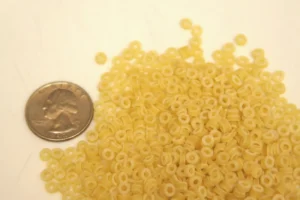
The word pastina (pronounced pas-TEE-nah) translates literally to “little pasta.” It isn’t actually a single specific shape, but rather an entire category of “micro-pasta.” Traditionally crafted from high-quality durum wheat semolina and water—and sometimes enriched with egg for extra silkiness—these tiny pieces usually don’t exceed two millimeters in size.
Common Shapes and Varieties of Pastina Pasta
If you walk down a pasta aisle in Italy, the variety of pastas can be overwhelming. Here are the most beloved shapes:
Stelline: The classic tiny stars with a hole in the middle—the universal symbol of childhood comfort.
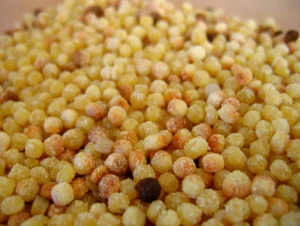
Acini di Pepe: Translating to “peppercorns,” these are tiny, round beads perfect for Italian Wedding Soup.
Orzo (Risoni): Shaped like grains of rice, these are incredibly versatile for both broths and cold salads.
Anellini: Miniature rings that bring a playful texture to any soup.
Alphabeto: The “alphabet pasta” that has helped generations of children learn to spell while they eat.
Grattini: Rough, irregular bits of dough that feel rustic and homemade.
A Humble History of Pastina Pasta: From the 12th Century to Today
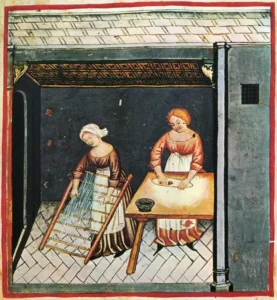
Pastina didn’t start as a gourmet trend; it was born out of practicality. As pasta-making evolved in regions like Campania, artisans realized they needed a form of pasta that was easy to swallow and digest for the most vulnerable members of the family: infants and the elderly.
By the 12th century, these tiny cuts became a staple in minestre (hearty soups). When Italian families began to emigrate across the globe, they brought their boxes of stelline with them. It was a way to keep their heritage alive, ensuring that “Italian Penicillin” would eventually become a worldwide phenomenon.
The Magic of “Italian Penicillin”
The nickname isn’t just a joke—it’s rooted in how the dish actually helps the body recover. In Italian households, pastina is the first thing served when someone feels under the weather.
Passive Hydration: Because it’s cooked and served in broth, it encourages fluid intake when you’re dehydrated.
Gentle Energy: The simple starch structure provides a quick, easily digestible energy source that doesn’t tax a sick stomach.
The Emotional Connection: There is a psychological comfort in eating something associated with care and safety. Even celebrities like Stanley Tucci have shared how this simple dish remains a cornerstone of their lives.

Nutritional Profile of Pastina Pasta: More Than Just Comfort
It’s easy to dismiss pastina as “simple carbs,” but its nutritional value is surprisingly high when prepared correctly.
Nutrient Retention
Unlike larger pastas that are boiled in large pots of water and then drained, pastina is usually cooked using the absorption method. This means the pasta soaks up all the minerals, collagen, and vitamins present in your chicken or vegetable stock rather than losing them down the kitchen sink.
The First Solid Food
For many Italian babies, pastina is their introduction to the world of solids. According to I’m The Chef Too, its soft, uniform texture is perfect for helping toddlers develop motor skills and move toward complex textures without the risks associated with larger food items.
The Nonna Method: How to Cook the Perfect Pastina Pasta Bowl
There are two main schools of thought for preparing pastina: the Soup Method and the Creamy Method.
1. The Classic Soup (Minestrone)
This is for the days when you need a light, hydrating meal.
The Broth: Use the best bone broth you can find.
The Hidden Veg: Simmer carrots and celery until very soft, then blend them back into the broth. It thickens the soup and adds nutrients without altering the dish’s “pure” look.
The Timing: Add your stars or beads in the last 6 minutes. You want them tender, but not falling apart.
2. The Creamy “Risotto” Style
This version is the ultimate “culinary hug.” It’s thick, rich, and deeply satisfying.
The Secret: Cook the pastina in just enough broth so that the liquid is fully absorbed.
The Finish: While it’s still piping hot, stir in a knob of butter, a generous amount of Parmigiano-Reggiano, and—if you want to be truly authentic—one whisked egg. The heat of the pasta cooks the egg into a silky, custard-like sauce.
- For proper portion use, our Pasta Portion Calculator
Regional Traditions Across Italy
Every corner of Italy has its own tiny-pasta tradition:
The North: You’ll often find Grattini served in a clear, sophisticated beef consommé.
Central Italy: Tiny squares called Quadrettini are the star of legume-heavy soups like Pasta e Ceci.
The South: This is the land of Acini di Pepe, where pastina is often served with a richer, more robust chicken stock and plenty of black pepper.
Frequently Asked Questions
Q: Why is Pastina considered a staple of the Mediterranean diet for children? While many associate the Mediterranean diet with fresh vegetables and olive oil, Pastina Pasta serves as an essential, easily digestible grain base.
It provides the necessary carbohydrates for growth while acting as a “carrier” for healthy fats (like extra virgin olive oil) and proteins (like whisked eggs or lean broths), making it a balanced nutritional foundation for toddlers.
Q: How does Pastina compare to other Italian comfort foods like Polenta or Risotto? In the hierarchy of Italian comfort food, pastina is the quickest to prepare.
Unlike Polenta, which requires constant stirring, or Risotto, which demands a specific starch-release technique, pastina relies on the absorption method. It offers a lighter texture than corn-based polenta while providing a similar “creamy” mouthfeel when finished with Parmigiano-Reggiano.
Q: Can I use Pastina in recipes other than soup? Absolutely. Beyond the classic broth-based “Italian Penicillin,” these tiny shapes are excellent for cold pasta salads, Mediterranean-style grain bowls, or even as a substitute for couscous.
Its high surface-area-to-volume ratio makes it perfect for sauce adhesion, ensuring every “star” or “bead” is coated in flavor.
Q: What is the best way to store cooked Pastina to prevent it from getting mushy? If you are meal prepping, store the pasta and the cooking liquid (broth) separately.
Because of its high absorption rate, pastina will continue to soak up moisture in the fridge, turning into a thick porridge. To revive it, reheat the broth first and then add the cooked pasta for just 60 seconds to reach the desired al dente consistency.
Q: Is Pastina an environmentally friendly pasta choice? From a sustainable cooking perspective, pastina is highly efficient. Because it is cooked using the absorption method, there is no need to boil and discard gallons of water
. This conserves both water and the energy required to bring large pots to a boil, making it a “low-impact” meal option for the eco-conscious kitchen.
Q: Is pastina better for you than regular spaghetti?Yes. The ingredients are often the same, but because you consume the liquid it’s cooked in, you’re getting a much more nutrient-dense meal than you would from drained pasta.
Q: Can I find gluten-free pastina?Yes. Absolutely. Many brands now use corn or brown rice flour to create stelline that are just as comforting as the original wheat versions.
Q: What happened to the “Star” pastina in stores? In early 2023, a major brand (Ronzoni) discontinued its star shape, causing a bit of panic. Luckily, heritage brands like DeLallo and Barilla still produce high-quality stars for everyone to enjoy.
Q: What is the difference between Pastina and Orzo? While both are small, Pastina is the umbrella category for all tiny pasta shapes. Orzo (also known as Risoni) is a specific type of pastina shaped like large grains of rice
. In Italian tradition, orzo is often used in heavier soups or salads, whereas smaller shapes like stelline are preferred for light broths.
Q: Is Pastina Pasta easy to digest? Yes, this is one of the primary reasons it is known as “Italian Penicillin.” Because of its small size and simple durum wheat composition, it breaks down quickly in the digestive tract, providing a gentle source of energy for toddlers, seniors, or those recovering from an upset stomach.
Q: How much water do I need for Pastina? Unlike traditional pasta, you don’t need a large pot of boiling water. For the absorption method, use a 1:2 ratio—one cup of Pastina Pasta to two cups of broth or water. This ensures the pasta stays tender and creamy rather than drowning in excess liquid.
Q: Can you overcook these tiny pasta shapes?Yes. Because they are so small, these shapes cook very fast (usually 5 to 7 minutes).
Overcooking can turn them into a mushy texture. For the best “al dente” result, turn off the heat when the pasta is slightly firm, as it will continue to absorb liquid even after it is off the stove.
Cooking Methods: Soup vs. Creamy Style
| Feature | The Classic Soup Method | The Creamy “Risotto” Style |
| Texture / Result | Light, highly hydrating, and clear. | Thick, rich, custard-like “culinary hug.” |
| Liquid Ratio | A generous amount of high-quality bone broth. | Strict 1:2 ratio (1 cup of pasta to 2 cups of broth). |
| Nonna’s Secret Twist | Blending cooked carrots/celery back into the broth. | Stirring in a knob of butter, Parmigiano-Reggiano, and a whisked egg. |
| Best For | Dehydration, illness, or a light recovery meal. | Ultimate comfort food and a quick, nutrient-dense dinner. |
Q: Is Pastina just a smaller version of Orzo, or is it a substitute for Rice? While Orzo is technically a member of the pastina family, the two serve different culinary purposes. In many Mediterranean households, pastina is used as a semolina-based substitute for rice in “porridge-style” dishes.
However, unlike rice, which relies on grain amylose for thickness, pastina releases wheat starches that create a smoother, more uniform silky emulsion. This makes it an ideal nutritious grain alternative for those who prefer a softer, more consistent texture in their comfort bowls or side dishes.
Q: Why is Pastina often cooked with an egg? Adding a whisked egg at the end of the cooking process is a classic Italian comfort food technique. It creates a silky, custard-like consistency that adds healthy fats and protein, turning a simple bowl of soup into a complete, balanced meal.
Q: What makes pastina the ultimate “Italian comfort food” compared to regular pasta?
The secret behind why pastina reigns supreme as the definitive Italian comfort food lies in its preparation and emotional resonance. Unlike large pasta cuts that are drained, pastina utilizes the absorption method, locking in all the rich nutrients of the cooking liquid. When finished with classic comforting elements like Parmigiano-Reggiano, butter, or a whisked egg, it creates a thick, soothing, porridge-like texture. Beyond the physical warmth, it carries a deep psychological connection to family care—earning it the affectionate title of “Italian penicillin.”
Q: Is pastina a healthy option for a Mediterranean diet?
Yes! Within a traditional Mediterranean diet, pastina serves as an excellent, easily digestible grain base. Made from high-quality durum wheat semolina, it provides a gentle, stable source of carbohydrates. Because it is typically simmered directly in nutrient-dense bone broths rather than being drained, it acts as a perfect “delivery vehicle” for healthy fats (like extra virgin olive oil) and proteins (like egg or chicken stock), making it a well-rounded nutritional foundation for both growing toddlers and recovering adults.
Q: How do you cook pastina using the absorption method without it getting mushy?
Mastering the absorption method requires a strict 1:2 ratio—specifically, 1 cup of pastina to 2 cups of broth or water. Because these tiny shapes cook incredibly fast (usually between 5 and 7 minutes), you should turn off the heat while the pasta still has a slight al dente bite. The residual heat will allow it to finish swelling and create a naturally silky emulsion with the remaining starch without degrading into a mushy texture.
Q: What is the culinary difference between pastina, polenta, and risotto?
While all three are titans of Italian comfort food, they differ significantly in grain base and technique:
Pastina consists of tiny durum wheat shapes cooked quickly via absorption, yielding a smooth, uniform pasta texture.
Polenta is a corn-based grain mash that requires continuous stirring over a longer heat to achieve its thick porridge state.
Risotto uses high-starch short-grain rice and relies on a gradual, active starch-release technique to build its signature creaminess.

Q: Can pastina pasta shapes be used for cold dishes or meal prep?
Absolutely. Beyond hot, broth-based soups, larger pastina varieties like orzo (risoni) or acini di pepe are excellent foundations for cold pasta salads and Mediterranean grain bowls. Its high surface-area-to-volume ratio provides superior sauce adhesion, making it great for tossing with light vinaigrettes.
Meal Prep Tip: If saving leftovers, always store the cooked pastina and the broth in separate containers. Because of its high absorption rate, the pasta will continue to drink up liquid in the fridge and turn into a dense porridge. Reheat the broth first, then drop the pasta in for 60 seconds to revive it.
Q: Why do traditional recipes often call for adding an egg to pastina?
Whisking a raw egg into piping hot pastina just after it is removed from the flame is a time-honored Nonna technique. The residual heat gently cooks the egg, transforming the broth into a rich, custard-like sauce. This not only elevates the comfort texture to a velvety finish but also introduces essential proteins and healthy fats, turning a simple pantry meal into a complete, macro-balanced recovery dish.
Many pasta problems, such as a mushy texture, a bland taste, or poor sauce coverage, stem from missing key fundamentals.
The solution is simple: focus on proper cooking methods, water science, and pairing pasta shapes with the right sauces. A complete pasta cooking guide, combined with knowledge of water science for pasta, the best pasta for each sauce, and common pasta mistakes, helps you fix errors and achieve perfectly cooked pasta every time
Summary:
Pastina pasta is a category of tiny, micro-pasta shapes—traditionally made from durum wheat semolina—typically measuring less than two millimeters.
Often called “Italian Penicillin,” pastina is a Mediterranean diet staple prized for its high digestibility and comfort. Common varieties like stelline (stars) and acini di pepe are traditionally prepared using the absorption method in bone broth to create a nutrient-dense, creamy meal.
The Verdict: Why Pastina Pasta Matters
Pastina is a reminder that food doesn’t have to be expensive or complicated to be meaningful. It’s a dish that follows us through every stage of life—from our very first bites as children to the restorative meals we eat as adults.
Start Your Own Tradition
The next time you’re feeling a bit run down, or you just need a moment of peace, skip the takeout. Grab a box of those tiny stars, some good broth, and a wedge of Parmesan. There is a reason this dish has survived for nearly a millennium: it simply works.
Want to master more pasta shapes? Explore the Regional Guide to Pasta for more inspiration.
Best Pasta for Alfredo Sauce: 7 Picks for Creamy Perfection
Alphabet Pasta: 7 Best Secrets for Fun Tiny Soup Shapes
Mafaldine Pasta: 7 Golden Secrets of Italy’s Ribbon
Are our valuable contributions

Syed Yasar Arafat is the founder of PastaLoverz.com and a food research enthusiast with a focused interest in pasta varieties, traditional Italian cuisine, and balanced eating. Through PastaLoverz.com, he publishes well-researched articles that explain pasta types, cooking methods, and nutritional considerations in clear, practical terms to help readers make informed food choices.

4 Responses