
Bronze-Cut vs. Teflon-Extruded Pasta: The Ultimate Guide to Noodle Texture and Sauce Science
For true culinary enthusiasts, cooking pasta is not merely a matter of boiling water and opening a jar of marinara. It is an exercise in food science, kitchen technique, and ingredient curation. While most home cooks spend their time debating the merits of San Marzano tomatoes versus heirloom varieties, or choosing between pecorino and parmigiano, the most critical decision happens right down in the dry goods aisle.
When you stand in front of the grocery shelves, you are faced with a fundamental choice in manufacturing styles: Bronze-Cut vs. Teflon-Extruded Pasta.
To the untrained eye, dry noodles look remarkably similar. However, the mechanical process used to shape those noodles alters their physical structure, cooking behavior, and ultimate compatibility with sauces. Understanding the technical mechanics behind Bronze-Cut vs. Teflon-Extruded Pasta is the secret key to elevating your home-cooked meals from basic weeknight fuel to restaurant-quality masterpieces.
The Core Mechanical Differences
To fully understand the debate of Bronze-Cut vs. Teflon-Extruded Pasta, we must first look at the industrial machinery utilized by modern pasta manufacturers. Every shape of commercial dry pasta—from thin strands of spaghetti to intricate ridges of Ruote—begins as a simple dough mixture composed of semolina flour and water.
This dough is loaded into a large commercial extruder, where high-pressure pistons force the mixture through a specialized metal plate containing shaped cutouts. This plate is known as a die. The material coating the interior walls of this die dictates the structural properties of the resulting noodle.
What is Bronze-Cut Pasta?
Traditional Italian pasta makers rely heavily on solid bronze or brass dies. Because bronze is a relatively soft, coarse metal alloy, it creates significant friction as the dense semolina dough passes through the openings.
This mechanical drag tears at the outer surface of the dough on a microscopic level. When the pasta emerges from a bronze die, it features a matte finish, a pale, chalky coloration, and a rough, rough-textured skin covered in tiny ridges and floury dust.
What is Teflon-Extruded Pasta?
In contrast, mass-market industrial producers frequently utilize dies lined with polytetrafluoroethylene (PTFE), commonly known by the brand name Teflon. Teflon is incredibly slick and boasts an exceptionally low coefficient of friction.
As the semolina dough glides seamlessly through a Teflon-lined die, the smooth surface compresses the outer layer of the dough, sealing it completely. The resulting noodles emerge with a shiny, smooth skin, a deep yellow hue, and a uniform structural profile.
Structural Dynamics: Porosity and Surface Texture
The foundational contrast between Bronze-Cut vs. Teflon-Extruded Pasta lies entirely within the physical surface texture of the uncooked and cooked noodle.
[Bronze Die]  --> High Friction --> Micro-torn, Porous Surface (Sauce Magnet)
[Teflon Die]  --> Low Friction  --> Sealed, Slick Surface (Sauce Slips)
When you examine a piece of artisanal bronze-die pasta closely, you will observe a dusty, rough exterior. This roughness is highly prized by professional chefs. The microscopic tears act like a rough sponge, drastically increasing the total surface area of the noodle.
Conversely, Teflon-extruded pasta has a glassy, non-porous exterior. While this uniform surface prevents the noodle from breaking or fraying easily during high-speed packaging and international shipping, it eliminates the microscopic crevices that are essential for optimal kitchen performance.
Sauce Adherence and Emulsification Science
The primary reason food purists support artisanal options in the Bronze-Cut vs. Teflon-Extruded Pasta comparison is a culinary phenomenon known as sauce adherence.
An exceptional plate of pasta relies on an architectural bond between the starch of the noodle and the fat/water emulsion of the sauce.
The Bronze-Cut Advantage: When tossed with a rich ragù, a velvety Alfredo, or a classic cacio e pepe, the rough, micro-torn skin of bronze-cut noodles physically grabs the sauce. The microscopic grooves provide mechanical leverage, holding onto oil droplets, herbs, and cheese solids. This prevents the sauce from pooling uselessly at the bottom of your shallow serving bowl.
The Teflon Disadvantage: Teflon-extruded options offer no such structural support. Because the surface of the noodle is completely smooth and sealed, liquids have a difficult time finding purchase. Heavy, oily sauces naturally slide off the slippery yellow exterior, leaving you with naked noodles on your fork and a reservoir of wasted sauce left behind on your plate.
Furthermore, bronze-cut noodles release a significantly higher concentration of free starches into the boiling water as they cook. This starch-heavy water is incredibly valuable. As outlined in our master guide on the Science of Starchy Pasta Water, this liquid gold acts as a natural binding agent, allowing you to create a smooth, restaurant-grade emulsion that clings flawlessly to every single bite.
Nutritional Profiles, Flour Quality, and Drying Speeds
The choice between Bronze-Cut vs. Teflon-Extruded Pasta often serves as a proxy for the overall quality of ingredients and care used throughout the entire manufacturing process.
Grain Quality
Artisanal producers who invest heavily in expensive bronze machinery rarely cut corners on raw ingredients. They typically source premium, high-protein durum wheat semolina. This grain features a robust gluten matrix that provides structural strength, helping the rough-cut noodles maintain their shape and bite during boiling. Mass-producers utilizing high-volume Teflon extruders may blend multiple grades of wheat, relying on the slick compression of the Teflon to hold lower-protein doughs together.
The Drying Process
The manufacturing divergence extends deep into the drying room.
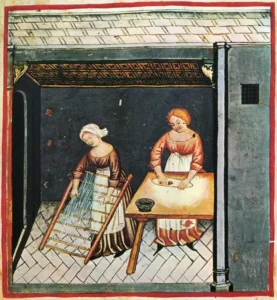
Slow, Low-Temperature Drying: Traditional bronze-cut brands dry their extruded shapes slowly on wooden racks at low temperatures (between 100°F to 130°F) for anywhere from 24 to 60 hours. This slow preservation preserves the natural flavor, nutty aroma, and complex nutritional profile of the durum wheat grain.
Flash Drying: High-volume Teflon manufacturers cannot afford to wait days for products to dry. They route their smooth noodles through industrial flash-drying ovens operating at extreme temperatures exceeding 200°F for a mere couple of hours. This aggressive heat caramelizes the natural sugars within the wheat—a reaction known as the Maillard reaction—which gives industrial pasta its signature yellow-orange color but can dull the grain’s natural flavor and degrade subtle micronutrients.
Head-to-Head Comparison Table
To clarify the structural and culinary performance differences inherent in the Bronze-Cut vs. Teflon-Extruded Pasta selection, review this comprehensive technical breakdown:
| Technical Feature | Bronze-Cut Pasta | Teflon-Extruded Pasta |
| Die Material Matrix | Heavy, coarse bronze or brass alloy | Industrial steel coated with smooth PTFE |
| Microscopic Surface | Highly porous, coarse, micro-torn | Non-porous, smooth, compressed outer skin |
| Uncooked Visuals | Pale yellow, chalky, matte, dusty | Bright golden yellow, shiny, completely uniform |
| Starch Release Profile | Extremely high; enriches cooking water | Low to moderate; limited exterior starch loss |
| Sauce Adherence | Maximum cling; grabs oils, fats, and solids | Minimal grip; sauces slide off the slick surface |
| Al Dente Retention | Forgiving window with a firm, chewy core | Narrow window; prone to rapid overcooking |
| Drying Method | Low-temperature slow cure (24–60 hours) | High-heat industrial flash bake (2–4 hours) |
| Average Cost Basis | Premium pricing due to artisan production | Economical, budget-friendly mass production |
Financial Analysis: Is the Artisan Premium Worth It?
When managing a household grocery budget, the pricing differential within the Bronze-Cut vs. Teflon-Extruded Pasta spectrum requires careful thought.
Standard, Teflon-extruded boxes from mega-brands often retail for around $1.00 to $1.50 per pound. Conversely, authentic, slow-dried bronze-cut varieties imported from Italy or crafted by local domestic mills usually command anywhere from $3.50 to $7.00 per pound.
At first glance, a 300% to 500% price markup seems steep for a basic pantry staple. However, when evaluating value on a per-serving basis, the premium choice becomes highly justifiable:
A standard one-pound box provides roughly four generous dinner portions. Paying a $3.00 premium per box translates to an incremental cost of just $0.75 per person. For less than a dollar extra per serving, you unlock restaurant-level sauce integration, vastly superior tooth-some chew, and enhanced wheat flavor.
For simple, plain preparations where the noodle is the star of the show—such as an elegant cacio e pepe or a rich Bucatini carbonara—the upgraded investment pays massive culinary dividends.
Culinary Applications: Matching the Noodle to the Sauce
While food purists champion artisan methods, both options in the Bronze-Cut vs. Teflon-Extruded Pasta debate have a rightful place in a well-stocked kitchen pantry, depending on the recipe you plan to prepare.
When to Open the Premium Bronze-Cut Box
Bronze-cut varieties excel in dishes where the sauce relies heavily on starch emulsification to coat the pasta evenly.
Emulsified Cheese/Butter Sauces: Cacio e Pepe, Gricia, and traditional Alfredo. The starch-laden water from bronze-cut pasta is essential to bind cheese and fat without clumping.
Hearty, Meat-Heavy Ragùs: Slow-cooked Bolognese, wild boar ragù, or shredded short-rib sauces. The rough surface gives heavy meat fats something to grab onto.
Complex, Twisted Geometric Shapes: Intricate shapes like Gemelli or campanelle crafted with bronze dies feature extra surface area inside their folds, ensuring every bite carries plenty of sauce.
When Teflon-Extruded Pasta is Perfectly Acceptable
Smooth, Teflon-processed options work beautifully in preparations where sauce cling is not the primary goal of the dish.
Cold Pasta Salads: For summer potlucks, cold pasta salads tossed with a light vinaigrette benefit from slick, non-porous noodles. They won’t absorb all the dressing, keeping the dish from drying out as it sits in the fridge.
Soups and Broths: Small shapes used in Pasta e Fagioli or chicken noodle soup do not need to grip a sauce. The smooth surface of Teflon options helps them hold their shape without making the broth overly cloudy or thick.
Baked Pasta Casseroles: Heavy, cheese-laden baked dishes like baked ziti or lasagna rely on layers of melted mozzarella and ricotta to hold everything together. The microscopic surface texture of the noodle takes a back seat to the structural support of the baked cheeses.
- Pastina Pasta: 7 Reasons It’s the Ultimate Comfort Food
- Best Pasta for Alfredo Sauce: 7 Picks for Creamy Perfection
- Pasta Shape and Sauce Pairing Guide: 7 Secrets of Success
- Strozzapreti Pasta: 7 Facts & How to Cook It Perfectly
- Alphabet Pasta: 7 Best Secrets for Fun Tiny Soup Shapes
- Are our valuable contributions and informational hubs.
Summary
The choice between Bronze-Cut vs. Teflon-Extruded Pasta fundamentally alters the structural integrity and culinary performance of your meals. Bronze-cut varieties are extruded through traditional, high-friction metal dies, resulting in a rough, porous, chalky surface that releases abundant starch into your cooking water and bonds beautifully with complex sauces.
Teflon-extruded options are pushed through low-friction, PTFE-lined machinery, producing a smooth, shiny, non-porous noodle that is cheaper to make and highly uniform, but lacks the necessary surface roughness to hold onto delicate emulsions.
For premium, sauce-forward Italian recipes, investing in bronze-cut pasta is essential for achieving professional-grade sauce cling and a perfect al dente bite.
Frequently Asked Questions
Q: Why does bronze-cut pasta look so pale and chalky compared to bright yellow varieties?
The pale, dusty color of bronze-cut pasta is caused by two key factors: surface texture and drying temperatures. The high friction of the bronze metal die creates a micro-torn, rough skin that scatters light, making it look matte and chalky. Additionally, bronze-cut pasta is typically dried slowly at low temperatures, which preserves the natural pale wheat color, whereas mass-market brands use ultra-high temperatures that caramelize the sugars and turn the noodles a deeper yellow-orange.
Q: Can you tell the difference between Bronze-Cut vs. Teflon-Extruded Pasta after boiling?
Yes. While the visual differences become less obvious once the noodles absorb water, the functional differences are immediately apparent on the plate. A cooked bronze-cut noodle feels slightly rougher on the tongue, offers a more satisfying, springy al dente chew, and holds onto its sauce. A Teflon-extruded noodle feels slick and slippery, and you will often see its sauce slide right off and pool at the bottom of the bowl.
Q: Does bronze-cut pasta take longer to cook than standard options?
Generally, yes. Because bronze-cut pasta is made with high-quality, dense durum wheat semolina and is dried slowly over several days, the gluten matrix is tight and robust. This means it often takes a few minutes longer for boiling water to fully penetrate to the core of the noodle compared to flash-dried, mass-produced versions. Always test your pasta for doneness a minute or two before the package instructions suggest.
Q: Is bronze-cut pasta always healthier or organic?
Not necessarily. The term “bronze-cut” refers strictly to the mechanical tool used to shape the dough, not the agricultural certification of the grain itself. While many artisan brands use high-quality, non-GMO, or organic wheat, it is entirely possible to make bronze-cut pasta using conventional flour. Always check the ingredient label and certifications to confirm if a product is organic.
Q: Why is it harder to overcook bronze-cut pasta?
High-quality bronze-cut pasta features a strong, well-developed gluten network thanks to high-protein semolina and gentle drying methods. This robust structure gives the noodle a wide al dente window. It retains a firm, chewy core even if it sits in boiling water for an extra minute. In contrast, low-protein Teflon pasta can turn mushy very quickly if left unattended.
Q: Why do professional chefs care so much about bronze-cut vs. teflon-extruded pasta?
Professional chefs care about the bronze-cut vs. teflon-extruded pasta debate because texture dictates the success of a dish. When cooking a premium Italian recipe, choosing bronze-cut vs. teflon-extruded pasta determines how your sauce will behave. Chefs will always avoid smooth noodles because a bronze-cut vs. teflon-extruded pasta comparison proves that coarse, bronze-die options are the only way to achieve restaurant-grade sauce emulsification.
Q: Does the cooking time change when comparing bronze-cut vs. teflon-extruded pasta?
Yes, the cooking times differ significantly due to density. When analyzing bronze-cut vs. teflon-extruded pasta, the traditional slow-drying process of artisan dough creates a firmer, tighter gluten structure. Consequently, evaluating bronze-cut vs. teflon-extruded pasta reveals that artisan shapes usually require 1 to 3 minutes longer to reach al dente perfection compared to flash-dried mass market varieties.
Q: Can I use bronze-cut vs. teflon-extruded pasta interchangeably in all recipes?
While you can physically swap them, it is not recommended for traditional sauces. Grasping the nuances of bronze-cut vs. teflon-extruded pasta helps you pair sauces accurately; rich, heavy sauces demand porous, bronze-cut surfaces, whereas basic broths or baked bakes handle smooth, industrial textures fine. Ultimately, choosing bronze-cut vs. teflon-extruded pasta wisely ensures your culinary efforts yield the best possible dining experience.
Q: Why do traditional Italian brands refuse to transition from bronze-cut vs. teflon-extruded pasta?
Traditional Italian brands refuse to abandon old-world methods because transitioning from bronze-cut vs. teflon-extruded pasta would sacrifice the culinary integrity of their product. They understand that mass-market production lines strip away the natural starches and rough surfaces that give artisan pasta its signature superiority. For these historic factories, keeping the focus on bronze-cut vs. teflon-extruded pasta structural differences is a proud commitment to preserving authentic, slow-crafted Mediterranean dining traditions.
Q: How can home cooks easily identify bronze-cut vs. teflon-extruded pasta when shopping?
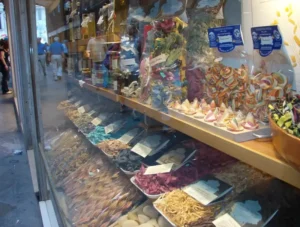
The easiest way to differentiate bronze-cut vs. teflon-extruded pasta at the grocery store is by looking at the color and texture of the dry noodles through the packaging. Artisan bronze-die pasta will look pale, matte, and dusty with a chalky coating of loose flour starches. On the flip side, mass-produced industrial pasta will look smooth, bright yellow, and shiny. Checking the packaging labels for phrases like “Trafilata al Bronzo” or “Bronze Die” is another foolproof method to ensure you are buying the right style.
Pro Tip for the Ultimate Pasta Night
The Professional Pan-Toss Secret: To get the absolute most out of your premium bronze-cut noodles, never rinse them after boiling, and avoid throwing them dry onto a plate with sauce ladled on top.
Instead, drop your pasta directly into your sauce skillet when it is about two minutes away from true al dente. Add a half-cup of your starchy cooking water and toss everything vigorously over high heat. The rough skin of the bronze-cut noodles will work with the starchy water to emulsify the oils and fats, creating a glossy, rich sauce that coats every single strand perfectly.
Conclusion
When choosing between Bronze-Cut vs. Teflon-Extruded Pasta, the winner for anyone serious about flavor and texture is clear. While Teflon-extruded options are budget-friendly and work well for simple baked dishes or cold salads, they cannot compete with the sauce-gripping power and rich flavor of traditional bronze-cut pasta.
By understanding the science behind how your food is made, you can make smart choices in the grocery aisle that bring authentic, restaurant-quality Italian dining right to your kitchen table.
Authoritative External Resources
To dive deeper into the industrial mechanics of food production, read the engineering breakdown of food extrusion processes in the De Gruyter Food Manufacturing Journal.
For a historical perspective on traditional wheat milling practices, explore the grain research published by the International Maize and Wheat Improvement Center (CIMMYT).

Syed Yasar Arafat is the founder of PastaLoverz.com and a food research enthusiast with a focused interest in pasta varieties, traditional Italian cuisine, and balanced eating. Through PastaLoverz.com, he publishes well-researched articles that explain pasta types, cooking methods, and nutritional considerations in clear, practical terms to help readers make informed food choices.