
Bucatini Pasta: Origins, Recipes, and Cooking Tips
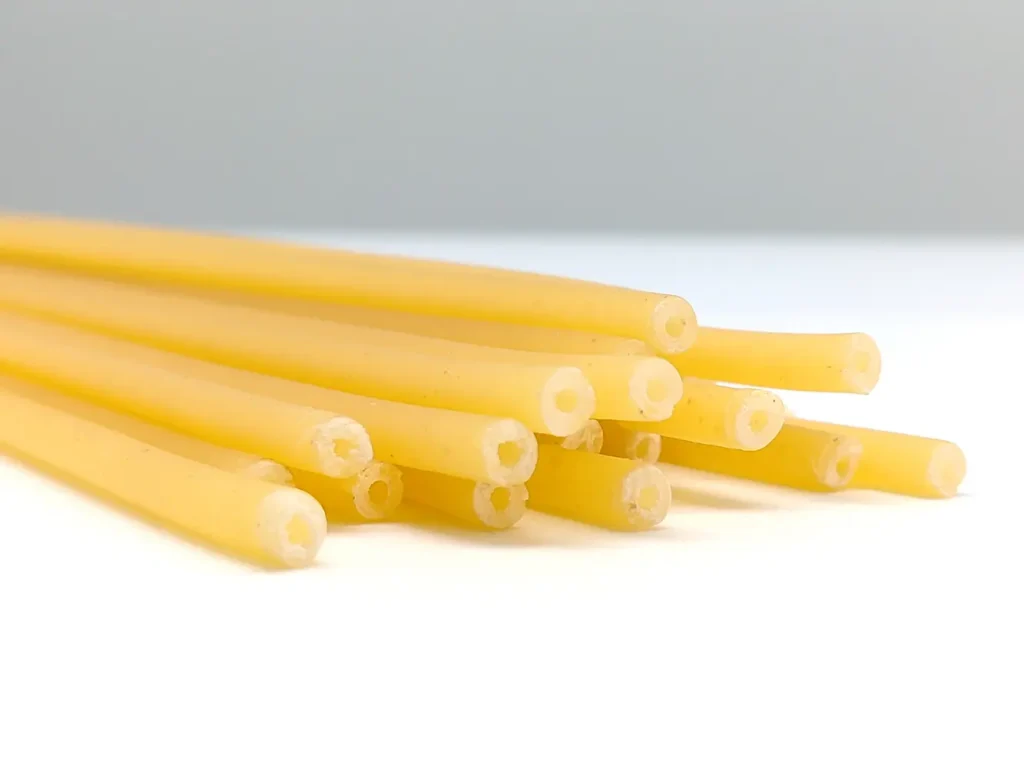
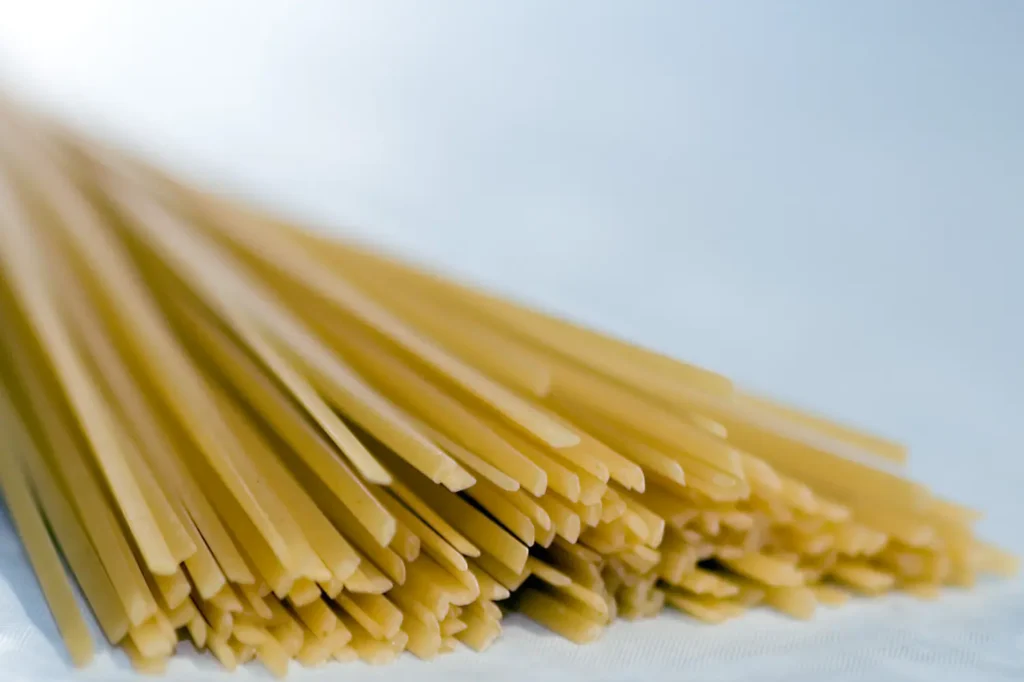
Bucatini pasta is a classic Italian noodle known for its long, hollow shape. Bucatini pasta looks similar to spaghetti, but its tiny holes allow sauces to coat both the outside and inside of the strand.
Quick overview:
Bucatini pasta is a long, tubular pasta with a hollow center. It resembles thick spaghetti, but with a hole running through the middle. That hole is the simple innovation that defines the pasta’s eating experience.
Because the tube collects sauce inside, Bucatini pasta delivers a more concentrated, saucy bite than solid noodles. It is sturdy, satisfying, and ideal for bold, textured sauces.

Why it matters in Italian cooking
Bucatini pasta is a mainstay in Roman and Lazio cuisine. Its structure makes it an excellent partner for preparations that use cured pork, tomatoes, or slow-cooked ragù.
Practical reasons explain its popularity. The hollow center holds sauce; the thicker body offers a pleasing chew; and the shape resists being overwhelmed by strong ingredients. You will also like to read our complete linguine pasta guide for cooking tips and serving ideas.
History and origin
The name “bucatini” comes from the Italian word buco, meaning hole. Regional dialects sometimes call it perciatelli. Bucatini has deep roots in Lazio, where it pairs with local ingredients like guanciale and Pecorino Romano.
While its exact birthplace is debated, Bucatini’s culinary home is clear: it belongs to Roman tables and the dishes that built the region’s reputation for robust, ingredient-driven cooking.
Shape, production, and texture — why the hole counts
Bucatini is produced by extrusion. Dough is pushed through a die that shapes the tube and cuts it to length. The method matters: bronze-drawn dies give a rougher surface that helps sauce cling, while smooth dies produce a sleeker mouthfeel.
The hollow center affects texture. Compared to solid spaghetti, Bucatini has a denser bite and more surface area for sauce to cling to. Thin sauces can sit inside the tube, while textured sauces cling to the outside.
Classic recipes that make it sing
Bucatini all’Amatriciana
It is the canonical pairing: guanciale, tomatoes, Pecorino Romano, and red chili. Crisp the guanciale until the fat renders, add tomatoes and a pinch of heat, then toss the Bucatini in the pan to finish.
With pork ragù
Slow-cooked pork shoulder or a mixed pork ragù with pancetta makes a clingy, meat-forward sauce that fills the tubes and clings to the outside. The balance of meat, fat, and pasta is particularly satisfying.
Lighter takes
Don’t let the tube fool you—Bucatini works with brighter preparations. Lemon, olive oil, garlic, and parsley combine to create a simple sauce that is packed inside the tube. A loose pesto or a ricotta toss also plays well.
Read our complete Ravioli pasta guide for recipes and cooking tips, also.
How to cook Bucatini pasta perfectly — practical steps
- Bring a large pot of water to a rolling boil; salt it generously so it tastes like the sea.
- Add Bucatini and stir immediately to prevent sticking. Use a long-handled spoon to gently separate the strands.
- Because Bucatini is thicker, check for al dente a minute or two after the package time suggests.
- Reserve at least one cup of pasta water before draining.
- Finish the Bucatini in the saucepan with a splash of pasta water for 30–60 seconds to let the sauce cling and emulsify.
- Add grated Pecorino or Parmesan off the heat to avoid a grainy cheese texture.
These practical steps reduce common issues such as splintered tubes, bland pasta, or sauces that refuse to cling.

Pairing, serving, and plating suggestions
Both classic and modern pairings work beautifully with bucatini. For bucatini all’amatriciana, pair it with a medium-bodied red wine such as Sangiovese, which balances the richness of guanciale and tomato. For lighter lemon- or seafood-based bucatini dishes, a crisp white wine like Vermentino enhances freshness without overpowering delicate flavors. Rosé wines also pair well with vegetable-based sauces, especially those featuring zucchini or cherry tomatoes.
When serving, use wide bowls rather than flat plates to help the sauce collect at the base while keeping the pasta warm. Bucatini benefits from generous saucing, as the hollow center holds liquid and intensifies flavor with every bite. For added texture, consider finishing the dish with a light drizzle of extra virgin olive oil or a touch of reserved pasta water to create a glossy finish.
For presentation, twirl bucatini into tight nests using a carving fork or tongs for a clean, restaurant-style look. Shorter lengths can be folded into a neat loop to highlight the pasta’s hollow center. Finish with freshly cracked black pepper, a sprinkle of finely grated Pecorino Romano, and optional garnishes such as fresh parsley, basil, or lemon zest for visual contrast and flavor balance.
.
:

Syed Yasar Arafat is the founder of PastaLoverz.com and a food research enthusiast with a focused interest in pasta varieties, traditional Italian cuisine, and balanced eating. Through PastaLoverz.com, he publishes well-researched articles that explain pasta types, cooking methods, and nutritional considerations in clear, practical terms to help readers make informed food choices.
Pingback: 7 Irresistible Reasons to Love Pasta Tetrazzini Table of Contents
Pingback: Amazing Reasons Linguine Pasta Deserves a Spot on Your Table
Amazing
Pingback: 10 Irresistible Reasons Malloreddus Pasta Deserves a Place on Your Table
유흥알바는 매력적인 선택이지만, 그에
따른 도전과 극복해야 할 과제가 존재합니다.
Kindly English
Pingback: Alphabet Pasta: 7 Amazing Reasons Kids Love It
안녕하세요. ✓ 남성 기능을 생활 관리의 일부로 보고 있다면 클릭이동건강 정품만을 취급하는 파워약국입니다.
✩✩ 잊고 있던 열정을 다시.
관계 속에서 자신감을 되찾고 싶으시다면.
그 시간을 더 강하게, 더 오래 경험해보고 싶으신가요?
공식 홈페이지
⇒ https://mee59.shop
파워약국은 남성 건강 관리를 위해 정품 제품만을 선별하여 제공합니다.
고객이 중요한 순간을 보다 편안하게 즐길 수 있도록 돕습니다.
파워약국 대표 남성 활력 관리 제품, 아이코스 드래곤 (ICOS DRAGON)
아이코스 드래곤은 남성 활력 관리를 목적으로 소개되는 제품입니다.
기존 아이코스 시리즈를 기반으로 개발된 제품입니다.
보다 안정적인 체감을 목표로 설계된
제품입니다.
100% 정품 인증
성분 구성을 고려한 제품
비교적 빠른 체감 보고
반복 구매 사례가 많은 제품
자세한 내용은 공식 사이트를 참고하시기 바랍니다.
Sorry
Pingback: Ruote Pasta: 7 Surprising Secrets Behind Italy,s Wheel-Shaped Favourite