
Ravioli pasta is a traditional Italian stuffed pasta known for its soft dough and flavorful fillings. Ravioli pasta usually consists of small square or round pockets of pasta dough filled with ingredients such as cheese, meat, vegetables, or seafood.
Introduction to Ravioli Pasta
Ravioli pasta is simple to describe and delightfully complex to experience. They are small pockets of pasta dough filled with savory or sweet ingredients and served in countless ways.
These little parcels deliver texture and flavor in one neat bite. That balance—tender pasta and concentrated filling—is why Ravioli pasta remains a firm favorite at home and in restaurants.

The History of Ravioli Pasta
Ravioli pasta has deep roots across Italy. References to filled pasta date back to the 14th Century, with regional recipes passed down through generations.
Different regions adapted Ravioli pasta to local produce. In coastal zones, they appear in broths; inland, they pair with rich cheeses and roasted meats. For a helpful overview of pasta traditions and regional styles, see Eataly’s pasta guide.
What Makes Ravioli Pasta Unique?
Ravioli pasta is a vessel for flavor. Rather than relying solely on sauce, each Ravioli offers a concentrated taste experience.
That makes Ravioli pasta versatile. It can be humble or luxurious, inexpensive or extravagant, rustic or refined, depending on the filling and accompaniments.
The Traditional Craft of Making Ravioli Pasta
Making it by hand is therapeutic. Fresh egg dough is rolled thin, and fillings are portioned precisely to ensure a uniform cook.
Sealing is crucial. Air pockets cause bursts; tight seams preserve the filling and create a clean presentation. Tools vary: some use simple forks to crimp edges, others favor a Ravioli stamp or cutting wheel.
Nutritional Value of Ravioli Pasta
The nutritional profile depends on the filling. Cheese-filled Ravioli are higher in fat and protein. Vegetable or legume fillings boost fiber and lower calories.
Whole-wheat or alternative-flour doughs increase fiber and micronutrients. For balanced meals, pair it with vegetables and a modest sauce rather than heavy cream.
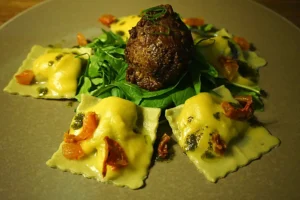
Classic Fillings
Traditional fillings reflect local ingredients. Here are several classic choices that define Ravioli pasta across Italy.
Ricotta and Spinach
This is perhaps the most familiar Ravioli filling. Creamy ricotta balances the slight bitterness of spinach. Finished with butter and sage or a light tomato sauce, it’s a weekend staple in many households.
Meat and Sausage
Hearty fillings of beef, pork, or game are common in northern Italy. Slow-cooked meats, mixed with aromatic herbs, give it a substantial and comforting character.
Mushroom and Truffle
Mushrooms offer earthiness. When paired with truffle or truffle oil, it becomes an elegant, umami-rich dish fit for special occasions.
Pumpkin and Squash
In autumn, pumpkin-filled Ravioli are classic in regions like Emilia-Romagna. They pair beautifully with brown butter, sage, and toasted nuts.
Seafood
Coastal kitchens often feature seafood Ravioli, crafted with ingredients like crab, lobster, or shrimp to create light, ocean-forward flavors that pair well with simple olive oil or citrus sauces.
Regional Variations of Ravioli Pasta
Italian regions have unique takes on filled pastas. Some use different doughs, shapes, or sealing techniques—each variation reflects place and history.
For instance, Culurgiones from Sardinia are a type of stuffed pasta with a distinctive braided seal. In Piedmont, agnolotti are small, folded parcels often filled with roasted meats.
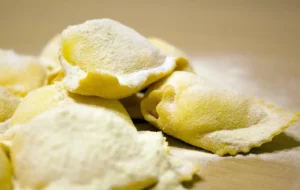
In Modern Cuisine
Contemporary chefs treat Ravioli pasta as a canvas. You’ll find lobster Ravioli with saffron cream, vegan Ravioli made with cashew cheeses, and even dessert Ravioli filled with mascarpone and chocolate.
Restaurants use techniques like sous-vide fillings or flash-searing to add texture, while home cooks reinvent leftovers as fillings—roast chicken, mashed sweet potato, or seasoned lentils.
Pairing with Sauces
Pairing is about balance. The right sauce complements the filling without stealing the show. Here’s a quick guide:
- Butter and sage: excellent with ricotta, pumpkin, or mushroom Ravioli pasta.
- Light tomato sauces pair well with meat or hearty vegetable fillings.
- Cream sauces: pair with truffle, lobster, or rich cheese fillings—use sparingly.
- Citrus and olive oil: brighten seafood without overwhelming delicate flavors.
Tips for Perfect Cooking (Featured Snippet Ready)
Ravioli pasta cooks quickly and rewards a light touch. Use these steps to keep the pillows intact, tender, and full of flavor.
- Salt generously, boil gently. Bring a large pot of well-salted water to a gentle boil. Avoid violent bubbling.
- Time it right. Fresh Ravioli cooks in 3–5 minutes. Frozen Ravioli needs 8–10 minutes. Pull one and taste to confirm.
- Protect the seams. A rolling boil can cause delicate edges to burst. Lower the heat to a steady simmer as soon as you add the pasta.
- Stir once, softly. Nudge the Ravioli after the first minute to prevent them from sticking to the pot or to each other.
- Save pasta water. Reserve 1 cup before draining. The starch naturally thickens sauces and helps them cling without extra fat.
- Finish off the heat. Toss Ravioli with sauce off the heat to prevent overcooking and filling blowouts.
- Use the right sauce weight. Light butter, olive oil, or cream sauces suit delicate fillings. Heavier ragùs work best with sturdier, meat-filled Ravioli.
- Serve immediately. Ravioli is at its peak straight from the pot. Waiting dulls texture and flavor.
Pro tip: Drain gently with a spider or slotted spoon instead of a hard pour to keep the pasta intact.


Serving Ideas and Presentation of Ravioli Pasta
It can be rustic or plated with precision. Presentation matters less than balance, but a few details lift the dish:
- Garnish with fresh herbs and a drizzle of high-quality olive oil.
- Finish with grated Parmesan or shards of aged Pecorino for texture.
- Use toasted nuts—pine nuts or hazelnuts—to add crunch to soft fillings.
- For a refined touch, place three to five Ravioli pasta on a warmed plate and finish with microgreens or a scatter of citrus zest.

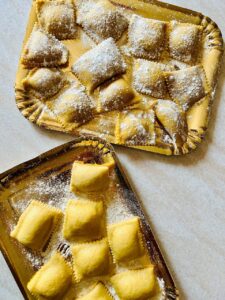
It also works well in broths; a clear chicken or vegetable broth turns each parcel into a comforting starter.
Watch how to make homemade Ravioli
See authentic Italian Ravioli being made
Watch a simple cheese Ravioli recipe
Learn the perfect Ravioli dough technique

FAQ, S

Syed Yasar Arafat is the founder of PastaLoverz.com and a food research enthusiast with a focused interest in pasta varieties, traditional Italian cuisine, and balanced eating. Through PastaLoverz.com, he publishes well-researched articles that explain pasta types, cooking methods, and nutritional considerations in clear, practical terms to help readers make informed food choices.

Solid read! As someone getting into smart investing, I really value posts like this.
Nice to see down-to-earth advice instead of generic tips.