
Roasted Vegetable Whole-Wheat Pasta is the kind of dinner that proves wholesome food does not have to be boring. Tender roasted vegetables, nutty whole-wheat pasta, garlic, herbs, olive oil, and a bright finish come together in one satisfying bowl.
This recipe is designed for busy weeknights, relaxed family dinners, and anyone who wants a vegetable-forward pasta meal with plenty of texture and flavor. The oven does much of the work, caramelizing the vegetables while the pasta cooks.
Why You’ll Love Roasted Vegetable Whole-Wheat Pasta
The best thing about Roasted Vegetable Whole-Wheat Pasta is its balance. You get chewy pasta, sweet caramelized vegetables, savory garlic, fresh herbs, and a light sauce that coats rather than overwhelms.
Roasting also changes the personality of vegetables. Instead of tasting watery or flat, zucchini, bell peppers, onions, cherry tomatoes, broccoli, and eggplant develop browned edges and concentrated sweetness.
Whole-wheat pasta brings a deeper, nuttier flavor than conventional pasta. Harvard’s Nutrition Source notes that whole grains retain the bran, germ, and endosperm, providing fiber and a range of vitamins, minerals, and plant compounds. Harvard also recommends emphasizing whole grains and vegetables as part of a balanced eating pattern. (The Nutrition Source)
Ingredients for Roasted Vegetable Whole-Wheat Pasta
For the Roasted Vegetables
- 1 medium zucchini, sliced into half-moons
- 1 red bell pepper, cut into bite-size pieces
- 1 yellow bell pepper, cut into bite-size pieces
- 1 small red onion, cut into wedges
- 1 cup cherry tomatoes
- 2 cups broccoli florets
- 1 small eggplant, cubed
- 3 tablespoons extra-virgin olive oil
- 4 garlic cloves, finely chopped
- 1 teaspoon dried oregano
- 1 teaspoon dried Italian seasoning
- ½ teaspoon smoked paprika
- ½ teaspoon freshly ground black pepper
- ¼ teaspoon red pepper flakes, optional
- ½ teaspoon salt, or to taste
For the Pasta
- 12 ounces whole-wheat penne, fusilli, or rigatoni
- ½ to 1 cup reserved pasta water
- 2 tablespoons fresh lemon juice
- 1 teaspoon lemon zest
- 2 tablespoons chopped fresh parsley
- ¼ cup grated Parmesan, optional
- 2 tablespoons toasted pine nuts or chopped walnuts, optional
How to Make Roasted Vegetable Whole-Wheat Pasta
1. Heat the Oven
Preheat your oven to 425°F (220°C). Use a large rimmed baking sheet so the vegetables have room to roast instead of steam.
If your baking tray is crowded, divide the vegetables between two trays. Good roasting depends on hot air circulating around the pieces.
2. Season the Vegetables
Add the zucchini, peppers, red onion, tomatoes, broccoli, and eggplant to a large bowl.
Toss with olive oil, garlic, oregano, Italian seasoning, paprika, black pepper, salt, and red pepper flakes.
Make sure every vegetable is lightly coated. You do not need a heavy layer of oil.
3. Roast Until Caramelized
Spread the vegetables into a single layer. Roast for about 25 to 35 minutes, tossing once halfway through.
Look for browned edges, softened centers, and concentrated color. The vegetables should be tender but not completely collapsed.
Tomatoes may blister and release juices. That is useful because their roasted juices become part of the finished sauce.
4. Cook the Whole-Wheat Pasta
While the vegetables roast, bring a large pot of water to a boil. Salt the water and cook the pasta according to the package directions, aiming for an al dente texture.
Start checking early because whole-wheat pasta can move quickly from pleasantly firm to overcooked.
Before draining, reserve at least 1 cup of pasta water.
For more reliable pasta technique, see PastaLoverz’s Cook Pasta Perfectly guide and Water Science for Pasta.
5. Build the Sauce
Return the drained pasta to the warm pot or transfer it to a large skillet.
Add the roasted vegetables, lemon juice, and lemon zest.
Pour in a small splash of reserved pasta water and toss vigorously. Add more water a little at a time until the olive oil, vegetable juices, and pasta starch create a light, glossy coating.
This step is important. You are not making a heavy sauce. You are creating a thin emulsion that helps the flavors cling to the pasta.
6. Finish and Serve
Fold in fresh parsley. Taste and adjust the salt, pepper, and lemon juice.
Top with Parmesan and toasted pine nuts or walnuts if desired.
Serve immediately while the vegetables are warm and the pasta is glossy.
Choosing the Best Vegetables
One reason Roasted Vegetable Whole-Wheat Pasta works so well is that the vegetable combination is flexible.
For sweetness, use red peppers, carrots, red onions, and cherry tomatoes.
For a savory, hearty character, add eggplant, mushrooms, zucchini, or broccoli.
For green color and freshness, finish with spinach, arugula, basil, or parsley after roasting.
Try to combine vegetables with different textures. A tray containing only soft vegetables can become one-dimensional. Pair something that caramelizes firmly, such as peppers or broccoli, with something juicy, such as tomatoes.
Harvard’s Nutrition Source emphasizes both variety and quantity when choosing vegetables and fruits, noting that different produce provides different mixes of nutrients and plant compounds. (The Nutrition Source)
Why Roast the Vegetables Separately?
Boiling vegetables can dilute flavor. Roasting exposes their surfaces to high heat, encouraging browning and concentrating natural sweetness.
The key is space.
If vegetables are packed tightly together, moisture becomes trapped. Instead of developing browned edges, they soften in their own steam.
Use a large tray, keep pieces reasonably similar in size, and avoid adding excessive oil.
You can also roast the vegetables ahead of time. Once cooled, refrigerate them in a covered container and assemble the pasta when needed.
How to Make Roasted Vegetable Whole-Wheat Pasta More Filling
This dish already combines whole grains and vegetables, but you can increase its protein content without turning it into a heavy meal.
Add chickpeas, white beans, lentils, grilled chicken, shrimp, or baked tofu.
For a Mediterranean direction, use chickpeas, olives, parsley, lemon, and a little feta.
For a richer Italian-inspired version, add Parmesan, basil, toasted pine nuts, and a small amount of sun-dried tomato.
Harvard’s Healthy Eating Plate recommends building meals around vegetables and fruits, whole grains, and healthy protein sources. (The Nutrition Source)
Nutrition Benefits of Roasted Vegetable Whole-Wheat Pasta
The nutritional profile of Roasted Vegetable Whole-Wheat Pasta depends on ingredients and serving size, but its basic structure offers several useful qualities.
Whole-wheat pasta supplies complex carbohydrates and fiber. Whole grains contain the bran and germ that are largely removed during refining. Harvard explains that these components contribute fiber, vitamins, minerals, antioxidants, and other plant compounds. (The Nutrition Source)
The vegetables add fiber, potassium, vitamin C, carotenoids, and numerous other plant compounds, depending on the varieties used.
Olive oil contributes unsaturated fat and helps carry fat-soluble flavors from herbs and spices.
The combination also supports a more balanced plate than a large serving of pasta with a small amount of vegetables.
That does not make every portion automatically “healthy.” Portion size, total ingredients, added cheese, oil quantity, and individual nutritional needs all matter.
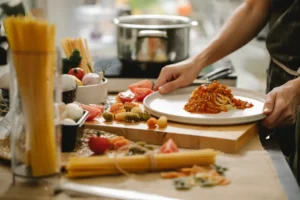
Tips for Perfect Roasted Vegetable Whole-Wheat Pasta
Do Not Overcrowd the Tray
This is the most important roasting rule. Give the vegetables room.
Cut Vegetables According to Cooking Time
Hard vegetables should be smaller than quick-cooking vegetables. If everything is the same size, softer ingredients may overcook before dense ones become tender.
Reserve Pasta Water
Starchy pasta water can help bring the ingredients together. Add it gradually rather than pouring in a large amount.
Keep the Pasta Al Dente
A firm bite creates contrast with soft roasted vegetables. Overcooked pasta can make the whole dish feel heavy.
Use Acid at the End
Lemon juice brightens roasted vegetables and balances olive oil. Add it after cooking so the flavor stays fresh.
Taste Before Serving
Roasted vegetables can be naturally sweet, so salt, lemon, black pepper, and herbs are especially important for balance.
For more technique, explore the PastaLoverz pasta cooking mistakes guide.
Flavor Variations
Mediterranean Style
Use zucchini, eggplant, peppers, cherry tomatoes, olives, parsley, lemon, and feta. This version is especially good served warm or at room temperature.
Garlic Herb Style
Increase the garlic and add fresh basil, parsley, oregano, and a little Parmesan.
Spicy Roasted Vegetable Pasta
Add red pepper flakes, chili powder, or thinly sliced fresh chili before roasting.
Creamy Vegetable Version
Stir in a small amount of ricotta or plain Greek yogurt after the pasta has cooled slightly. Add pasta water gradually to create a smooth coating.
Protein-Packed Version
Add chickpeas, lentils, tofu, grilled chicken, or shrimp. Keep the roasted vegetables as the centerpiece rather than letting the protein dominate.
What Pasta Shape Works Best?
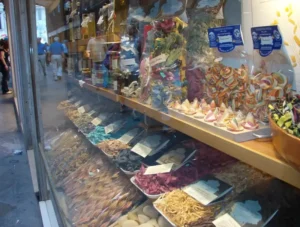
Penne, fusilli, and rigatoni are excellent choices for Roasted Vegetable Whole-Wheat Pasta because their shapes can hold small pieces of roasted vegetables and the light coating created by pasta water.
Fusilli is particularly good when you want herbs and vegetable juices to cling to the twists.
Penne provides a sturdy, familiar bite.
Rigatoni creates a more substantial, restaurant-style presentation.
For a deeper look at shape and sauce compatibility, visit the PastaLoverz Ultimate Pasta Pairing Guide. Pasta shape influences how sauce and ingredients are carried in each bite.
Storage and Reheating
Store leftovers in an airtight container in the refrigerator and use them within a few days.
When reheating, add a small splash of water before warming. This helps loosen the pasta and prevents it from becoming dry.
A skillet over medium-low heat usually gives better texture than aggressive microwave heating. Stir occasionally and finish with fresh lemon juice, parsley, or Parmesan.
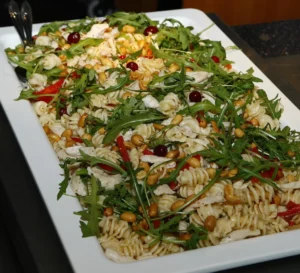
You can also serve leftovers as a pasta salad. Allow the pasta to cool, add fresh greens, a little olive oil, lemon juice, and extra roasted vegetables.
Common Mistakes to Avoid
One mistake is using too much oil. The vegetables need enough to brown, but excess oil can make the final pasta greasy.
Another is cutting every vegetable into huge chunks. Large pieces may remain firm while smaller ingredients become overly soft.
Do not skip the pasta water. Without it, the ingredients can taste disconnected.
Avoid rinsing the pasta when serving it hot. Rinsing removes surface starch that helps sauces and dressings cling.
Finally, do not drown the pasta in cheese. Parmesan should enhance the roasted vegetables rather than cover them.
Frequently Asked Questions
Is Roasted Vegetable Whole-Wheat Pasta good for meal prep?
Yes. Roast the vegetables and cook the pasta separately, then combine portions when ready to eat. Keeping the components separate can help preserve texture.
Can I use frozen vegetables?
Yes. Frozen broccoli, peppers, or other suitable vegetables can work. Roast them directly from frozen when appropriate, but avoid overcrowding the pan because they may release extra moisture.
Can I make this recipe vegan?
Absolutely. Skip Parmesan or replace it with a plant-based alternative. Chickpeas, white beans, or tofu can add extra protein.
What vegetables taste best with whole-wheat pasta?
Bell peppers, zucchini, tomatoes, onions, broccoli, eggplant, mushrooms, and carrots all work well. Choose a mixture of sweet, savory, and earthy vegetables for complexity.
How do I stop whole-wheat pasta from becoming dry?
Do not overcook it, reserve pasta water, and finish the pasta with the roasted vegetables while adding enough olive oil and pasta water to create a glossy coating.
Can I add meat or seafood?
Yes. You can add grilled chicken, shrimp, salmon, or lean turkey. Keep the seasoning simple so the roasted vegetables remain prominent.
Is whole-wheat pasta healthier than regular pasta?
Whole-wheat pasta generally contains more fiber and retains more whole-grain components than refined pasta. Harvard recommends choosing whole grains more often, while noting that overall food quality and the complete eating pattern matter. (The Nutrition Source)
Can I make Roasted Vegetable Whole-Wheat Pasta ahead of time?
Yes! You can roast the vegetables and cook the pasta up to 3 days in advance. Store them separately in airtight containers in the fridge. Reheat the vegetables and pasta together in a skillet over medium heat with a splash of warm water and olive oil to restore freshness.
What is the best whole-wheat pasta shape for roasted vegetables?
Short, textured pasta shapes like penne, fusilli, rigatoni, or farfalle (bowtie) work best. Their ridges and grooves capture small pieces of vegetables, herbs, and the light olive oil coating, ensuring a balanced bite every time.
How do I keep whole-wheat pasta from becoming dry or gummy?
To prevent dryness, always cook the pasta al dente (1–2 minutes less than the package directions) and save 1 cup of starchy pasta water before draining. Toss the warm pasta, roasted vegetables, olive oil, and a splash of reserved pasta water together immediately to create a smooth, glossy coating.
Can I add protein to this roasted vegetable pasta?
Absolutely. Great plant-based protein options include chickpeas, white beans, or crispy baked tofu. If you prefer meat or seafood, top the dish with grilled chicken breast, sautéed shrimp, or sliced turkey sausage.
What cheese pairs best with roasted vegetable pasta?
Freshly grated Parmesan, Pecorino Romano, or crumbled feta pair exceptionally well. For a creamier finish, stir in a spoonful of fresh ricotta or goat cheese right before serving.
PastaLoverz Pro Tip
For exceptional flavor, do not think of the roasted vegetables as a topping. Treat them as the sauce foundation.
Roast the vegetables until their edges are deeply browned, then scrape every flavorful bit and juice from the tray into the pasta. Add reserved pasta water gradually and toss vigorously for 30 to 60 seconds.
Finish with lemon zest and fresh herbs only after the heat is reduced.
That final contrast between caramelized vegetables, glossy pasta, bright citrus, and fresh herbs is what makes Roasted Vegetable Whole-Wheat Pasta taste far more sophisticated than its simple ingredient list suggests.
Conclusion
Roasted Vegetable Whole-Wheat Pasta is a practical, colorful, and deeply flavorful way to bring more vegetables and whole grains to the dinner table. It is flexible enough for weeknight cooking, attractive enough for casual entertaining, and easy to customize around whatever produce you have available.
The formula is simple: roast vegetables until caramelized, cook whole-wheat pasta al dente, reserve the pasta water, then bring everything together with olive oil, lemon, herbs, and just enough starchy water to create a cohesive finish.
For more ideas, explore the PastaLoverz Pasta Pairing Guide and Water Science for Pasta. For broader nutrition guidance, see Harvard T.H. Chan School of Public Health’s Healthy Eating Plate and Whole Grains guide. (The Nutrition Source)

Syed Yasar Arafat is the founder of PastaLoverz.com and a food research enthusiast with a focused interest in pasta varieties, traditional Italian cuisine, and balanced eating. Through PastaLoverz.com, he publishes well-researched articles that explain pasta types, cooking methods, and nutritional considerations in clear, practical terms to help readers make informed food choices.