
Few dishes occupy as revered a spot in comfort food history as a golden, bubbling, beautifully layered classic beef lasagna. The combination of savory meat sauce, rich herbs, silky pasta ribbons, and molten cheese creates a comforting harmony that appeals to all ages. Whether you are preparing a Sunday family feast, hosting a dinner party, or stocking your freezer with hearty meal-prepped portions, knowing how to make an exceptional classic beef lasagna from scratch is an essential skill for any home chef.
In this comprehensive culinary guide, we break down everything required to prepare a flawless classic beef lasagna, from ingredient science and step-by-step cooking techniques to storage, nutrition, and expert troubleshooting tips.
Why Every Home Cook Needs a Go-To Classic Beef Lasagna
The enduring popularity of a classic beef lasagna lies in its perfect balance of textures and rich Italian-inspired flavors. Unlike quick weeknight pastas that come together in fifteen minutes, a slow-assembled classic beef lasagna represents thoughtful cooking.
When made correctly, each layer retains its identity while contributing to a unified bite:
The Bottom Layer: A light coating of ragu that prevents sticking and crisps slightly along the bottom edge.
The Pasta Layers: Tender ribbons of pasta that absorb the seasoned liquids from the surrounding ingredients.
The Filling Layers: Creamy ricotta elevated with fresh egg, sharp Parmesan, and shredded mozzarella.
The Crown: A bubbly, golden-brown crust of broiled cheese that delivers maximum visual appeal and flavor.

The Science Behind a Perfectly Structured Classic Beef Lasagna
Creating a restaurant-quality classic beef lasagna is as much an exercise in food science as it is in traditional cooking. Understanding how moisture, heat, and structural binders interact helps prevent common issues like a watery dish or collapsing layers.
+-------------------------------------------------------+
|             Golden Mozzarella & Parmesan Crust        |
+-------------------------------------------------------+
|  Rich Meat Sauce  |  Ricotta-Egg Blend | Pasta Sheet  |
+-------------------------------------------------------+
|  Rich Meat Sauce  |  Ricotta-Egg Blend | Pasta Sheet  |
+-------------------------------------------------------+
|  Rich Meat Sauce  |  Ricotta-Egg Blend | Pasta Sheet  |
+-------------------------------------------------------+
|                   Base Meat Sauce                     |
+-------------------------------------------------------+
1. Sauce Reduction and Moisture Balance
Tomatoes contain a high percentage of water. If you combine crushed tomatoes with ground beef and immediately assemble your dish, that excess liquid will seep into the pasta layers during baking, producing a soggy dish. Simmering the meat sauce for at least 30 minutes evaporates surplus moisture and concentrates the natural sugars and savory umami flavors.
2. The Egg as a Thermal Binder
Pure ricotta cheese becomes runny when heated. By whisking a fresh whole egg into the ricotta mixture, you introduce proteins that coagulate as the internal temperature reaches 65°C to 70°C (150°F to 160°F). This egg binder stabilizes the cheese layer, ensuring your classic beef lasagna holds clean, distinct layers when sliced.
3. Starches and Pasta Hydration
Par-boiling traditional dry pasta sheets slightly under al dente allows them to finish cooking inside the baking dish by absorbing excess moisture from the sauce. This creates a cohesive structure where the pasta locks together with the meat and cheese.
Essential Ingredients for an Authentic Classic Beef Lasagna
Below is the complete, perfectly balanced ingredient list formulated for 8 generous servings:

The Savory Meat Ragu
Olive Oil: 2 tablespoons (extra virgin olive oil provides the best aromatic base)
Lean Ground Beef: 500 g (an 85/15 or 90/10 lean ratio ensures rich flavor without excessive grease)
Yellow Onion: 1 medium, finely diced
Garlic: 3 cloves, minced
Crushed Tomatoes: 800 g (canned Italian plum or San Marzano crushed tomatoes)
Tomato Paste: 2 tablespoons (concentrated paste adds color and deep savory notes)
Herbs & Seasoning: 1 teaspoon dried oregano, 1 teaspoon dried basil, fine sea salt, and freshly cracked black pepper
The Creamy Cheese Layer
Ricotta Cheese: 500 g (whole milk ricotta delivers a rich, silky mouthfeel)
Egg: 1 large egg (essential for binding the cheese layer)
Parmesan Cheese: 1 cup, finely grated (freshly grated Parmigiano-Reggiano adds sharp, salty depth)
Mozzarella Cheese: 2 cups, shredded (low-moisture, whole-milk mozzarella gives superior melt)
Assembly Components
Lasagna Pasta Sheets: 12 standard sheets
Top Crust Layer: 1 additional cup of shredded mozzarella for topping
Step-by-Step Method for Baking Classic Beef Lasagna
Follow these structured steps to ensure your classic beef lasagna cooks evenly and achieves maximum flavor depth.
Step 1: Prepare the Meat Sauce
Sauté the Aromatics: Warm 2 tablespoons of olive oil in a large, heavy skillet or Dutch oven over medium heat. Add the finely diced onion and cook for 3 to 4 minutes until soft and translucent. Add the minced garlic and sauté for 60 seconds until fragrant.
Brown the Beef: Add the 500 g of lean ground beef to the pan. Use a wooden spoon to break the meat into fine crumbles. Cook for 6 to 8 minutes until no pink remains. Drain any excess fat if necessary.
Incorporate Tomatoes & Seasoning: Stir in 2 tablespoons of tomato paste and cook for 1 minute to lightly caramelize. Pour in 800 g of crushed tomatoes, followed by 1 teaspoon dried oregano, 1 teaspoon dried basil, salt, and pepper.
Simmer: Turn the heat to low, partially cover the pan, and simmer gently for 30 minutes, stirring occasionally, until thick and fragrant.
Step 2: Whisk the Cheese Filling
In a medium mixing bowl, combine 500 g of whole milk ricotta, 1 large egg, and 1 cup of freshly grated Parmesan cheese.
Mix thoroughly until smooth and uniform.
Fold in 1 cup of the shredded mozzarella cheese. Season with a small pinch of salt and black pepper, then set aside.
Step 3: Cook the Pasta
Bring a large pot of salted water to a rolling boil.
Add 12 lasagna sheets and cook for roughly 2 minutes shorter than package directions for al dente.
Drain the pasta gently and lay the sheets flat on parchment paper or clean dish towels to prevent sticking.
Step 4: Assemble the Layers
Preheat your oven to 180°C (350°F) and lightly oil a deep 9×13-inch ceramic or glass baking dish.
Base Layer: Spread roughly ½ cup of meat sauce thinly over the bottom of the baking dish.
Noodle Layer: Arrange 3 to 4 pasta sheets flat across the sauce, slightly overlapping edges if needed.
Cheese & Meat: Spread a third of the ricotta mixture over the noodles, follow with a layer of meat sauce, and sprinkle a handful of mozzarella.
Repeat: Repeat the pasta, ricotta, meat sauce, and mozzarella layers two more times until all filling ingredients are used.
Top Finish: Place the final layer of pasta sheets on top, spread the remaining meat sauce evenly over the noodles, and sprinkle generously with the remaining mozzarella and extra Parmesan.
Step 5: Bake and Brown
Cover the baking dish loosely with aluminum foil, tenting the center so it does not touch the cheese.
Bake at 180°C (350°F) for 30 minutes.
Remove the foil carefully and bake uncovered for an additional 15 to 20 minutes until the top cheese is golden, bubbly, and slightly crisp around the edges.

Pro Tips to Avoid Common Classic Beef Lasagna Mistakes
Even seasoned cooks occasionally encounter challenges when preparing a classic beef lasagna. Here is how to prevent common issues:
Layering Technique for Classic Beef Lasagna
When assembling your classic beef lasagna, avoid overfilling individual layers with sauce. Excessive liquids cause layers to slip and slide when serving. Spread thin, even layers, ensuring every corner of the dish is covered so the edge noodles cook properly.
Temperature Control for Cooking Classic Beef Lasagna
Baking covered with aluminum foil during the first half of cooking traps steam inside the pan, allowing the internal layers of your classic beef lasagna to heat through without drying out the top layer of cheese. Uncovering during the second half enables the mozzarella to brown and caramelize via the Maillard reaction.
The Essential Rest Period
Chef’s Tip: Never cut into a classic beef lasagna immediately after pulling it from the oven!
Allowing your classic beef lasagna to rest on a wire rack for 15 to 20 minutes at room temperature is essential. During this resting window, melted fat and liquids re-absorb into the pasta, and the egg in the ricotta sets firmly. Slicing too early causes liquid to pool on the plate, whereas resting produces clean, picture-perfect portions.
Nutrition Breakdown for Classic Beef Lasagna
Understanding the nutritional content of your meal helps in planning well-balanced dietary portions.
Note: Nutritional values are approximate estimates based on standard whole-milk dairy and lean beef ingredients.
Storing, Freezing, and Reheating Your Classic Beef Lasagna
One of the greatest advantages of making a classic beef lasagna is how well it stores and reheats. In fact, many pasta enthusiasts agree that a classic beef lasagna tastes even better the next day as the herbs and flavors meld together.
Refrigeration
Store leftover portions of classic beef lasagna in airtight containers in the refrigerator for up to 4 days. Reheat individual slices in the microwave for 2 to 3 minutes or warm covered in a 175°C (350°F) oven for 15 minutes.
Freezing Options
Freezing Unbaked: Assemble the entire classic beef lasagna in a freezer-safe aluminum dish. Cover tightly with plastic wrap and heavy-duty aluminum foil. Freeze for up to 3 months. Thaw completely in the refrigerator overnight before baking as directed.
Freezing Baked Slices: Slice cooled classic beef lasagna into single portions, wrap each in parchment paper and foil, and store in freezer bags. Reheat frozen slices directly in an oven at 180°C (350°F) for 25 to 30 minutes.
Pairing & Authentic Culinary Standards
For more handcrafted meal ideas and step-by-step guides, explore our full collection of PastaLoverz Italian recipes. When preparing ground meat for baked pasta dishes, following proper food safety guidelines is essential—the USDA Food Safety and Inspection Service recommends cooking ground beef to an internal temperature of () to ensure it is thoroughly prepared. Furthermore, while American-Italian recipes frequently feature a rich ricotta filling, traditional Italian ragù techniques certified by the Accademia Italiana della Cucina often favor a slow-simmered meat sauce layered exclusively with homemade béchamel and Parmigiano-Reggiano.

🍝 PastaLoverz Special Tip for Classic Beef Lasagna
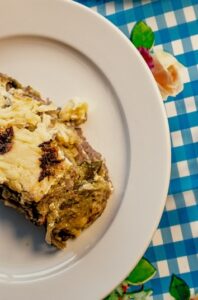
The Dual-Meat & Parmesan Crust Secret: For an unbelievable elevation of flavor, swap half of the ground beef in your classic beef lasagna for mild Italian pork sausage with casings removed. The natural fennel, garlic, and herbs present in Italian sausage impart a rich, savory complexity that elevates standard beef. Furthermore, during the final 5 minutes of baking your classic beef lasagna, dust an extra layer of freshly grated Parmigiano-Reggiano directly over the bubbling mozzarella top. This creates an aromatic, golden cheese crust with an irresistible nutty crunch!

Syed Yasar Arafat is the founder of PastaLoverz.com and a food research enthusiast with a focused interest in pasta varieties, traditional Italian cuisine, and balanced eating. Through PastaLoverz.com, he publishes well-researched articles that explain pasta types, cooking methods, and nutritional considerations in clear, practical terms to help readers make informed food choices.