
Cencioni pasta appears quietly in Italian culinary history, yet it delivers exceptional texture, sauce grip, and regional character.
Cencioni pasta is a small, concave Italian pasta shape that holds sauce beautifully. Its curved, shell-like form creates the perfect pocket for rich tomato, creamy, or meat-based sauces.
What Is Cencioni Pasta?
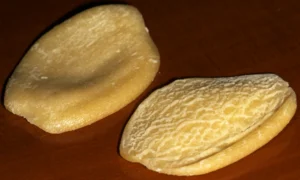
Cencioni pasta is a rustic Italian pasta shape formed into soft oval petals with a slightly concave center. Its rough surface allows sauces to cling effectively.
Food historians classify it as a stretched pasta shape designed for function rather than decoration. Wikipedia explains.
Our bigoli, chifferi, and chickpea pasta guides are also valuable sources to enhance your knowledge
Shape, Texture, and Ingredients
Cencioni forms as a flattened oval with raised edges that naturally trap sauces.
Core Ingredients
- Durum wheat semolina
- Water
Traditional producers use bronze dies and slow drying to preserve texture.
Trusted producer example:
Rustichella d’Abruzzo cencioni
Regional Roots and Cultural History
Cencioni originates in central and southern Italy, especially Basilicata and Marche, regions known for their strong traditions of handmade pasta shaped by necessity rather than aesthetics. In these areas, pasta was designed to work well with limited ingredients and seasonal cooking rather than to impress visually.
The name comes from the Italian word cencio, meaning cloth or rag, reflecting its irregular, folded appearance. This naming tradition was common in rural Italy, where pasta shapes often took inspiration from everyday objects found in the home or workshop.
Historically, cencioni belonged to the family of stretched pasta shapes, formed by hand from rolled sheets of dough. Unlike extruded pasta, which arrived later with industrial production, stretched shapes preserved local identity and technique. Each household produced slightly different versions, giving the pasta a personal and regional signature.
In agricultural communities, this pasta played a practical role. Its curved surface allowed it to hold simple sauces made from tomatoes, olive oil, herbs, or legumes, ingredients that were affordable and locally available. This made it a staple during communal meals, religious feasts, and family gatherings.
Cencioni also reflects a broader Italian culinary philosophy. It values texture, balance, and restraint over excess. Rather than overwhelming the palate, the pasta supports the sauce, allowing each ingredient to remain distinct.
Today, cencioni survives through artisan producers and regional cooking traditions rather than mass production. Its continued use serves as a quiet preservation of Italy’s rural food heritage, connecting modern kitchens to centuries of everyday cooking shaped by land, climate, and culture.
Historical context:
Italian pasta regions overview
Historical context:
Italian pasta regions overview
How to Cook Cencioni Properly
- Bring a large pot of water to a rolling boil
- Salt generously
- Add pasta and stir gently
- Cook for 10 to 14 minutes until al dente
- Reserve pasta water and finish in the sauce
Video guide:
How to make CENCIONI pasta (little rags), completely from scratch
Best Sauces for Cencioni
Tomato-Based Sauces
Chunky tomato sauces cling naturally to the curved surface.
Seafood and Herb Sauces
Light fish, mint, parsley, and olive oil balance the texture well.
Recipe example:
Cencioni with tomato, fish, and mint
Cheese and Vegetable Sauces
Ricotta, Pecorino, mushrooms, peas, and zucchini are evenly coated.
Internal reference:
Best pasta and sauce pairings
Traditional and Modern Recipe Ideas
Classic Italian Style
- Olive oil
- Garlic
- Tomatoes
- Pecorino cheese
Modern Variations
- Roasted vegetables
- Creamy mushroom sauces
- Seafood with citrus zest
Nutritional Value and Dietary Notes
Durum wheat semolina pasta provides complex carbohydrates and moderate protein, making it a reliable source of sustained energy rather than a quick spike. These carbohydrates digest slowly, which helps maintain stable blood sugar levels when eaten in proper portions and paired with fiber-rich foods.
Semolina naturally contains gluten, which gives the pasta its firm structure and satisfying bite. While it is not suitable for people with celiac disease, its protein network helps the pasta remain al dente and digest more steadily than softer refined flours.
Cencioni made from high-quality durum wheat also offers small amounts of iron, magnesium, and B vitamins. These nutrients support energy metabolism and muscle function, especially when pasta forms part of a balanced meal rather than a standalone dish.
Portion control plays an important role. A serving of 80 to 100 grams of dry pasta provides enough energy for most adults without excess calories. Finishing the pasta with vegetables, olive oil, legumes, or seafood increases fiber and micronutrient intake while keeping the meal satisfying.
For those focused on dietary balance, whole-wheat semolina pasta offers higher fiber and greater satiety. Fiber slows digestion further and supports gut health, which is why traditional Italian meals often pair pasta with vegetables and greens rather than heavy sauces.
From a culinary nutrition perspective, cencioni works well in meals designed for endurance, active lifestyles, and long workdays. When cooked al dente and paired thoughtfully, it fits comfortably into Mediterranean-style eating patterns that emphasize moderation, variety, and enjoyment.
Frequently Asked Questions
Q: What makes this pasta different from orecchiette?Yes. It is wider, offering more surface area for sauces.
Is cencioni pasta fresh or dried? Both exist, though dried versions are more common.
Q: Can it be baked?Yes, especially with tomato and cheese sauces.
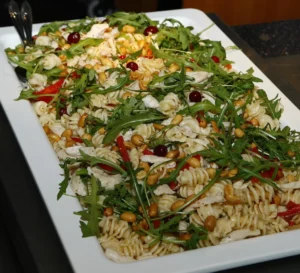
Q: Is it good for pasta salads?Yes. The textured surface helps dressings cling.
Q: What region of Italy is cencioni pasta from?
Cencioni pasta comes from central and southern Italy, with strong ties to regions such as Basilicata and Marche.
Q: Is cencioni pasta rare?
Yes. Cencioni pasta is considered a lesser-known regional shape and is not commonly found in supermarkets outside Italy.
Q: What type of pasta is cencioni?
Cencioni belongs to the stretched pasta family and is shaped from rolled dough rather than extruded.
Q: Does cencioni pasta hold sauce well?
Yes. Its rough surface and curved shape help sauces cling effectively, especially thicker or chunkier sauces.
Q: Can cencioni pasta be made at home?
Yes. Home cooks can make cencioni using durum wheat semolina and water, shaping the dough into small oval petals.
Q: Is cencioni pasta good for vegetarian dishes?
Yes. Cencioni works very well with vegetables, cheeses, and olive oil-based sauces, making it suitable for vegetarian meals.
Q: What is the best cheese to use with cencioni pasta?
Pecorino, ricotta, and aged Parmigiano-Reggiano pair well because the pasta’s surface holds them well.
Q: How much cencioni pasta should I cook per person?
For dried cencioni pasta, use about 80 to 100 grams per person, depending on appetite.
Q: Is cencioni pasta the same as petal-shaped pasta?
Cencioni is often described as petal-shaped, but it has a flatter and broader profile than many decorative pasta shapes.
Q: Why is cencioni pasta not widely known?
Cencioni remained a regional pasta and was never produced on the same industrial scale as more common shapes like spaghetti or penne.
Q: Is cencioni pasta traditional or modern?
Cencioni pasta is a traditional shape rooted in rural Italian cooking and predates modern industrial pasta production.
Q: Which sauces should be avoided with cencioni pasta?
Very thin sauces tend to slide off. Heavily oily sauces without texture also do not perform as well.
Q: Is cencioni pasta suitable for Mediterranean-style diets?
Yes. When paired with vegetables, olive oil, legumes, or seafood, it fits well within Mediterranean eating patterns.
Q: Can cencioni pasta be paired with meat sauces?
Yes. Light meat sauces or slow-cooked ragù with small cuts of meat work better than very heavy meat sauces.
Q:Is Cencioni pasta kid-friendly?
Yes. Its soft texture and manageable size make it easy for children to eat, especially with simple sauces.
Q: Does cencioni pasta reheat well?
Yes. It reheats better than long pasta shapes when stored with enough sauce to prevent drying.
Q: What cooking mistakes should be avoided with cencioni pasta?
Overcooking is the most common mistake. It should be cooked al dente to preserve texture and to help the sauce grip.
Q: Is cencioni pasta used in festive or everyday meals?
Traditionally, it was used for both everyday family meals and special gatherings, depending on available ingredients.
Q: Can cencioni pasta be paired with legumes?
Yes. Chickpeas, lentils, and white beans pair well and reflect traditional Italian cucina povera cooking.
Q: Why do chefs prefer rough-surfaced pasta like cencioni?
The rough surface improves sauce adhesion, resulting in better flavor distribution in every bite.
Q: How do you pronounce Cencioni pasta correctly?
Cencioni pasta is pronounced “chen-CHOH-nee” in Italian. The soft “ce” sounds like “che” in “cherry,” and the emphasis falls on the second syllable.
Q: What is the difference between Cencioni and shell pasta (conchiglie)?
Cencioni pasta is flatter and more open than classic shell pasta. While conchiglie forms a deeper cup, Cencioni has a broad, petal-like shape with a rough surface that holds chunky sauces and vegetables especially well.
Q: Is Cencioni pasta good for one‑pot pasta recipes?
Yes. Cencioni pasta works very well in one‑pot recipes because its shape cooks evenly and absorbs broth and sauce flavors without breaking apart. It is ideal for rustic, family-style pasta dishes.
Q: How long does it take to cook Cencioni pasta al dente?
Most dried Cencioni pasta cooks to al dente in 10–14 minutes, depending on thickness and brand. Always check the package instructions and start tasting 2 minutes before the minimum time.
Q: Can Cencioni pasta be used in baked pasta dishes?
Cencioni pasta is excellent in baked dishes with tomato, cheese, and vegetable or meat sauces. Its curved shape traps sauce and melted cheese, preventing the pasta from drying out in the oven.
Q: Which proteins pair best with Cencioni pasta?
Light proteins such as seafood, chicken, sausage crumbles, and legumes pair best with Cencioni pasta. Their smaller pieces nestle into the curved shape, giving every bite a balanced mix of pasta, sauce, and protein.
Q: Is Cencioni pasta suitable for vegans?
Traditional dried Cencioni pasta made from durum wheat semolina and water is naturally vegan. Always read the label, as some artisan versions may include eggs or be produced in facilities that handle egg pasta.
Q: Can gluten‑free Cencioni pasta be made at home?
You can create a gluten‑free version of Cencioni pasta at home using a blend of gluten‑free flours and binders such as psyllium husk or xanthan gum. The key is to achieve a dough that stretches without tearing so you can form the classic petal shape.
Q: How should Cencioni pasta be stored for maximum freshness?
Store dried Cencioni pasta in an airtight container away from heat, light, and moisture. When kept in a cool, dry pantry, it can maintain quality for many months beyond the printed best‑by date.
Q: What are the best herbs to use with Cencioni pasta?
Fresh basil, parsley, oregano, and mint highlight the rustic character of Cencioni pasta. These herbs work especially well in tomato-based sauces, seafood sauces, and vegetable-forward Mediterranean recipes.
Q: Can Cencioni pasta be used in cold pasta salads?
Yes. Cencioni pasta holds dressings and small ingredients like peas, diced vegetables, and cheese cubes very well. Cook it slightly past al dente for salads, then rinse briefly, dress while still warm, and chill.
Q: How much sauce should you use for Cencioni pasta?
Because Cencioni grips sauce so effectively, you need slightly less sauce than with smoother shapes. Aim for a light, glossy coating where each piece is covered but not swimming in sauce.
Q: Is Cencioni pasta better with thick or smooth sauces?
Cencioni pasta performs best with thick, textured sauces that can settle into its curves—think chunky tomato, vegetable ragù, or creamy mushroom sauces. Very thin, oily sauces tend to slide off and are less satisfying.
Q: What cooking techniques bring out the best texture in Cencioni pasta?
For the best texture, cook Cencioni pasta in well‑salted water until just al dente, then finish it for 1–2 minutes in the pan with sauce. Adding a splash of starchy pasta water helps the sauce emulsify and cling to the rough surface.
Q: Is Cencioni pasta traditional in Italian cucina povera?
Yes. Cencioni pasta fits perfectly into Italian cucina povera traditions. Its shape was designed to work with simple, affordable ingredients like tomatoes, beans, herbs, and olive oil, turning humble pantry staples into satisfying meals.
Great pasta starts with mastering the basics: proper cooking technique, correct water usage, smart sauce pairing, and avoiding common mistakes.
These fundamentals directly impact texture, flavor, and how well the sauce clings to pasta. By following a reliable pasta-cooking guide, understanding pasta-cooking water science, choosing the best pasta for each sauce, and learning common pasta mistakes, you can consistently cook pasta that tastes balanced, structured, and restaurant-quality.
Our Pasta Cooking and Casarecce Pasta Guides are Valuable Contributions. Casarecce Pasta: 11 Essential Secrets for Perfect Sauce. Pasta Cooking: 9 Powerful Secrets for Perfect Results
SUMMARY:
Cencioni pasta is a rustic, petal‑shaped Italian pasta from central and southern regions such as Basilicata and Marche. Its slightly concave, rough surface is designed to grip sauce, making it ideal for rich tomato, vegetable, seafood, and light meat sauces.
Traditionally part of cucina povera, Cencioni was shaped by hand to work with simple, seasonal ingredients rather than to look decorative
. In this guide, you discover what Cencioni pasta is, how it differs from other shapes like orecchiette and shells, the best cooking techniques for perfect al dente texture, classic and modern sauce pairings, nutrition and portion advice, and practical tips for using it in everyday and festive Italian meals.
Together, these insights show why Cencioni remains a quiet favorite for cooks who value texture, balance, and authentic regional pasta traditions.
Semantically Optimized Summary
Cencioni pasta is a traditional, petal‑shaped Italian pasta from central and southern regions such as Basilicata and Marche. Its slightly concave, rough surface is engineered to hold sauce.
Making it ideal for rich tomato ragù, creamy vegetable sauces, seafood preparations, and light meat sauces. Rooted in cucina povera, Cencioni was originally hand‑stretched from durum wheat semolina dough to transform simple ingredients—like tomatoes, legumes, herbs, and olive oil—into deeply satisfying meals.
This guide explains what Cencioni pasta is, how its texture and shape differ from more familiar forms like orecchiette and shell pasta, the best cooking techniques for al dente results, classic and modern sauce pairings, nutritional and portion insights, and practical tips for using it in everyday family dinners and festive Italian gatherings.
Cencioni Pasta Comparison Table
| Feature | Cencioni Pasta | Orecchiette | Shell Pasta (Conchiglie) | Casarecce |
|---|---|---|---|---|
| Origin | Central & Southern Italy (e.g., Basilicata, Marche) | Southern Italy, especially Puglia | Various Italian regions | Southern Italy, especially Sicily & Calabria |
| Basic Shape | Oval, petal‑like, slightly concave | Small “little ears” with a cup shape | Curved shell shape with a deeper cup | Short, loosely twisted scroll or “S” shape |
| Surface Texture | Rough, slightly ridged | Slightly rough, often hand‑shaped | Available smooth or ridged, depending on the brand | Typically ridged and twisted |
| Thickness | Medium, with a broad surface | Medium‑thick, thicker at the center | Varies by size (small, medium, large) | Medium thickness with dense bite |
| Primary Production Method | Traditionally hand‑stretched; also bronze‑die dried | Traditionally hand‑shaped, now also extruded | Mostly extruded and industrially produced | Extruded, often with bronze dies |
| Best Sauce Types | Chunky tomato, vegetable ragù, light meat, seafood | Tomato and broccoli rabe, vegetable sauces | Thick tomato, cheesy bakes, creamy sauces | Tomato‑based, pesto, creamy, meat ragù |
| Sauce‑Holding Ability | Excellent—broad curve and rough surface | Very good—center cup holds sauce | Very good—cup holds thick sauces and fillings | Very good—ridges and twists trap sauce |
| Ideal Uses | Rustic everyday meals, seafood pastas, legumes | Regional Pugliese dishes, hearty veg plates | Baked pasta, stuffed shells, family casseroles | Versatile weeknight pastas and baked dishes |
| Texture When Al Dente | Firm bite with pronounced surface grip | Chewy center, slightly softer edges | Firm yet tender, depending on size | Springy, with satisfying resistance |
| Cucina Povera Connection | Strong—designed for simple, seasonal ingredients | Strong—traditional poor‑kitchen staple | Moderate—popular in home and restaurant cooking | Strong—created to work with simple sauces |
| Availability Outside Italy | Limited, mainly specialty and artisan producers | Moderate; available in many supermarkets | Very common in supermarkets worldwide | Increasingly available but still niche |
| Best For Dietary Focus | Mediterranean‑style meals with veg and legumes | Vegetable‑forward and olive oil-based dishes | Comfort dishes, bakes, and family‑style meals | Balanced everyday pasta with varied sauces |
Final Thoughts
Cencioni pasta rewards cooks who value texture, tradition, and thoughtful sauce pairing.
Cencioni pasta reminds us that Italian cooking has never been about excess. It is about intention. Every curve, every rough edge, and every fold exists for a reason rooted in daily life, local ingredients, and shared meals.
This pasta does not demand attention at first glance, yet it rewards anyone who slows down enough to notice its texture and the way it naturally welcomes sauce. It carries flavor without overpowering it. It supports ingredients rather than competing with them.
Cooking cencioni feels like a quiet conversation with tradition. You do not need complex techniques or rare ingredients to make it shine. A good olive oil, a simple sauce, and a little care are enough to let its character come through.
In a world full of familiar pasta shapes, Cencioni offers something deeper than novelty. It offers a connection to regional kitchens, handwritten recipes, and the patient rhythm of Italian home cooking. Once you cook it well, it rarely leaves your rotation.
If you value pasta that tells a story while still delivering comfort on the plate, Cencioni deserves a place in your pantry and on your table.
Explore more Italian pasta guides at
Pastaloverz.com

Syed Yasar Arafat is the founder of PastaLoverz.com and a food research enthusiast with a focused interest in pasta varieties, traditional Italian cuisine, and balanced eating. Through PastaLoverz.com, he publishes well-researched articles that explain pasta types, cooking methods, and nutritional considerations in clear, practical terms to help readers make informed food choices.

Hi, i read your blog from time to time and i own a similar one and i was just curious if you get a lot of spam feedback? If so how do you prevent it, any plugin or anything you can recommend? I get so much lately it’s driving me crazy so any assistance is very much appreciated.
Great blog! Is your theme custom made or did you download it from somewhere? A theme like yours with a few simple tweeks would really make my blog stand out. Please let me know where you got your design. Thank you
Thanks,Its wordpress theme
would love to incessantly get updated outstanding web blog! .
Sure, thanks
wohh just what I was searching for, thanks for posting.