
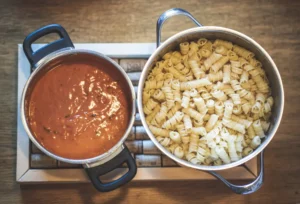
Cooking pasta seems like the simplest task in the kitchen, yet many home cooks struggle with textures that are either too mushy or sadly bland. Understanding common pasta cooking mistakes is the first step toward elevating your home-cooked meals from mediocre to gourmet. When you master the science behind the boil, you ensure that every strand or shape holds its sauce perfectly.
1. Cooking Mistakes: Not Salting the Water Enough.”
The most common pasta-cooking mistake is being too shy with the salt shaker. Unlike seasoning a finished dish, salting the water is your only chance to season the pasta dough itself.
- The Result: Bland, flavorless pasta that no amount of sauce can rescue.
- The Fix: According to culinary experts at the Culinary Institute of America, your pasta water should taste “like the sea.” Aim for about 1 to 2 tablespoons of kosher salt per 4 quarts of water.
2. Adding Oil to the Boiling Water
Many people believe adding olive oil prevents sticking, but it is one of the most counterproductive pasta-cooking mistakes.
- The Result: Oil creates a slick coating on the noodles. Once drained, this prevents the sauce from adhering, leaving your pasta swimming in a pool of liquid rather than being coated.
- The Fix: Skip the oil entirely. The only way to prevent sticking is to use a large enough pot with plenty of water.
3. Overcooking the Pasta
Texture is everything in Italian cuisine. One of the pasta-cooking mistakes that ruins a meal the fastest is ignoring the “al dente” window.
- The Result: Mushy, falling-apart noodles that lose their nutritional structure and mouthfeel.
- The Fix: Always test your pasta two minutes before the package directions suggest. It should have a slight “bite” or resistance in the center.
4. Forgetting to Stir Immediately
If you’ve ever pulled a clump of stuck-together spaghetti out of the pot, you’ve fallen victim to one of the most avoidable pasta cooking mistakes. Pasta releases a burst of starch the moment it hits hot water.
- The Result: Large, gummy clumps of uncooked dough.
- The Fix: Stir the pasta vigorously within the first two minutes of submerged cooking. This separates the strands before the starch sets.
5. Draining All the Pasta Water
Pouring all your cooking water down the drain is among the top pasta cooking mistakes identified by professional chefs. That cloudy water is “liquid gold.”
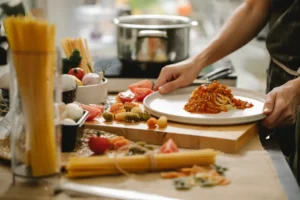
- The Result: A dry, clumpy sauce that separates from the noodles.
- The Fix: Reserve at least one cup of starchy pasta water before draining. Adding a splash of oil to your sauce creates an emulsion, helping it bind to the pasta for a silky finish.
Avoiding These Pasta Cooking Mistakes for Better Health
Beyond taste, avoiding pasta-cooking mistakes, such as overcooking, can actually affect the glycemic index of your meal. Pasta cooked al dente is digested more slowly, providing steadier energy levels. By refining your technique and eliminating these pasta cooking mistakes, you demonstrate true kitchen expertise.
Many people search for “why is my pasta sticky?” or “why is my pasta bland?” and the answer almost always lies in these five fundamental pasta cooking mistakes. If you can master the salt-to-water ratio and the timing of your stir, you have already solved 90% of the problems.
Remember, the goal is to treat the pasta as an integral part of the dish, not just a vessel for sauce. When you stop making these pasta cooking mistakes, you will notice a significant improvement in both texture and flavor. Even seasoned cooks occasionally fall into old habits, but being mindful of these pasta cooking mistakes ensures consistency every time you boil water.
In conclusion, avoiding pasta cooking mistakes is not just about following rules; it is about understanding the chemistry of starch and seasoning. By correcting these pasta cooking mistakes, you transform a pantry staple into a masterpiece.
Highly Authoritative Sources
- The Culinary Institute of America (CIA): For professional standards on seasoning and water-to-pasta ratios.
- Barilla Olive Oil & Pasta Science: On why oil and pasta water should never mix.
- Science of Cooking (Exploratorium): For the chemical breakdown of starch gelatinization during the boiling process.
Frequently Asked Questions (FAQs)
Q: Why is my pasta sticky even if I do not overcook it?
A: This usually happens because the pot was too small or you did not stir it immediately. Use at least 4–6 quarts of water per pound of pasta to dilute the starch. You can also improve your results by following the proper techniques outlined in our pasta-cooking methods guide.
Q: Can I fix overcooked pasta?
A: Truly overcooked pasta cannot be “undone,” but you can save the meal by sautéing the drained pasta in a pan with butter or oil over high heat for a minute to give it a bit of a crisp exterior. Choosing the right pasta sauces can also help mask slight texture issues.
Q: Does the shape of the pasta change the cooking method?
A: The method remains the same, but the timing varies. Thicker shapes like rigatoni take longer than thin ones like angel hair. Always refer to the “al dente” timing on the package and explore different pasta shapes to understand how thickness impacts cooking time.
Q: Why does my pasta taste bland even after adding sauce?
A: Pasta tastes bland when the cooking water is not salted properly. Since pasta absorbs water as it cooks, this is your only chance to season it from the inside out. Always salt generously and pair it with well-balanced pasta sauces for maximum flavor.
Q: Should I rinse pasta after cooking?
A: No, rinsing pasta removes the surface starch that helps sauce cling to it. The only exception is when making cold pasta salads. For best results, follow proper pasta-cooking methods to retain starches for better sauce binding.
Q: Why does a small pot lead to sticky noodles and other pasta cooking mistakes?
Using a pot that is too small is one of the underlying causes of multiple pasta cooking mistakes. When you cook pasta in a limited volume of water, the starch gelatinization process concentrates the loose starches into a thick, gummy liquid instead of diluting them. This high concentration of starch coats the exterior of the noodles, causing them to stick together in clumps and leaving you with a gummy texture that ruins your final dish.
Q: Can choosing the wrong pot size lead to major pasta cooking mistakes?
A: Absolutely. Selecting a pot that is too small is one of the most common cooking mistakes home chefs make. When a limited volume of water becomes oversaturated with starch, it creates a thick, gummy environment that causes your noodles to clump together. To avoid these frustrating cooking mistakes, always use a large pot with at least 4 to 6 quarts of water per pound of pasta so the shapes can circulate freely and cook evenly.
Q: How does overcooking past the al dente window ruin the nutrition of your meal?
One of the major pasta cooking mistakes that affects both texture and health is overcooking. Allowing noodles to boil past the strict al dente window completely breaks down the structural integrity of the gluten matrix. This over-gelatinizes the starches, causing the body to digest the pasta much faster. This rapid digestion spikes your blood sugar, raising the glycemic index of the meal, whereas perfectly firm al dente pasta offers a slower release of steady energy.
Q: What makes adding olive oil to the boil one of the worst pasta cooking mistakes?
Adding olive oil to boiling water is highly counterproductive because oil and water do not mix. The oil simply floats on top of the pot. When you dump the pot out, that floating oil clings to the noodles, creating an unwanted hydrophobic barrier. This slick coating acts as a shield, preventing your chosen pasta sauces from properly adhering and binding to the surface of the shape.
Q: Why do professional chefs consider throwing away pasta water a critical cooking mistake?
Discarding your cooking liquid down the drain is among the top pasta cooking mistakes because that cloudy water contains concentrated, loose starches. In professional kitchens, this liquid gold is treated as an ingredient. The starch inside the water acts as a natural binding agent and emulsifier. When a splash is tossed with your sauce, it bridges the gap between the fat in the sauce and the starch in the noodle, creating a velvety, smooth emulsion that holds everything together.
Q: Why does my pasta taste bland even if my sauce is heavily seasoned?
If your finished dish tastes flat, you have likely fallen victim to the most common of all pasta cooking mistakes: not salting the boiling water enough. Pasta dough expands dramatically as it absorbs liquid during the boil. This boiling stage is your only window to season the core starch matrix from the inside out. If you skip this step, the interior of the noodle remains completely tasteless, and no amount of top-dressed sauce can truly rescue it.
Q: How much salt should I add to pasta water?
A: A good rule is one to two tablespoons of salt per four quarts of water. The water should taste slightly salty, similar to seawater. This step is essential for all pasta-cooking methods.

Q: Why does my pasta clump together after draining?
A: Pasta clumps when it is left sitting without sauce. To prevent this, toss it immediately with sauce or a small amount of reserved pasta water. Using the right pasta shapes also helps, as ridged or tubular pasta holds sauce better.
Q: Is it better to cook pasta with the lid on or off?
A: Use a lid only to bring water to a boil. Once pasta is added, cook it uncovered to prevent overflow and maintain proper texture. This is a core principle across all pasta-cooking methods.
Q: How do I know when pasta is perfectly al dente?
A: Bite into a piece. It should be tender but still firm at the center, with a slight resistance. This texture ensures better digestion and works best with structured pasta shapes that hold sauces effectively.
Q: Why is my pasta water important for the sauce?
A: Pasta water contains starch released during cooking. Adding it to the sauce helps create a smooth, emulsified texture that binds the sauce to the pasta. This technique is essential when preparing authentic pasta sauces.
Q: Can I cook pasta in a small pot to save water?
A: It is not recommended. A small pot increases starch concentration, leading to sticky pasta. Use a large pot and follow proper pasta cooking methods for consistent results.
Q: Why does my pasta break or tear while cooking?
A: This usually happens due to overcooking or stirring too aggressively. Monitor cooking time carefully and choose durable pasta shapes that can withstand boiling.
Q: Does adding oil after cooking help pasta?
A: Adding oil after cooking can prevent sticking temporarily, but it also reduces the ability of the sauce to cling. It is better to mix pasta directly with the sauce and choose appropriate pasta sauces for better coating.
Common pasta-cooking mistakes often come down to five critical errors: not salting the water properly, adding oil, overcooking, failing to stir early, and discarding the pasta water.
To achieve restaurant-quality results, always salt your water generously so it tastes like the sea, avoid oil so sauces can cling properly, cook pasta to al dente for the ideal texture, stir within the first two minutes to prevent sticking, and reserve starchy pasta water to create a silky, well-emulsified sauce.
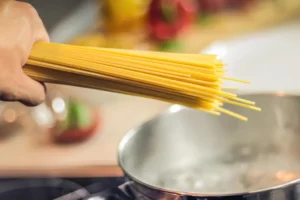
Q: Does the size of the pot really matter when cooking pasta? A: It absolutely does. If you use a tiny pot, the water quickly fills up with thick starch instead of diluting it. This leaves a sticky, gummy film over your noodles. Always use a large pot with plenty of water so the pasta can move around freely as it boils.
Q: How do I store and reheat leftover pasta without it getting mushy? A: Keep your leftover noodles separate from the sauce and toss them with a tiny splash of olive oil so they don’t clump together in the fridge. When you’re ready to eat, don’t microwave them—instead, drop them into boiling water for just 30 seconds or toss them right into a warm pan with your favorite pasta sauces.
According to the Culinary Institute of America, proper seasoning at the boiling stage is essential for flavor development, while Barilla’s pasta research highlights the importance of starch interaction between pasta and sauce. The Exploratorium’s Science of Cooking further explains how starch gelatinization affects texture and digestibility.
For a deeper understanding, explore related guides on pasta shapes to learn how structure impacts sauce pairing, pasta sauces to master flavor combinations, and pasta cooking methods to refine your technique and consistently produce perfectly cooked pasta dishes at home.
Don,t forget Pasta History. and our Rigatoni Pasta Guide
Water Science for Pasta: 9 Secrets for Perfect Results
The Ultimate Pasta Pairing Guide: 17 Perfect Sauce Matches
Cook Pasta Perfectly: 7 Pro Secrets to Avoid Sticky Noodles
Are our Valuable contributions and information hubs.
Summary:
Achieving a restaurant-quality meal at home relies entirely on understanding basic food chemistry and avoiding a few critical cooking mistakes. When you drop noodles into boiling water, an intricate process of starch gelatinization begins. Simple missteps like neglecting to salt the water generously or prematurely adding olive oil disrupt this process.
Missing the initial window to season the core starch matrix leaves you with bland noodles, while adding oil creates an unwanted slick barrier that prevents your favorite pasta sauces from properly adhering to the shape.
The difference between a sticky, mushy plate of pasta and an authentic Italian dish comes down to managing texture and starch retention.
By tracking your boiling time closely to pull the noodles while they remain inside the strict al dente window, you preserve the structural integrity of the gluten matrix. Furthermore, instead of draining all your cooking liquid down the sink, reserving a cup of this starch-heavy liquid gold unlocks perfect emulsion mechanics.
This starchy water acts as a natural binding agent, seamlessly marrying the noodle to the sauce for a velvety, uniform finish that completely transforms your home cooking.

Conclusion
Mastering pasta cooking mistakes is a rite of passage for any home chef. By identifying and correcting these common pasta-cooking mistakes, you ensure your meals are flavorful, perfectly textured, and professionally presented. Stop pouring your pasta water down the drain and start salting your pot generously. Your taste buds will thank you.
How do you usually determine if your pasta is perfectly cooked?
Avoiding these cooking mistakes is the secret to Italian-style perfection.
Pasta Cooking Mistakes Matrix
| Cooking Mistake | The Scientific “Why” | The Immediate Result | The Restaurant-Quality Fix |
| Not Salting the Water Enough | Pasta dough absorbs water as it expands; this is the only window to season the core starch matrix. | Bland, flavorless pasta that the sauce cannot save. | Add 1 to 2 tablespoons of kosher salt per 4 quarts of boiling water. |
| Adding Oil to Boiling Water | Oil floats on top and coats the noodles during draining, creating a hydrophobic barrier. | A slick coating that prevents the pasta sauces from adhering. | Skip the oil completely. Prevent sticking by using a large pot with ample water. |
| Overcooking the Pasta | Prolonged boiling breaks down the gluten structure and overly gelatinizes the starches. | Mushy, structurally weak noodles with an elevated glycemic index. | Pull the pasta 2 minutes before the package directions suggest to achieve perfect al dente. |
| Forgetting to Stir Immediately | Pasta releases an aggressive burst of surface starch the exact moment it hits hot water. | Large, gummy clumps of stuck-together, uncooked dough. | Stir the pasta vigorously within the first 2 minutes of submersion. |
| Draining All the Pasta Water | You throw away concentrated, loose starches that act as a natural binding and smoothing agent. | A dry, clumpy dish where the sauce separates from the noodles. | Reserve at least 1 cup of starchy pasta water to create a silky, emulsified sauce. |

The Pro Tip: The “Two-Minute Warning” Rule
When cooking pasta, never rely blindly on the time printed on the box packaging. Instead, implement the Two-Minute Warning rule.
The Technique: Set your kitchen timer for 2 minutes fewer than the lowest boiling time suggested on the package instructions. When the timer goes off, pull a piece of pasta out to test its doneness.
The “Why”: Pasta continues to cook even after you drain it due to residual carryover heat. Furthermore, if you are tossing the pasta directly into a pan with warm sauce (which is the correct restaurant method), it will cook for an additional 60 to 90 seconds in that pan.
The Result: If you pull the pasta exactly when the box tells you to, it will inevitably cross the line into overcooked, mushy territory by the time it hits the dinner plate. Pulling it 2 minutes early ensures that it finishes cooking inside the sauce, absorbing flavor while maintaining a perfect, authentic al dente bite.

Syed Yasar Arafat is the founder of PastaLoverz.com and a food research enthusiast with a focused interest in pasta varieties, traditional Italian cuisine, and balanced eating. Through PastaLoverz.com, he publishes well-researched articles that explain pasta types, cooking methods, and nutritional considerations in clear, practical terms to help readers make informed food choices.

20 Responses