
The Ultimate Guide to Handmade Cavatelli Pasta: History, Shaping Secrets, and Authentic Recipes
If you have ever explored the sun-drenched culinary landscapes of Southern Italy—particularly the regions of Molise, Apulia, and Campania—you have likely encountered a pasta shape that perfectly captures the soul of rustic Italian cooking. This shape is handmade cavatelli pasta. Made from a minimalist dough of durum wheat semolina and warm water, these small, ridged, elongated shells are designed to trap thick sauces, rich ragùs, and aromatic olive oils.
In this comprehensive masterclass, we will dive deep into everything you need to know about handmade cavatelli pasta. We will cover its fascinating historical roots, explore the science behind its unique texture, and provide an exact step-by-step blueprint for mixing, rolling, and shaping cavatelli from scratch in your home kitchen.
What is Handmade Cavatelli Pasta?
The Etymology and Anatomy of the Shape
The word cavatelli is derived from the southern Italian dialect verb cavare, which translates literally to “to hollow out” or “to carve.” This name perfectly describes the physical anatomy of the pasta. Each piece of handmade cavatelli pasta looks like a miniature hot dog bun or a tiny, elongated seashell with an open cavity running down its center.
Traditionally, this hollow chamber is created by pressing and dragging small nuggets of dough across a wooden board or a flat surface using your fingers. The resulting shape features a smooth or textured outer surface and a deep, open pocket on the underside. This architecture is not just a visual choice; it serves a vital mechanical function. The inner hollow acts as a miniature scoop that captures chunky ingredients, while the outer surface provides surface area for rich, emulsified sauces to cling to.
The Science of Texture: Why It Differs from Egg Pastas
When we look at the broader world of Italian pasta, shapes generally fall into two distinct camps: the delicate, egg-based ribbon pastas of Northern Italy (like Tagliatelle and Pappardelle) and the robust, eggless, water-and-semolina shapes of Southern Italy. Handmade cavatelli pasta belongs firmly to the southern tradition.
Because the dough contains no eggs, the texture of handmade cavatelli pasta relies entirely on the high protein content of durum wheat semolina. This creates a dense, highly elastic gluten network. When cooked properly to an al dente state, cavatelli delivers a firm, satisfying, and toothsome chew—referred to in Italian gastronomy as a corposità (body)—that cannot be replicated by soft wheat flours or egg-rich doughs.
The Rich History and Regional Origins of Cavatelli
The Culinary Pride of Molise
While several southern Italian regions lay claim to this iconic shape, food historians widely agree that the spiritual birthplace of handmade cavatelli pasta is the rugged, mountainous region of Molise. In Molise, cavatelli are traditionally known as cavatielli and have been a cornerstone of local sustenance for centuries.
Historically, this was a dish born of necessity and resourcefulness (cucina povera). Rural families did not have access to expensive eggs or refined white flour. Instead, they relied on hard durum wheat, which grew abundantly in the dry, southern climate, and pure water. According to records recognized by the Italian Ministry of Agricultural, Food and Forestry Policies, cavatelli are officially designated as a traditional patrimonial product of Molise, historically served during major feast days and Sunday family gatherings paired with a rich, slow-simmered pork ragù.
Cross-Regional Variations: From Apulia to Campania
As the shape migrated across regional borders, local communities adapted it to fit their distinct agricultural landscapes and culinary preferences:
Apulia (Puglia): In this neighboring region, handmade cavatelli pasta shares the spotlight with its famous sibling, orecchiette. Here, the dough is often shaped using a slightly different dragging technique, and the pasta is frequently tossed with vibrant, bitter green vegetables like broccoli rabe (cime di rapa) or wild chicory.
Campania: In the areas surrounding Naples and Avellino, you will find variations called parrati or scatiatidde, which are slightly elongated versions of the classic cavatelli shape. They are often served alongside fresh cherry tomatoes, garlic, and local cheeses like scamorza or caciocavallo.
Basilicata: Here, the shape is sometimes elongated even further into ferricelli, wrapped around a thin metal rod, showcasing how a single dough foundation can transform into multiple architectural expressions.

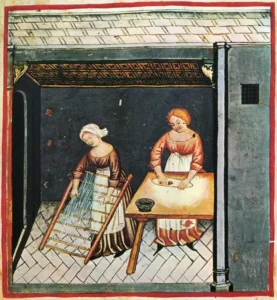
The Essential Ingredients: The Holy Trinity of Southern Pasta
One of the most beautiful aspects of making handmade cavatelli pasta is its absolute minimalism. You do not need complex ingredients or expensive kitchen gadgets. You only need three basic elements:
1. Semola di Grano Duro Rimacinata
To achieve the authentic texture and golden hue of traditional handmade cavatelli pasta, you must use Semola di Grano Duro Rimacinata (twice-milled durum wheat semolina). Unlike standard all-purpose flour or fine Tipo 00 flour, semolina is ground from hard durum wheat. It possesses a high concentration of glutenin and gliadin proteins, which give the dough its signature elasticity and structural integrity.
It possesses a high concentration of glutenin and gliadin proteins, which give the dough its signature elasticity and structural integrity.
For a deeper look at how these specific elements build dough elasticity, you can read about protein networks in ScienceDirect’s durum wheat study.
⚠️ Avoid Substitutions: Do not use standard white flour or coarse, grainy semolina intended for porridge. Look explicitly for the word Rimacinata on the packaging, which indicates it has been finely milled into a soft, powder-like texture while retaining its strong gluten properties.
2. Warm Water
The hydration of your dough is critical. The water used for handmade cavatelli pasta should be warm, ideally between 38°C and 43°C (100°F and 110°F). Warm water helps to dissolve and hydrate the hard starch granules in the semolina quickly, speeding up the relaxation of the gluten network and making the dough much easier to knead and roll out by hand.
3. Fine Sea Salt
While some ultra-traditionalists in Southern Italy omit salt from the dough entirely—relying solely on heavily salted cooking water—adding a small pinch of fine Mediterranean sea salt helps to enhance the naturally nutty, cereal-like flavor notes of the durum wheat.
Step-by-Step Blueprint: How to Make Handmade Cavatelli Pasta from Scratch
Making handmade cavatelli pasta is a deeply therapeutic, tactile art form. Follow this precise guide to master the technique.
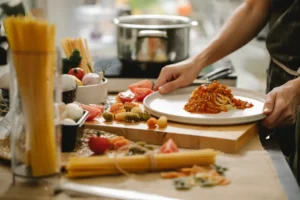
Step 1: Mixing the Dough (The Volcano Method)
Measure 400 grams of semola rimacinata and pour it directly onto a large, clean wooden pasta board.
Use your hands or a glass to create a wide, deep well in the center of the flour mound, resembling a volcano crater.
Pour roughly 200 milliliters of warm water into the center of the well, along with a small pinch of fine sea salt.
Using a fork, gradually begin incorporating the flour from the inner walls of the well into the water pool. Stir continuously in a circular motion, ensuring the liquid walls do not breach.
       [ Warm Water & Salt ]
             \     /
              v   v
        .---'~~~~~'---.
       /   Flour Well  \
      /  (Volcano Method)\
     /____________________\
Step 2: Kneading to Smooth Perfection
Once a shaggy, cohesive dough begins to form and all the liquid is absorbed, cast your fork aside. Use a bench scraper to gather any loose crumbs of flour on the board and push them into the center of the dough mass.
Begin kneading the dough vigorously using the heel of your hand. Push the dough forward, fold it over itself, rotate it 90 degrees, and repeat.
Continue this process for 10 to 12 minutes. Initially, the semolina dough will feel incredibly stiff, dry, and rough. However, as you continue kneading, the warm water will fully hydrate the proteins, transforming the mass into a smooth, supple, matte-finish ball that springs back slightly when pressed with a finger.
Wrap the dough tightly in plastic wrap or cover it with an inverted glass bowl on your counter. Let it rest at room temperature for 30 minutes. Do not skip this step: resting allows the tight gluten strands to relax, which prevents the dough from snapping back when you try to roll it out into ropes.
Step 3: Rolling the Filone (Ropes)
After the resting period, unwrap the dough. Cut off a small portion (about the size of a lemon), and immediately re-wrap the remaining dough to prevent it from drying out or forming a hard skin.
Place the piece of dough on your unfloured wooden board. Using the palms of both hands, work from the center outward to roll the dough into a long, uniform rope (called a filone) that is approximately 1.2 cm (1/2 inch) thick.
Using a sharp knife or a bench scraper, cut the rope crosswise into small nuggets or pillows, each about 1.2 cm (1/2 inch) wide. Dust the cut pieces lightly with a tiny bit of extra semolina to prevent them from sticking together.
Step 4: The Dragging Technique (Shaping the Cavatelli)
To give your handmade cavatelli pasta its classic look, you can use one of two traditional methods:
The Traditional Two-Finger Drag: Place a single dough nugget on the wooden board. Position the tips of your index and middle fingers at the top edge of the piece at a slight angle. Press down firmly into the dough and pull it toward you. The pressure will cause the dough to thin out, flatten, and naturally curl up around the tips of your fingers, creating a hollow cavity with a smooth exterior.
The Gnocchi Board Method (Rigati): If you prefer your handmade cavatelli pasta to have deep outer ridges (cavatelli rigati) to catch more sauce, use a wooden gnocchi board. Place a dough nugget on the ridges of the board. Hold a dull table knife or your thumb at a 45-degree angle against the dough, press down, and drag it downward across the ridges. The dough will roll inward, creating a deep pocket on one side and beautiful, sauce-gripping ridges on the other.
Place your finished handmade cavatelli pasta onto a wooden tray or a clean tablecloth dusted lightly with semolina. Ensure the individual pieces do not touch. Let them air-dry for at least 30 to 60 minutes before cooking, which helps them lock in their shape during the boiling process.
How to Cook Handmade Cavatelli Pasta to Al Dente Perfection
Cooking fresh, handmade cavatelli pasta requires a slightly different approach than cooking commercial, mass-produced box pasta. Because the dough is dense and features thick, rolled edges, it requires plenty of space and heat to cook uniformly.
The Golden Ratio of Pasta Cooking
To prevent your cooking water from becoming overly gummy with loose starch, always follow the classic structural ratio:
100g of Cavatelli Pasta
1 Liter of Fresh Water
10g of Coarse Rock Salt
The Cooking Process
Bring a massive pot of water to an aggressive, rolling boil over high heat.
Add your coarse rock salt. The water should taste clean but distinctly savory, mimicking a light broth.
Gently drop your fresh, handmade cavatelli pasta into the boiling water and give it an immediate, gentle stir with a long wooden spoon to ensure no pieces stick to the bottom of the pot.
The Floating Myth: Within 2 to 3 minutes, your cavatelli will begin to float to the surface of the water. Do not drain them yet! While thin egg pastas are cooked the moment they float, the dense rims of handmade cavatelli pasta require more time to lose their raw flour taste. Continue boiling them for an additional 2 to 3 minutes after they float (total cooking time of roughly 4 to 6 minutes).
Always test a piece before draining. Bite into the thickest part of the rim; it should be tender all the way through but still offer a firm, springy resistance to your teeth without tasting chalky or doughy.
Production and Cooking Comparison Matrix
To help you understand how different manufacturing and shaping methods affect the final plate of pasta in your kitchen, reference this technical breakdown:
| Feature / Metric | Handmade Cavatelli Pasta (Fresh) | Artisanal Dried Cavatelli (Bronze Die) | Mass-Produced Cavatelli (Teflon Die) |
|---|---|---|---|
| Primary Ingredients | Semola Rimacinata, Warm Water, Salt | Durum Wheat Semolina, Water | Refined Wheat Flour, Water |
| Surface Texture | Highly porous, irregular, rustic | Matte, chalky, micro-ridged | Slick, glassy, smooth |
| Sauce Adhesion | Maximum (absorbs oils and fats directly) | Excellent (sauce grips to structural ridges) | Poor (sauce slips off walls and puddles) |
| Total Cooking Time | 4 to 6 minutes | 11 to 14 minutes | 8 to 10 minutes |
| Mouthfeel Profile | Distinct chew, soft interior, firm body | Uniformly firm, classic al dente snap | Softer, it can become mushy quickly |
| Best Sauce Matches | Thick bean stews, seafood broths, and fresh tomato | Heavy meat ragùs, wild boar, and lamb sauce | Homogenized, smooth tomato sauces |
Authentic Culinary Pairings and Recipes
The structural engineering of handmade cavatelli pasta makes it uniquely suited for heavy, chunky, and rustic sauces. The deep central cavity acts as a vessel that scoops up small pieces of meat, legumes, and vegetables with every single bite. Here are three definitive, regionally authentic recipes to try.
1. Cavatelli con Ciccioli e Ragù Molisano (Molise-Style Sunday Ragù)
This is the ultimate traditional pairing from the mountains of Molise. It utilizes a slow-simmered sauce enriched with various cuts of pork and beef.
The Sauce Base: Sauté finely minced onions, carrots, and celery in high-quality extra virgin olive oil. Add pieces of pork ribs, beef chunks, and local sausage.
The Reduction: Deglaze the pan with a generous splash of dry red wine, then add high-quality Italian tomato passata (puree). Let the sauce simmer on ultra-low heat for 3 to 4 hours until the meat is completely tender and falling apart, and the oil separates on the surface.
The Pairing: Toss your fresh, handmade cavatelli pasta directly into this thick, mahogany-colored sauce, allowing the open pockets of the pasta to fill with the savory meat reduction. Top with a generous snowstorm of grated Pecorino Romano or aged Canestrato Pugliese cheese.
2. Cavatelli e Fagioli (Classic Southern Pasta and Beans)
A beautiful example of cucina povera, this dish turns basic cupboard staples into a comforting, texturally complex masterpiece.
The Legume Base: Cook dried cannellini or borlotti beans with garlic, rosemary, and a rind of Parmigiano-Reggiano cheese until creamy.
The Synthesis: Cook your handmade cavatelli pasta directly in the pot with the loose bean broth during the final minutes of cooking. The starches from the pasta will emulsify with the bean liquids, turning the broth into a rich, velvety, stew-like sauce that clings perfectly to the porous walls of the handmade pasta. Serve with a heavy crack of fresh black pepper and a final drizzle of raw, cold-pressed olive oil.
3. Cavatelli alla Cilentana (Campania Coast Variation)
A lighter, faster adaptation ideal for warm summer months, celebrating the vibrant produce of the Cilento coast.
The Master Build: Blister sweet cherry tomatoes (pomodorini) in a wide skillet with sliced garlic cloves, a pinch of crushed red pepper flakes (peperoncino), and a few high-quality anchovy fillets preserved in oil. Use your wooden spoon to mash the anchovies until they dissolve completely into the hot oil, creating a deep, savory umami base.
The Emulsion: Toss your al dente handmade cavatelli pasta into the skillet alongside a generous splash of starchy pasta cooking water. Toss aggressively over high heat for 60 seconds until a glossy, red sauce coats the interior cavities of the pasta. Finish with torn fresh basil leaves and a shower of salted ricotta cheese (ricotta salata).
Internal Links & Informational Resources
To continue building your home culinary expertise and technical knowledge of regional Italian gastronomy, explore our detailed guides and informational hubs across our site:
Master the science behind cooking perfect starches with our tutorial on Pasta Cooking: 9 Powerful Secrets for Perfect Results.
Learn about another structural, sauce-gripping shape with our guide to Casarecce Pasta:https://pastaloverz.com/casarecce-pasta-guide/11 Essential Secrets for Perfect Sauce.
Explore the world of robust, big-flavored tubular shapes in Rigatoni Pasta: 7 Reasons It’s the Best Shape for Big Flavor.
Discover the delicate art of stuffed holiday classics from Northern Italy in Cappelletti Pasta: 7 Amazing Secrets of This Italian Classic.
Perfect your seafood pairing techniques with our master guide to Linguine Pasta: 7 Amazing Secrets You Should Know.
Frequently Asked Questions (FAQs)
Q: Can I make handmade cavatelli pasta ahead of time and freeze it?
A: Absolutely. Handmade cavatelli pasta freezes exceptionally well due to its lack of egg content. Arrange your freshly shaped cavatelli in a single layer on a baking sheet lined with parchment paper, ensuring no pieces touch, and place it in the freezer for about 2 hours. Once frozen solid, transfer the pieces into an airtight freezer bag. They will keep perfectly for up to 3 months. When ready to eat, cook them straight from the freezer into boiling water—just add an extra 60 seconds to the total boiling time.
Q: Why is my handmade cavatelli pasta turning out gummy or doughy?
A: If your pasta feels excessively gummy or dense after cooking, it is usually down to one of two common structural issues: either you left the dough nuggets too thick during the rolling phase, or you did not drag the dough with enough downward pressure to properly thin out the center pocket. Ensure that when you press down with your fingers or a table knife, you are flattening the center disk out significantly. If the shape is thin enough, ensure you are boiling the pasta for at least 2 to 3 minutes after it floats to the surface to cook out the dense rims completely.
Q: Is authentic cavatelli pasta naturally vegan?
A: Yes. Traditional, authentic handmade cavatelli pasta is naturally 100% vegan. Unlike the northern Italian pasta traditions that rely heavily on chicken eggs, southern Italian pasta bianca (white pasta) utilizes only durum wheat semolina, warm water, and salt. Always verify packaging if buying commercial dried options, but fresh handmade varieties follow this clean, plant-based heritage.
Q: What is the best substitute if I cannot find or make cavatelli?
A: If a recipe calls for cavatelli and you cannot find it, your best structural substitutes from a grocery store are Orecchiette, Conchiglie (medium pasta shells), or Casarecce. These shapes share a similar mechanical design, featuring hollow chambers, open curves, or internal channels engineered to capture dense, chunky vegetable and meat sauces effectively.
Summary of Technical Specifications
To ensure your home pasta production aligns with the guidelines set forth by professional Italian culinary institutions, keep these essential technical specifications pinned to your kitchen workstation:
Target Hydration Level: hydration relative to flour weight (e.g., 200ml of water for every 400g of semolina flour).
Ideal Dough Resting Window: 30 minutes minimum at room temperature, wrapped tightly to avoid ambient moisture loss.
Standard Dimensions Per Piece: Roughly 2.5 cm to 3 cm in length, with an internal hollow depth of approximately 0.5 cm.
Cooking Salinity Target: salinity concentration in the boiling pot (10 grams of salt per 1 liter of water).
Conclusion
The enduring legacy of handmade cavatelli pasta stands as a testament to the timeless genius of regional Italian cooking. Born out of geographical isolation and economic resourcefulness in the hills of Molise, this iconic shape shows how simple ingredients can be transformed through technique into a structural masterpiece.
By mastering the art of handling durum wheat semolina rimacinata, respecting the necessary resting times of the dough, and utilizing the physics of starchy pasta water to create rich emulsions, you can easily bridge the gap between amateur home cooking and authentic, old-world craftsmanship. Tie on your apron, dust off your wooden board, and enjoy the therapeutic process of shaping your very own batch from scratch.
💡 Pro Tip: The “Reverse-Mantegatura” Finishing Method
When working with dense, eggless shapes like handmade cavatelli pasta, commercial chefs use a high-impact finishing technique known as mantegatura to ensure the sauce becomes a permanent coating rather than a loose liquid.
To execute this perfectly at home, pull your cavatelli out of the boiling water roughly 60 seconds before they hit absolute al dente doneness. Drop them directly into your sauce skillet over medium-high heat. Immediately add a half-ladle of starchy pasta cooking water and a generous drizzle of raw extra virgin olive oil.
Instead of stirring with a spoon, vigorously shake and flip the skillet in a circular, rolling motion. This motion forces the loose starches on the exterior walls of the handmade cavatelli pasta to rapidly emulsify with the hot cooking fats and water molecules. Within 45 seconds, the liquid will magically transform into a thick, velvety glaze that locks directly inside the hollow cavities of every single piece of pasta, ensuring restaurant-quality results on every plate.

Syed Yasar Arafat is the founder of PastaLoverz.com and a food research enthusiast with a focused interest in pasta varieties, traditional Italian cuisine, and balanced eating. Through PastaLoverz.com, he publishes well-researched articles that explain pasta types, cooking methods, and nutritional considerations in clear, practical terms to help readers make informed food choices.

One Response