
This pasta comes together in about the time it takes to boil the water and cook the spaghetti. Sweet shrimp, garlic and wilted spinach are brought together with lemon, Parmesan and starchy pasta water, which makes a light sauce without any cream. Shrimp overcook fast, so have everything ready first.
Serves: 4 | Time: about 25 minutes
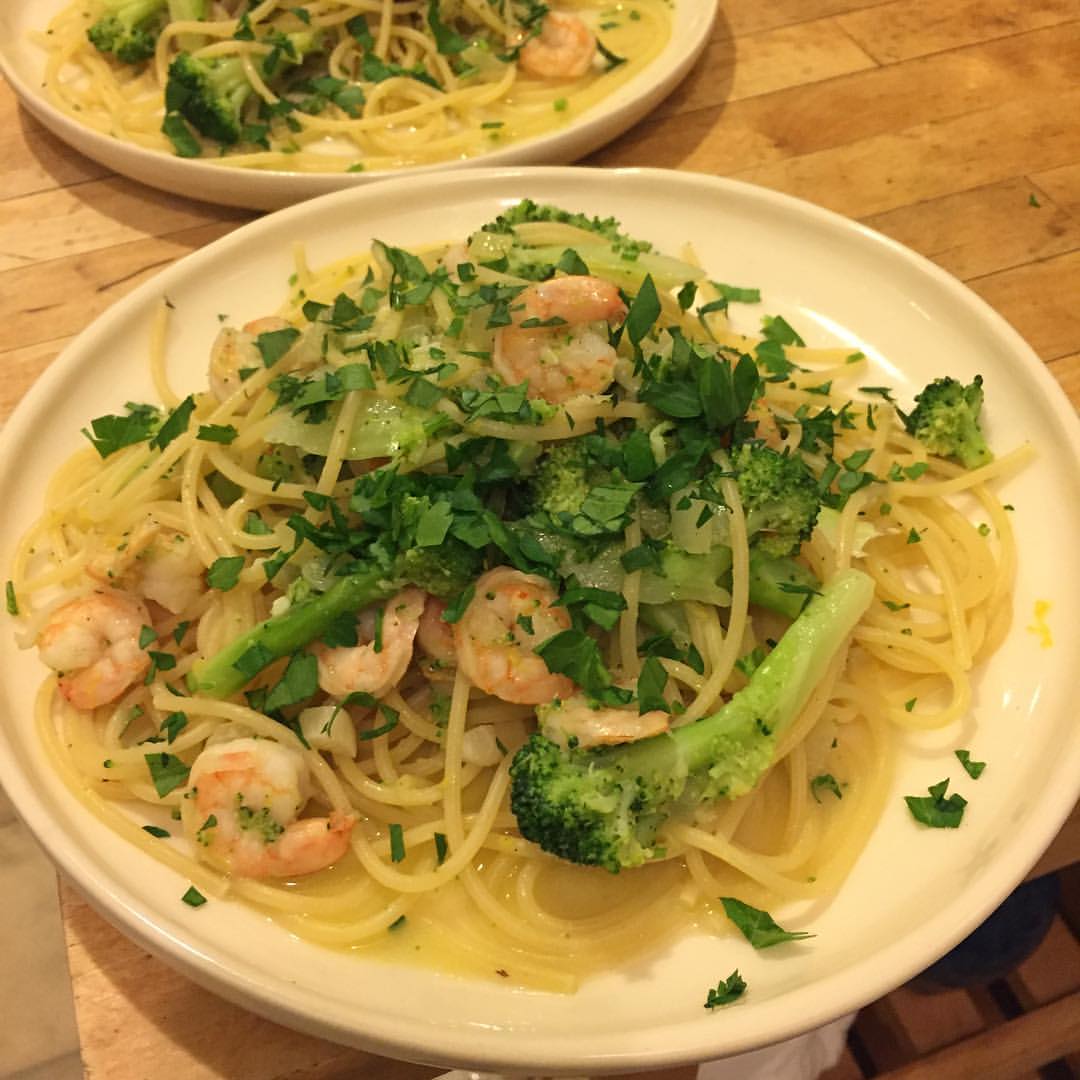
Ingredients
- 340 g (12 oz) spaghetti or linguine
- 450 g (1 lb) large raw shrimp, peeled and deveined
- 4 cups fresh baby spinach
- 5 or 6 garlic cloves, finely minced
- 1 large lemon, zested and juiced
- 3 tablespoons extra-virgin olive oil
- ½ cup freshly grated Parmesan
- ¼ cup chopped parsley
- ½ teaspoon red pepper flakes (optional)
- Salt and black pepper
Watch it made
This short video shows the key moves: searing the shrimp quickly, building a garlic and lemon sauce in the same pan, and tossing it through the pasta. Our recipe adds a few handfuls of spinach at the end.
Video: “Lemon Garlic Shrimp Pasta” by Jon (@JBDeJulio) on YouTube.
Method
- Pat the shrimp dry and season with salt and pepper. Dry shrimp brown instead of steaming.
- Boil the pasta in well-salted water until just al dente. Save 1 cup of the water and drain without rinsing.
- While the pasta cooks, heat 1½ tablespoons of the oil in a large pan over medium-high heat. Add the shrimp in a single layer and cook for 1½ to 2 minutes per side, until pink, opaque and firm. Move them to a plate.
- Lower the heat to medium and add the remaining oil, garlic and pepper flakes. Stir for 30 to 60 seconds, until fragrant but not brown.
- Add the spinach and toss for 1 to 2 minutes, until just wilted.
- Pour in ½ cup of pasta water and scrape up the browned bits. Add the lemon zest and half the juice.
- Add the pasta and toss for 1 to 2 minutes, until the liquid thickens and coats the strands.
- Take the pan off the heat. Return the shrimp and toss in the Parmesan and parsley, loosening with more pasta water if needed.
- Taste, adjust with salt, pepper and the remaining lemon juice, and serve right away.
Timing and technique
- Take the shrimp out early. They finish cooking when they go back into the hot pasta. Tightly curled, rubbery shrimp have cooked too long.
- Add pasta water gradually. You want a glossy coating, not a soup. The starch helps the oil and water hold together, as our pasta water guide explains.
- Add lemon in stages. Lemons vary, and too much can overpower the shrimp. Start with half and add more to taste.
- Do not crowd the pan. Cook the shrimp in batches if needed.
Swaps and variations
- Frozen shrimp: Thaw in the fridge overnight or in a sealed bag in cold water, then dry well.
- Pre-cooked shrimp: Add at the very end and warm for a minute or two.
- Other greens: Baby kale needs a few extra minutes. Broccoli florets can go into the pasta pot for the last 3 minutes.
- Frozen spinach: Thaw it and squeeze out all the water before adding.
- Cherry tomatoes: Sauté a cup of halved tomatoes after the garlic for a little sweetness.
- No Parmesan: Use Pecorino or Grana Padano, or for dairy-free, leave it out and finish with extra oil and lemon zest.
- Creamier: Add a splash of cream after the spinach and simmer briefly before adding the pasta.
- Gluten-free: Use gluten-free spaghetti and watch it closely, as it can soften quickly.
Long, thin pasta suits light seafood sauces. See our pasta pairing guide or the linguine guide for more.
What to serve with it
A green salad with lemon and olive oil, or crusty bread for the sauce, is all it needs. Roasted asparagus or zucchini is a good addition if you want more vegetables. A crisp, dry white wine also suits it.
Storage
Refrigerate leftovers promptly and eat them within 2 to 3 days. Reheat over medium-low heat with a splash of water or broth and toss just until warm, as the shrimp toughen with repeated heating. To get ahead, peel the shrimp and prep the garlic and lemon earlier in the day.
Frequently asked questions
How do I know when the shrimp are done?
They turn pink and opaque, and the flesh feels firm. In large shrimp, this takes only 3 to 4 minutes in total.
Should the pasta be rinsed?
No. The surface starch helps the sauce stick. Rinsing is only useful for cold pasta salads.
Can I use chicken instead?
Yes. Cut it small, cook it until it reaches 165°F (74°C), and follow the rest of the recipe in the same way.
More from PastaLoverz
For other seafood pasta, try pasta con le sarde. For a dinner with no seafood, see creamy chicken pasta. Our pasta cooking mistakes guide covers the basics.
Further reading: Wikipedia: Scampi (including shrimp scampi)

Syed Yasar Arafat is the founder of PastaLoverz.com and a food research enthusiast with a focused interest in pasta varieties, traditional Italian cuisine, and balanced eating. Through PastaLoverz.com, he publishes well-researched articles that explain pasta types, cooking methods, and nutritional considerations in clear, practical terms to help readers make informed food choices.