
Penne alla Vodka is a creamy tomato pasta that combines tomato, garlic, Parmesan, cream, and a small amount of vodka into a silky sauce that clings beautifully to every piece of pasta.
This recipe is a new addition for PastaLoverz and is designed around the techniques that make this globally popular dish work so well: concentrated tomato flavor, controlled heat, pasta water, and proper emulsification.
What Is Penne alla Vodka?
Penne alla Vodka is an Italian-American pasta dish built around a rich tomato-and-cream sauce. The vodka is not intended to make the dish taste strongly alcoholic. Instead, it contributes to the balance and aroma of the sauce when cooked properly.
The dish became particularly popular in Italian-American restaurants and home kitchens, and its combination of creamy texture, tomato acidity, Parmesan, garlic, and gentle heat makes it appealing to a wide range of tastes.
Modern recipes vary considerably. Some use tomato paste, some use canned tomatoes, and others add pancetta, onion, chili flakes, or additional cheese. Serious Eats recently highlighted the dish as one of its readers’ most popular Italian-American pasta recipes, while BBC Good Food lists a highly rated version that uses tomato purée, cream, vodka, Parmesan, and basil. (Serious Eats)
For this PastaLoverz version, the goal is a sauce that tastes deeply tomatoey without becoming overly heavy.
Why This Penne alla Vodka Recipe Works
There are several reasons this recipe produces such a satisfying bowl of pasta.
1. Tomato Paste Builds Deep Flavor
Tomato paste is concentrated and naturally rich in glutamates. Gently cooking it before adding the liquid develops its flavor and reduces the raw tomato taste.
2. Cream Softens the Acidity
Tomatoes bring acidity and brightness. Cream rounds that acidity and creates a smooth mouthfeel.
The result is not simply a tomato sauce with cream added at the end. The two components become part of a balanced sauce.
3. Vodka Adds Balance
Vodka has a relatively neutral flavor, but alcohol can help release and carry certain aromatic compounds from the sauce.
It also adds a subtle sharpness that helps prevent the cream and cheese from making the dish taste excessively rich.
4. Pasta Water Creates the Finish
Never underestimate the water in which the pasta cooks.
Starchy pasta water can help bring the sauce and pasta together, producing the glossy coating that makes a restaurant-style plate look and taste cohesive.
PastaLoverz also explains the importance of reserving cooking water in its guide to pasta cooking mistakes. (Pasta Loverz)
Penne alla Vodka Ingredients
Pasta
- 400 g penne rigate
- 3–4 litres water
- 1½ tablespoons salt, approximately
Penne rigate is particularly useful because its ridges give the sauce more places to cling.
Sauce
- 2 tablespoons extra-virgin olive oil
- 1 tablespoon unsalted butter
- 1 small yellow onion, finely diced
- 3 garlic cloves, finely minced
- 2 tablespoons tomato paste
- 400 g crushed tomatoes
- 60 ml vodka
- 180 ml heavy cream
- ½ teaspoon red pepper flakes
- ½ teaspoon freshly ground black pepper
- ½ teaspoon salt, or to taste
- 40–50 g finely grated Parmesan
- ½ cup reserved pasta water, as needed
- Fresh basil, to finish
Optional additions
You can also add:
- 100 g pancetta
- ½ teaspoon dried oregano
- Extra Parmesan
- Fresh parsley
- A small pinch of sugar if the tomatoes are unusually acidic
If using pancetta, reduce the olive oil slightly because the pancetta will release its own fat.
How to Make Penne alla Vodka
Step 1: Prepare the Pasta Water
Bring a large pot of water to a vigorous boil.
Add the salt once the water is boiling, then add the penne.
Cook according to the package instructions, but start testing the pasta approximately two minutes before the recommended finishing time.
You want the pasta al dente, because it will finish cooking in the sauce.
Do not drain it yet.
Reserve at least 1 cup of pasta water before draining.
For more detailed technique, see the PastaLoverz guide to cooking pasta perfectly.
Step 2: Soften the Onion
While the pasta cooks, heat the olive oil and butter in a large skillet over medium-low heat.
Add the diced onion with a small pinch of salt.
Cook for approximately 5–7 minutes.
The onion should become soft and translucent rather than deeply browned.
This gentle cooking creates sweetness without adding a strong roasted flavor.
Step 3: Add the Garlic
Add the minced garlic and red pepper flakes.
Cook for approximately 30–45 seconds.
Keep the heat moderate.
Garlic can turn bitter quickly when it is exposed to excessive heat, so this is not the stage to walk away from the pan.
Step 4: Cook the Tomato Paste
Add the tomato paste.
Stir continuously for approximately 2–3 minutes.
The paste should become darker and smell sweeter and more developed.
This small step makes a surprisingly large difference to the finished sauce.
Step 5: Add the Vodka
Reduce the heat slightly.
Pour in the vodka and stir thoroughly, scraping the bottom of the pan.
Allow it to simmer for several minutes.
The alcohol will evaporate as the sauce cooks, leaving behind the characteristics that make vodka useful in this style of sauce.
If you do not want to use alcohol, you can make a tomato-cream pasta without it. The resulting dish will not technically be the same preparation, but it can still be delicious.
Step 6: Add the Tomatoes
Pour in the crushed tomatoes.
Stir everything together.
Add black pepper and a small amount of salt.
Allow the sauce to simmer gently for approximately 8–10 minutes.
You want it thick enough to coat a spoon but not so thick that it becomes difficult to combine with the pasta.
Step 7: Add the Cream
Lower the heat.
Slowly pour in the cream while stirring.
The bright red tomato sauce should gradually become a rich orange-pink color.
Simmer gently for another 2–3 minutes.
Avoid aggressive boiling once the cream has been added.
Step 8: Add the Pasta
Transfer the drained penne directly into the skillet.
Add approximately ¼ cup of reserved pasta water.
Toss everything together over low heat.
Continue tossing for 1–2 minutes.
If the sauce appears too thick, add another splash of pasta water.
This is where the dish changes from separate ingredients into a cohesive pasta meal.
Step 9: Add Parmesan
Turn the heat to very low or remove the pan from the burner.
Add the grated Parmesan gradually.
Toss until the cheese melts into the sauce.
Add another small splash of pasta water if necessary.
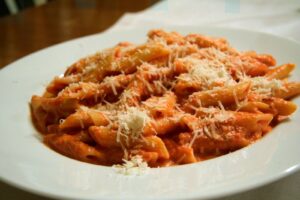
The finished sauce should be glossy and cling to the penne rather than pooling heavily underneath it.
Step 10: Finish and Serve
Taste the pasta.
Adjust the salt, pepper, or chili flakes if necessary.
Finish with fresh basil and additional Parmesan.
Serve immediately.
The Science Behind Penne alla Vodka
The success of Penne alla Vodka is not simply about combining ingredients.
Technique matters.
Tomato Concentration
Tomato paste contains concentrated tomato solids. Cooking it in oil allows its flavors to develop before the additional liquid is introduced.
Fat and Water
The sauce contains water-based ingredients alongside fat from olive oil, butter, cream, and cheese.
Pasta water helps bring these components together.
This is one reason simply pouring sauce over cooked pasta often produces a different result from tossing the pasta directly in the sauce.
Starch Matters
During cooking, pasta releases starch into its surrounding water.
When that starchy water is incorporated gradually into the sauce, it can help improve consistency and adhesion.
PastaLoverz’s Water Science for Pasta guide explores this principle in greater detail.
Choosing the Right Pasta for Penne alla Vodka
Penne is the obvious choice, but it is not the only option.
Penne Rigate
This is my preferred option for this recipe.
The ridges help the creamy tomato sauce cling to the pasta.
Rigatoni
Rigatoni works beautifully when you want a larger, more substantial bite.
Its wide tubes can hold sauce inside as well as around the exterior.
Ziti
Ziti offers a smoother tube and works particularly well when you prefer a slightly cleaner texture.
Fusilli
Fusilli provides plenty of twists for catching the sauce.
It also gives the dish a more playful appearance.
PastaLoverz’s Ultimate Pasta Pairing Guide explains how pasta shape affects sauce adhesion and texture. (Pasta Loverz)
Common Penne alla Vodka Mistakes
Using Too Much Vodka
More vodka does not automatically mean more flavor.
Too much can make the sauce taste harsh rather than balanced.
A moderate quantity is enough.
Burning the Garlic
Browned garlic can become bitter.
Add it after the onion has softened and keep the cooking time short.
Skipping the Tomato Paste
Crushed tomatoes alone can produce a pleasant sauce, but tomato paste provides concentrated depth.
Cooking it briefly before adding the tomatoes makes the sauce more rounded.
Overcooking the Pasta
The pasta continues cooking when it enters the hot sauce.
If you cook it completely soft in the water first, the final dish can become mushy.
PastaLoverz recommends using a “two-minute warning” approach to help preserve an al dente texture. (Pasta Loverz)
Throwing Away All the Pasta Water
This is one of the easiest mistakes to avoid.
Reserve some before draining.
You may not need all of it, but you will be glad to have it available.
Adding Parmesan Over High Heat
Very high heat can make cheese behave poorly in a creamy sauce.
Lower the heat before adding Parmesan and incorporate it gradually.
Easy Penne alla Vodka Variations
Spicy Penne alla Vodka
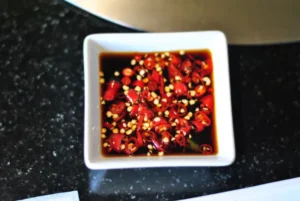
Increase the red pepper flakes for a stronger chili kick.
You can also add finely sliced fresh chili.
Pancetta Penne alla Vodka
Cook diced pancetta until crisp before adding the onion.
The rendered fat adds a savory dimension to the sauce.
Mushroom Version
Sauté sliced mushrooms separately until browned, then fold them into the finished sauce.
This creates an earthy vegetarian variation.
Spinach Version
Add a few handfuls of baby spinach during the final minute of cooking.
The residual heat will wilt the leaves.
Chicken Version
For a more substantial meal, add sliced cooked chicken breast or thigh.
Keep the pieces relatively small, so they distribute evenly throughout the pasta.
Vegetarian Penne alla Vodka
The basic recipe can be vegetarian if you use a vegetarian Parmesan-style cheese.
BBC Good Food also suggests mushrooms or spinach as vegetarian additions to its version. (Good Food)
What to Serve With Penne alla Vodka
Because the sauce is creamy and rich, side dishes with freshness and acidity work particularly well.
Simple Green Salad
Use lettuce, cucumber, tomatoes, and a sharp lemon vinaigrette.
Garlic Bread
A crisp slice of garlic bread is ideal for catching the remaining sauce.
Roasted Vegetables
Broccoli, zucchini, asparagus, or bell peppers provide color and texture.
Fresh Herbs
Basil is classic, but parsley can also provide a fresh contrast.
Avoid adding too many heavy sides. The pasta itself is already satisfying.
How to Store Penne alla Vodka
Allow leftovers to cool before transferring them to an airtight container.
Refrigerate promptly and use within a few days.
Because the sauce contains dairy, avoid leaving the finished pasta sitting at room temperature for extended periods.
For the best texture, store leftovers in the refrigerator rather than freezing the completed dish.
How to Reheat Penne alla Vodka
The biggest problem with reheating creamy pasta is dryness.
Place the leftovers in a skillet over low to medium heat.
Add a small splash of water, milk, or reserved sauce.
Stir frequently.
The additional liquid helps loosen the sauce as it warms.
Avoid extremely high heat because the cream and cheese can separate.
Frequently Asked Questions About Penne alla Vodka
What does Penne alla Vodka taste like?
It tastes creamy, tomato-rich, savory, slightly tangy, and mildly spicy when chili flakes are included. Parmesan adds salty depth while the cream smooths the tomato base.
Does Penne alla Vodka taste like vodka?
When the vodka is properly cooked, the finished sauce should not taste like a strong alcoholic drink. The quantity is relatively small and the alcohol cooks off during preparation.
Can I make Penne alla Vodka without alcohol?
Yes. You can omit the vodka and make a creamy tomato pasta instead. The flavor will be different, but the dish can still be excellent.
What pasta is best for Penne alla Vodka?
Penne rigate is an excellent choice because its ridges hold the creamy sauce. Rigatoni, ziti, and fusilli are also suitable.
Why is my vodka sauce too acidic?
The tomatoes may naturally be quite acidic, or the sauce may need more time to cook. Cream and butter can soften acidity. A tiny pinch of sugar can also help if the tomatoes are particularly sharp.
Why did my creamy tomato sauce separate?
Excessive heat is one possible reason. Keep the sauce at a gentle simmer and add Parmesan over low heat rather than boiling it aggressively.
How much pasta water should I use?
Start with a few tablespoons and add more gradually. The exact quantity depends on how thick your sauce is and how much starch your pasta released.
Can I add meat to Penne alla Vodka?
Absolutely. Pancetta, Italian sausage, chicken, and cooked ground meat can all be incorporated, although the classic creamy tomato flavor should remain the focus.
Can I use tomato sauce instead of crushed tomatoes?
Yes. However, check the seasoning first because prepared tomato sauces can contain additional salt, herbs, sugar, or other flavorings.
Is Penne alla Vodka an authentic Italian recipe?
The dish is generally associated with Italian-American cooking rather than being a universally recognized traditional regional Italian classic. Its exact origins are debated, while its popularity in Italian-American cuisine is well established. Serious Eats likewise notes that the precise origins are unclear. (Serious Eats)
Conclusion
Penne alla Vodka succeeds because it brings together a handful of simple ingredients using careful technique.
The tomato paste provides depth. Tomatoes provide brightness. Cream supplies richness. Parmesan adds savory character. Vodka contributes balance, while starchy pasta water helps create the glossy sauce that coats every piece of pasta.
The most important lesson is not simply to follow the ingredient list.
Cook the tomato paste properly, control the heat, keep the pasta al dente, reserve your pasta water, and finish the pasta inside the sauce.
Those small details transform an ordinary creamy tomato pasta into a dish that feels genuinely restaurant-worthy.
For more pasta knowledge, explore the PastaLoverz guides on pasta cooking methods, water science for pasta, pasta pairing, and common pasta cooking mistakes.
If you make this recipe, experiment with the heat level, pasta shape, and toppings to create your own version.
Below are our valuable contributions
Water Science for Pasta: 9 Secrets for Perfect Results
The Ultimate Pasta Pairing Guide: 17 Perfect Sauce Matches
Cook Pasta Perfectly: 7 Pro Secrets to Avoid Sticky Noodles
🍝 PastaLoverz Pro Tip
Don’t finish the sauce before the pasta is ready. Finish them together.
Transfer your al dente penne directly into the skillet while the sauce is still warm. Add a small splash of pasta water and toss vigorously for 60–90 seconds.
That final tossing stage is where the sauce, starch, cream, cheese, and pasta come together.
The goal is not pasta sitting underneath a pool of sauce.
The goal is every piece of pasta wearing the sauce.
That is the little restaurant-kitchen trick that can make your homemade Penne alla Vodka noticeably better.

Syed Yasar Arafat is the founder of PastaLoverz.com and a food research enthusiast with a focused interest in pasta varieties, traditional Italian cuisine, and balanced eating. Through PastaLoverz.com, he publishes well-researched articles that explain pasta types, cooking methods, and nutritional considerations in clear, practical terms to help readers make informed food choices.