Pastina Pasta: A Complete Guide to Italy’s Tiny Treasure
Pasta is one of Italy’s most beloved comfort foods. These tiny pasta shapes cook quickly and bring warmth to soups, broths, and simple homemade meals. For generations, Italian families have relied on pastina as an easy dish that feels both nourishing and nostalgic.
Although small in size, pastina carries a rich culinary story. From traditional kitchens to modern home cooking, this miniature pasta has remained a favourite for children and adults alike. In this guide, you will discover the history of pastina pasta, the different shapes available, its nutritional value, and the best ways to cook it perfectly every time.
Table of Contents
- History and Origin of Pastina
- Varieties and Shapes of Pastina
- Culinary Uses and Popular Recipes
- Nutritional and Cultural Significance
- Conclusion
- FAQ
History and Origin of Pastina
Pastina Pasta began as a practical idea in Southern Italy and Sicily, where pasta makers and home cooks favored tiny shapes that cooked quickly and blended smoothly into light broths. Families leaned on pastina for everyday meals, but they especially served it to children, older relatives, and anyone recovering from illness because it felt gentle, warm, and easy to eat.
Italian households treated pastina as more than “small pasta.” They used it as a reliable comfort food that fit real life. When time was short, pastina let cooks put a nourishing bowl on the table fast. When someone needed something soft and soothing, the tiny grains delivered texture without heaviness, and the broth carried most of the flavor.
Early pasta was often made with durum wheat semolina, which gives a firm bite even in small shapes. Some versions used egg-enriched dough, especially in places where cooks wanted a softer, richer texture. That simple choice, semolina-only versus egg-based dough, created noticeable differences in how pastina behaves in the pot. Semolina pastina tends to hold its shape longer, while egg-enriched pastina can feel more delicate and tender.
Over time, pasta alla pastina became a quiet staple of Italian cuisine. It showed up in family routines, not restaurant spotlights. People kept it in the pantry for days when they wanted something comforting without effort. That reputation followed Italian communities beyond Italy, too, where many families continued to cook pastina as a “first food” for kids and a go-to meal when someone felt under the weather.
If you enjoy these comfort-food roots, explore our Radiatori pasta guide to discover another shape with its own history and a very different relationship with sauce.
Varieties and Shapes of Pastina
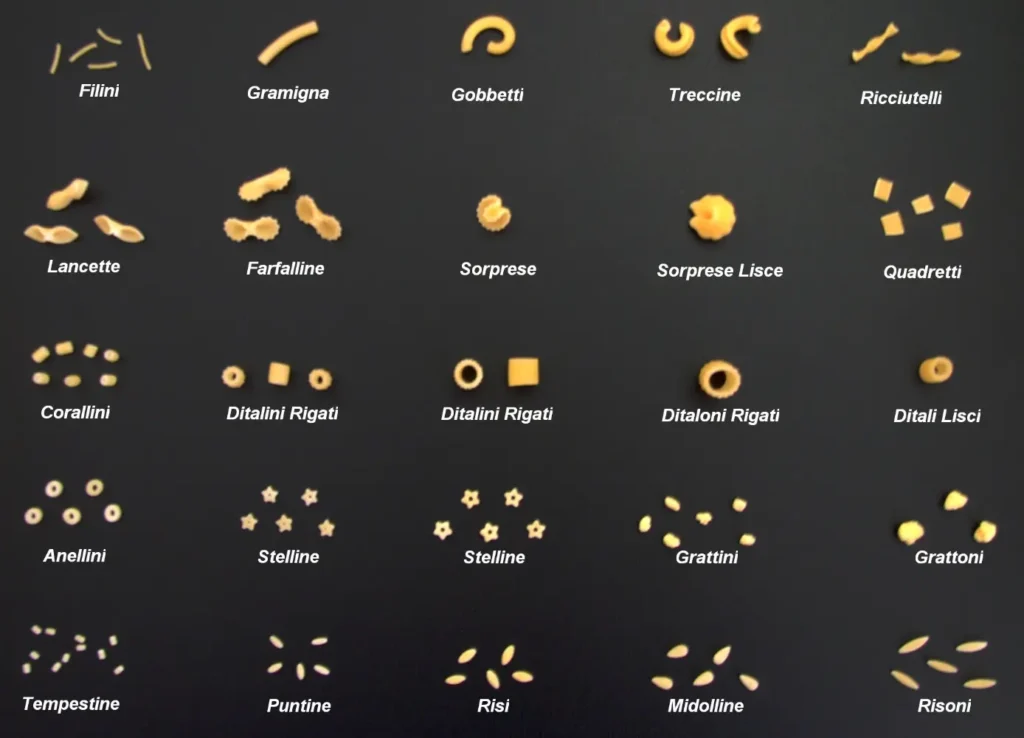
Pastina includes more than 30 miniature pasta shapes. Each shape suits different recipes and textures. Here are the most recognized ones:
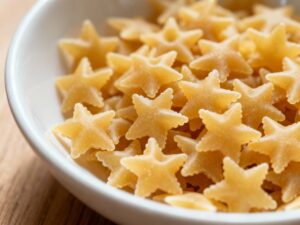
- Stelline, tiny stars, are found in many soups. See our full Stelline pasta guide for details.
- Acini di Pepe, peppercorn-sized pasta used in light soups.
- Orzo is rice-shaped pasta that works in salads and broths. Learn more in our Orzo guide.
- Ditalini short tubes are popular in Pasta e Fagioli.
- Anellini are small pasta rings used in baked dishes and soups.
- Alphabet shapes are fun pastas often used for kids.
Competitors provide helpful references, too. You can explore similar shape listings on DeLallo, Barilla, and The Pasta Project (these appear as clickable text only):
Wikipedia Pastina Overview,
The Pasta Project Guide,
DeLallo Pastina Range,
Barilla Pastina Collection.
For shape comparisons, you can also check larger pasta shapes like Casarecce and twisted styles like Gemelli. Even regional shapes like Testaroli show how pasta culture shifts across Italy.
Culinary Uses and Popular Recipes of Pastina Pasta
Pastina pasta shines because it cooks fast, absorbs flavor quickly, and creates a cozy texture in almost any dish. You can treat it like tiny soup pasta, a quick comfort bowl, or even a base for chilled salads.
The most popular ways to use pastina pasta
1. Classic brothy soups (best beginner use)
Cook pastina directly in chicken broth, vegetable broth, or a light tomato broth. The tiny pasta releases a bit of starch, gently thickening the soup without making it heavy. Families often add shredded chicken, carrots, celery, spinach, or a squeeze of lemon at the end. Share the Pasta also highlights pastina as a classic “smallest shape” used widely in comforting soups. (Share the Pasta)
2. Butter, Parmesan, and pastina (the comfort bowl)
Make a simple bowl by stirring hot pasta with butter and finely grated Parmesan. Add a splash of broth or reserved cooking liquid to keep it silky. This style matches the same comfort-first approach you see in popular modern pastina recipes. (Cooking With Ayeh)
3. Creamy egg-and-cheese pastina (extra soothing)
Whisk an egg with Parmesan, then temper it with a little hot broth and stir it into cooked pastina off the heat. This method gives you a creamy texture without the need for heavy cream, similar to how many classic “sick day” pastina bowls are made. (thekitchn.com)
4. Kid-friendly “baby pastina” bowls
Cook pastina in broth or milk until very soft, then mash lightly if needed. You can add a small knob of butter and a little cheese for extra calories and comfort. Many guides note that pastina is a starter pasta for kids because it’s easy to chew and swallow. (Share the Pasta)
5. Cold pastina salads (tiny rings, orzo-style, or stelline)
Rinse cooked pasta under cool water, then toss with olive oil, herbs, cucumber, tomatoes, and a light vinaigrette. Pastina has a texture like couscous, so it gives you a refreshing side dish that still feels like “pasta.”
6. Baked casseroles and creamy dishes
Use small shapes for a dense, cozy texture. Pastina blends well with béchamel, mozzarella, and mild vegetables. It also helps bind baked mixtures by holding the sauce in every spoonful.
Quick tips that improve every pastina recipe
- Stir early and often to prevent clumping.
- When the dish is simple, cook it in broth for more flavor rather than plain water.
- Undercook by 30 to 60 seconds if the dish will sit, since pastina continues to absorb liquid.
Helpful recipe references (competitor sites)
- Cooking with Ayeh’s Pastina Recipe for a quick comfort bowl. (Cooking With Ayeh)
- Share the Pasta’s Pastina Guide for shape context and traditional uses. (Share the Pasta)
For contrast, you can also explore filled pasta traditions like your Agnolotti guide, since ripiena pasta focuses on stuffing and sauce pairing, while pastina focuses on broth, softness, and comfort.
Nutritional and Cultural Significance of Pastina Pasta
Most pastina pasta uses durum wheat semolina and sometimes enrichment with vitamins. It digests easily, cooks fast, and delivers warmth in every bowl. Italian families often call it a healing food because it feels gentle and familiar.
Pastina also carries nostalgic value. Many Italians remember bowls made by parents or grandparents, especially during winter or illness. Its emotional connection goes far beyond taste.
FAQ
Q: Is pastina pasta a single type of pasta?
A: No. Pastina pasta refers to a variety of tiny pasta shapes, such as stelline, acini di pepe, orzo, ditalini, and anellini.
Q: How long does pastina pasta take to cook?
A: Most pastina pasta shapes cook in 5 to 8 minutes, depending on size, thickness, and brand.
Q: What is the best dish to make with pastina pasta?
A: Chicken broth with pastina pasta is the most classic dish, while buttery pastina pasta with Parmesan is the most popular comfort bowl.
Q: Is pastina pasta suitable for children?
A: Yes. Its tiny size and soft texture make it ideal for children, especially when cooked tender in broth.
Q: Does pastina pasta work in salads?
A: Yes. Orzo, ditalini, and tiny rings mix well with vegetables, herbs, and vinaigrettes in cold pasta salads.
Q: What is pastina pasta made from?
A: Most pastina is made from durum wheat semolina and water. Some versions use egg-enriched dough for a softer texture.
Q: Is pastina pasta the same as orzo?
A: No. Orzo is one type of pastina, but pastina also includes many other tiny shapes.
Q: Can I cook pastina pasta in broth instead of water?
A: Yes. Cooking pastina in broth adds flavor and creates a richer, more comforting result.
Q: Why does pastina sometimes clump together?
A: Pastina clumps when you add it too quickly or do not stir it early. Sprinkle it in slowly and stir for the first minute.
Q: Should I rinse pastina pasta after cooking?
A: Do not rinse pastina for soups or creamy bowls because rinsing removes starch. Rinse only when you make cold pasta salad.
Q: Can I freeze cooked pastina pasta?
A: Yes, but it may soften after thawing. Freeze it in small portions and reheat gently with a splash of broth.
Q: Is pastina pasta gluten-free?
A: No. Traditional pastina contains wheat. Choose gluten-free small pasta made from rice, corn, or legumes if needed.
Q: How do I store leftover pastina pasta soup?
A: Store it in the fridge for up to 3 days. For the best texture, store pasta and broth separately because pastina pasta keeps absorbing liquid.
Q: What can I substitute for pastina pasta?
A: You can substitute orzo, acini di pepe, small ditalini, tiny shells, or broken spaghetti, depending on the recipe.
Q: How do I keep pastina pasta from getting mushy?
A: Cook it just until tender and serve immediately. If you plan leftovers, slightly undercook them and reheat gently in broth.
Conclusion
Pasta represents comfort, heritage, and simple nourishment. These tiny shapes are used to create some of the most iconic Italian comfort dishes. Whether you enjoy it in broth, butter, or creative salads, pastina remains one of the most cherished ingredients in Italian cooking.

Syed Yasar Arafat is the founder of PastaLoverz.com and a food research enthusiast with a focused interest in pasta varieties, traditional Italian cuisine, and balanced eating. Through PastaLoverz.com, he publishes well-researched articles that explain pasta types, cooking methods, and nutritional considerations in clear, practical terms to help readers make informed food choices.