
Chifferi pasta is a short, curved, hollow pasta shape designed to hold sauces inside its tube and along its ridged surface. Its structure makes it one of the most reliable choices for creamy sauces, baked dishes, soups, and pasta salads.
If you want perfectly coated, flavourful pasta every time, chifferi pasta delivers consistent results. In this guide, you will learn how to cook it al dente, which sauces pair best, common mistakes to avoid, and expert tips that turn simple meals into restaurant-quality dishes.
What Is Chifferi Pasta? (The Ultimate Guide)
Chifferi pasta is a short-cut pasta made from durum wheat semolina. It has a curved elbow shape with a hollow center. Many versions are ridged, known as chifferi rigati, which improves sauce retention.
This pasta shape is commonly used in mac and cheese, pasta salads, vegetable soups, and baked dishes because it distributes sauce evenly and maintains its structure during cooking.
Featured snippet definition:
Chifferi pasta is a short, curved, hollow pasta shape designed to trap sauce inside the tube, making it ideal for creamy, chunky, and baked dishes.
Why Chifferi Pasta Works So Well?
Chifferi pasta performs consistently because of its structure.
- The hollow center pulls sauce into every bite
- The curved shape slows sauce runoff
- Ridged surfaces grip thick and thin sauces
This balance prevents the pasta from drying out and prevents the sauce from pooling at the bottom of the dish.
Chifferi Pasta vs Similar Shapes
Chifferi pasta vs macaroni
Macaroni is a general term for elbow pasta. Chifferi pasta often has deeper curves and ridges, which help it hold sauce better than smooth macaroni.
Chifferi pasta vs ditalini
Ditalini are straight and shorter. They work best in brothy soups. Chifferi pasta performs better in creamy soups and saucy dishes.
Chifferi pasta vs cavatappi
Cavatappi is longer and spiral-shaped. Chifferi pasta cooks faster and offers more compact, evenly coated bites.
7 Best Sauces for Chifferi Pasta Recipes
Creamy Cheese & Béchamel: The ultimate partner for chifferi. The hollow tubes act like “cheese traps,” making it the gold standard for Mac and Cheese.
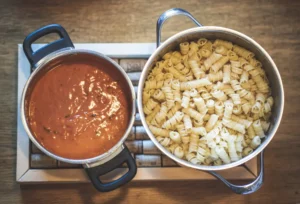
Classic Tomato (Smooth): A simple pomodoro or marinara coats the curved surface evenly without overpowering the delicate shape.
Chunky Vegetable Ragù: The ridges (rigati) are designed to catch small pieces of sautéed zucchini, eggplant, or bell peppers.
Rich Meat Sauces (Bolognese): Small bits of ground beef or pancetta settle perfectly inside the pasta’s “elbow,” ensuring meat in every bite.
Butter & Herb (Sage/Parmesan): For a lighter meal, a simple emulsion of pasta water, butter, and herbs clings to the exterior ridges beautifully.
Hearty Bean & Legume: Chifferi is a traditional choice for Pasta e Fagioli (Pasta and Beans) because it matches the size and texture of chickpeas or borlotti beans.
Zesty Seafood (Tuna or Shrimp): Light oil-based seafood sauces with flaked tuna or small shrimp pair well with the compact nature of this shape.
How to Cook Chifferi Pasta Perfectly?
- Bring a large pot of water to a rolling boil
- Salt the water generously
- Add chifferi pasta and stir during the first minute
- Cook 1–2 minutes less than the package time for al dente texture
- Reserve one cup of pasta water
- Drain and finish the pasta in the sauce for 30–60 seconds
Finishing in sauce improves flavor and prevents watery results.
To cook chifferi pasta perfectly, boil it in well-salted water until al dente, then finish it in sauce with a splash of pasta water for even coating.
Chifferi Pasta Recipes
Creamy Chifferi Pasta (Mac and Cheese Style)
Featured snippet answer:
Creamy chifferi pasta is made by cooking chifferi until al dente, then coating it in a smooth cheese sauce prepared with butter, flour, milk, and melted cheese. The hollow pasta traps sauce, creating rich, even bites.
Ingredients
- 400 g chifferi pasta
- 2 tablespoons butter
- 2 tablespoons all-purpose flour
- 2 cups warm milk
- 1½ cups grated cheese (cheddar, mozzarella, or a blend)
- Salt to taste
- Black pepper or nutmeg (optional)
Method
- Bring a large pot of salted water to a boil and cook chifferi pasta until al dente. Reserve ½ cup of pasta water, then drain.
- Melt butter in a pan over medium heat.
- Add flour and stir continuously for about 30 seconds to remove the raw flour taste.
- Slowly whisk in warm milk, stirring constantly until the sauce thickens and turns smooth.
- Lower the heat and add grated cheese, stirring until fully melted.
- Season lightly with salt and black pepper.
- Add cooked chifferi pasta and a splash of reserved pasta water. Toss gently until evenly coated.
Optional baking step:
Transfer to a baking dish and bake at 180°C for 15 minutes, until lightly golden on top.
Why this works:
Chifferi pasta contains a cheese sauce inside the tube, preventing dryness and ensuring consistent flavor in every bite.
Chifferi Pasta Salad
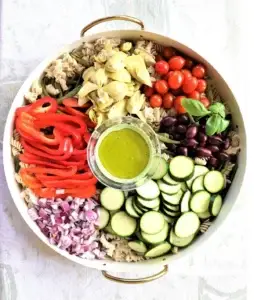
Chifferi pasta salad is made by cooling al dente chifferi pasta, then tossing it with olive oil, lemon juice, vegetables, and cheese. The curved pasta traps dressing, keeping the salad flavorful when chilled.
Ingredients
- 300 g chifferi pasta
- Cherry tomatoes, halved
- Black or green olives, sliced
- Mozzarella cubes
- Olive oil
- Fresh lemon juice or mild vinegar
- Salt and black pepper
Method
- Cook chifferi pasta in salted water until al dente. Drain and cool completely.
- Transfer pasta to a bowl and toss with olive oil and lemon juice to prevent sticking.
- Add tomatoes, olives, and mozzarella cubes.
- Season lightly with salt and black pepper.
- Chill for 20–30 minutes before serving for the best flavor.
Why this works:
The hollow curves of this pasta capture dressing, ensuring the salad remains well-seasoned even after refrigeration.

Soup
Featured snippet answer:
Its soup is made by simmering sautéed vegetables in broth and cooking chifferi pasta until tender. The compact shape distributes evenly and works well in light, comforting soups.
Ingredients
- 150 g chifferi pasta
- Vegetable or chicken broth
- Onion, carrot, and celery, finely chopped
- Olive oil
- Salt to taste
Method
- Heat olive oil in a pot over medium heat.
- Sauté onion, carrot, and celery until soft and aromatic.
- Add broth and bring to a gentle simmer.
- Add chifferi pasta and cook until tender but not mushy.
- Adjust seasoning and serve immediately.
Pro tip:
If storing leftovers, cook the pasta separately and add it when reheating to maintain texture.
Buying and Storing Tips
Featured snippet answer:
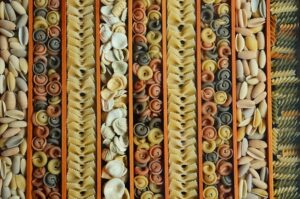
To buy high-quality, choose rigid versions made from 100% durum wheat semolina and store them in a cool, dry place in a sealed container.
How to choose this pasta
- Select chifferi rigati for better sauce grip
- Look for labels stating 100% durum wheat semolina
- Prefer brands with firm texture and uniform shape
How to store this pasta
- Store dried pasta in a cool, dry cupboard
- Keep opened packages sealed in airtight containers
- Avoid humidity to preserve texture and flavor
Why quality matters:
High-quality cooks evenly, resists breaking, and delivers a cleaner flavor with better sauce absorption.
Nutrition and Dietary Options of Chifferi pasta
It is primarily made from durum wheat semolina and provides a steady source of complex carbohydrates that fuel the body over time rather than causing sharp energy spikes.
Nutritional profile (standard wheat chifferi pasta)
- Carbohydrates: The main energy source that supports daily activity
- Protein: Moderate amount, contributing to satiety and muscle maintenance
- Fat: Naturally low
- Fiber: Small amount, which increases when paired with vegetables or whole-grain versions
It is a carbohydrate-rich food with moderate protein and low fat, making it suitable for balanced meals when combined with vegetables, healthy fats, and protein sources.
Is Chifferi pasta healthy?
It can be part of a healthy diet when eaten in appropriate portions and paired with nutrient-dense ingredients. It works best with vegetables, olive oil, legumes, lean meats, or fish, which improve fiber, protein, and micronutrient intake.
Whole wheat and high-fiber options
Whole-wheat types contain more fiber than refined versions. This helps slow digestion, supports gut health, and improves blood sugar control. It also increases fullness after meals.
Gluten-free chifferi pasta
Gluten-free chifferi pasta is widely available and made from:
- Rice
- Corn
- Chickpeas or lentils
Legume-based versions provide higher protein and fiber, making them suitable for people managing blood sugar levels or following plant-focused diets.
This pasta for special diets
- Vegetarian: Naturally vegetarian and easy to pair with plant proteins
- Vegan: Suitable when served without dairy-based sauces
- Gluten-free: Available in certified gluten-free varieties
- Kid-friendly: Easy to digest and portion-controlled due to its size
How to make these pasta meals more balanced
To improve nutritional quality:
- Add vegetables like spinach, zucchini, tomatoes, or broccoli
- Use olive oil instead of heavy cream for lighter sauces
- Include legumes, eggs, fish, or lean meats for protein
- Choose whole wheat or legume-based chifferi pasta when possible

Summary
It offers complex carbohydrates, moderate protein, and low fat. Whole wheat and gluten-free versions expand its dietary flexibility, while pairing it with vegetables and healthy fats creates balanced, nourishing meals.
Frequently Asked Questions
Q: Is this pasta the same as macaroni?
It is part of the elbow pasta family, but it is not always identical to standard macaroni. Chifferi usually has a stronger curve and often comes in a ridged version, which helps it hold sauces more effectively than smooth macaroni.
Q: How long does this pasta take to cook?
It typically cooks in 7 to 10 minutes, depending on the brand and thickness. For an al dente texture, start tasting 1–2 minutes before the package time and finish the pasta directly in the sauce.
Q: Can this pasta be used for mac and cheese?
Yes. It is one of the best shapes for mac and cheese. Its hollow center traps cheese sauce, while the curved shape ensures even coating throughout the dish.
Q: Is this pasta good for soup?
Yes. It works very well in soups because it stays compact, distributes evenly in broth, and does not overpower other ingredients. It is especially good in vegetable soups and light stews.
Q: What can replace this pasta?
The closest substitutes for chifferi pasta are elbow macaroni, gomiti, and small rigatoni. For soups, ditalini can also work, although it has a straighter shape.
Q: Is this pasta ridged or smooth?
Yes. It is available in both smooth and rigid versions. Chifferi rigati is preferred for creamy, chunky sauces because its ridges improve the grip of the sauce.
Q: Is it suitable for baked dishes?
Yes. It is ideal for baked dishes when slightly undercooked. It holds its shape well and absorbs sauce evenly without becoming mushy.
Q: Can this pasta be used in pasta salad?
Yes. It is excellent for pasta salads because its hollow curve traps dressing, keeping the salad flavorful even after chilling.
Q: Does this pasta work with tomato sauce?
Yes. It pairs well with both smooth and chunky tomato sauces. The curved tube helps balance acidity and evenly distribute sauce across the dish.
Q: Is this pasta good for kids?
Yes. Its small size, soft curve, and ability to hold sauce make chifferi pasta easy to eat and popular in kid-friendly meals like mac and cheese and simple tomato pasta.
Q: Is this pasta Italian?
Yes. It is an Italian pasta shape traditionally used in soups and everyday home cooking, especially in dishes where even sauce distribution matters.
Q: Can it be cooked ahead of time?
Yes, but for the best texture, cook it slightly under al dente, toss lightly with oil, and store it separately from the sauce. Reheat by finishing it in the sauce with a splash of water.
Here are high-authority source URLs you can use to support your article on Chifferi pasta (these are reliable, widely recognized culinary references):
📘 Pasta Shape & Pairing Authority
- Barilla’s official Chifferi pasta product page — shape, uses, and pairing recommendations from a major Italian pasta brand: (barilla.com)
- De Cecco’s recipe page Chifferi rigati with herbs — real Italian pasta recipe from a historic pasta maker: (De Cecco)
- World of Pastabilities pasta shapes guide — broad context on pasta shapes and how they pair with sauces: (World of Pastabilities)
Q: Why does chifferi pasta sometimes break apart or cook unevenly? A: This usually happens if the pasta is boiled too aggressively in a cramped pot or if it is a lower-quality brand made without 100% durum wheat semolina.
Because chifferi has a unique curved elbow shape, it requires plenty of water to move freely. Stirring gently during the first two minutes of boiling prevents the pieces from settling, clumping together, or splitting at the ridges.
Q: Is chifferi pasta suitable for baked pasta recipes like pastitsio or casseroles? A: Yes, it is excellent for baked dishes because its hollow tubes naturally hold structural fillings like béchamel, meat ragù, and melted cheese.
To use chifferi in a baked recipe, make sure to boil it for about 2 to 3 minutes less than the package instructions.
This leaves the noodles slightly undercooked so they can absorb the moisture from your sauce and finish cooking perfectly in the oven without turning mushy.
Q: What is the difference between chifferi rigati and chifferi lisci? A: The difference comes down to the surface texture of the noodle. Chifferi rigati features deep ridges along the exterior, which are specifically engineered to grip onto thicker, meatier sauces like Bolognese or textured vegetable blends.
Chifferi lisci has a completely smooth surface, making it traditional for light, brothy soups, smooth tomato sauces, or cold olive oil dressings where a heavy sauce grip isn’t necessary.
📖 Supporting Pasta Shape & Culture Context
- Encyclopedia of Pasta (documented overview of pasta history and shapes) — authoritative reference book by Oretta Zanini De Vita: (dokumen.pub)
🍝 General Pasta Guides (for sauce and shape pairing principles)
- Vincenzo’s Plate: What sauce to serve with every pasta shape — expert guidance on matching pasta shape and sauce: (Vincenzo’s Plate)
- Italian Food Pasta Guide — overview of pasta shapes, sauces, and why shape matters in dishes: (Sal De Forte’s Ristorante)
These links are strong authority signals because they come from respected pasta brands or comprehensive educational guides. You can cite them in your article body or references section to boost credibility and help search engines recognize your content as well-sourced. (barilla.com)
Along with these, our valuable chickpea pasta, Soba pasta, and Lumache pasta, along with Ruote Pasta
Perfect pasta comes down to mastering a few core fundamentals: using the right cooking method, understanding how water and starch interact, pairing the right pasta with the right sauce, and avoiding common mistakes. When these elements come together, your pasta has a better texture, improved flavor, and holds sauce more effectively.
To build these skills, follow a complete pasta cooking guide, learn the water science behind pasta, explore the best pasta for each sauce, and understand common pasta mistakes. These foundational techniques will help you cook better pasta every time, no matter the shape or recipe.
Pasta Cooking: 9 Powerful Secrets for Perfect Results
Casarecce Pasta: 11 Essential Secrets for Perfect Sauce
Rigatoni Pasta: 7 Reasons It’s the Best Shape for Big Flavor
Cappelletti Pasta: 7 Amazing Secrets of This Italian Classic
Linguine Pasta: 7 Amazing Secrets You Should Know
Are our valuable contributions and information hubs
Final Thoughts and Call to Action
Chifferi pasta is practical, versatile, and reliable. Its shape solves common cooking issues by evenly distributing sauce and adapting to soups, salads, and baked dishes.
.
💡 Pro Tip: The “Starch-Lock” Finish for Perfectly Coated Tubes
Because Chifferi pasta features a hollow, curved shape, home cooks often make the mistake of shaking the colander until the noodles are completely bone-dry before saucing. This dries out the surface and prevents the sauce from creeping inside the tubes.
Instead, use a slotted spoon or spider strainer to transfer the al dente chifferi directly from the boiling pot into your simmering sauce skillet while it is still dripping wet. Toss the noodles over medium-high heat with 1/4 cup of your reserved starchy pasta cooking water for 30 to 60 seconds. This creates an immediate, glossy emulsion that locks the sauce tightly to both the exterior ridges and the inner walls of the pasta, guaranteeing an incredibly rich and uniform bite!

Syed Yasar Arafat is the founder of PastaLoverz.com and a food research enthusiast with a focused interest in pasta varieties, traditional Italian cuisine, and balanced eating. Through PastaLoverz.com, he publishes well-researched articles that explain pasta types, cooking methods, and nutritional considerations in clear, practical terms to help readers make informed food choices.

9 Responses