
They are large stuffed pasta from the Emilia-Romagna region of Italy. It looks similar to Tortellini but is larger and usually filled with ingredients such as ricotta cheese, spinach, herbs, or vegetables.
1:What is Tortelloni Pasta?
It is a large, ring-shaped stuffed pasta from northern Italy. It’s created by wrapping pasta dough around a generous filling, sealing the edges, and forming a curved pouch. Tortelloni pasta typically delivers a tender bite and an abundant filling that pairs well with simple, flavorful sauces.
It is a large, ring-shaped Italian stuffed pasta, typically filled with vegetarian fillings such as ricotta cheese, spinach, and herbs
. While it shares a similar folded shape with tortellini, the main difference lies in size and filling: tortelloni is significantly larger and traditionally served with butter or cream sauces, whereas tortellini is smaller, usually meat-filled, and served in broth (in brodo).
2: What’s the Difference Between Tortellini and Tortelloni?
It and Tortellini share a family resemblance but differ in size, filling, and traditional use. Tortellini are smaller, typically meat-filled, and often served in broth. Tortelloni are larger, frequently filled with cheese or vegetables, and usually served with pan sauces, cream-based dressings, or butter-based sauces.
At a Glance: Tortelloni vs. Tortellini
| Feature | Tortelloni | Tortellini |
| Size | Large (Hearty parcels) | Small (Bite-sized rings) |
| Traditional Filling | Ricotta, Spinach, Vegetables | Meat (Prosciutto, Pork, Mortadella) |
| Classic Serving | Pan sauces, Butter & Sage | Clear Broth (In Brodo) |
| Flavor Profile | Mild, Creamy, Fresh | Savory, Salty, Rich |
| Dough Thickness | Slightly thicker to hold cheese | Very thin for delicate broth |
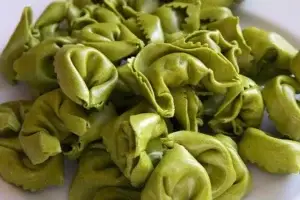
3: How Tortelloni is Made?
Making it begins with a basic pasta dough made from flour and eggs. The dough is kneaded until smooth, then rested, rolled out thin, and cut into squares or circles. A spoonful of filling is placed in the center, the edges are sealed, and the piece converts into a rounded pouch. The dough must strike a balance between thinness for a tender mouthfeel and strength to hold the filling while cooking.
4:What Tortelloni is Filled With?
Its Classic fillings emphasize creamy textures and vegetables. Common fillings include:
- Ricotta and spinach — the most popular choice
- Ricotta with herbs and lemon zest
- Pumpkin or butternut squash purée
- Sautéed mushrooms with soft cheese
- Mixed soft cheeses, such as mascarpone or ricotta, with Parmigiano
5: How to Cook Tortelloni?
Cooking this pasta is straightforward, but timing is crucial. When fresh cooks faster than frozen or refrigerated varieties, always add salt to the water to season the pasta itself.
- Bring a large pot of salted water to a rolling boil.
- Gently add tortelloni to avoid tearing the dough.
- Cook until they float and feel tender — fresh tortelloni: 3–5 minutes; refrigerated: 6–8 minutes; frozen: 8–10 minutes.
- Reserve a cup of pasta water before draining; the starchy water helps emulsify sauces.
- Toss immediately with the sauce to prevent sticking.

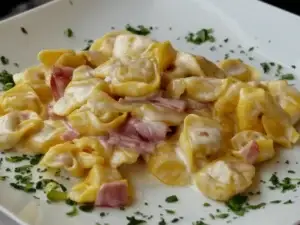
Tip: undercook by 30 seconds if you plan to finish cooking in a pan with sauce.
6: Sauces That Pair Well With Tortelloni
It matches beautifully with simple, supportive sauces that let the filling shine. Top choices include:
- Brown butter and sage — classic and aromatic
- Light tomato sauce — adds acidity without overpowering
- Creamy cheese sauces — for ricotta or mascarpone fillings
- Pesto — basil or nut-based pestos for herb-forward profiles
- Olive oil with garlic — the simplest preparation to highlight filling textures
7:Using Tortelloni in Soup and Bakes
Yes. While it is less common than Tortellini in broth, it is suitable for vegetable and heartier tomato-based soups. Its backed casseroles are also popular — combine cooked tortelloni with sauce and cheese, then bake until bubbling for a comforting meal.

8:Freezing And Storage
Freezing it is a practical method that preserves quality when done correctly.
Uncooked: Freeze the pieces on a tray until they are firm, then transfer them to airtight bags. Cook from frozen; add 1 to 2 minutes to the boiling time.
Cooked: Cool, then toss with a bit of oil to prevent sticking, and store in an airtight container. Reheat gently to avoid splitting the pasta skin.
Storage life: up to two months for best quality.
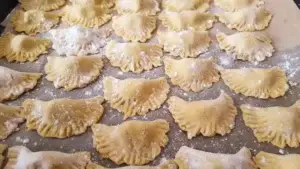
9: Origin And Tradition
It originated in Italy’s Emilia-Romagna region, particularly in Bologna and Modena. Unlike the smaller, meat-filled, which is traditionally served in broth, tortelloni developed as a home-cooked, vegetable- and cheese-filled parcel — a reflection of the region’s abundance of dairy and garden vegetables.
10: Is Tortelloni Healthy?
It can be a nutritious choice depending on the filling and sauce. Ricotta and spinach fillings provide protein, calcium, and iron. Pumpkin-based fillings offer vitamins and fiber. The primary calorie drivers are the sauce and portion size — olive-oil-based or tomato-based sauces are lighter than heavy cream sauces.
11:Wine Pairings
Wine pairing depends on the filling and sauce:
- Ricotta and spinach — Pinot Grigio or Vermentino
- Pumpkin or squash — Chardonnay or Soave
- Mushroom-filled — light reds such as Chianti or Lambrusco
- Butter and sage sauce — sparkling wine or a dry white
12: Vegetarian and Vegan Options
Yes. Vegetarian tortelloni commonly uses cheese and vegetable fillings. Vegan versions replace dairy with tofu, cashew cream, or pureed vegetables. Many artisanal pasta makers now offer egg-free pasta dough and plant-based fillings.
13: Best Store-Bought Tips
Look for short ingredient lists, fresh refrigerated pasta when possible, and a high ratio of filling to dough. Choose brands or local fresh pasta shops with good reviews and clear ingredient labeling. Avoid packages with excessive preservatives or unclear ingredient lists.
14: Making Tortelloni From Scratch
Absolutely. Homemade requires flour, eggs, a chosen filling, and a bit of time. Basic steps:
- Make and rest the dough (flour + eggs).
- Roll the dough thin and cut into shapes.
- Place filling and seal edges.
- Shape into tortelloni and cook or freeze.
Making them by hand gives complete control over texture and flavor.
15:Easy Tortelloni Recipes
With Brown Butter and Sage
Cook it until just tender. Melt the butter until it foams, turns golden brown, and becomes nutty. Add the sage leaves, toss the pasta, and finish with grated Parmigiano.
Tomato Basil
Sauté garlic, add crushed tomatoes and basil. Simmer briefly, then toss with cooked Tortelloni.
Creamy Mushroom
Sauté the mushrooms, then deglaze with a splash of stock. Add the cream, reduce slightly, and fold in the pasta and cheese.
Pesto
Lightly loosen the pesto with the reserved pasta water, then coat the cooked Tortelloni for a quick weeknight meal.
Tortelloni Bake
Combine cooked tortelloni with tomato sauce and mozzarella, bake until golden and bubbling.
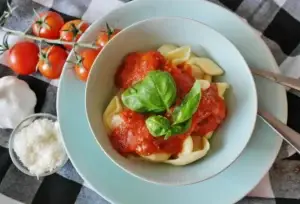
Many pasta problems, such as a mushy texture, a bland taste, or poor sauce coverage, stem from missing key fundamentals. The solution is simple: focus on proper cooking methods, water science, and pairing pasta shapes with the right sauces.
A complete pasta cooking guide, combined with knowledge of water science for pasta, the best pasta for each sauce, and common pasta mistakes, helps you fix errors and achieve perfectly cooked pasta every time.
5 Incredible Reasons Farro Pasta Beats Standard Whole Wheat
Lasagne Verdi: 6 Steps to Authentic Spinach Pasta [2026]
Fregula Pasta: 7 Secrets to Unlock Its Rich, Nutty Taste
16:FAQs
Q: What is Tortelloni?
They are small, ring-shaped stuffed pastas traditionally filled with meat or cheese. It is most commonly served in broth or with light sauces.
Q: How is it made?
It is made by folding thin pasta dough around a small filling, then shaping and sealing it into a ring. The process requires precision to keep the filling enclosed during cooking.
Q: What is it usually filled with?
Traditional fillings include pork, prosciutto, mortadella, Parmigiano-Reggiano, and nutmeg. Modern versions may use ricotta, spinach, mushrooms, or other vegetables.
Q: How do you cook it?
Cook them in well-salted, boiling water until they float and feel tender. Fresh Tortellini usually cooks in 3 to 6 minutes, while dried versions take longer.
Q: How long does it take to boil?
Freshone typically boils in 3 to 5 minutes. Store-bought or frozen Tortellini should be cooked according to package instructions for best results.
Q: Can you freeze it?
Yes. Freeze uncooked in a single layer on a tray, then transfer to airtight bags. Cook directly from frozen without thawing to maintain shape.
Q: Is it healthy?
It can be part of a balanced diet. Vegetable– or ricotta-filled Tortellini, paired with light sauces, are more nutrient-dense, while cream sauces and large portions increase calorie intake.
Q: Can it be baked?
Yes. It works well in baked casseroles, often combined with tomato sauce, cheese, and vegetables. Slightly undercook before baking to prevent it from becoming soft.
Q: What is Tortellini in brodo?
It is a traditional dish in which Tortelloni are served in clear meat broth. It highlights the pasta’s filling and is especially common during holidays.
Q: Is it considered a dumpling?
No. It is classified as stuffed pasta, not a dumpling, because it is made with pasta dough rather than batter or dough balls.
Q: What is the difference between Tortellini and tortelloni?
It is smaller and usually meat-filled. Tortelloni is larger and more commonly filled with ricotta, vegetables, or cheese.
Q: Can it be vegetarian?
Yes. Vegetarian type often contains ricotta, spinach, mushrooms, or cheese blends. Always check labels to confirm ingredients.
Q: What sauces pair best with it?
Light sauces work best. Broth, butter, and sage, light tomato sauce, or olive oil enhance the filling without overpowering it.
Q: How do you pronounce Tortellini?
It is pronounced tor-teh-LEE-nee.
Q: Is it considered a “pasta fresca” (fresh pasta)? While you can find dried versions, it is most traditionally prepared as pasta fresca using soft wheat flour and eggs.
Because the large parcels require a flexible dough to seal in the creamy ricotta filling, the fresh, handmade version is widely considered superior for achieving a tender “al dente” texture.
Q: What is the best way to reheat stuffed pasta like it? To avoid the dough becoming rubbery, avoid the microwave if possible. Instead, gently sauté the leftover pasta in a pan with a splash of pasta water or a knob of butter. This revitalizes the emulsified sauce and maintains the integrity of the delicate pasta skin.
Q: Can I use tortelloni in a pasta salad? Yes! Because of its hearty size, it holds up much better in a cold pasta salad than smaller shapes. Pair it with Mediterranean ingredients like sun-dried tomatoes, artichoke hearts, and a light balsamic vinaigrette to complement the cheese-heavy filling.
Q: Why do my tortelloni keep bursting while boiling? Bursting usually happens due to a “hard boil.” To keep your artisanal pasta intact, bring the water to a boil and then reduce it to a gentle simmer before dropping the pasta in. This prevents the large parcels from knocking against each other and tearing the seals.
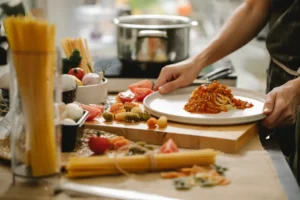
Q: Should you serve Tortelloni pasta with heavy meat sauces like Bolognese?
While you can technically pair it with any topping, traditional Italian culinary logic suggests avoiding heavy meat ragùs when serving fresh Tortelloni pasta. Because Tortelloni pasta is defined by its large, delicate parcels and mild, creamy cheese or vegetable fillings, a dominant meat sauce will completely mask the nuanced flavors of the interior. Instead, choose light, aromatic, or emulsified coatings—such as a classic brown butter and sage glaze, a bright tomato-basil sauce, or a delicate cream reduction—that complement the richness of the filling without overwhelming the pasta dough itself.
Q: What is the most efficient way to store leftover cooked Tortelloni pasta?
To store cooked Tortelloni pasta without it turning mushy or sticking together, you must handle it carefully to protect its structural seals. After boiling, drain the Tortelloni pasta gently and spread the pieces out in a single layer on a parchment-lined baking sheet to cool down completely; this prevents the hot pockets from stacking and tearing each other. Once cooled, drizzle the parcels lightly with a neutral olive oil, transfer them into a shallow airtight container, and keep them refrigerated for up to 3 days. When you are ready to eat, skip the microwave and reheat the Tortelloni pasta by tossing it gently in a warm skillet with a splash of water or butter to revitalize the glaze.
Related Resources
Please explore our route pasta for more Italian classics, and also chickpea pasta Guides
Visit Serious Eats for deep dives into pasta techniques.
Tortelloni Pasta: The Definitive Guide to Italy’s Hearty Stuffed Parcels(Summary)
Tortelloni pasta is a celebrated Emilia-Romagna specialty, representing the larger, more robust sibling of the traditional tortellini. Crafted from a delicate egg-based pasta dough, these ring-shaped parcels are synonymous with Northern Italian gastronomy. Unlike smaller varieties, tortelloni is traditionally a vegetarian-friendly staple, prioritizing creamy ricotta cheese, fresh spinach, and aromatic herbs over meat-heavy interiors.
Technical Mastery and Culinary Characteristics
The “Al Dente” Standard: Achieving the perfect bite requires mindful cooking times—typically 3–5 minutes for fresh artisanal pieces and up to 10 minutes for frozen tortelloni.
Sauce Emulsification: To elevate the dish, finish the pasta in a pan with a splash of starchy pasta water. This technique creates a silky emulsified sauce that clings to the pasta’s curves.
Structural Integrity: Using a gentle simmer instead of a rolling boil prevents the large parcels from bursting, ensuring the savory filling remains intact.
Strategic Pairings and Serving Traditions
Tortelloni’s generous surface area and rich profile make it the ideal canvas for high-quality, simple fats. The most authentic preparation is Burro e Salvia (brown butter and sage), which highlights the creamy ricotta without overpowering the dough. For modern palates, it pairs exceptionally well with Mediterranean ingredients like sun-dried tomatoes or hearty baked casseroles topped with melted mozzarella.
17:Conclusion and Call to Action
It is a pasta built on precision and tradition. Its small size, carefully sealed shape, and rich fillings reflect a style of Italian cooking that values balance over excess.
Whether served in clear broth, lightly dressed with butter and sage, or baked into a comforting casserole, Tortellini delivers depth of flavor in a refined, intentional way.
What makes Tortellini especially appealing is its versatility. It works for festive meals, everyday cooking, and even makes-ahead dishes when handled correctly.
Once you understand its fillings, cooking times, and best pairings, Tortellini becomes easy to use with confidence rather than guesswork.
Call to Action
If this guide helped you, explore more pasta knowledge at Pastaloverz.com, where we explain pasta shapes, techniques, and traditions in clear, practical terms.
You may also enjoy:
- Differences between Tortellini, Tortelloni, and Ravioli
- Best sauces for stuffed pasta
- How to cook fresh vs frozen pasta correctly
Subscribe for weekly pasta tips, recipes, and cooking insights, and continue building your skills one dish at a time.
💡 PastaLoverz Pro Tip: The Gentle Simmer Secret
The most common mistake home cooks make when preparing fresh Tortelloni pasta is dropping it into a violent, rolling boil. Because these large stuffed parcels contain a significant volume of delicate cheese or vegetable filling, the intense turbulence of heavily bubbling water will cause the heavy pockets to crash into one another, tearing the dough and causing your precious fillings to leak into the pot.
To prevent your Tortelloni pasta from bursting, bring your salted water to a full boil first, but turn the heat down to a gentle, steady simmer before dropping the pasta in. This lower-velocity water movement keeps the seals completely intact while beautifully cooking the dough through. For the absolute best results, pull the Tortelloni pasta out with a slotted spoon about 30 seconds before it finishes cooking and transfer it directly into your sauce pan to absorb the flavors seamlessly.

Syed Yasar Arafat is the founder of PastaLoverz.com and a food research enthusiast with a focused interest in pasta varieties, traditional Italian cuisine, and balanced eating. Through PastaLoverz.com, he publishes well-researched articles that explain pasta types, cooking methods, and nutritional considerations in clear, practical terms to help readers make informed food choices.

One Response