
Trofie pasta is a traditional twisted pasta shape from the Liguria region of northern Italy. Its short spiral form is ideal for holding sauces, making it one of the best pasta shapes for fresh basil pesto.
Trofie Pasta: The Essential Guide to Liguria’s Iconic Twist
Trofie is a traditional, hand-rolled pasta originating from the Golfo Paradiso in Liguria, Italy. Defined by its short, tapered, and spiral shape, this egg-free pasta is crafted from high-quality durum wheat semolina and water. Its unique physical structure is semantically synonymous with Pesto Genovese, as the “twists” are naturally designed to trap the emulsion of basil, pine nuts, and olive oil.
Whether you are cooking fresh trofie (which requires a quick 3-5 minute boil) or using dried artisanal brands, the goal is always a firm, al dente texture. In authentic Italian cuisine, trofie represents the heart of Ligurian “cucina povera,” often served in the classic Vantaggio style—boiled alongside sliced potatoes and green beans to create a cohesive, starch-rich Mediterranean masterpiece.
1: What Is Trofie?
It is a short, twisted pasta from Liguria, Italy, traditionally made with durum wheat semolina and water, without eggs. Each piece measures about 2 to 4 cm and curls naturally, creating a rough surface that holds sauce exceptionally well. Trofie is best known for its classic pairing with basil Pesto.
Because of its compact shape and firm bite, trofie performs especially well with oil-based sauces that need grip rather than volume.
2: Origin and History of Trofie
It originates in the Golfo Paradiso, a coastal area of Liguria near Genoa, including towns such as Sori, Recco, and Camogli. For centuries, local families shaped trofie entirely by hand, rolling small strands of dough on wooden boards or with their palms.
This pasta developed as part of Ligurian home cooking, where eggs were scarce, and olive oil, wheat, and herbs formed the backbone of everyday meals.
Trofie’s shape was not decorative but practical, designed to trap Pesto made from basil, garlic, pine nuts, cheese, and olive oil.
Today, it is produced by both artisanal workshops and industrial manufacturers. Certain local variants, such as Trofie di Sori, carry protected local recognition, preserving traditional methods and regional identity even as the pasta gained national and international popularity.
3: Etymology of Trofie
The name trofie is closely tied to how the pasta is made. One widely accepted explanation traces it to Ligurian dialect verbs meaning ‘to rub’ or ‘to twist,’ referring to the rolling motion used during shaping.
Another theory connects the word to ancient Greek roots meaning “to twist” or “to turn”, which aligns with Liguria’s historical ties to Mediterranean trade and language exchange. Both interpretations point to the same idea: trofie is defined by its twisted form and handmade technique.
4:Why Trofie Is Traditionally Paired With Pesto
It pairs well with Pesto because its twisted shape evenly traps oil, herbs, and cheese, preventing the sauce from sliding off. Unlike flat or hollow pasta, trofie creates friction and surface contact, keeping Pesto integrated into each bite.
This pairing became iconic in Liguria, where basil grows abundantly, and Pesto developed as a regional staple.
Trofie does not overpower the sauce. Instead, it supports it, making the pasta and condiment function as a single, cohesive dish.
Trofie at a Glance
Region: Liguria, Italy
Shape: Short, twisted strands
Length: 2–4 cm
Dough: Durum wheat semolina and water
Eggs: No
Classic pairing: Basil Pesto
Trusted Background Sources
For additional historical and culinary context, see:
Wikipedia entry on Trofie
Italy Magazine feature on Ligurian pasta
Product and usage notes from Barilla
Traditional ingredients
Classic uses:
- Durum wheat semolina
- Water
- Salt (used in cooking water)
Some regional recipes add potato or chestnut flour for texture variations. Modern producers also offer gluten-free alternatives made from rice or legume flours.
5: Nutrition & Health Insights
It is traditionally made from durum wheat semolina and water, which makes it a source of complex carbohydrates that provide steady, long-lasting energy. Like most classic Italian pasta shapes, it is naturally low in fat. It contains a moderate amount of plant-based protein, making it a good choice for everyday meals without excess heaviness.
When cooked al dente, trofie digests more slowly than overcooked pasta. This helps maintain a steadier blood sugar response and improves satiety, especially when paired with fiber-rich vegetables or protein. Its compact shape also encourages moderate portion sizes, which supports balanced eating.
Trofie works particularly well in Mediterranean-style meals. Traditional pairings with basil Pesto, green beans, and potatoes reflect a diet that combines carbohydrates with vegetables, healthy fats from olive oil, and herbs rich in antioxidants. This balance enhances flavor while supporting a variety of nutrients.
For those seeking additional fiber, whole wheat trofie options are available from some producers. These versions provide increased dietary fiber, which supports digestion and helps regulate appetite.
Gluten-free alternatives made from corn or legumes are available as well, though cooking times and textures vary and require close attention.
Overall, it fits easily into a nutritious diet when prepared thoughtfully. The health impact depends less on the pasta itself and more on cooking time, portion size, and what you serve alongside it.
Paired with vegetables, olive oil, and lean protein, trofie delivers both comfort and nutritional balance without compromise.
6: How to Make Authentic Trofie Pasta?
Dough preparation
Mix semolina and water, then knead until smooth and elastic. Rest the dough 20–40 minutes to relax the gluten before shaping.
Shaping technique
Pinch off a thumb-sized piece, roll it on a board to a tapered stick, then use your fingers to twist and curl it into the classic shape. Practice gives speed; seasoned hands make it quickly.
Drying, storage, and freezing
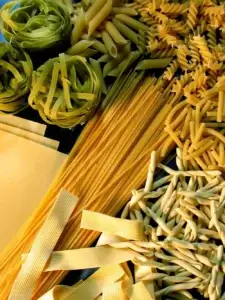
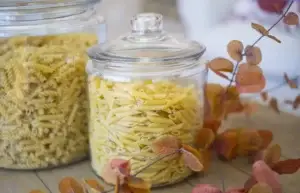
Dry-shape on a floured board or rack. To freeze: flash-freeze on a tray, then transfer to sealed bags. Dried can be stored in airtight jars for months.
7:Cooking
Cooking time
When fresh, it typically cooks in 3–4 minutes. Dried trofie require longer cooking — follow the package instructions for exact times.
Salt and water ratio
Use a large pot and well-salted water (roughly 10 g of salt per liter, by kitchen rule). Generous water prevents sticking and helps even cooking.
Common problems and fixes
- Undercooked center: boil a little longer and stir gently.
- Falling apart: dough too wet or not rested/dried enough.
- Sticky dough: Reduce water slightly or flour the board with semolina.
Classic recipes
Trofie al pesto alla genovese
The signature match: basil Pesto (basil, pine nuts, garlic, Parmesan, olive oil) clings to its curls. Add boiled potatoes and green beans for the complete Ligurian treatment.
With potatoes and green beans
Cook potatoes and green beans with the pasta, or pre-boil them; toss with Pesto for a textural contrast.
Variations: seafood, cream, and nuts
Try clams and prawns, walnut pesto, or a gorgonzola cream for modern takes on its dishes.
8: Nutrition & dietary info
Durum wheat provides energy and moderate protein (typical values ~350–370 kcal per 100 g). Brands vary; check labels for exact numbers. Gluten-free trofie exist but differ in texture.
9: Buying & serving
Please find it in supermarkets, Italian delis, or online. Recommended brands include Barilla and regional Ligurian producers. For homemade authenticity, look for artisanal producers from Liguria.
You can benefit from our chickpea, ruoti, and soba pastas. Guides also
10: Cultural significance & traditions
It forms part of Ligurian culinary identity. Communities celebrate local pasta events, and its traditions persist in family kitchens across the region.
Further reading: Italy Magazine, Wikipedia, and De Cecco Magazine.
Great pasta starts with mastering the basics: proper cooking technique, correct water usage, smart sauce pairing, and avoiding common mistakes. These fundamentals directly impact texture, flavor, and how well the sauce clings to pasta.
By following a reliable pasta-cooking guide, understanding pasta-cooking water science, choosing the best pasta for each sauce, and learning common pasta mistakes, you can consistently cook pasta that tastes balanced, structured, and restaurant-quality.
11: Frequently Asked Questions
Q: What is it made of?
It is traditionally made from durum wheat semolina and water. Eggs are not used in the classic Ligurian recipe, which gives trofie its firm texture and clean wheat flavor.
Q: How is trofie made at home?
To make it at home, mix semolina with water, knead until smooth, and let the dough rest. Cut into small pieces, then roll and twist each piece by hand to form its signature shape. Cook fresh or dry for later use.
Q: How long does trofie pasta take to cook?
Fresh trofie cooks quickly in 3 to 4 minutes. Dried trofie takes longer and should be cooked according to package instructions, usually until al dente.
Q: What sauce goes best with trofie pasta?
The classic pairing is Genovese pesto, traditionally served with potatoes and green beans. The twisted shape holds oil-based sauces especially well, making Pesto the ideal match.
Q: Can trofie pasta be frozen?
Yes. Arrange freshly shaped trofie in a single layer on a tray and freeze until firm. Transfer to airtight bags and cook directly from frozen when needed.
Q: Is there a gluten-free version of trofie pasta?
Yes. Some brands make gluten-free trofie with corn, rice, or legume flours. These versions differ in texture and require careful timing to avoid breakage.
Q: Is trofie pasta vegan?
Yes. Traditionally, it is made only from semolina and water, making it naturally vegan. Always check the packaged version to confirm the ingredients.
Q: Can trofie pasta be used with sauces other than Pesto?
Yes. It works well with light tomato sauces, olive oil with herbs, seafood-based sauces, and vegetable-forward preparations. Heavy cream sauces are less traditional but still workable.
Q: Does trofie pasta hold sauce well?
Yes. Its twisted, compact shape creates surface friction that helps sauces cling evenly rather than slide off.
Q: Is it suitable for beginners to cook?
Yes. It is forgiving to cook and performs best when simply boiled and finished in a sauce. The main mistake to avoid is overcooking.
Q: What is the difference between Trofie and Strozzapreti?
While both are hand-rolled Italian pasta shapes, Trofie is smaller, more tightly twisted, and originates from Liguria. Strozzapreti is typically longer, thicker, and hails from the Emilia-Romagna region. Semantically, Trofie is designed specifically for fine emulsions like pesto, whereas Strozzapreti is often paired with heavier meat ragùs.
Q: Why is Trofie considered a “Cucina Povera” dish?
Trofie belongs to the “Cucina Povera” (peasant cooking) tradition because it requires only two humble ingredients: durum wheat semolina and water. The lack of expensive eggs made it an accessible staple for coastal Ligurian families, relying on manual rolling techniques rather than costly ingredients to create a premium culinary experience.
Q: Is artisanal bronze-die dried Trofie better than mass-produced versions?
Yes. Bronze-die extrusion creates a rough, porous surface on the pasta. This is semantically important for “sauce-clinging” ability. Mass-produced pasta is often pushed through Teflon dies, resulting in a smooth surface that allows oil-based sauces like Pesto alla Genovese to slide off rather than adhere.
Q: How do you prevent fresh Trofie from becoming gummy?
The secret is the starch-to-water ratio. Use a large volume of heavily salted boiling water to ensure the pasta has room to move. This prevents the surface starches from concentrating and becoming “tacky.” For the best texture, always aim for an al dente bite, which provides the structural integrity needed to stand up to rich olive oil bases.
Q: Can you use Trofie in a cold pasta salad?
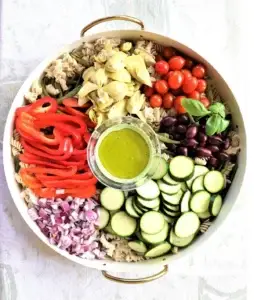
Absolutely. Because of its dense, twisted structure, Trofie maintains its shape and chewy bite even when cold. It is an excellent choice for Mediterranean pasta salads featuring cherry tomatoes, olives, and fresh mozzarella, as the spirals trap the vinaigrette much better than smooth shapes like Penne.

Trofie Pasta: The Definitive Ligurian Culinary Summary
Trofie pasta is an iconic, hand-rolled Ligurian specialty originating from the Golfo Paradiso. Defined by its short, tapered, and spiral geometry, this egg-free pasta is crafted from high-quality durum wheat semolina and water. Its unique physical structure is semantically synonymous with Pesto alla Genovese, as the “twists” are naturally engineered to trap the delicate emulsion of basil, pine nuts, and extra virgin olive oil.
Key Technical Attributes
Regional Authenticity: A staple of northern Italian “cucina povera,” reflecting a tradition of simple, high-quality ingredients.
Texture & Bite: Known for a firm, al dente texture and a slightly chewy mouthfeel that maintains its structural integrity when paired with oil-based sauces.
Cooking Precision: Fresh trofie requires a rapid 3–5 minute boil, while artisanal dried versions utilize a longer window to achieve the perfect “snap.”
Traditional Serving Suggestion
In the authentic Vantaggio style, trofie is boiled alongside sliced potatoes and green beans. This creates a starch-rich, cohesive dish where the sauce clings to every curve, ensuring a balanced Mediterranean flavor profile in every bite.
12: Conclusion and Call to Action
Trofie pasta is shaped by purpose rather than appearance. Its short, twisted form reflects Ligurian cooking at its best: simple ingredients, careful technique, and sauces designed to work in harmony with the pasta. When paired with classic Pesto or other light, oil-based sauces, trofie delivers balance, texture, and depth without excess.
What makes it especially rewarding is its approachability. It cooks quickly, uses an egg-free dough, and adapts well to both traditional and modern kitchens. Once you understand its shape and timing, it becomes a dependable option for meals that feel both comforting and intentional.
Trofie Pasta Comparison: Fresh vs. Dried
| Feature | Handmade (Fresh) | Store-Bought (Dried) |
| Ingredients | Semolina, warm water, salt. | Durum wheat semolina (shelf-stable). |
| Texture | Soft, chewy, and tender. | Firm, dense, and “al dente” snap. |
| Cooking Time | 3–5 minutes. | 10–12 minutes (average). |
| Sauce Grip | High (rougher handmade surface). | Medium (smoother machine-cut). |
| Best For | Authentic weekend projects. | Quick, reliable weeknight dinners. |
| Storage | 2-3 days (fridge) or 1 month (frozen). | 1–2 years in a cool, dry pantry. |
Call to Action
If this guide helped you better understand it, explore more pasta insights at Pastaloverz.com, where we break down shapes, techniques, and pairings in clear, practical terms.
You may also enjoy:
- Pasta shapes that pair best with pesto
- Ligurian pasta traditions and sauces
- Gluten-free pasta alternatives
Subscribe to receive weekly pasta tips, technique guides, and recipe inspiration, and build confidence with every dish you cook.
NOTE:
To avoid waste of food and prepare the right amount of pasta per person, use our Pasta Portion Calculator
💡 The Pro Tip: The “Twist Release” & Off-Heat Mantecatura
The biggest mistake home cooks make with trofie is treating them like regular smooth pasta shapes. Because authentic trofie are tightly twisted by hand or extruded to have deep, dense spirals, they require a specific technique to prevent them from becoming gummy on the outside while remaining hard on the inside.
The “Twist Release” (Cooking Phase): Because trofie are so dense and compact, their surface area releases concentrated starch into the water very quickly. To prevent the spirals from sticking together or creating a tacky micro-layer, you must use a much higher water-to-pasta ratio than you would for long pastas like spaghetti. Stir aggressively during the first 60 seconds of boiling to “flash-set” the outside shape.
The Off-Heat Emulsion (The Pesto Rule): Authentic Pesto alla Genovese is a raw sauce; if basil pesto is exposed to the direct heat of a stovetop burner, the basil oxidizes (turns brown and bitter), and the cheese separates into oily clumps.
The Executive Move: Dilute your pesto in a large, completely cold serving bowl with two tablespoons of starchy, starrily-cloudy pasta water before the pasta is done. Drop the hot trofie, potatoes, and green beans directly into that cold bowl. Toss vigorously away from the stove. The dense starch trapped in the trofie’s twists will instantly fuse with the cold olive oil and cheese, creating a thick, vibrant green lacquer that locks into every single spiral without cooking the basil.
- Below are our valuable contributions and informational hubs.
- 5 Incredible Reasons Farro Pasta Beats Standard Whole Wheat
- Lasagne Verdi: 6 Steps to Authentic Spinach Pasta [2026]
- Fregula Pasta: 7 Secrets to Unlock Its Rich, Nutty Taste
- Acini di Pepe Pasta: 7 Secrets for Perfect Cooking & Uses
- Capellini (Angel Hair Pasta): 7 Golden Cooking Secrets

Syed Yasar Arafat is the founder of PastaLoverz.com and a food research enthusiast with a focused interest in pasta varieties, traditional Italian cuisine, and balanced eating. Through PastaLoverz.com, he publishes well-researched articles that explain pasta types, cooking methods, and nutritional considerations in clear, practical terms to help readers make informed food choices.

One Response