
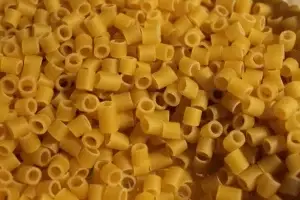
Ditalini pasta is a small tube-shaped pasta widely used in Italian cooking, especially in soups and rustic comfort dishes. Its name means “little thimbles,” which describes its short cylindrical shape.
1. What Is Ditalini Pasta?
Ditalini pasta is a minimal tubular pasta shape. The Italian word ditali means “thimbles”, so ditalini means “little thimbles.”
They are hollow tubes with a diameter similar to their length, which makes them ideal for soups. They originate from southern Italy, particularly Campania and Apulia.
External source: Ditalini – Wikipedia
2. Ditalini Pasta Pronunciation
Pronounced as dee-tah-LEE-nee.
Reference: Eating Choice – Ditalini Pronunciation
3. Ditalini Pasta vs Other Pasta Shapes
Ditalini vs Macaroni
Macaroni is larger and curved. Ditalini are tiny and straight, making them better for soups.
Ditalini vs Orzo
Orzo is rice-shaped, not tubular like ditalini.
Ditalini vs Stelline
Stelline are star-shaped pasta used in children’s soups.
Ditalini vs Pastina
Pastina includes many tiny shapes; ditalini is just one type.
Reference: Bon Appétit – Small Pasta Shapes
Ditalini vs Ditalini Rigate
Rigate means ridged. They hold sauce better than smooth ditalini.
External source: The Pasta Project – Ditalini Guide
Ditalini Pasta vs. Other Small Pasta Shapes
| Feature | Ditalini Pasta | Orzo (Risoni) | Stelline (Stars) |
| Shape | Small, open-ended tubes | Rice-shaped grains | Tiny pointed stars |
| Best Used For | Minestrone, Pasta e Fagioli | Grain bowls, Orzo salads | Clear broths, Baby food |
| Cooking Time | 8–10 minutes | 7–9 minutes | 4–6 minutes |
| Texture | Chewy holds broth inside | Smooth, slippery | Very soft, delicate |
| Sauce Pairing | Thick vegetable soups | Lemon-herb vinaigrettes | Light butter or broth |
4. Types of Ditalini Pasta
- Smooth (Lisci)
- Rigate (ridged)
- Bronze-cut ditalini
- Whole wheat ditalini
- Gluten-free options
- Family sizes: ditaloni, ditali, ditalini
5. How to Cook Ditalini Pasta
Basic Steps
1. Bring salted water to a boil.
2. Add ditalini.
3. Cook 8–10 minutes or use package instructions.
4. Taste at 7–8 minutes for al dente.
Brand reference: Barilla Ditalini
For Soups
Add ditalini near the end of simmering to avoid mushiness, or cook separately.
Meal Prep
If you plan to reheat, undercook slightly by 30–60 seconds.

Cooking Time Chart
| Pasta Type | Time |
|---|---|
| Standard Smooth Ditalini | 8–10 min |
| Bronze-Cut / Whole Wheat | 9–11 min |
| Gluten-Free | 7–9 min |
6. Recipe Ideas & Pairings
Great uses include:
- pasta e fagioli
- Minestrone
- Garlic-oil ditalini
- Ditalini mac and cheese
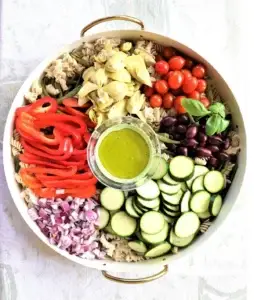
- Mediterranean pasta salad
- Seafood ditalini dishes
- Baked casseroles
- Vegan and vegetarian recipes
External source: Ditalini from The Pasta Project
7. Dietary Variants & Substitutions
Gluten-Free
Use gluten-free ditalini made from rice, corn, or legumes.
Our Soba pasta, chickpea, and Route pasta guides are also valuable additions worth visiting
Dairy-Free
Use olive oil or broth-based sauces.
High-Protein
Add beans, chickpeas, or Greek yogurt.
Internal link: High-Protein Pasta Options
Substitutions
Use tubetti, small macaroni, or other pastina.
Internal link: Ditalini Substitutes
8. Where to Buy & Best Brands
- Barilla Ditalini
- Artisanal bronze-cut brands
- NZ stores like Countdown, New World
- Italian specialty groceries
9. Troubleshooting & Pro Tips
- Reduce cooking time to avoid mushiness.
- Add pasta late in soups.
- Rinse only if making cold salads.
- Undercook slightly if freezing.
10.
Nutrition & Health Insights
Ditalini is traditionally made from durum wheat semolina, which provides complex carbohydrates for sustained energy along with a moderate amount of plant-based protein.
Like most classic Italian pasta shapes, it is naturally low in fat and free from added sugars, making it a neutral, adaptable base for balanced meals.
A standard serving of ditalini contributes carbohydrates that fuel the body efficiently, especially when cooked al dente.
This firmer texture slows digestion slightly compared to overcooked pasta, which can help support steadier blood sugar levels when paired with protein, vegetables, and healthy fats.
Whole wheat ditalini offers additional nutritional benefits. It contains more dietary fiber, which supports digestion, improves satiety, and helps regulate appetite.
This makes whole-wheat versions a practical option for people looking to increase fiber intake without significantly changing portion size.
From a practical standpoint, ditalini works well in nutrient-dense dishes such as bean soups, lentil stews, and vegetable-heavy broths.
These combinations naturally increase protein, fiber, and micronutrient intake while keeping meals filling rather than calorie-dense.
According to published data from brands like Barilla, standard ditalini made from durum wheat typically provides a balance of carbohydrates and protein suitable for everyday meals, while whole grain versions emphasize fiber and slower digestion.
Gluten-free alternatives made from corn, rice, or legumes vary more widely in nutrition and should be chosen based on individual dietary needs.
As with any pasta, the health impact of ditalini depends more on portion size, cooking method, and what you serve it with than on its shape.
When combined thoughtfully, it fits easily into a nutritious, well-rounded diet.
11.
Cultural and Regional Context
Ditalini pasta holds a quiet but important place in southern Italian cooking, where practicality and balance guide recipe design.
Its small, hollow shape makes it ideal for soups and brothy dishes that rely on legumes, vegetables, and modest portions of pasta rather than heavy sauces.
In Sicily, ditalini frequently appears in vegetable-forward soups and bean-based preparations, where pasta serves as a supporting element rather than the focus.
These dishes reflect the island’s long tradition of cucina povera, a style of cooking built around seasonal produce, grains, and economical use of ingredients.
In Campania, ditalini plays a central role in classics like pasta e fagioli. Here, the pasta absorbs just enough broth to thicken the soup naturally while remaining tender and cohesive.
The result is a dish that feels hearty without excess, a hallmark of the region’s everyday cuisine.
Culturally, ditalini represents restraint and function. It is chosen not for visual impact, but for how it behaves in liquid-based dishes and how easily it feeds families
. Italian food historians and culinary institutions such as the Accademia Italiana della Cucina often highlight shapes like ditalini as examples of how regional pasta evolved to meet specific cooking needs rather than aesthetic considerations.
For readers interested in a deeper background, trusted food education platforms and Italian culinary archives provide detailed coverage of ditalini history, including its role in southern soups and bean dishes across generations.
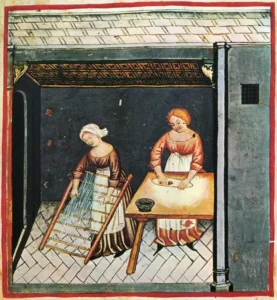
Great pasta starts with mastering the basics: proper cooking technique, correct water usage, smart sauce pairing, and avoiding common mistakes.
These fundamentals directly impact texture, flavor, and how well the sauce clings to pasta.
By following a reliable pasta cooking guide, understanding water science for pasta, choosing the best pasta for each sauce, and learning common pasta mistakes, you can consistently cook pasta that tastes balanced, structured, and restaurant-quality.
Learn more through Best Pasta for Alfredo Sauce: 7 Picks for Creamy Perfection and Alphabet Pasta: 7 Best Secrets for Fun Tiny Soup Shapes
Pastina Pasta: 7 Reasons It’s the Ultimate Comfort Food
Pasta Shape and Sauce Pairing Guide: 7 Secrets of Success
Strozzapreti Pasta: 7 Facts & How to Cook It Perfectly
NOTE:
To avoid the waste of food and prepare a proper amount of pasta per person, use our Pasta Portion Calculator
FAQ
Q: How long should ditalini pasta be cooked for soup?
Ditalini typically cooks in 8 to 10 minutes. For soup, cooking it for 7 to 8 minutes keeps it al dente and prevents it from becoming overly soft as it sits in broth.
Q: Should ditalini pasta be cooked separately for minestrone?
Yes, especially if you plan to store or reheat the soup. Cooking ditalini separately helps prevent it from absorbing too much broth and becoming mushy over time.
Q: Is ditalini pasta the same as pastina?
No. Pastina is a general term for very small pasta shapes. Ditalini is a specific short, hollow tube often used in soups and bean-based dishes.
Q: Does ditalini pasta absorb broth quickly?
Yes. Its hollow shape allows liquid to flow inside, which causes it to absorb broth faster than solid shapes. Adding it later in the cooking process helps control texture.
Q: Can you freeze soup with ditalini pasta?
Yes, but slightly undercook the pasta first. This allows it to finish cooking when reheated without breaking down or becoming too soft.
Q: Does ditalini pasta work well for toddlers and young children?
Yes. Ditalini’s small size makes it easy to chew and swallow. It works well in lightly seasoned broths and vegetable soups for young eaters.
Q: What soups pair best with ditalini pasta?
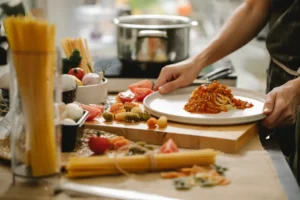
Ditalini works best in minestrone, chicken soup, lentil soup, and pasta e fagioli. It complements brothy soups with vegetables or beans rather than thick, creamy bases.
Q: Can ditalini pasta be used outside of soups?
Yes. It works well in pasta salads, creamy dishes, and baked casseroles when combined with finely chopped ingredients and well-balanced sauces.
Q: How much ditalini pasta should I add to the soup?
Use about ½ to ¾ cup of dry ditalini per 6 cups of broth. This ratio keeps the soup balanced without letting the pasta dominate.
Q: Is ditalini pasta egg-based?
No. Traditional ditalini is made from durum wheat semolina and water, making it suitable for vegan diets unless otherwise specified.
Q: Do whole wheat or gluten-free ditalini cook differently?
Yes. Whole-wheat versions usually take slightly longer, while gluten-free versions cook faster and require close monitoring to avoid falling apart.
FAQ 7: Why is Ditalini often called “Ditali” or “Salad Macaroni”?
Answer: While they look nearly identical, the names refer to the length. Ditali means “thimbles,” and Ditalini simply means “little thimbles.” In North American gastronomy, they are frequently labeled as “Salad Macaroni” because their hollow, tubular shape is perfect for holding onto creamy dressings and small-diced vegetables without getting mushy.
FAQ 8: Can I substitute Ditalini with gluten-free or pulse-based versions?
Answer: Yes! Many brands now produce Ditalini made from chickpeas, lentils, or brown rice. However, keep in mind that pulse-based pastas have a higher starch release, which can thicken your soup unexpectedly. If using a gluten-free substitute, we recommend rinsing the pasta under cold water after boiling to maintain a clean, non-sticky texture for salads.
FAQ 9: What is the best way to store cooked Ditalini?
Answer: Because of their small size and high absorption rate, Ditalini can act like a sponge. If you are meal-prepping soup, store the cooked pasta in a separate container with a drizzle of extra virgin olive oil. This prevents the pasta from soaking up all the broth and becoming overly soft when reheated.
Q: Why does ditalini pasta expand so much more than other shapes in leftovers?
The rapid expansion of ditalini pasta in leftover dishes comes down to its specific physical geometry. Because it is structured as a short, open-ended hollow cylinder, it has a exceptionally high surface-area-to-volume ratio. This allows liquid to easily penetrate both the interior walls and the exterior surface simultaneously. If left sitting in a soup or sauce overnight, your ditalini pasta will continuously act like a microscopic sponge, absorbing every drop of available moisture until it reaches its absolute maximum physical capacity. This structural trait means that ditalini pasta requires careful moisture management if you want to avoid a bloated, mushy dish the next day.
Q: How do you properly store cooked ditalini pasta for future meal prep?
To preserve the firm, al dente bite of your pre-cooked meals, you should never store ditalini pasta submerged inside a broth or heavy sauce. Instead, boil the ditalini pasta separately until it is about 60 seconds undercooked, drain it thoroughly, and spread it out on a baking sheet to cool down quickly. Once the steam escapes, toss the ditalini pasta with a drizzle of extra virgin olive oil to seal the surface and prevent the small tubes from clumping together. Store it in an airtight container in the refrigerator for up to 4 days, and simply drop a portion into your hot soup bowl right before serving.
Ditalini Pasta: The Ultimate Summary
Ditalini pasta (Italian for “little thimbles”) is a versatile, small-scale tubular pasta essential to traditional Italian comfort food. Known for its excellent sauce retention and firm al dente texture, it is the primary choice for Minestrone and Pasta e Fagioli due to its ability to mirror the size of beans and diced vegetables.
Whether you are using traditional durum wheat semolina or exploring gluten-free pulse-based alternatives, mastering the 8–10 minute cooking time is key to maintaining structural integrity in both hot broths and chilled Mediterranean pasta salads. From its roots in Piedmontese gastronomy to its modern role in healthy meal prep, Ditalini remains a pantry staple for its efficiency and consistent absorption rates.
13:Conclusion and Call to Action
Ditalini pasta may be small, but it plays a meaningful role in Italian cooking. Its ability to absorb broth, complement vegetables and legumes, and stay tender without overpowering a dish makes it a dependable choice for soups and lighter meals. When cooked with care and paired thoughtfully, it delivers comfort, balance, and practicality in every bowl.
Understanding how ditalini behaves in liquid, how long it should cook, and how it fits into different dietary needs helps you use it with confidence rather than guesswork. Whether you are preparing a simple weeknight soup or a traditional bean-based dish, this pasta rewards attention to timing and proportion.
Ditalini Pasta: The Ultimate Summary
Ditalini pasta (Italian for “little thimbles”) is a versatile, short-cut tubular pasta that serves as an essential staple in traditional Italian comfort food. Renowned for its excellent sauce retention and firm al dente texture, it is the primary choice for rustic classics like Minestrone and Pasta e Fagioli because its compact shape perfectly mirrors the size of beans and diced vegetables.
Whether you are boiling traditional durum wheat semolina or exploring gluten-free, pulse-based alternatives, mastering the cooking time of Ditalini pasta is the key to maintaining its structural integrity.
From its rich roots in regional Italian gastronomy to its modern role in healthy meal prep, Ditalini pasta remains a pantry favorite for its efficiency, consistent absorption rates, and satisfying chew.
💡 PastaLoverz Pro Tip: The Separate-Pot Secret
When preparing hearty vegetable or bean soups, never boil your Ditalini pasta directly in the main soup pot if you expect to have leftovers. Because of its hollow, tubular design, Ditalini pasta acts like a sponge and will continuously absorb liquid as it sits, turning your beautiful broth into a mushy, over-expanded porridge overnight.
Instead, boil the Ditalini pasta in a separate pot of salted water until it is just al dente, drain it, and toss it with a tiny splash of olive oil. To serve, simply place a portion of the cooked Ditalini pasta directly into individual bowls and ladle the piping-hot soup over it—this preserves the perfect texture of both the broth and the pasta every single time.
Call to Action
If this guide helped you, continue learning at Pastaloverz.com, where we break down pasta shapes, techniques, and pairings in clear, practical terms.
You may find these guides especially useful:
- How to Keep Pasta Firm in Soup
- Best Pasta Shapes for Brothy Sauces
- Gluten-Free Pasta Options
For ongoing guidance, subscribe to receive weekly pasta tips, recipes, and inspiration designed to help you cook with more confidence and consistency every time.

Syed Yasar Arafat is the founder of PastaLoverz.com and a food research enthusiast with a focused interest in pasta varieties, traditional Italian cuisine, and balanced eating. Through PastaLoverz.com, he publishes well-researched articles that explain pasta types, cooking methods, and nutritional considerations in clear, practical terms to help readers make informed food choices.