
Acini di Pepe pasta is a tiny, bead-shaped pastina, one of the smallest and most unique types of Italian pasta. These tiny bead-shaped pasta pieces are made from durum wheat semolina and cook quickly, making them perfect for soups, salads, and light comfort dishes.
Many people know acini di pepe from the famous Italian wedding soup, but its uses go far beyond that classic recipe. The pasta absorbs broth beautifully and adds a delicate texture without overpowering other ingredients.
In this guide, you will discover 7 essential facts about acini di pepe pasta, including its origin, how to cook it properly, and the best recipes where it truly shines. Acini di Pepe history – Wikipedia and the DeLallo Acini di Pepe overview.
What is Acini di Pepe pasta?
Acini di Pepe pasta are tiny, round pasta pearls whose name means “seeds of pepper.” They typically measure smaller than peppercorns and behave like tiny pastina in soups, broths, and salads. See a concise profile at ShareThePasta.
Origin & history of Acini di Pepe
This shape has long Italian roots and was traditionally used in festive soups — notably wedding soups — as a symbol of fertility and abundance. Modern producers such as DeLallo and Delverde make it widely available.
How do you cook Acini di Pepe?
Stovetop method
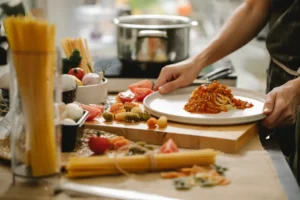
Bring a pot of salted water or stock to a boil, add the Acini di Pepe, stir gently, and simmer for about 6 minutes, until al dente (begin tasting at 5 minutes). Because the beads are tiny, they can overcook quickly. Drain with a fine-mesh sieve so they don’t slip through a standard colander. For general timing guidance, see Barilla’s recipe resources at Barilla recipes.
Cooking directly in soups
Add Acini di Pepe to the simmering soup in the last 6–10 minutes. Dense broths may slow cooking; community reports on Reddit’s AskCulinary discuss longer cook times in heavy soups. To avoid mush, taste frequently and consider boiling the vegetables separately to prevent the broth from thickening.
Instant Pot/pressure cooker
For quick soups: combine 2/3 cup of dry Acini di Pepe with 1 cup of broth and a pinch of salt, pressure-cook on high for 4 minutes, then quick-release and stir. Add more liquid to loosen the texture if needed.
Nutrition Facts for Acini di Pepe
Acini di Pepe nutrition is similar to other small semolina pastas, offering energy, moderate protein, and essential micronutrients in a compact serving size.
A typical 1/3-cup dry serving (about 57 g) provides:
Calories: ~210
Carbohydrates: ~41 g
Protein: ~7 g
Fiber: ~2 g
Fat: <1 g
Because Acini di Pepe is made from enriched durum wheat semolina, it naturally provides iron and B vitamins, including thiamin, riboflavin, niacin, and folic acid. These nutrients support energy metabolism and red blood cell production. You can learn more about this enrichment process through Healthline’s semolina nutrition guide.
How it fits into a balanced meal:
Acini di Pepe absorbs liquid efficiently, making it satisfying yet easy to overconsume in calorie-dense soups. To balance the meal:
Add vegetables for fiber and micronutrients
Include lean protein like chicken, beans, or fish
Use broth-based sauces instead of cream-heavy ones
Health note:
While Acini di Pepe is not a whole grain, its small size encourages portion control and even nutrient distribution when combined with vegetables and protein. Whole-wheat or legume-based versions increase fiber as needed.
Nutrition Comparison: Acini di Pepe vs Couscous vs Orzo (Dry, Uncooked)
Values are approximate per standard dry serving and may vary by brand.
| Pasta / Grain | Serving Size (Dry) | Calories | Carbohydrates | Protein | Fiber | Fat |
|---|---|---|---|---|---|---|
| Acini di Pepe | 1/3 cup (≈57 g) | ~210 kcal | ~41 g | ~7 g | ~2 g | <1 g |
| Couscous | 1/3 cup (≈60 g) | ~220 kcal | ~45 g | ~8 g | ~2 g | <1 g |
| Orzo | 1/3 cup (≈56 g) | ~200 kcal | ~42 g | ~7 g | ~2 g | <1 g |
Key Nutritional Differences (Quick Take)
Calories: All three are similar. Couscous trends slightly higher per serving.
Carbohydrates: Couscous provides the most carbs, making it a good choice for higher-energy meals.
Protein: Couscous is marginally higher, though the difference is small.
Fiber: Comparable across all three when refined. Whole-wheat versions raise fiber.
Texture impact: Acini di Pepe absorbs more liquid, which increases satiety in soups.
Which One Should You Choose?
Choose Acini di Pepe for brothy soups and lighter meals where even texture matters.
Choose Couscous for fast cooking and grain-style salads or bowls.
Choose Orzo when you want a rice-like pasta that holds up in pilafs and baked dishes.
Health tip:
All three are refined wheat products. To improve nutritional balance, pair them with vegetables and lean protein, or use whole-grain versions when available.
Popular Recipes and Uses for Acini di Pepe
Acini di Pepe works best in soups and light dishes, where its small size enhances texture without overpowering other ingredients. Its tiny, round shape absorbs broth evenly and distributes flavor in every spoonful.
Popular and practical ways to use Acini di Pepe include:
Italian Wedding Soup
This is the most classic use. Acini di Pepe cooks directly in the broth, thickening it slightly while pairing perfectly with mini meatballs, leafy greens, and a clear chicken base.Chicken Noodle Soup with Dill
Swap traditional noodles for Acini di Pepe to create a lighter, more refined soup. The pasta stays tender without breaking apart, making it especially kid-friendly and easy to digest.Minestrone with Toasted Acini
Briefly toasting Acini di Pepe in olive oil or the oven before simmering adds a nutty note and helps the pasta hold its shape longer in vegetable-heavy soups.Cold Lemon-Feta Acini Salad
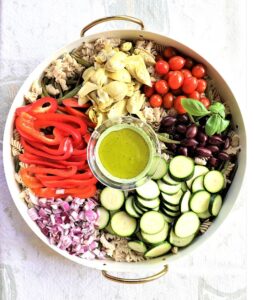
When chilled, Acini di Pepe behaves like couscous. Toss it with lemon juice, olive oil, olives, cherry tomatoes, herbs, and feta for a refreshing pasta salad or Mediterranean-style side dish.Brothy Seafood Soups
Its small size makes it ideal for fish or shellfish soups, where larger pasta would dominate delicate flavors.
Cooking tip for best results:
Always stir Acini di Pepe early in cooking to prevent clumping, and slightly undercook it if the dish will sit or be reheated. The pasta continues absorbing liquid after cooking.
For recipe inspiration, check an Acini de Pepe salad idea at Epicurious and more shape guides at ShareThePasta—
Our Route pasta, chickpea pasta, and soba pasta Guides are also valuable additions in the pasta world
Substitutes and Comparisons: Acini di Pepe vs. Orzo and Others
While Acini di Pepe is a unique pastina, several substitutes can work depending on your desired texture. Acini di Pepe is significantly smaller and rounder than Orzo, which is rice-shaped. In a soup, orzo provides a larger, chewier bite that mimics grain, whereas Acini di Pepe acts more like delicate “beads” that melt into the broth.
Another common comparison is with Couscous. Standard Moroccan couscous is much smaller and offers a gritty, grain-like mouthfeel, while Israeli (Pearl) Couscous is the closest match in size but has a toasted, nutty flavor profile.
If you are making a traditional Italian Wedding Soup and cannot find Acini di Pepe, Ditalini, or Stelline (star-shaped pasta) are excellent alternatives that maintain the spirit of the dish. For a deeper dive into how these shapes handle different liquids, you can read an orzo comparison at Serious Eats.
Video resources
FAQ — quick answers
Q: Is Acini di Pepe gluten-free and baby-friendly?
Most commercial Acini di Pepe are made from durum semolina and contain gluten, so they are not gluten-free. Its tiny size makes it a popular first pasta for babies who already tolerate gluten, but do not use it if a gluten-free diet is required. See DeLallo’s overview at DeLallo Acini di Pepe.
Q: Why does Acini di Pepe sometimes take longer to cook?
Dense broths, starch buildup, and altitude can extend cooking time. Users have reported longer wait times in Reddit forum discussions. Taste frequently to avoid overcooking.
Q: How do I cook Acini di Pepe in the Instant Pot?
Pressure cook 2/3 cup dry with 1 cup stock for 4 minutes on high, quick release, then stir and test for doneness.
Q: What is the nutrition of Acini di Pepe
Pasta per serving?
Approximately 210 calories, ~41g carbs, 7g protein, and 2g fiber per 1/3-cup dry (~57g). For macronutrient details, see Healthline – Semolina nutrition.
Q: What are good substitutes?
Orzo, ditalini, or couscous are common substitutes, depending on whether you want a slightly larger bite (orzo) or a grain-like texture (couscous).
Q: Is Acini di Pepe pasta the same as pastina?
Acini di Pepe is one type of pastina. All Acini di Pepe are pastina, but not all pastina shapes are Acini di Pepe.
Q: Can Acini di Pepe pasta be used instead of couscous?
Yes. It works well in salads and bowls. It creates a softer, more pasta-like texture compared to couscous.
Q: What is the best way to prevent Acini di Pepe pasta from clumping?
Stir immediately in the first minute of boiling, keep the water at a vigorous boil, and avoid adding pasta before the water is fully rolling.
Q: Does Acini di Pepe absorb a lot of broth in soup?
Yes. The tiny beads absorb broth quickly. For soup, boil separately if you want the broth to stay clear.
Q: Why does Acini di Pepe sometimes turn mushy?
Overcooking by even 1–2 minutes softens these small beads quickly. Always taste at 5 minutes and stop at al dente.
Q: Can you toast Acini di Pepe before cooking?
Yes. Toasting in a dry pan for 2–3 minutes adds a nutty flavor and helps keep the beads firmer in soups.
Q: Is Acini di Pepe pasta good for cold pasta salads?
Absolutely. It works like a tiny couscous, gripping dressings and herbs well without getting heavy.
Q: What is the best broth-to-pasta ratio for soups?
Use at least 4 cups of broth for every ½ cup of dry Acini di Pepe to keep soups from thickening too much.
Q: Can you freeze cooked Acini di Pepe pasta?
Yes, but freeze it separately from the soup to prevent bloating. Store in airtight bags for up to 2 months.
Q: What is the ideal serving size of Acini di Pepe pasta?
About ⅓ cup (dry), which makes roughly 1 cup cooked.
Conclusion
Acini di pepe pasta may be small in size, but it plays a meaningful role in Italian and Italian-American cooking. Its tiny, bead-like shape delivers a gentle texture without overpowering other ingredients, making it ideal for soups, broths, and light preparations. From classic wedding soup to simple comfort bowls, this pasta proves that subtlety often creates the most satisfying results.
Because it cooks quickly and blends seamlessly into dishes, acini di pepe pasta works especially well when balance matters. It absorbs flavor without becoming heavy, offering warmth and familiarity in every spoonful. This quality has kept it a trusted pantry staple across generations.
Pro Tip: When making Italian Wedding Soup, cook the Acini di Pepe separately and add it to the bowl at the end. If you cook it in the soup, it will absorb all the broth overnight!” This shows you aren’t just a bot; you’re a cook.
Call to Action
Bring timeless comfort to your table with acini di pepe pasta. Try it in soups, experiment with lighter sauces, or pair it with vegetables and broth for an easy, nourishing meal.
Explore more authentic pasta guides, shape breakdowns, and traditional cooking tips on PastaLoverz. If this guide helped you, share it with fellow pasta lovers and keep discovering how even the smallest pasta shapes can make a big difference in your cooking.
💡 Pro Tip: The “Cold Sieve Shock” to Prevent Overcooking and Pastina Clumping
Because Acini di Pepe pasta features an incredibly high surface-area-to-volume ratio, it continues to cook from residual heat long after you take it off the stove. If left to drain slowly in a warm colander, the dense surface starches will quickly turn your delicate pasta pearls into a sticky, unified mass.
To lock in a flawless al dente snap—especially when meal prepping or prepping a cold Mediterranean salad—always pour the cooked pastina through a metal fine-mesh sieve and immediately submerge it into a shallow bowl of ice water for 15 seconds. This cold shock instantly halts the internal cooking process and rinses away the slick layer of excess starch, ensuring every tiny bead remains perfectly distinct, loose, and beautifully glossy!

Syed Yasar Arafat is the founder of PastaLoverz.com and a food research enthusiast with a focused interest in pasta varieties, traditional Italian cuisine, and balanced eating. Through PastaLoverz.com, he publishes well-researched articles that explain pasta types, cooking methods, and nutritional considerations in clear, practical terms to help readers make informed food choices.

Nice read, I just passed this onto a friend who was doing a little research on that. And he actually bought me lunch as I found it for him smile Therefore let me rephrase that: Thank you for lunch!
Thanks to you
My spouse and i ended up being delighted when Emmanuel managed to finish off his researching because of the ideas he acquired from your own site. It is now and again perplexing to just always be releasing secrets and techniques that people today have been selling. Therefore we remember we now have the blog owner to appreciate for that. All of the explanations you’ve made, the straightforward web site menu, the friendships you will give support to promote – it is all remarkable, and it’s really making our son and us understand this idea is amusing, and that is highly serious. Thank you for the whole lot!