
Bigoli Pasta: The Traditional Venetian Noodle and Its Rich History
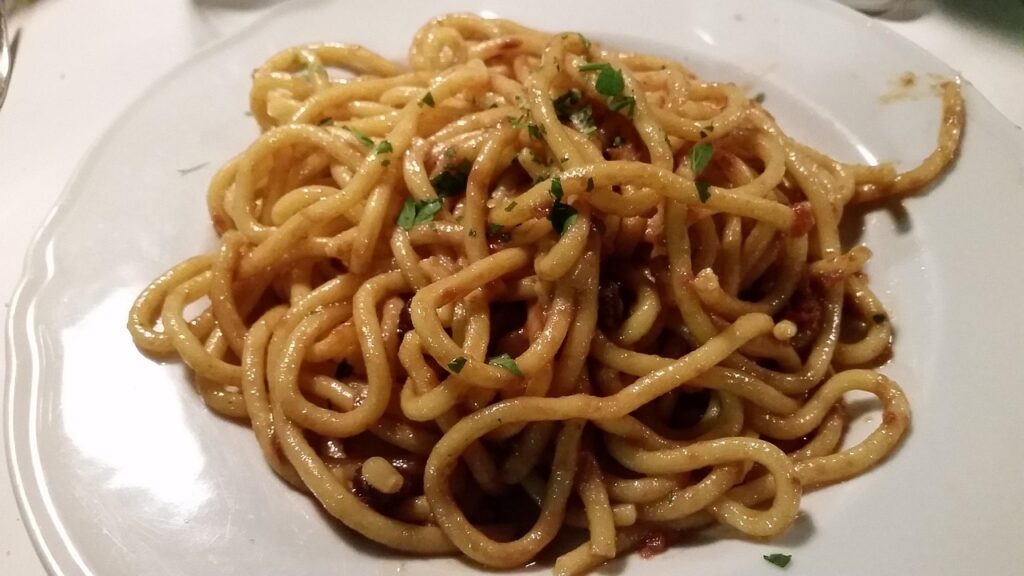
Bigoli pasta is a thick, traditional Italian noodle from the Veneto region, especially linked to the culinary heritage of Venice. Bigoli pasta stands out for its dense texture and rough surface, which helps it hold rich sauces beautifully.
Table of Contents
What Is Bigoli
History & Origins
How it is Made
It vs. Other Pasta
Best Sauces & Pairings
Cooking Tips & Tricks
Why It Deserves a Spot in Your Kitchen
FAQ
Call to Action

Definition
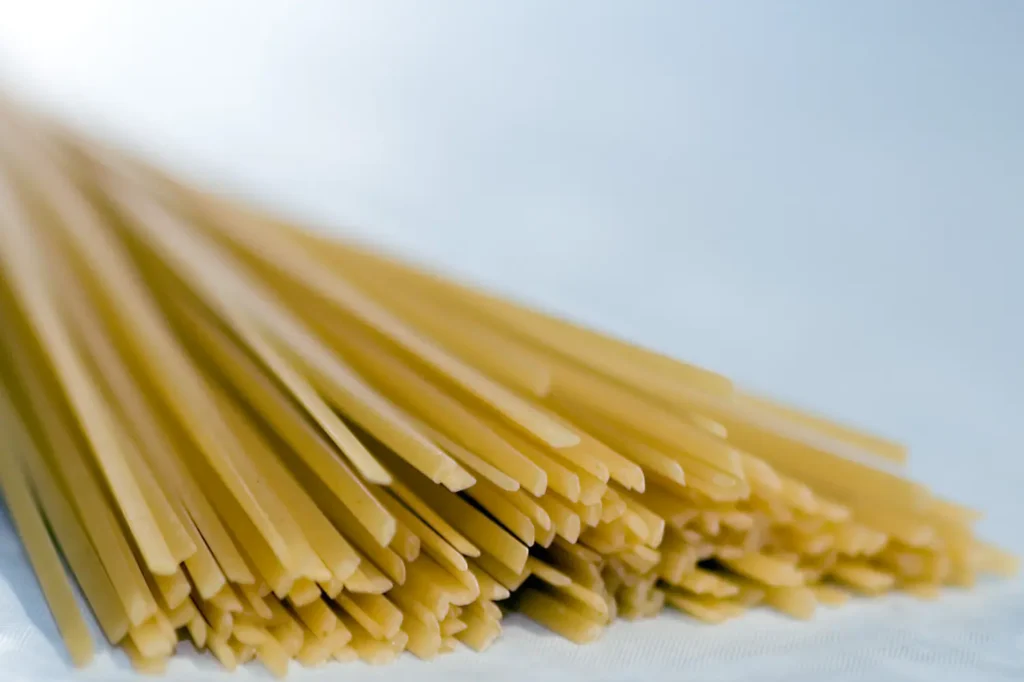
Bigoli pasta is a thick, long pasta shape originating from the Veneto region in northeast Italy. It resembles spaghetti in length but is noticeably thicker and denser, with a coarse, rough surface designed specifically to hold hearty sauces. This texture is not accidental. It comes from traditional extrusion methods that give bigoli its signature chew and its ability to grip sauce.
It is most often made from whole-wheat flour, water, and salt, though some regional and household recipes enrich the dough with eggs, including duck eggs, for added richness. The use of whole wheat contributes a slightly nutty flavor and a more substantial bite compared to refined pasta.
Because of its strength and structure, bigoli pairs best with bold, savory sauces such as anchovy and onion (bigoli in salsa), duck ragù, sausage-based sauces, or slow-cooked meat preparations. Lighter sauces tend to disappear against their robust texture.
Culinary references such as Wikipedia document bigoli as a defining pasta of Venetian cuisine, valued for its rustic character, regional identity, and ability to turn simple ingredients into deeply satisfying dishes.
History & Origins
Bigoli pasta traces its roots to the Venetian culinary tradition of northern Italy, particularly the Veneto region. Its name comes from the bigolaro, the traditional press used to extrude the dough into long, thick strands. This method, rather than rolling or cutting, defines bigoli’s dense structure and rough surface, which later became essential to its ability to hold sauce. Historical references to it appear in regional food records and are documented on Wikipedia.
A widely cited legend places a key moment in 1604, when a pasta maker in Padua reportedly obtained a patent for a mechanical press capable of producing thick, spaghetti-like pasta. This innovation standardized bigoli’s distinctive form and enabled it to spread beyond home kitchens into broader regional use. While variations existed before, the press standardized bigoli as a recognizable, repeatable pasta shape.
Over time, it became closely associated with rustic Venetian cooking. Local ingredients shaped its identity. Salty anchovies, slow-cooked onions, duck ragù, sardines, and simple olive oil-based sauces paired naturally with the pasta’s heavy texture. One of the most iconic dishes, bigoli in salsa, reflects the region’s reliance on preserved fish and humble pantry staples.
It also gained cultural significance through food-centered festivals, especially the bigolada, celebrated in parts of Veneto. During these events, large communal servings of bigoli are prepared and shared, reinforcing its role as a pasta rooted in tradition, seasonality, and local identity.
Today, it remains a symbol of Venetian heritage. Its history connects craftsmanship, regional innovation, and practical cooking, explaining why it continues to appear in traditional recipes and modern Italian kitchens alike.
How it is Made
What ingredients are used to make it?
The traditional one is made with whole-wheat flour, water, and salt. In some regional and home preparations, cooks add eggs, especially duck eggs, which enrich the dough and deepen the flavor. This simple ingredient list reflects its rustic Venetian roots and is documented by Wikipedia.How is it shaped?
It is formed by pressing dough through a traditional extruder called a bigolaro. This press may use a bronze or wooden die to create thick, uneven strands. Unlike rolled pasta, extrusion gives bigoli its signature density and rough exterior, a process described in historical sources referenced by Wikipedia.Why does it have a rough texture?
The coarse surface is intentional. It allows sauces to cling tightly to each strand, improving flavor distribution and mouthfeel. The texture is functional, not decorative.Are there variations?
Yes. Some versions use softer flours or flour blends, while traditional recipes stick strictly to whole wheat. Each variation slightly changes chew, flavor, and sauce absorption.Bigoli vs. Other Pasta Shapes
How does it compare to spaghetti and Pici?
- Thickness and length: It is very thick, about 3–4 mm, while spaghetti is thin, and Pici is thick but usually hand-rolled rather than pressed.
- Texture: It is rough and coarse; spaghetti is smooth; pici varies depending on hand-rolling.
- Sauce binding: It excels with heavy sauces; spaghetti suits light sauces; Pici performs best with rustic, oil-based preparations.
- Typical pairings: Bigoli pairs well with bold sauces; thin pasta highlights delicate flavors; Pici pairs well with garlic, herbs, and simple ragù.
Because it is robust, it performs best with intense, savory sauces. Light or delicate seafood sauces often feel underpowered against their texture.
Best Sauces & Pairings
Which sauces work best with it?
- Bigoli in salsa: The Venetian classic made with slow-cooked onions and anchovies, widely featured across culinary sources such as Wikipedia, YouTube, and Tastemade.
- Duck ragù (bigoli con l’anatra): A traditional Veneto dish, especially around Vicenza, where rich meat sauces complement the pasta’s density.
- Cacio e pepe–style sauces: Thick cheese-and-pepper emulsions cling beautifully to bigoli’s surface.
- Seafood mixes: Prawns, lemon, and herbs offer a lighter but still structured option when kept sauce-forward.
- Mushroom and sage or cream sauces: Use sparingly and keep the sauce thick enough to coat.
Cooking Tips & Tricks
How do you cook it correctly?
Use plenty of water and salt it generously. Because bigoli is thick, it needs slightly longer cooking than spaghetti. Always reserve pasta water to help bind the sauce.Finish tossing it in the sauce off the heat so it absorbs flavor without overcooking. Fresh bigoli stores well in the refrigerator for short-term storage or can be frozen for longer storage.
Why It Deserves a Spot in Your Kitchen
Why choose it over thinner shapes?
- Exceptional sauce grip: The rough surface captures sauce in every bite.
- Deep, nutty flavor: Whole-wheat versions add complexity.
- Cultural depth: Each dish carries Veneto’s culinary heritage.
- Strength and versatility: Bigoli succeeds where thin pasta fails.
- Visual impact: Thick strands lend the plate presence and gravitas.
- Nutritional edge: Higher fiber and substance when whole wheat is used.
- Story and tradition: Cooking bigoli means serving history alongside flavor.
Bigoli pasta stands out because it combines craftsmanship, function, and heritage in a way few pasta shapes can match.
FAQs
Q: What is bigoli pasta?
It is a thick, long, spaghetti-like pasta from the Veneto region of Italy. It is traditionally extruded through a coarse press, which gives it a rough surface and dense structure. This texture allows bigoli to hold rich sauces exceptionally well.
Q: What is it made from?
An authentic one is made from durum wheat flour and water. Some traditional versions include eggs, especially in home-style preparations. The dough is pushed through a press, not rolled, which creates its signature thickness and bite.
Q: Is it the same as spaghetti?
No. It is much thicker and rougher than spaghetti. Spaghetti is smooth and lighter, while bigoli is dense, chewy, and designed for bold, clingy sauces.
Q: Is it and Pici the same thing?
No. It is extruded and more uniform in shape, while Pici is hand-rolled and intentionally irregular. Bigoli is often egg-based and heavier, whereas Pici is usually flour-and-water only and more rustic.
Q: Where does it originate?
It originates in Veneto, particularly around Venice and Padua. It has strong ties to local farming traditions and was historically made using whole wheat or buckwheat when refined flour was scarce.
Q: What sauces pair best with it?
It pairs best with rich, assertive sauces such as duck ragù, anchovy-and-onion sauce, sausage-based sauces, or slow-cooked meat ragù. Its thick strands trap sauce effectively without breaking.
Q: What is the most traditional dish?
One of the most traditional preparations is bigoli in salsa, made with slow-cooked onions and anchovies. This dish reflects the balance of simplicity and depth in Venetian cuisine.
Q: How long does it take to cook?
Dry typically cooks in 10–14 minutes, depending on thickness. Fresh bigoli cooks faster, usually in 4–6 minutes. Always taste early, as overcooking can dull its chew.
Q: Should it be cooked al dente?
Yes. It is best served al dente. Its firm texture is part of its appeal and helps it withstand heavy sauces.
Q: Is it good for baked dishes?
No. It performs best in stovetop preparations. Its long, thick strands tend to clump in the oven, losing their intended texture.
Q: Is it egg-based?
It can be. Some traditional versions include eggs, while others rely only on flour and water. Always check the ingredient list if dietary restrictions matter.
Q: Is it gluten-free?
Traditional ones contain wheat and gluten. Gluten-free versions exist but differ in texture and density from the classic version.
Q: Can it be substituted?
If unavailable, bucatini or thick spaghetti can serve as substitutes. However, these lack the same rough surface and chew.
Q: How much should I serve per person?
Plan about 80–100 grams of dry bigoli pasta per person. Because it is dense and filling, slightly smaller portions often feel satisfying.
Q: Why does it hold sauce so well?
Its coarse extrusion creates microscopic grooves along the surface. These grooves trap oil, meat, and aromatics, ensuring sauce clings to every strand.
Call to Action
Ready to bring it into your rotation? Try making Bigoli in Salsa or a duck ragù version. Snap your result, tag #Pastaloverz, and share the journey.
Also, dive into our other pasta guides, such as Ruote pasta, Soba pasta, and chickpea pasta
Related Videos
Other worth-watching ones:
To sum up Bigoli pasta is a traditional thick, long Italian pasta from the Veneto region, especially associated with cities such as Vicenza and Venice. Unlike spaghetti, bigoli strands are rough and dense because they are traditionally pressed through a special pasta press called a bigolaro, which helps sauces cling better. The dough is commonly made with whole-wheat flour and water, sometimes enriched with eggs, giving the pasta a rustic flavor and a firm texture. Culinary references such as Accademia Italiana della Cucina, The Pasta Project, and Encyclopaedia Britannica note that bigoli is traditionally served with regional sauces like duck ragù or bigoli in salsa, a classic Venetian sauce made with onions and salted fish.
- Conclusion
Bigoli pasta represents the heart of traditional Venetian cooking. Its thick strands and rough texture make it perfect for holding bold sauces, from anchovy and onion to slow-cooked meat ragù. Unlike many modern pasta varieties, Bigoli reflects a simple culinary tradition built on a few humble ingredients and centuries of regional craftsmanship.
Learning about Bigoli pasta also offers a glimpse into the food culture of Venice and the wider Veneto region. Traditional techniques, including the use of a pasta press known as a bigolaro, continue to shape how this pasta is made today. According to historical culinary references such as Encyclopaedia Britannica and cultural research by Accademia Italiana della Cucina, Bigoli remains one of Italy’s most distinctive regional pasta types.
Whether you are exploring authentic Italian cuisine or searching for a pasta that pairs beautifully with rich sauces, Bigoli pasta deserves a place in your kitchen.
Call to Action
If you enjoy discovering authentic pasta varieties, explore more traditional Italian pasta guides on Pastaloverz.com. From regional classics to unique pasta shapes, you will find recipes, cooking tips, and the history behind Italy’s most loved pasta dishes. Try cooking Bigoli pasta at home and experience the bold flavors of Venetian cuisine.



Syed Yasar Arafat is the founder of PastaLoverz.com and a food research enthusiast with a focused interest in pasta varieties, traditional Italian cuisine, and balanced eating. Through PastaLoverz.com, he publishes well-researched articles that explain pasta types, cooking methods, and nutritional considerations in clear, practical terms to help readers make informed food choices.
Pingback: Delicious Paccheri Pasta Recipes: 7 Irresistible Ways to Cook This Italian Classic