Delicious Macaroni (Elbows) Pasta: 7 Irresistible Facts and Recipes You’ll Love
Macaroni elbows pasta is one of the most recognizable pasta shapes in the world. These small curved tubes are famous for their role in creamy macaroni and cheese, but they are also perfect for soups, baked dishes, and hearty pasta recipes.
Table of Contents
What is Macaroni (Elbows)?
Origin and History
Types o
How to Cook Perfectly
Best Sauces and Dishes
Health Benefits and Nutrition Facts
Famous Recipes to Try
It’s Around the World
Macaroni vs Other Pasta Types
Storage, Serving & Pairing Tips
FAQs
Conclusion and Call to Action
What is Macaroni (Elbows)?
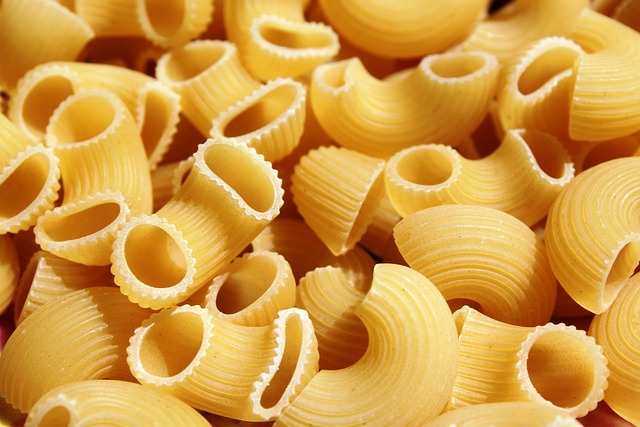
These are small, curved tubes of pasta that have become one of the most recognized shapes in the culinary world. They’re best known for their starring role in macaroni and cheese, but their versatility extends far beyond that.
Made from durum wheat semolina, macaroni has a chewy, firm texture that holds up well in creamy or hearty sauces. The term maccheroni in Italian broadly refers to short pasta varieties, but in English-speaking countries, “macaroni” has come to represent these elbow-shaped pieces.
Whether served in casseroles, soups, salads, or baked dishes, macaroni (also known as elbows) is a comforting favorite across generations and cuisines.
Origin and History
Its history stretches back centuries to Southern Italy, particularly in Naples and Sicily. Pasta-making was a cherished art, with families sun-drying dough into manageable shapes for extended storage.
In the 18th Century, it became a symbol of wealth and refinement in England. The phrase “macaroni style” even described people with extravagant fashion sense. Later, when Italian immigrants introduced it to America, it quickly became a staple in American kitchens.
By the 1930s, boxed macaroni and cheese appeared on grocery shelves, revolutionizing convenience food. Today, it remains a nostalgic comfort meal worldwide, bridging cultures and generations.
Types
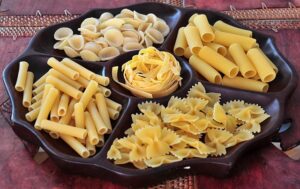
Though most people think it exists in several delightful forms:
Elbows: The classic, short, curved tubes you find in mac & cheese.
Prominent Elbows: Great for baked dishes and heavier sauces.
Small Elbows: Ideal for soups or pasta salads.
Whole Wheat: Offers higher fiber and a nutty flavor.
Gluten-Free: Made from rice, quinoa, or corn flour.
Vegetable: Colored and flavored with spinach, beetroot, or tomato.
Each variation offers a slightly different bite and compatibility with sauces. Elbows, however, remain the most iconic.
How to Cook it Perfectly
Its perfection depends on timing, temperature, and a bit of patience. Here’s a foolproof guide:
Boil plenty of water: Use approximately 4 liters for every 500g of macaroni.
Add salt generously: One tablespoon of salt per liter of water enhances the flavor.
Add pasta only to boiling water: Ensures even cooking.
Stir occasionally to prevent sticking and clumping.
Cook until al dente: Firm to the bite but not hard.
Drain without rinsing: This method lets starchy sauces cling beautifully.
For baked or casserole dishes, undercook them slightly so they finish perfectly in the oven.
Best Sauces and Dishes
1. Macaroni and Cheese
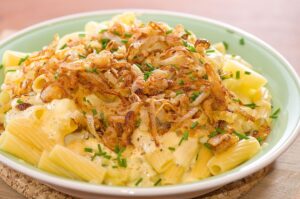
The ultimate comfort food. A creamy cheese sauce envelops tender macaroni for a rich and satisfying dish. Try combining cheddar, mozzarella, and Parmesan for depth.
2. Baked Casserole
Layered with minced beef, tomato sauce, and melted cheese, then baked until golden and crisp on top.
3. Macaroni Salad
A cold dish with a creamy mayonnaise base, featuring iced vegetables and softened accompaniments, served with ham or tuna. Perfect for picnics and potlucks.
4. Macaroni with Tomato Sauce
A simple weekday favorite. Sauté garlic in olive oil, add crushed tomatoes and herbs, then toss with cooked macaroni.
5. Macaroni Soup
Add it to chicken or vegetable broth for a comforting soup. Mix in carrots, celery, and herbs for balance.
For more pasta inspiration, check out Pastaloverz Penne Guide and Rigatoni.
Health Benefits and Nutrition Facts
Is macaroni pasta nutritious?
It is more than comfort food. When eaten in proper portions and paired with balanced ingredients, it contributes steady energy and useful nutrients to everyday meals.
One cooked cup of macaroni pasta typically provides:
- Calories: ~220
- Carbohydrates: ~43 g
- Protein: ~8 g
- Fat: ~1.3 g
- Fiber: ~2.5 g
Key health benefits
- Reliable energy source: The carbohydrates in macaroni deliver long-lasting fuel, making it suitable for active lifestyles.
- Naturally low in fat: Plain macaroni contains minimal fat, allowing flexibility with lighter or richer sauces.
- Easy to balance nutritionally: Pair it with vegetables, legumes, seafood, or lean meats to create a complete, satisfying meal.
For health-conscious eaters, whole-grain macaroni and lentil-based versions offer higher fiber and protein while maintaining familiar texture and flavor.
Famous Recipes to Try
Classic macaroni and cheese
A timeless favorite built on simplicity and balance.
- Ingredients: Elbow macaroni, butter, flour, milk, cheddar cheese, salt, pepper
- Method: Boil the pasta. Make a roux with butter and flour, whisk in milk, melt in the cheese, combine with pasta, then bake until golden and bubbling.
Bolognese
A heartier alternative to spaghetti Bolognese. The short tubes hold the meat sauce, delivering a richer, chunkier bite in every forkful.
Creamy garlic
Toss macaroni with a smooth cream, garlic, and Parmesan sauce. Finish with fresh parsley for brightness and aroma.
Macaroni tuna salad
Mix cooled macaroni with tuna, sweet corn, diced onion, and a light mayonnaise or yogurt-based dressing. Chill before serving for the best flavor.
Pesto
Combine warm with basil Pesto and cherry tomatoes. Finish with grated Parmesan for a fresh, herb-forward dish.
These recipes show why macaroni remains one of the most adaptable pasta shapes. It transitions easily from indulgent comfort food to balanced, everyday meals without losing its appeal.
-
It is a short, curved, tube-shaped pasta made from durum wheat semolina and water. Its hollow center and smooth curve allow sauces to coat the pasta evenly, making it ideal for baked dishes and creamy recipes such as macaroni and cheese. Food references, such as Encyclopaedia Britannica, state that macaroni is one of the most widely used pasta shapes in Italian and global cuisine, valued for its versatility in soups, casseroles, and pasta salads. Culinary platforms, including BBC Good Food and Allrecipes, feature numerous dishes that showcase how well elbow pasta holds both creamy and tomato-based sauces, while historical references, such as I Love Pasta, note that it became especially popular in North America as a classic comfort food, particularly in baked macaroni and cheese.
It’s Around the World
It adapts beautifully across cuisines:
United States: Home of baked mac and cheese.
Philippines: A creamy salad with fruit and condensed milk, perfect for festive occasions.
India: A masala-style dish with bold spices and vegetables.
Greece: Pastitsio, a layered macaroni-and-meat dish topped with béchamel.
Egypt: Macarona Bechamel, a baked pasta dish rich with white sauce.
It vs Other Pasta Types
It stands out for its texture and ability to hold sauce.
Penne: Longer and ridged, suited for thick tomato sauces.
Rigatoni: Larger tubes are ideal for chunky sauces and baking.
Fusilli: Spiraled, catching creamy sauces.
Elbows (Macaroni): Short, curved, perfect for creamy or baked dishes.
Our chickpea pasta, ziti pasta, Soba pasta, and Route pasta are valuable contributions to enhance your information canvas
Storage, Serving & Pairing Tips
Storage: Keep uncooked in an airtight jar in a cool, dry place.
Leftovers: Store cooked in the fridge for up to 3 days. Add a splash of milk when reheating.
Pairings: Serve it with garlic bread, roasted vegetables, or a green salad.
Wine Pairing: Try Chardonnay with creamy dishes or Chianti with tomato-based ones.
FAQs
Q: What’s the difference between macaroni and penne?
It is short and curved, usually forming a gentle elbow. Penne is straight, longer, and diagonally cut at the ends. It blends smoothly into sauces and baked dishes, while penne channels sauce through its tube and ridges, creating more defined bites.Q: Can I make it without cheese?
Yes. It works beautifully without cheese. Toss it with tomato sauce, Pesto, olive oil, and garlic, or vegetables for a lighter dish. Its curved shape still captures sauce even without a creamy binder.Q: Is it gluten-free?
The traditional one is made from durum wheat and contains gluten. Gluten-free versions are widely available and are often made from rice, corn, quinoa, or legume blends. These alternatives work well in most recipes but may need slightly gentler cooking.Q: How do I stop it from sticking together?
Use plenty of boiling water, salt it well, and stir during the first minute of cooking. Avoid overcooking, and do not rinse unless using it for a cold salad. Finishing the pasta in sauce also helps prevent sticking.Q: What sauce is best for it?
It pairs best with creamy cheese sauces, tomato-based sauces, and Pesto. The curved shape traps sauce inside, making it ideal for rich, cohesive dishes.Q: How long should it be cooked?
Dry usually cooks in 7–9 minutes. For baked dishes, cook it 1 minute less than al dente, so it stays firm in the oven.Q: Is it good for baking?
Yes. It is one of the best pastas for baking. It holds its shape well, absorbs sauce evenly, and creates a creamy, structured texture in casseroles.Q: Can it be used in pasta salads?
Absolutely. Slightly undercook the macaroni so it stays firm when chilled. Toss it with vinaigrette-style dressings, vegetables, or protein-based mix-ins.Q: Is it the same as elbow pasta?
It is the most common type of macaroni, but the term “macaroni” can also include similar short, curved tubes with slight variations in size and thickness.Q: How much should I serve per person?
Plan about 75–90 grams of dry macaroni per person. For rich, cheese-heavy dishes, slightly smaller portions are usually enough.Q: Should it be rinsed after cooking?
No. Rinsing removes surface starch that helps sauces cling. Only rinse if you are using it specifically for cold pasta salads and want to stop cooking immediately.It remains popular because it is flexible, forgiving, and endlessly adaptable, making it one of the most reliable shapes in everyday cooking.

Related YouTube Videos
These videos showcase the making, baking, and variations of it—ideal for embedding to enhance user engagement.
Conclusion and Call to Action
It is a humble pasta that continues to win hearts worldwide. From creamy casseroles to quick stovetop meals, its versatility is unmatched. Its small, curved shape captures sauce like no other pasta, delivering flavor in every bite.
Explore more pasta stories, recipes, and cooking techniques on Pastaloverz.com. Try a new recipe today and share your creation with PastaloverzCommunity to inspire others who love pasta as much as you do.

Syed Yasar Arafat is the founder of PastaLoverz.com and a food research enthusiast with a focused interest in pasta varieties, traditional Italian cuisine, and balanced eating. Through PastaLoverz.com, he publishes well-researched articles that explain pasta types, cooking methods, and nutritional considerations in clear, practical terms to help readers make informed food choices.