Macaroni Pasta: 7 Powerful Secrets to Master This Classic Favorite
Macaroni pasta is one of the most popular pasta shapes in the world. These small curved tubes are simple, versatile, and perfect for many classic dishes. From creamy cheese sauces to hearty tomato recipes, macaroni pasta easily absorbs flavor and creates satisfying meals.
Table of Contents
- The Origin of Macaroni
- Types of Macaroni Pasta
- How to Cook Macaroni Perfectly
- Best Sauces and Pairings
- Popular Macaroni Recipes
- Nutrition and Health Benefits
- FAQs About Macaroni Pasta
The Origin of Macaroni
Macaroni pasta traces its roots to Italy, particularly Naples, where the term “maccheroni” referred to various pasta shapes. By the 18th Century, macaroni had spread across Europe, becoming synonymous with elegance and taste. In America, it gained fame through the iconic macaroni and cheese.
Types of Macaroni Pasta
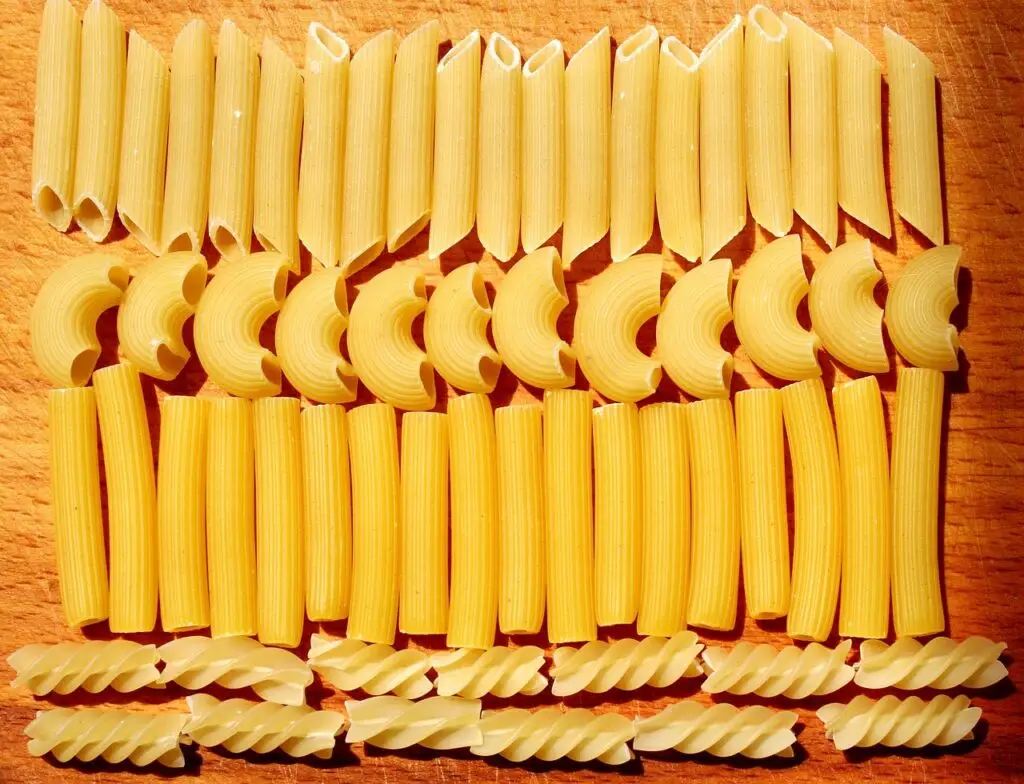
Macaroni pasta comes in several shapes, each designed to hold sauce differently and suit specific dishes.
Although elbow macaroni is the most familiar, other macaroni-style pastas offer unique textures and cooking advantages that are worth knowing.
Elbow Macaroni
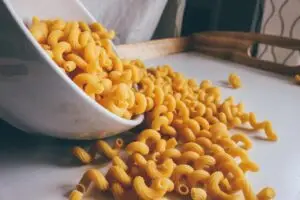
Elbow macaroni is the classic curved tube most associated with macaroni and cheese. Its short length and hollow center trap creamy sauces effectively, making it ideal for baked dishes, stovetop mac and cheese, and pasta salads.
Penne Macaroni
Penne macaroni features a short tube with diagonal ends, giving it a firmer bite than elbow shapes. The angled cuts and hollow center allow sauces to flow inside, making it well-suited for tomato-based, cream, and baked casseroles.
Chifferi
Chifferi is a smaller, tighter, curved macaroni, often used in soups and lighter dishes. Its compact shape cooks quickly and holds broth well, making it a popular choice for vegetable soups and simple pasta bowls.
Pipe Rigate
Pipe rigate is a larger, ridged macaroni with a wide opening and pronounced grooves. The ridges grip thick sauces like meat ragù, cheese sauces, and vegetable-based reductions, delivering bold flavor in every bite.
Why these macaroni types matter
Each macaroni variation changes how the sauce, texture, and ingredients interact. Choosing the right shape improves flavor balance, mouthfeel, and overall dish quality, which explains why macaroni remains one of the most versatile pasta families.
How to Cook Macaroni Perfectly
Cooking macaroni pasta to perfection requires balance — tender but slightly firm to the bite. Here’s how to do it right:
- Bring a large pot of salted water to a boil.
- Add macaroni and stir occasionally to prevent sticking.
- Cook for 7–9 minutes or until al dente.
- Drain and rinse briefly with warm water if using in salads.
- For hot dishes, toss directly with sauce to absorb flavor.
Properly cooked macaroni holds its shape and pairs beautifully with any sauce or seasoning.
Best Sauces and Pairings
Macaroni pasta pairs best with thick, well-coated sauces that fill its hollow center and cling to its curved shape.
Because macaroni is short and tubular, it performs especially well with sauces that offer body and richness rather than thin, slippery textures.
Cheese Sauce
Cheese sauce remains the most iconic pairing for macaroni. Whether made with cheddar, Gruyère, or a blended cheese sauce, the creamy consistency flows inside the pasta and coats every bite evenly. This pairing works for stovetop dishes and baked casseroles alike.
Tomato Basil Sauce
Tomato basil sauce offers a lighter, fresher alternative to cream-based options. The acidity of tomatoes balances the pasta’s density, while fresh basil adds aroma and brightness. This pairing suits everyday meals and warmer seasons.
Alfredo Sauce
Alfredo sauce delivers a rich, indulgent pairing ideal for comfort-focused dinners. The smooth, buttery cream sauce adheres well to macaroni’s curves, creating a satisfying mouthfeel without overwhelming the pasta.
Bolognese Sauce
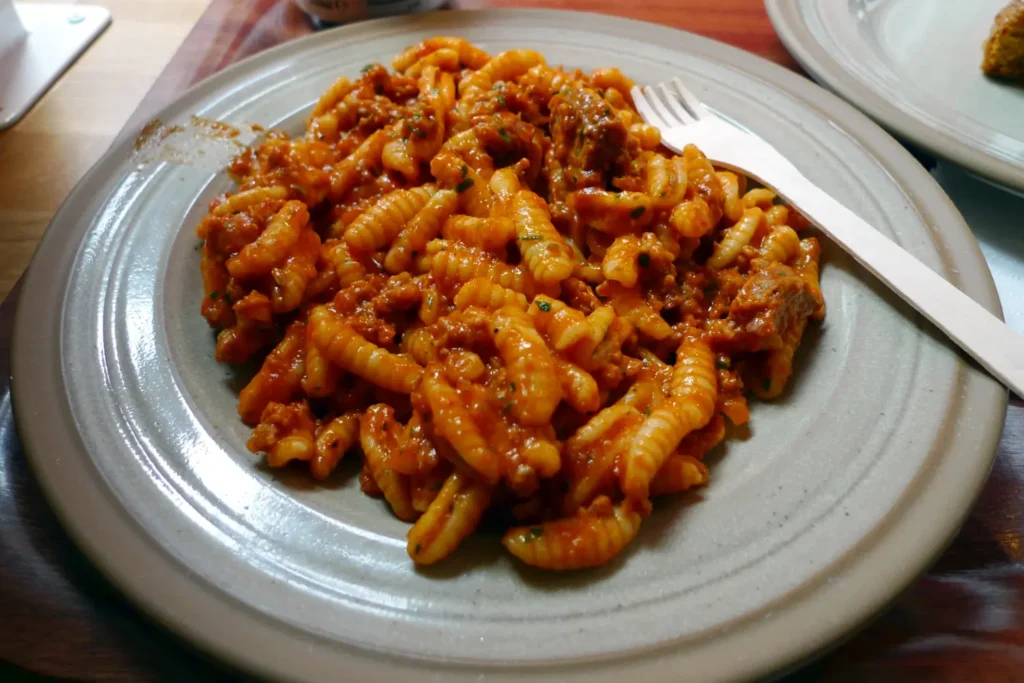
Bolognese sauce pairs beautifully with macaroni because the meaty ragù fills the hollow center, ensuring balanced bites of pasta and sauce. This combination works well for family meals and reheats evenly.
Enhancing macaroni with smart additions
You can elevate macaroni dishes further by adding vegetables like spinach, mushrooms, or peas, fresh herbs, or proteins such as chicken, tuna, or beans. These additions improve texture, balance flavors, and enhance nutritional value without complicating the dish.
For more pairing inspiration, explore our guides on Farfalle Pasta and Rigatoni Pasta, where shape-driven sauce matching plays a similar role in building satisfying meals.
Popular Macaroni Recipes
Popular macaroni recipes highlight the pasta’s comfort, versatility, and ability to carry flavor.
From creamy bakes to light salads and warming soups, macaroni adapts easily to different cooking styles and seasons, making it a reliable staple in home kitchens.
Macaroni and Cheese
This classic dish combines elbow macaroni, sharp cheddar, and a creamy béchamel, often finished with breadcrumbs and baked until golden. The hollow pasta traps cheese sauce, creating rich, evenly coated bites. It works equally well as a main dish or a comforting side.
Macaroni Salad
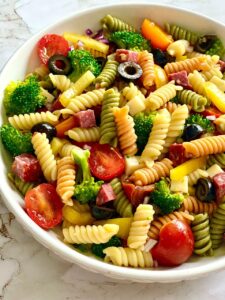
Macaroni salad is a chilled dish made with mayonnaise, vinegar, and crisp vegetables such as celery, onions, and bell peppers. The curved shape holds dressing well, making it ideal for picnics, potlucks, and warm-weather meals.
Macaroni Bolognese
In this hearty version, macaroni pairs with a slow-simmered meat-and-tomato sauce. The pasta’s hollow center captures the ragù, delivering a satisfying texture that suits quick weeknight dinners or family-style meals.
Macaroni Soup
Macaroni soup features small pasta cooked in broth with vegetables, beans, or light meats. It offers warmth and simplicity, especially during colder months, and turns modest ingredients into a nourishing meal.
Why these recipes endure
Each of these dishes shows how macaroni balances comfort with flexibility. Whether baked, chilled, sauced, or simmered, macaroni adapts easily while maintaining its familiar, satisfying bite.
Nutrition and Health Benefits
Macaroni pasta can be both nutritious and satisfying when prepared with balance in mind.
A standard one-cup serving of cooked macaroni provides around 200 calories, mainly from complex carbohydrates that supply steady, sustained energy. This makes macaroni a reliable base for meals that fuel daily activity without sharp blood sugar spikes when portioned properly.
Whole-grain macaroni offers added health benefits compared to refined versions.
Whole-wheat and legume-based macaroni contain more fiber, which supports digestion and improves fullness. These varieties also provide essential minerals, such as magnesium and iron, which support muscle function, oxygen transport, and overall metabolic health.
You can easily improve macaroni’s nutritional profile with simple ingredient swaps.
Choosing whole-wheat or lentil-based macaroni increases protein and fiber. Pairing it with lean proteins like chicken, fish, or beans helps stabilize energy levels. Adding vegetables such as spinach, peas, tomatoes, or bell peppers boosts vitamin and antioxidant intake and adds color without excess calories.
When built thoughtfully, macaroni meals support both comfort and wellness.
Balanced macaroni dishes feel hearty and familiar while still meeting nutritional needs. The key lies in portion control, ingredient quality, and smart pairings rather than avoiding macaroni altogether.
FAQs About Macaroni Pasta
Q: What is the difference between macaroni and pasta?
Macaroni is a specific pasta shape, typically short, curved, and hollow. Pasta is the umbrella term for all noodles made from wheat or other flours mixed with water or eggs, including spaghetti, penne, fusilli, and macaroni.
Q: What type of pasta is macaroni?
Macaroni is classified as a short-cut, tubular pasta. Its curved shape and hollow center help it hold sauces, making it especially popular in baked and creamy dishes.
Q: Can I make macaroni without cheese?
Yes. Macaroni works well with tomato-based sauces, Pesto, olive oil with garlic, vegetable sautés, or light meat sauces. Cheese is traditional but not required.
Q: Is macaroni healthy?
Macaroni can be healthy when eaten in reasonable portions and paired with vegetables, legumes, or lean proteins. Whole wheat or legume-based macaroni offers more fiber and protein.
Q: Is macaroni the same as elbow pasta?
Elbow macaroni is the most common form of macaroni, but not the only one. The term “macaroni” can refer to slightly straighter or longer, curved tubes, depending on the region.
Q: How long does macaroni take to cook?
Dry macaroni typically cooks in 7–9 minutes until al dente. For baked dishes, slightly undercook them to prevent them from becoming too soft after baking.
Q: What sauces pair best with macaroni?
Macaroni pairs best with creamy sauces, cheese sauces, meat ragùs, and thick vegetable-based sauces that can fill the hollow center.
Q: Can macaroni be used for pasta salad?
Yes. Macaroni is excellent for pasta salads because its shape traps dressing and small ingredients, such as herbs, cheese cubes, and vegetables.
Q: Is macaroni suitable for baking?
Yes. Macaroni is one of the best pastas for baking. Its sturdy structure holds up well under heat and evenly absorbs sauce.
Q: Is macaroni egg-based?
Traditional dried macaroni pasta is egg-free, made from durum wheat semolina and water. Always check labels for fresh or specialty versions.
Final Thoughts
Macaroni pasta endures because it balances simplicity, comfort, and adaptability better than almost any other pasta shape.
Macaroni pasta, with its short, curved form, works across cooking styles, from baked casseroles and chilled salads to brothy soups and quick stovetop meals. Few pastas feel as familiar yet remain so flexible.
What makes macaroni special is how easily it adapts to ingredients, seasons, and skill levels.
Macaroni pasta welcomes rich cheese sauces just as confidently as it does light tomato- or vegetable-based pairings. Home cooks appreciate its reliability, while chefs value how it carries flavor and texture without demanding complexity.
Across cultures and generations, macaroni continues to earn its place at the table.
Macaroni pasta fits weeknight family dinners, festive gatherings, and even refined presentations when paired thoughtfully. That universal appeal explains why macaroni remains one of the most widely enjoyed pasta shapes worldwide.
To keep exploring pasta beyond the basics, discover more shapes, traditions, and pairing ideas at PastaLoverz.com, where every pasta tells a story worth tasting.

Syed Yasar Arafat is the founder of PastaLoverz.com and a food research enthusiast with a focused interest in pasta varieties, traditional Italian cuisine, and balanced eating. Through PastaLoverz.com, he publishes well-researched articles that explain pasta types, cooking methods, and nutritional considerations in clear, practical terms to help readers make informed food choices.