Paccheri: a complete guide to Italy’s large tube pasta
Definiton
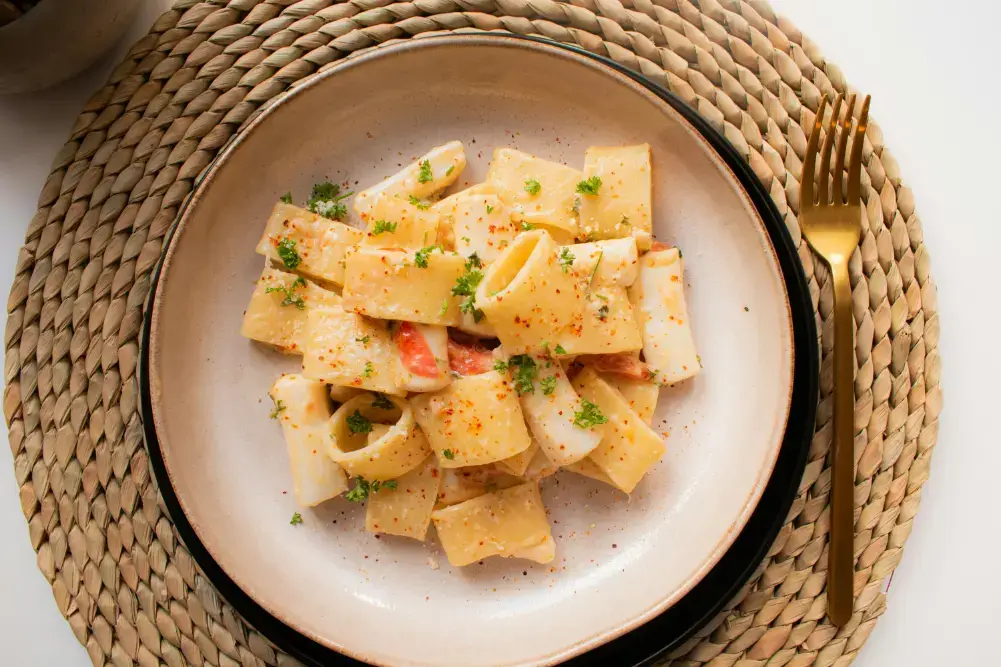
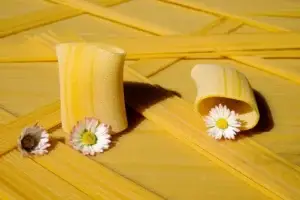
Paccheri is a large tube pasta traditionally from Campania, Italy. Its wide, hollow form makes it ideal for thick ragù, seafood sauces and stuffing. Because the tubes are large, each piece traps sauce and filling—so every bite carries texture and deep flavour.
Use this pasta when you want a dish that feels substantial: baked paccheri, stuffed paccheri with ricotta, or a short tubular pasta tossed with beans and greens all work exceptionally well.
Shape, variations and origins
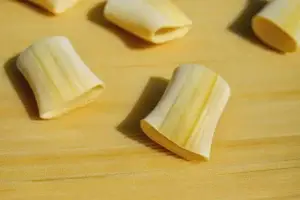
It appears smooth (lisce) or ribbed (millerighe). The name comes from Neapolitan roots and, historically, described a popular, honest pasta—hearty and unpretentious. According to an encyclopedic overview it’s described as the most popular large tube pasta in Campania. (Wikipedia)
Because of the interior cavity, it can be used like a vessel—stand them in a baking dish or layer them in a casserole. The tube’s size also changes cooking behaviour: the interior will finish cooking slower than the exterior, so you must plan timing accordingly.
How to cook it perfectly
Follow a simple routine, and you’ll avoid mush or underdone centers.
Step-by-step
- Use a large pot and bring water to a rolling boil. Salt generously.
- Add paccheri and stir once or twice. Cook until just under the box time—aim for slightly firmer than you want (al dente). Typical cooking time for dried paccheri: 7–10 minutes, depending on the brand.
- Reserve at least 1 cup of pasta cooking water before draining.
- Drain quickly, then add the pasta to the pan with your sauce. Finish cooking together so the tubes absorb flavour and reach the perfect texture.
Quick tips
Do not wait until fully soft. Because it is large and thick-walled, the interior may feel done while the core is still firm. If you plan to stuff and bake, par-cook (pull early). To stop sticking in baked versions, toss briefly with sauce or a little olive oil before filling.
Top pairings: proteins, beans, and greens
Its versatility shines when paired with the right ingredients. Let’s look at three major pairing categories: proteins, beans & greens, and filling/baking.
Proteins & seafood
Clams and other shellfish are classic. Paccheri and clams (or other shellfish) give you the tube filled with broth, garlic, white wine, and herb flavour. For hearty dishes, choose Italian sausage, beef ragù, or swordfish ragù for bold character.
Anchovy fillets are a subtle shortcut to umami. Melt them into oil and garlic to give a deep backbone to vegetable or bean-based sauces.
Beans & greens
White beans (cannellini) and torn kale or lacinato kale pair beautifully. Sauté garlic and anchovy (optional), add beans and greens, then toss with paccheri and a spoonful of pasta cooking water to create a creamy, dairy-free finish. This kind of beans-and-greens approach is highlighted by Serious Eats for short-tube pasta like paccheri.
Fillings & baked styles
Fill it with ricotta and chard for a vegetarian bake. Use béchamel (besciamella) or tomato sauce as the base, top with mozzarella and Parmesan, and bake until golden. Food52’s stand-up baked paccheri recipes show how the vertical arrangement and cheese topping create an impressive presentation and texture contrast.
Stuffed & baked : step-by-step
If you’ve got time and want to impress, baked stuffed paccheri is the move. The large tube becomes a vessel for filling, then you bake it until the topping cheese is golden and the filling is cooked through.
Basic method
- Cook it until slightly underdone. Drain and cool enough to handle.
- Prepare a filling—examples: ricotta + basil, ground sausage + mushrooms, or chard + goat cheese.
- Spoon filling into each tube using a small spoon or piping bag.
- Arrange the tubes upright or side by side in an oiled baking dish. Pour sauce or béchamel over the top.
- Top with grated Parmesan and/or torn mozzarella. Bake at 190–220 °C (375–430 °F) until bubbling, and the top is browned.
Let it rest 5–10 minutes after baking so it sets and slices cleanly. Serve with a dusting of Pecorino Romano or a sprinkle of fresh parsley for brightness.
Technique spotlight: sauce handling and pasta cooking water
Pasta cooking water is the secret. It contains starch that helps sauces emulsify and cling to the tubes.
Emulsified sauce method
- Sauté the flavour base (garlic, anchovy, onion, or sausage fat).
- Add wine or tomatoes; reduce to concentrate flavour.
- Add drained paccheri and a ladle of reserved pasta cooking water.
- Toss vigorously off the heat and add grated Parmesan or Pecorino to bind—this creates a glossy emulsified sauce.
For bean-and-greens sauces, use both bean cooking liquid (if using dried beans) and pasta water for a creamy mouth-feel without heavy cream.
Flavoring and finishing touches
Small details make paccheri sing.
- Extra-virgin olive oil: finish with a drizzle for fruitiness.
- Garlic & red pepper flakes/chili flakes: build an aromatic base and gentle heat.
- Cheese: Parmigiano-Reggiano for nuttiness; Pecorino Romano for sharper saltiness.
- Fresh herbs & lemon/lemon juice: parsley or basil, plus a squeeze of lemon, brighten seafood or bean versions.
Always taste for salt before adding cheese; pasta cooking water can change perceived saltiness and texture.
Common mistakes and how to avoid them
Avoid these pitfalls:
- Over-cooking: Pull it slightly early; it finishes in the sauce or oven.
- Too-thin sauce: It needs body. If the sauce is thin, reduce it or add a bit more pasta water and cheese to thicken.
- Not reserving pasta water: Without it, emulsified sauces collapse and cling poorly.
- Careless stuffing: If you stuff raw or overcooked tubes, they may collapse. Par-cook to preserve shape.
- Below is an extended, featured-snippet–optimized FAQ section for Paccheri pasta.
Each answer opens with a direct response, stays concise, and targets People Also Ask and voice search.FAQ
Q: What is the best cooking time to achieve al dente paccheri?
Paccheri pasta cooks to al dente in about 7 to 10 minutes, depending on thickness and brand. For baked or finished-in-sauce dishes, drain it 1 to 2 minutes early to prevent overcooking.
Q: Can you stuff paccheri with ricotta and bake it?
Yes. Paccheri is ideal for stuffing with ricotta, often mixed with spinach, chard, or herbs. Arrange the filled tubes in a baking dish, cover with béchamel or tomato sauce, and bake until lightly browned.
Q: What sauces pair best with it?
It pairs best with thick, structured sauces. Meat ragù, seafood sauces with clams or mussels, and hearty bean-and-greens sauces work especially well because the wide tubes hold substantial fillings.
Q: Why does it work better with thick sauces?
It works well with thick sauces because its large, hollow center traps sauce and ingredients, preventing them from sliding off.
Q: Can it be used with seafood?
Yes. It is commonly paired with fish ragù, shrimp, clams, or mussels. The wide shape supports delicate seafood while evenly distributing the sauce.
Q: Is it good for baked pasta dishes?
Yes. It holds its shape during baking and resists collapsing, making it an excellent choice for stuffed and layered baked dishes.
Q: Is it the same as rigatoni?
No. It is wider and shorter than rigatoni, with a larger interior cavity. This makes paccheri better suited for stuffing and heavier sauces.
Q: What can I use instead of paccheri pasta?
If paccheri is unavailable, substitute large rigatoni for sauced dishes. For stuffed and baked recipes, manicotti or cannellini are better alternatives because of their wider tubes.
Q: Does this pasta break easily?
No. The high-quality product made from durum wheat semolina is sturdy. However, it benefits from gentle stirring early in cooking to prevent cracking.
Q: Is this pasta egg-based?
No. Traditional paccheri pasta is made only with durum wheat semolina and water, making it naturally vegan.
Q: Is this pasta from a specific region?
Yes. It originates from southern Italy, particularly Campania, where it is often paired with tomato-based and seafood sauces.
Q: Can it be used for vegetarian dishes?
Yes. It works well with roasted vegetables, mushrooms, ricotta fillings, and legume-based sauces because it supports hearty textures.
Q: How much should I serve per person?
A standard serving is 80–100 grams (dry) per person. Stuffed dishes may require slightly less due to the added filling.
Call to Action
Want to choose the right pasta shape for bold sauces and baked dishes?
Explore more shape guides on PastaLoverz to learn how paccheri, rigatoni, and cannelloni differ and when each performs best in the kitchen. Pick a technique—stuffed and baked, clams and wine, or beans and greens—and make paccheri your next weekend project. Share your picture on social with #Pastaloverz and link back to the recipe you used. Want us to post a printable recipe card or a step-by-step video for Pastaloverz?
- Our chickpea pasta Guide along with route pasta, adds more value
Recommended external reads (dofollow)
Related videos
Short demos and longer tutorials that show stuffed, baked, and seafood paccheri in action.

Syed Yasar Arafat is the founder of PastaLoverz.com and a food research enthusiast with a focused interest in pasta varieties, traditional Italian cuisine, and balanced eating. Through PastaLoverz.com, he publishes well-researched articles that explain pasta types, cooking methods, and nutritional considerations in clear, practical terms to help readers make informed food choices.