
10 Excellent Reasons Linguine Pasta Deserves a Spot on Your Table
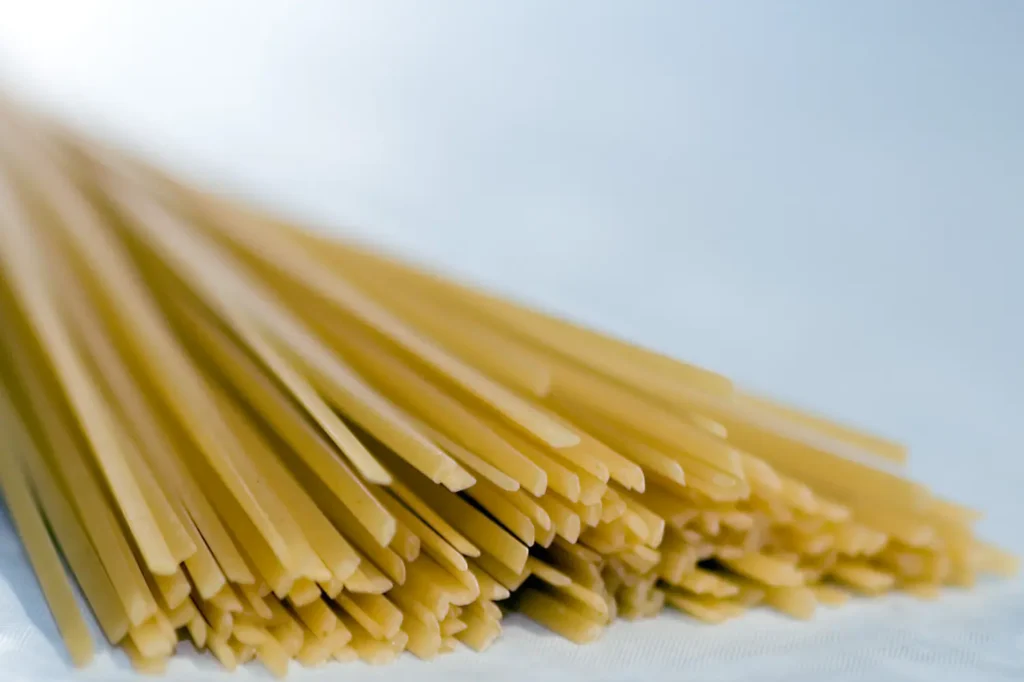
Linguine pasta is a classic Italian noodle known for its long, flat shape and delicate texture. Linguine pasta resembles spaghetti but is slightly wider, allowing sauces to cling more easily to each strand.
Introduction
Linguine pasta is one of the most versatile and beloved types of Italian pasta. Known for its elegant, ribbon-like shape, it strikes the perfect balance between thin spaghetti and wide Fettuccine.
Because of its flat, narrow form, linguine pasta holds sauces beautifully, making it an excellent choice for seafood, creamy, or herb-based dishes.
The Origins
Linguine pasta comes from the Liguria region of Italy, particularly the coastal city of Genoa. The name “linguine” translates to “little tongues” in Italian, referring to their long, flat, tongue-like shape.
Traditionally, Liguria is known for fresh seafood and basil Pesto. Linguine pasta naturally complements both. For an authentic Pesto reference, see Pesto alla Genovese.
Why it Stands Out
Linguine pasta stands out for its combination of practicality and elegance. Unlike spaghetti, which sometimes lets sauces slide off, linguine’s flat surface helps it retain flavors more effectively.
Compared with Fettuccine, which can feel heavy, linguine pasta delivers a lighter, more refined experience. Its versatility makes it a favorite in kitchens worldwide.
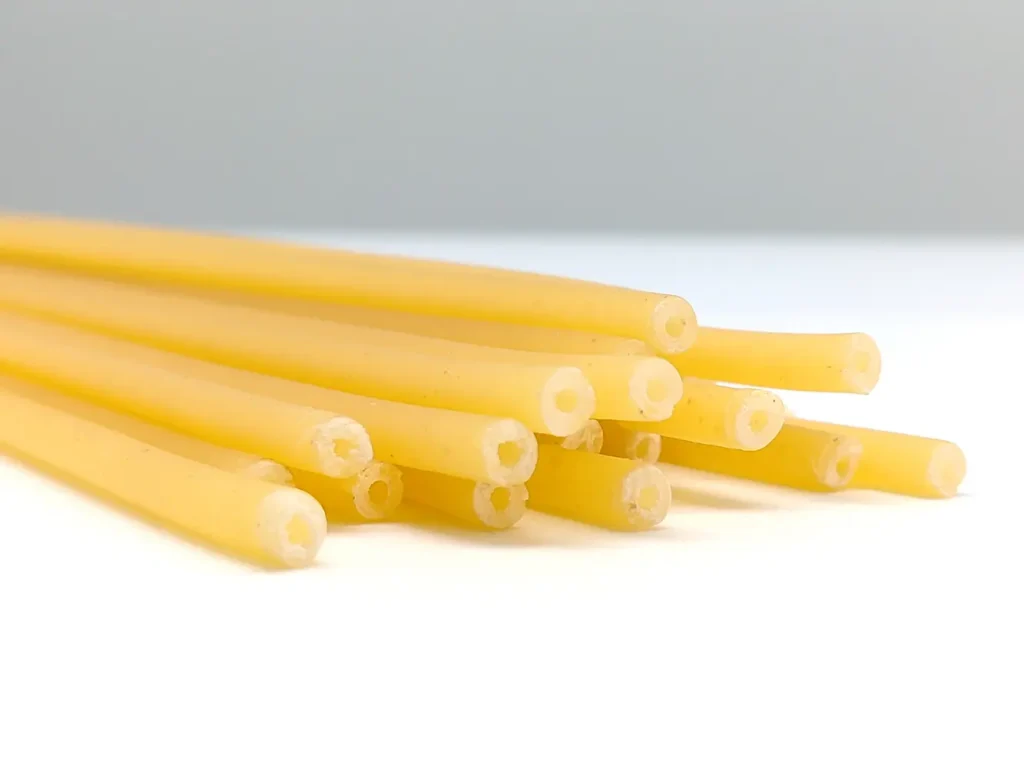
Our bucatini pasta guide is a valuable source, along with the Corzetti pasta guide.
Nutritional
Linguine pasta is not just delicious but also provides a balanced source of energy. A standard serving (about 2 ounces dry) delivers carbohydrates, protein, and varying amounts of fiber depending on the type.
Typical nutrients per serving
Carbohydrates: ~40–42 grams. Protein: ~7 grams. Fiber: varies; whole-wheat linguine can provide up to 6 grams. Enriched pastas also supply iron, folate, and B vitamins.
The health value of linguine pasta depends on what you pair it with. Light olive oil, fresh vegetables, and seafood make it a nutritious option; heavy cream-based sauces increase calories and richness.
Classic Linguine Pasta Recipes
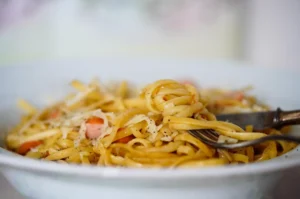
Below are three classic ways to prepare linguine pasta that highlight its texture and flavor.
With Clam Sauce
Known as Linguine alle Vongole, this dish pairs linguine pasta with fresh clams, garlic, white wine, parsley, and olive oil. The sauce is light and flavorful, and clings to the flat surfaces of the pasta.
Alfredo
A creamy classic that blends butter, cream, and Parmesan cheese. While Alfredo traditionally uses Fettuccine, linguine pasta offers a slightly lighter alternative that still captures the sauce well.
witPestoto
Liguria’s pride, Pesto alla Genovese, pairs flawlessly with linguine pasta. The flat noodles are filled with crushed basil, pine nuts, garlic, Parmesan, and olive oil, resulting in a fragrant dish. For more about pasta traditions.
Modern Twists
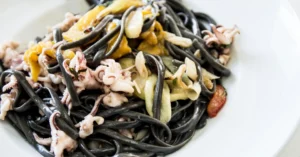
Chefs worldwide use it in inventive dishes. A few contemporary ideas include:
- With truffle cream sauce
- With avocado Pesto for a vegan twist
- With chili and garlic shrimp
- With roasted seasonal vegetables
Pairing with Sauces
It pairs best with flavorful sauces that are not overly dense. Top choices include seafood sauces, herb-based pestos, light cream sauces, and tomato-based sauces with vegetables or seafood.
Avoid very heavy meat ragus; thicker pasta, like pappardelle, works better for them.
It welcomes simple, fresh ingredients. Classic pairings:
- Olive oil and garlic
- Seafood such as clams, shrimp, or scallops
- Fresh herbs like basil and parsley
- Vegetables: zucchini, tomatoes, spinach
- Cheeses: Parmesan, pecorino, or ricotta
Tips for Cooking Perfectly
Small details make a big difference when cooking. Follow these simple steps for a reliable result.
- Use plenty of water: at least 4–6 quarts per pound of pasta.
- Salt generously: the water should taste like the sea.
- Stir early to prevent sticking.
- Cook al dente: usually 8–10 minutes, depending on brand.
- Reserve pasta water: a few tablespoons of starchy water help sauces cling.
- Toss, don’t drown: lightly coat the pasta instead of overloading it with sauce.


FAQ
Q: What is linguine pasta?
Linguine is a long, flat, narrow strand of pasta originating from Italy’s Liguria region, meaning “little tongues” in Italian due to its oval-shaped cross-section about 4 millimeters wide. It differs from spaghetti’s round shape and Fettuccine’s wider, flatter form, offering a firmer texture ideal for sauces.
Q: What is the origin and history of linguine?
Linguine hail from Liguria, Italy, a coastal region known for seafood cuisine, where their shape helps sauces cling effectively. While pasta’s broader history dates back centuries—possibly influenced by Marco Polo—linguine is particularly well-suited to Ligurian dishes, such as those with Pesto or fish.
Q: How do you cook linguine?
Boil linguine in salted water for 8-12 minutes, until al dente, following package instructions, then drain without rinsing to retain starches for better sauce adhesion. Add a ladleful of pasta water to the sauce for a silky texture, then toss immediately.
What are the best sauces and pairings for linguine?
Linguine pairs traditionally with Pesto, oil-based sauces, seafood like clams or prawns, and light options such as lemon-garlic or tomato cream. Its narrow shape holds delicate flavors well, avoiding heavy creams better suited to Fettuccine.
Q: Linguine vs. fettuccine o spaghetti?
Linguine is narrower and flatter than Fettuccine (which includes eggs and suits heavier sauces) but wider and oval versus spaghetti’s round, uniform strands. Fettuccine cooks faster (9-11 minutes) while linguine takes about 12 minutes.
Q: What are linguine nutrition facts?
A typical serving of cooked linguine provides around 670 calories, with 62g carbs, 27g protein, 35g fat, and nutrients like iron (41% DV), selenium (55% DV), and fiber (14% DV), varying by recipe additions.
Q: Can linguine be healthy or gluten-free?
Plain linguine from durum wheat isn’t gluten-free, but whole-grain or ancient-grain versions offer higher fiber, protein, and nutrients than refined types; opt for unrefined for better digestibility. Pair with light seafood for balanced meals.
Q: What are popular linguine recipes?
Favorites include spicy prawn linguine, crab with saffron or tarragon, linguine alle vongole (clams), and quick lemon-garlic or prawn-butter versions, ready in 15-20 minutes. National Linguine Day is 15 September.
Q: What is linguine made of?
Linguine pasta is traditionally made from durum wheat semolina and water. Authentic Italian linguine does not contain eggs, which gives it a firm bite and makes it ideal for oil-based and seafood sauces.
Q: Is linguine pasta egg-based?
No, classic linguine is egg-free. This distinguishes it from pasta like Fettuccine, which often includes eggs and has a softer, richer texture.
Q: Is linguine the same as spaghetti?
Linguine and spaghetti are similar but not the same. Linguine is flat and slightly oval, while spaghetti is round. Linguine holds sauce better, especially lighter or seafood-based sauces.
Q: Which is better for seafood, linguine or spaghetti?
Linguine is better for seafood. Its flat shape helps cling to olive oil, garlic, clams, prawns, and fish-based sauces without overpowering delicate flavors.
Q: What sauces stick best to linguine?
Linguine pairs best with Pesto, olive oil sauces, seafood broths, lemon-garlic sauces, and light tomato creams. Thick meat sauces are better suited to wider pasta.
Q: Can I use linguine instead of Fettuccine?
Yes, but results differ. Linguine is thinner and lighter, so it works best with delicate sauces. Fettuccine handles heavy cream and meat sauces more effectively.
Q: How wide is linguine pasta?
Linguine is typically about 3 to 4 millimeters wide. It is wider than spaghetti but narrower than Fettuccine, giving it a balanced texture.
Q: Is linguine thicker than spaghetti?
Linguine is slightly thicker and flatter than spaghetti. This gives it more surface area to hold sauce while keeping a firm bite.
Q: How long does dried linguine take to cook?
Dried linguine usually cooks in 8 to 12 minutes. Always taste near the end to ensure the texture is al dente, rather than relying solely on the package time.
Q: How do you know when linguine is al dente?
Al dente linguine should be tender but still firm in the center. It should bend easily without becoming mushy.
Q: Should linguine be rinsed after cooking?
No. Rinsing removes surface starch that helps sauces cling. Drain the linguine and toss it directly with the sauce instead.
Q: Can linguine be baked in pasta dishes?
Yes, linguine can be baked, but it works best in lighter baked dishes. Overbaking may cause it to soften too much.
Q: Is linguine good for Pesto sauce?
Yes. Linguine is one of the best pasta shapes for Pesto. Its flat surface evenly distributes the sauce, especially traditional Genovese Pesto.
Q: What vegetables pair well with linguine?
Zucchini, cherry tomatoes, spinach, asparagus, mushrooms, and broccoli pair especially well with linguine dishes.
Q: Can linguine be used for cold pasta salads?
Yes. Linguine works well in pasta salads when cooked al dente and tossed with olive oil to prevent sticking.
Q: Is linguine healthier than other pasta types?
Nutritionally, linguine is similar to other refined wheat pasta. Whole-wheat or ancient-grain linguine offers more fiber and micronutrients.
Q: Does whole-wheat linguine taste different?
Yes. Whole-wheat linguine has a nuttier flavor and a slightly firmer texture than refined linguine.
Q: Is linguine suitable for vegetarian meals?
Absolutely. Linguine pairs well with vegetables, herbs, olive oil, cheese, and plant-based proteins.
Q: Can linguine be used in creamy sauces?
Yes, but lighter cream sauces work best. Heavy Alfredo-style sauces may overwhelm linguine’s thinner shape.
Q: What protein goes best with linguine?
Seafood such as clams, prawns, scallops, and crab is a classic choice. Chicken and tofu also work well in lighter sauces.
Q: How much linguine per person?
Use about 75–100 grams of dried linguine per person for a main dish.
Q: Can linguine be frozen after cooking?
Yes, but the texture may soften. Freeze lightly sauced linguine for the best results rather than plain noodles.
Q: What wine pairs well with linguine dishes?
White wines like Vermentino, Pinot Grigio, or Sauvignon Blanc pair well, especially with seafood or Pesto sauces.
Q: What is the best substitute for linguine pasta?
Spaghetti, bavette, or Fettuccine are the closest substitutes, depending on the thickness of the sauce.
Q: Is linguine popular in Italian restaurants?
Yes. Linguine is widely used in Italian coastal cuisine and is a staple in seafood pasta dishes worldwide.
Conclusion
Linguine pasta is a classic Italian ribbon pasta known for its slender, flat strands and balanced texture. Originating in the Liguria region of Italy, linguine falls between spaghetti and Fettuccine in width, making it especially suited to light yet flavorful sauces. It is famously paired with seafood dishes such as linguine alle vongole, as well as pesto, olive oil–based sauces, and fresh herbs that highlight the pasta’s delicate structure.
Its ability to carry sauce without overpowering subtle ingredients makes linguine a favorite in both traditional Italian cooking and modern kitchens around the world. From simple garlic-and-olive-oil preparations to elegant seafood recipes, linguine continues to represent the beauty of Italian cuisine, where quality ingredients and thoughtful technique create unforgettable meals.
Call to Action
Want to discover more pasta shapes and the sauces that pair perfectly with them?
Explore more authentic pasta guides, cooking tips, and traditional recipes on PastaLoverz. Whether you are learning about regional Italian classics or looking for your next favorite pasta dish, our guides will help you cook with confidence and enjoy the rich world of Italian pasta. Start exploring and bring more authentic pasta flavors to your kitchen today. 🍝

Syed Yasar Arafat is the founder of PastaLoverz.com and a food research enthusiast with a focused interest in pasta varieties, traditional Italian cuisine, and balanced eating. Through PastaLoverz.com, he publishes well-researched articles that explain pasta types, cooking methods, and nutritional considerations in clear, practical terms to help readers make informed food choices.
Pingback: Tagliatelle: 9 Wonderful Reasons This Classic Pasta Deserves Your Plate
Pingback: 7 Powerful Reasons Bucatini Pasta Steals the Spotlight
Pingback: 12 Irresistible Reasons Ravioli Pasta Deserves a Place on Your Table