
By Syed Yasararafat
Spaghetti aglio e olio is a Neapolitan pasta made with garlic, extra-virgin olive oil and, in many homes, a little chili and parsley. It takes about 20 minutes and uses ingredients you may already have. There is no cream or butter in the sauce. Olive oil and starchy pasta water come together to coat each strand, so the method matters as much as the shopping list.
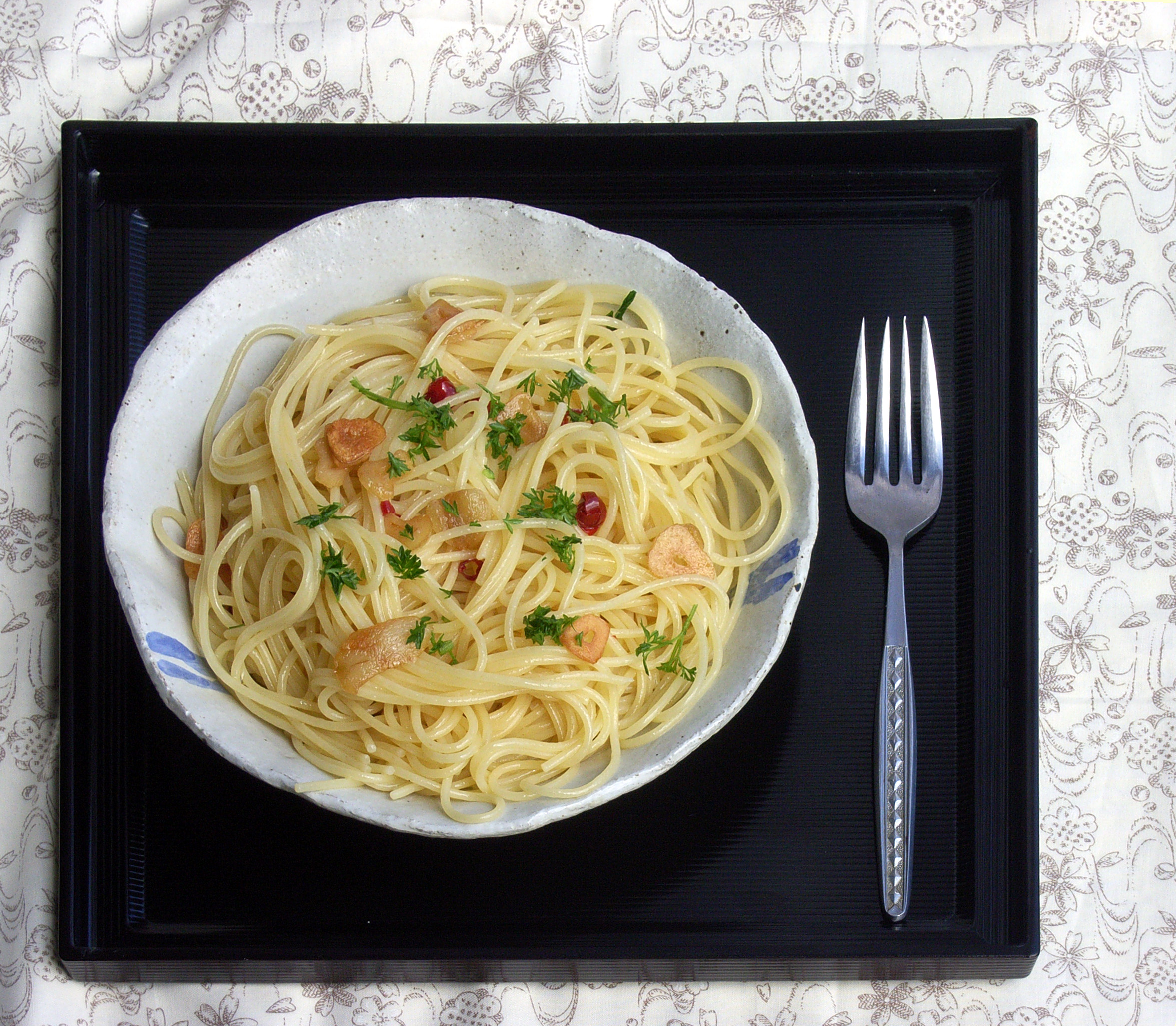
Recipe at a Glance
- Serves: 4
- Prep time: 5 minutes
- Cook time: 15 minutes
- Difficulty: Easy
- Diet: Vegan, as long as your dried pasta contains no egg
What Is Aglio e Olio?
The name simply means “garlic and oil” in Italian. The dish is typical of Naples, where it was once also known as vermicelli alla Borbonica. When chili goes in, it is often called spaghetti aglio, olio e peperoncino. Its appeal is practical: the ingredients are cheap and keep well, which is why La Cucina Italiana describes it as a midnight pasta.
Ingredients
- 400 g spaghetti
- 100 ml extra-virgin olive oil, plus a little to finish
- 5 large garlic cloves, thinly sliced
- 1/2 teaspoon dried chili flakes, or to taste
- 3 tablespoons finely chopped flat-leaf parsley
- Salt, for the pasta water
Choosing the Ingredients
Olive oil. It is the main flavor here, so use one you would happily eat on bread. Very peppery oils can turn harsh, so choose a balanced one if you have a choice.
Garlic. Use firm, fresh cloves. Remove any green sprout, which can taste sharp. Slices give you gentle flavor and tender bites, while crushed or minced garlic is stronger and burns faster.
Spaghetti. Choose a good-quality dried brand. Bronze-cut pasta has a rougher surface and tends to release more starch, both of which help here. Linguine is a good alternative.
How to Make Spaghetti Aglio e Olio
- Boil the water. Bring a large pot of water to a boil and salt it well. The sauce has no other salty ingredient, so the pasta water does most of the seasoning. Add the spaghetti and set a timer for 2 minutes less than the package time.
- Start the garlic in cool oil. Put the oil and garlic in a large, cold skillet. Set it over medium-low heat and cook for 4 to 6 minutes, stirring often, until the slices turn pale gold at the edges.
- Add the chili. Stir in the chili flakes for 15 to 20 seconds. Carefully add a ladle of pasta water, about 120 ml, standing back as it will sputter. This stops the garlic from cooking further. Let it bubble gently over low heat.
- Move the pasta to the pan. Use tongs to lift the spaghetti straight into the skillet, with some water still clinging to it. Save another mug of the cooking water.
- Toss hard. Raise the heat to medium and toss constantly for 2 minutes, adding small splashes of pasta water as needed. The liquid should turn cloudy, then thicken and coat the strands.
- Finish. Off the heat, add the parsley and a small drizzle of raw oil. Toss once more, taste for salt, and serve right away in warm bowls.
Why the Sauce Turns Silky
Oil and water usually separate. Pasta water contains starch released during boiling, and that starch helps tiny droplets of oil stay suspended in the water. Tossing breaks up the oil and spreads the starch around, creating a light emulsion rather than a slick of oil.
This is the same idea behind mantecatura, the Italian technique of finishing pasta in the pan. Recipes do vary on this point. Some simply stir the oil into the drained pasta, which is quicker but gives a thinner, oilier result.
Common Problems and How to Fix Them
| Problem | Likely cause | What to do |
|---|---|---|
| Bitter taste | The garlic went too dark | Start again with fresh oil and garlic; burnt flavor cannot be hidden |
| Greasy pasta | Too little water or tossing | Add a splash of pasta water and toss hard over the heat |
| Dry or sticky pasta | The liquid cooked away | Loosen with hot pasta water, a spoonful at a time |
| Bland flavor | Under-salted water | Stir in salt to taste, and season the water more next time |
| Soft spaghetti | It boiled too long before going in the pan | Next time, take it out 2 minutes early |
For more on avoiding bland or overcooked pasta, see our guide to common pasta cooking mistakes.
Easy Variations
- Anchovy: Melt 2 to 3 fillets into the oil with the garlic for more savory depth, and go lighter on salt.
- Toasted breadcrumbs: Crisp a handful in a little oil and scatter over the top for crunch.
- Mushrooms: Brown sliced mushrooms in a separate pan and fold them in at the end.
- Shrimp: Cook peeled shrimp in the garlic oil before adding the pasta water, then lift them out and return them at the end.
- Lemon: Add a little finely grated zest with the parsley for a brighter finish.
Serving and Storage
This dish tastes best the moment it is ready, because the sauce thickens and tightens as it cools. Keep sides simple: a sharp green salad or roasted vegetables will do. Refrigerate leftovers in an airtight container and eat them within 2 days. Reheat gently in a skillet with a splash of water and toss until loose again.
If you end up with extra garlic oil, refrigerate it and use it within 2 days, or freeze it. NC State University’s food safety guidance warns that home-prepared garlic oil is unsafe to keep at room temperature because of the botulism risk.
Frequently Asked Questions
Does spaghetti aglio e olio have cheese?
Most traditional recipes leave it out, but some people like a little grated Parmesan or pecorino. Taste it first, as cheese can mute the garlic. If you add some, the dish is no longer vegan.
Should the garlic be brown?
No. Aim for pale gold. Garlic keeps cooking in hot oil and turns bitter quickly, so stop it a little earlier than you think you need to.
Can I make it without chili?
Yes. Garlic and oil are the core of the dish, and chili is a common addition rather than a requirement. Leave it out or swap in a little black pepper.
How is it different from garlic butter spaghetti?
This recipe relies on olive oil and pasta water for its sauce. Our garlic butter Parmesan spaghetti is richer, with butter and cheese.
Can I use gluten-free pasta?
Yes, but gluten-free pasta can release less or different starch, so the sauce may be thinner. Save extra cooking water and watch the pasta closely, as it can overcook quickly.
More Simple Pasta to Try
If you like short ingredient lists, try cacio e pepe, which also relies on starchy water for its sauce. For bolder pantry flavors, make spaghetti alla puttanesca. You can also browse our guide to classic pasta sauces.

Syed Yasar Arafat is the founder of PastaLoverz.com and a food research enthusiast with a focused interest in pasta varieties, traditional Italian cuisine, and balanced eating. Through PastaLoverz.com, he publishes well-researched articles that explain pasta types, cooking methods, and nutritional considerations in clear, practical terms to help readers make informed food choices.