Stelline Pasta Guide: Everything You Need To Know
Stelline pasta is one of the smallest and most charming pasta shapes in Italian cuisine. Known for its tiny star shape, this pasta is commonly used in comforting soups and broths. Italian families often serve stelline pasta to children because it cooks quickly and blends beautifully with simple ingredients.
Despite its small size, stelline pasta has a long tradition in Italian home cooking. The delicate star-shaped pieces absorb flavors from broth, vegetables, and cheese, creating a warm and satisfying dish. In this guide, you will learn what stelline pasta is, its history, how to cook it perfectly, and the best recipes to try at home.
Table of Contents
- Introduction
- What Stelline Pasta Is
- History And Italian Background
- Shape And Key Features
- How To Cook Stelline Pasta Perfectly
- Best Uses And Flavor Pairings
- Popular Stelline Pasta Recipes
- Nutrition Details
- Where To Buy Authentic Stelline Pasta
- Internal Links
- FAQ
- Final Thoughts
Introduction
Stelline pasta has a special place in Italian families. These tiny star-shaped pieces are known for their soft, gentle texture and fast cooking time. Many Italians grow up eating stelline pasta in their first soups. Today, more home cooks around the world use this pastina shape to create easy meals that feel warm and comforting.
The charm of stelline pasta lies in its simplicity. Although small, it absorbs flavor well and turns even a simple broth into something enjoyable. This guide covers everything you need to know to confidently cook, season, and serve stelline pasta at its best.
What Stelline Pasta Is
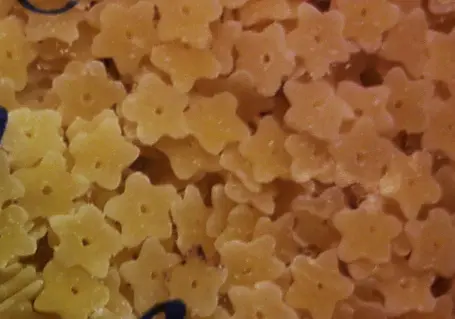
Stelline pasta is a type of pastina that translates to “little stars.” The shape is tiny, lightweight, and designed to cook quickly in broth. Because of its size, stelline pasta is ideal for soups, broths, and dishes where comfort matters more than heavy sauce.
It originates from durum wheat semolina. That gives it the strength to hold its shape while staying soft and tender after cooking. Stelline pasta works in both traditional and modern recipes, from simple broth bowls to creative fusion dishes.
History And Italian Background
Stelline pasta has been part of Italian home cooking for generations. Created as an easy pasta shape for children, it quickly became a staple in everyday family meals. Italian mothers and grandmothers used stelline pasta to make nourishing bowls during cold weather or recovery periods.
This pastina shape gained popularity across Europe thanks to its convenience. As families looked for quick meals that required little preparation, stelline pasta stood out for its versatility. You can find it in dishes from the north to the south of Italy, though it is most closely associated with simple broths and light evening meals.
Italian chefs today still regard it as the perfect comfort pasta. Food writers at resources such as Serious Eats and culinary educators at MasterClass often reference stelline pasta as a base for refined yet simple broth-based dishes.
Shape And Key Features
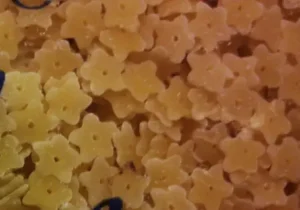
The star-shaped design of stelline pasta is not only cute but functional. The small holes and pointed tips help it capture broth and seasoning. Each bite feels flavorful, even in very mild soups.
Why Shape Matters
- The star cut increases surface area for better absorption.
- It stays suspended in the soup instead of sinking immediately.
- It cooks evenly because each piece is uniform.
- The shape appeals to children and encourages better eating habits.
These features make stelline pasta more than just a decorative shape. It performs well in specific dishes that require softness, speed, and absorption.
How to Cook it Perfectly
Cooking it is simple, but a few small techniques can make a big difference in texture. Because it is tiny, it can overcook easily. The ideal texture is soft but not mushy.
Basic Cooking Method
- Boil water with enough salt to resemble mild seawater.
- Add stelline pasta only when the water reaches a steady boil.
- Cook for 5 to 7 minutes, stirring occasionally.
- Taste for softness. Remove from heat once it reaches the desired texture.
- Drain it gently or leave some starchy water if mixing into broth.
Cooking Stelline Directly In Soup
Many cooks prefer to add stelline pasta straight to the soup. When doing this, reduce the cooking time by one minute. It will finish cooking in the hot broth and absorb more flavor.
For detailed soup-cooking techniques, see guides from The Spruce Eats, which offer reliable tips on broth preparation.
Best Uses And Flavor Pairings
It performs well in dishes that rely on warmth and simplicity. It blends seamlessly into soups, absorbs broth quickly, and pairs beautifully with gentle seasoning.
Best Dishes
- Light chicken soup with carrots and celery
- Classic Italian brodo
- Tomato and basil soup
- Vegetable broth bowls
- Butter and Parmesan bowls for children
- Quick weeknight broth-and-pasta meals
Flavor Pairing Suggestions
- Parmesan, grana padano, and Pecorino
- Basil, parsley, and thyme
- Mild vegetables like zucchini, carrot, and spinach
- White pepper and garlic-infused oil
The simplicity of it encourages the use of gentle ingredients. Too many strong spices can overpower it, so aim for clean, comforting flavors.
Popular Recipes
1. Stelline Chicken Broth Bowl
It’s the classic way Italians serve stelline pasta. Simmer chicken bones with carrots, celery, onion, and herbs. Once the broth is rich, strain it, bring it to a boil, and add stelline pasta. Serve with grated Parmesan.
2. Tomato And Stelline Soup
Use a smooth tomato base and cook it gently with basil. Add stelline pasta during the final minutes. The sweetness of the tomatoes complements the small pasta shape.
3. Stelline With Butter And Parmesan
This dish is ideal for children or anyone wanting a light meal. Mix warm stelline pasta with butter and Parmesan until creamy. It takes only a few minutes and tastes comforting.
4. Vegetable Stelline Soup
Combine zucchini, carrots, peas, and onions in a mild broth. Add the stelline pasta and cook until tender. It is filling but still light.
Nutrition Details for Stelline Pasta
Stelline pasta delivers a nutrition profile that matches most durum wheat (refined) pasta. It provides mostly carbohydrates for energy, plus a moderate amount of protein, with very little fat. Brand labels vary, so you should expect a small range rather than one fixed number. (Nutracheck)
Typical nutrition per 100g (dry)
- Calories: ~350–371
- Carbohydrates: ~70–75 g
- Protein: ~12–14 g
- Fat: ~1–2 g
- Fiber: ~2.9–3 g (Nutracheck)
What those numbers mean in real meals
Stelline gives you quick, reliable energy because carbs make up most of the serving. That’s why it works so well in broth-based bowls, especially when you want something light but filling. (FatSecret)
Most stelline are also enriched, meaning manufacturers add back key nutrients lost during refining. Enriched pasta commonly contains iron and B vitamins, such as thiamin, riboflavin, niacin, and folic acid. (MyPlate)
Dietary notes
- Gluten: Traditional stelline contain wheat, so they are not gluten-free.
- Whole-grain option: Whole-wheat stelline (when available) increases fiber and usually improves satiety.
- Portion tip: A common dry serving is about 56g (2 oz), which many brands list around ~200 calories before you add broth, butter, cheese, or sauce. (CalorieKing)
How to make it more balanced
Stelline turns into a more complete meal when you pair it with:
- Vegetables (spinach, carrots, zucchini, peas)
- Light protein (chicken, eggs, lentils, beans)
- Broth-based sauces instead of heavy cream, especially in cold seasons
Where to Buy an Authentic One
You can buy stelline pasta online or in specialty stores. Authentic brands maintain shape integrity during cooking and use high-quality wheat.
- Major pasta guides are available at Food Network
- Ingredient breakdowns explained on MasterClass
Choose brands made from 100 percent durum wheat semolina for the best texture.
Internal Links
- Gemelli Pasta
- Radiatori Pasta Guide
- Casarecce Pasta Guide
- Agnolotti Pasta Guide
- Bavette Pasta Guide
FAQ, S
Q: Does stelline pasta always go in soup?
A: No. Most people use stelline in soup, but you can also toss them with butter and Parmesan, serve them with a light tomato sauce, or use them in simple comfort bowls.
Q: Why do children enjoy stelline pasta?
A: Children enjoy stelline because the star shape feels fun and the pasta cooks into a soft, easy-to-eat texture.
Q: Can you use stelline pasta in salads?
A: Yes. Cook the stelline, then mix them with vegetables, herbs, olive oil, and a light vinaigrette for a small pasta salad.
Q: How long should you cook stelline pasta?
A: Most stelline pasta cooks in 5 to 7 minutes, depending on the brand. Stop cooking as soon as it turns tender to avoid a mushy texture.
Q: What is stelline pasta made from?
A: Most stelline pasta is made from durum wheat semolina and water. Some versions may contain egg; check the label if needed.
Q: Is stelline the same as pastina?
A: Stelline is a type of pastina. Pastina is the category for tiny pasta shapes, and stelline is the star-shaped version.
Q: How do I stop stelline from clumping?
A: Sprinkle stelline into boiling water gradually and stir for the first 30 to 60 seconds to prevent clumping.
Q: Can I cook stelline directly in soup?
A: Yes. Add it near the end and simmer gently. For leftovers, cook them separately and add them when serving to prevent them from absorbing too much broth.
Q: How do I store leftover stelline soup?
A: Store it in the fridge for up to 3 days. For the best texture, store the pasta and broth separately because stelline keeps absorbing liquid.
Q: Can I freeze stelline soup?
A: Yes, but the pasta may soften after thawing. Freeze the broth, then cook fresh stelline when you reheat for the best results.
Q: What can I substitute for stelline pasta?
A: You can substitute acini di pepe, orzo, small ditalini, or tiny shells, depending on the recipe and cooking time.
Final Thoughts
It is one of Italy’s most comforting shapes. Its tiny stars transform simple broths into warm, satisfying meals. If you enjoy gentle flavors and quick recipes, stelline pasta deserves a place in your kitchen. Keep exploring Pastaloverz for more pasta guides and cooking ideas.
Watch

Syed Yasar Arafat is the founder of PastaLoverz.com and a food research enthusiast with a focused interest in pasta varieties, traditional Italian cuisine, and balanced eating. Through PastaLoverz.com, he publishes well-researched articles that explain pasta types, cooking methods, and nutritional considerations in clear, practical terms to help readers make informed food choices.