
Soba pasta, the elegant Japanese noodle made from buckwheat, is rapidly gaining popularity in Western kitchens as a sophisticated, nutrient-dense alternative to traditional wheat pasta.
Unlike refined white pasta, which is often stripped of its nutritional value, soba offers a complex, earthy flavor profile and a wealth of health benefits that cater to modern dietary needs.
Whether you are seeking a gluten-free option or a low-glycemic meal, soba pasta is a powerhouse ingredient that bridges the gap between ancient tradition and modern wellness.
In this ultimate 2026 guide, we dive deep into soba pasta benefits, explore the science of buckwheat, and provide professional tips on how to serve this versatile noodle for maximum flavor and nutrition. Is it truly healthier than regular pasta? Let’s look at the facts.
1: What Is Soba Pasta? Soba Pasta Benefits & The Buckwheat Secret.
Soba is a type of thin Japanese noodle made primarily from buckwheat flour (Fagopyrum esculentum). Despite the name “buckwheat,” it is not a type of wheat at all; it is a “pseudocereal”—a nutrient-dense seed from a plant related to rhubarb.
This botanical distinction is critical because it means pure buckwheat is naturally grain-free and gluten-free.
In the world of soba pasta benefits, the quality of the flour is paramount. Traditional Japanese soba is valued for its earthy, nutty aroma.
Because buckwheat is rich in complex proteins and minerals, the noodles have a darker, speckled appearance compared to the pale yellow of Italian semolina pasta. It is a staple of Zen-inspired diets, valued for providing deep nourishment without weighing the body down.

2: Soba vs. Regular Pasta: The Nutritional Showdown
Comparing 100g of soba to 100g of refined white pasta reveals why health enthusiasts are making the switch.
Traditional pasta is a high-carbohydrate food that can lead to energy crashes. Soba, however, offers a balanced nutritional matrix:
- Complete Protein in Soba Pasta: Buckwheat contains all eight essential amino acids, including Lysine. Most grains are deficient in lysine, making soba a rare “complete” plant-based protein.
- Caloric Control: Soba generally contains about 20-30% fewer calories than equivalent servings of white pasta.
- Magnesium & Manganese: These essential minerals, often stripped from white flour, are abundant in soba and support everything from bone density to metabolic regulation.
3: The Soba Pasta Technique: Preventing Slimy Noodles
The cooking process for soba is significantly different from that of Italian pasta. Because buckwheat lacks gluten, it releases a high amount of surface starch almost instantly. If you cook it like spaghetti, you will end up with a gummy, unappetizing clump.
Professional chefs use the “Shock Method”: adding cold water to the pot when it begins to foam. This slows the external cooking and allows the noodle’s core to reach a perfect texture. Furthermore, a vigorous cold-water rinse after draining is mandatory to “scrub” away the starchy film, leaving the noodles glossy and firm.
4: The Heritage: A Brief History of Japanese Soba Pasta
Soba has been an integral part of Japanese culture since the Edo period (1603–1868). Food historians at La Cucina Italiana note that while Italy perfected wheat pasta, Japan developed buckwheat noodles as a functional medicine.
In the 17th Century, soba was consumed to cure Beri-Beri, a disease caused by Vitamin B1 deficiency in people who ate only white rice. Soba provided the life-saving thiamine needed to restore health.
6: Texture and Flavor: What to Expect
Expect a “snappy” bite rather than an elastic one. Soba is firm and provides a distinct earthy flavor that lingers on the palate.
It is less of a “vessel” for sauce and more of a centerpiece. Its unique texture makes it the ideal choice for “minimalist” dishes where the noodle’s quality is the main attraction.
6: Best Pairings of Soba Pasta: From Dashi to Ginger-Soy
Soba requires “Umami-forward” sauces. The natural bitterness of buckwheat pairs beautifully with fermented ingredients:
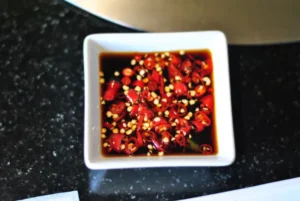
- Tsuyu: A classic dipping sauce made from soy sauce, mirin, and dashi.
- Miso-Ginger: A creamy miso dressing adds fermented depth.
- Tahini-Lime: A modern fusion pairing that uses healthy fats to complement the buckwheat’s earthiness.
7: How To Cook Soba Pasta Perfectly Every Time?
- Boil Rapidly: Use a large pot to allow the starch to disperse.
- Skip the Salt: Soba dough usually contains salt; adding more to the water is unnecessary and can ruin the delicate buckwheat flavor.
- The Ice Bath: For cold soba, plunge the noodles into ice water after the rinse for that authentic Japanese restaurant texture.
8: Understanding the Ratios: Juwari vs. Ni-Hachi
Not all soba is created equal. The two main categories are:
- Juwari (100% Buckwheat): The most nutritious and gluten-free, but difficult to cook as it breaks easily.
- Ni-Hachi (80% Buckwheat, 20% Wheat): The gold standard for texture. The small amount of wheat provides the “elasticity” needed for a satisfying chew.
9: The “Superfood” Label: Is Soba Pasta Actually Healthy?
Scientific research from organizations such as the Harvard T.H. Chan School of Public Health indicates that replacing refined grains with “pseudocereals” like buckwheat can lower the risk of chronic diseases.
Soba is unique because it contains plant sterols, which help block the absorption of bad (LDL) cholesterol in the small intestine.
10:The Rutin Factor: Soba’s Essential Heart-Health Weapon
One of the most notable benefits of soba pasta is the presence of Rutin. Buckwheat is the only major source of this bioflavonoid.
Rutin is famous in medical circles for strengthening capillaries and preventing blood clots. This makes soba an “anti-aging” food for the cardiovascular system.

11: Low Glycemic Index of Soba Pasta: Sustained Energy
Soba has a Glycemic Index (GI) of roughly 46. This is significantly lower than white pasta (GI 55+). For athletes, this means sustained energy without the “sugar spike.” For those with insulin resistance, it is a much safer way to enjoy a noodle dish without disrupting metabolic health.
12: Soba Pasta and Resistant Starch Benefits: How SobaPasta Supports Gut Health
Soba is a great source of “resistant starch,” a type of fiber that doesn’t break down in the small intestine. Instead, it travels to the colon, where it feeds healthy gut bacteria. This process produces short-chain fatty acids that improve immunity and reduce Inflammation throughout the body.
13: The Gluten-Free Truth: Is All Soba Pasta Safe?
If you have Celiac disease, read the label carefully. Unless it says “100% Buckwheat” or “Certified Gluten-Free,” it likely contains wheat flour to keep the price down. Always verify the source before assuming it is safe for a gluten-free diet.
14: Ultimate Shopping Guide: Avoiding ‘Fake’ Soba Pasta.”
Many “supermarket soba” brands list wheat flour as the first ingredient. This is essentially just wheat pasta with a tiny bit of buckwheat for color. True soba pasta benefits come from brands where buckwheat is the primary ingredient. Look for a greyish-brown color and visible specks of buckwheat husk.
15: Storage and Serving: Hot vs. Cold Soba Pasta
Soba is a “dual-purpose” noodle. In winter, it is served in a hot dashi broth (Kake Soba). In summer, it is served chilled on a bamboo mat (Zaru Soba). If storing leftovers, keep the noodles separate from the sauce, or they will absorb the liquid and become bloated.

16: Frequently Asked Questions
Q: Is soba pasta better for you than whole wheat pasta?
A: Yes, generally. Sobapasta has a more complete amino acid profile and contains unique antioxidants like Rutin that whole wheat lacks.
Q: Can kids eat soba pasta?
A: Absolutely. It is a great way to introduce plant-based protein to a child’s diet, though some may find the earthy flavor takes time to get used to.
Q: Why is my soba pasta breaking?
A: You likely overcooked it. Soba needs only 4-6 minutes. Any longer and the lack of gluten will cause the noodles to disintegrate.
Q: Is soba pasta good for weight loss? A: Yes, soba pasta is an excellent choice for weight management. Because it is a low-glycemic index food.
It releases glucose slowly into the bloodstream, preventing insulin spikes that lead to fat storage. Additionally, the high fiber content in buckwheat helps you feel full longer, reducing the urge to overeat compared to refined white pasta.
Q: Does soba pasta contain gluten? A: Pure soba made from 100% buckwheat (Juwari Soba) is naturally gluten-free. However, many commercial brands are “Ni-Hachi,” meaning they contain roughly 20% wheat flour.
If you have Celiac disease or gluten sensitivity, always check the label for a “Certified Gluten-Free” seal to ensure there is no cross-contamination.
Q: Can you eat soba pasta every day? A: Absolutely. Eating soba pasta daily provides a consistent source of Rutin and manganese, which support cardiovascular health.
Its balanced ratio of complex carbohydrates and plant-based protein makes it a stable energy source for active lifestyles, though it is always best to pair it with various vegetables and lean proteins for a complete nutritional profile.
Q: Does soba pasta have more protein than regular pasta? A: Yes, while the total protein count is similar (approx. 6–8g per serving), soba pasta is nutritionally superior because it is a complete protein.
Unlike traditional semolina pasta, which lacks the essential amino acid lysine, soba contains all nine essential amino acids. This makes it a more effective choice for muscle repair and metabolic function, especially for those on a plant-based diet.
Q: How do you tell if soba pasta is high quality? A: High-quality soba is distinguished by its buckwheat-to-wheat ratio. Look for “Juwari Soba” (100% buckwheat) or “Ni-Hachi” (80% buckwheat).
The noodles should have a greyish-brown hue with visible dark specks, which are tiny fragments of the nutrient-rich buckwheat hull
. Avoid “soba” where wheat flour is the first ingredient, as these lack the signature Rutin and low-glycemic benefits of authentic buckwheat.
Q: Is soba pasta better for blood sugar control than brown rice pasta?
A: Yes. While brown rice pasta is a popular gluten-free alternative, it has a higher glycemic index (around 65) compared to pure buckwheat soba (around 46). Soba contains unique soluble fibers and chiro-inositol, a compound scientifically shown to mimic insulin activity and improve insulin sensitivity, making it a superior choice for managing blood glucose.

Q: Does rinsing soba pasta in cold water wash away its nutritional value?
A: Not at all. Washing the noodles vigorously under cold water only removes the excess surface starch (amylose) that causes a gummy, slimy texture. The essential vitamins, minerals, and plant-based proteins are locked securely within the dense matrix of the buckwheat noodle itself.
Q: Why does the water turn thick and cloudy when boiling soba pasta?
A: That cloudy, yellowish-brown water is incredibly nutrient-dense and is called Sobayu (そば湯) in Japan. Because buckwheat is packed with water-soluble vitamins (specifically Vitamin B1, B2, and the heart-healthy antioxidant rutin), much of it leaks into the cooking water. Instead of discarding it, traditional noodle houses serve Sobayu at the end of the meal to mix with leftover dipping sauce or drink as a therapeutic, digestion-soothing tea.
Q: Can soba pasta be used as a direct substitute in traditional Italian pasta recipes?
A: You can substitute it, but you must account for its distinct flavor profile. Soba’s assertive, nutty, and earthy undertones do not pair well with heavy dairy (like Alfredo) or acidic tomato sauces (like Marinara). Instead, use it in recipes that call for earthy olive oils, toasted garlic, sesame oil, or umami-rich broths where the buckwheat flavor complements rather than clashes with the sauce.
Q: How does the fiber structure in buckwheat soba support weight loss?
A: Soba pasta contains high amounts of resistant starch and soluble dietary fiber. This specific fiber structure slows down gastric emptying, meaning it digests gradually in your GI tract. This regulates hunger hormones like ghrelin, increases prolonged satiety, and prevents the energy crashes that typically trigger mid-day sugar cravings.
Q: Does soba pasta contain purines, and is it safe for a gout-friendly diet?
Yes, pure buckwheat soba pasta is exceptionally safe and highly recommended for individuals managing gout or high uric acid levels. Unlike many dense grains, buckwheat is considered a low-purine food. Furthermore, the high concentration of rutin and plant sterols found in authentic soba acts as a natural anti-inflammatory, helping to mitigate cellular stress and reduce the frequency of painful gout flare-ups.
Q: Why do some fitness diets prioritize soba pasta over sweet potatoes or brown rice?
Fitness enthusiasts and bodybuilders often favor soba pasta due to its superior amino acid profile and unique metabolic advantages. While sweet potatoes and brown rice are excellent complex carbohydrates, they lack lysine, making them incomplete protein sources. Soba provides all nine essential amino acids required for muscle protein synthesis. Additionally, its lower glycemic index ($\approx 46$) yields a more stable, prolonged glucose release, preventing the mild sluggishness sometimes associated with heavier starch options.
Q: Can you reuse the leftover cooking water from boiling soba pasta?
Absolutely! In traditional Japanese culinary culture, the cloudy water left behind after boiling soba is called Sobayu (そば湯), and it is highly valued rather than discarded. Because buckwheat is packed with water-soluble nutrients, a massive portion of its B vitamins, minerals, and heart-healthy antioxidants leach directly into the pot. Traditional noodle houses serve Sobayu at the end of the meal to mix into your remaining dipping sauce or to drink straight as a warm, digestion-soothing, nutrient-dense tea.

Soba Pasta vs. Regular White Pasta: Nutritional Showdown
| Feature | Soba Pasta (100% Buckwheat) | Regular White Pasta (Semolina) | Why It Matters |
| Primary Ingredient | Buckwheat (Pseudocereal) | Refined Wheat Flour | Soba is a nutrient-dense seed, not a grain. |
| Glycemic Index (GI) | Low (~46) | High (~55-70) | Low GI provides stable energy and aids weight loss. |
| Protein Quality | Complete (All 9 Amino Acids) | Incomplete (Lacks Lysine) | Soba supports muscle repair as a plant-based protein. |
| Heart Health | Rich in Rutin | Negligible | Rutin strengthens blood vessels and circulation. |
| Gluten Status | Naturally Gluten-Free | Contains Gluten | Essential for Celiac or gluten-sensitive diets. |
| Fiber Content | High (~4g per cup) | Low (~2g per cup) | Fiber improves gut health and satiety. |
| Key Minerals | Manganese, Magnesium, Zinc | Iron (usually enriched) | Soba’s minerals are naturally occurring, not added. |
Summary: Why Soba Pasta is a Nutritional Powerhouse
Soba pasta is a nutrient-dense Japanese noodle primarily crafted from buckwheat, a gluten-free pseudocereal. Unlike traditional wheat-based pasta, soba provides a complete plant-based protein profile, containing all nine essential amino acids—including the rare lysine.
The primary health advantage of Soba lies in its high concentration of Rutin, a unique bioflavonoid that supports cardiovascular health by strengthening capillaries and improving circulation. Additionally, its low-glycemic index (GI) ensures a slow release of energy.
Making it an ideal fuel source for weight management and blood sugar stability. Rich in fiber, manganese, and magnesium, soba pasta is a scientifically-backed alternative for those looking to upgrade their diet without sacrificing the comfort of a classic noodle dish.
17: Final Thoughts: Making the Switch to Soba Pasta
Soba pasta represents a shift toward more mindful, nutrient-dense eating. By embracing this Japanese staple, you are choosing a food that supports heart health, stabilizes blood sugar, and provides complete plant proteins. It is a rare example of a “comfort food” that truly loves you back.
Great pasta starts with mastering the basics: proper cooking technique, correct water usage, smart sauce pairing, and avoiding common mistakes. These fundamentals directly impact texture, flavor, and how well the sauce clings to pasta.
By following a reliable pasta cooking guide, understanding water science for pasta, choosing the best pasta for each sauce, and learning common pasta mistakes, you can consistently cook pasta that tastes balanced, structured, and restaurant-quality. Also,o choosing the best pasta for Alfredo sauce matters
Ready to elevate your pasta knowledge? Check out our guides on Chickpea Pasta benefits and Lumache Pasta shapes to master the art of healthy noodles.

Pastina Pasta: 7 Reasons It’s the Ultimate Comfort Food
Best Pasta for Alfredo Sauce: 7 Picks for Creamy Perfection
Pasta Shape and Sauce Pairing Guide: 7 Secrets of Success
Strozzapreti Pasta: 7 Facts & How to Cook It Perfectly
Alphabet Pasta: 7 Best Secrets for Fun Tiny Soup Shapes
Above are our valuable contributions and information hubs.
💡 Pro Tip: The “Ice Bath Shock & Scrub” for Flawless Texture
Because authentic buckwheat soba pasta is packed with water-soluble starches and lacks a tight gluten network, it releases a heavy, starchy film almost instantly during the boiling process. If you simply drain them into a colander like Italian spaghetti, the residual heat will continue to cook the delicate starch, turning your noodles into a gummy, sticky clump.
To achieve a clean, professional “snap” and clean definition, always plunge your drained soba noodles directly into an ice water bath. Once submerged, use your hands to vigorously swirl and gently scrub the noodles against one another for 30 seconds. This friction strips away the excess surface starch (amylose) and instantly locks in the perfect al dente bite, ensuring your noodles stay beautifully glossy and separated whether served hot in a dashi broth or chilled on a traditional bamboo mat!

Syed Yasar Arafat is the founder of PastaLoverz.com and a food research enthusiast with a focused interest in pasta varieties, traditional Italian cuisine, and balanced eating. Through PastaLoverz.com, he publishes well-researched articles that explain pasta types, cooking methods, and nutritional considerations in clear, practical terms to help readers make informed food choices.

20 Responses