Why Pasta Shapes Matter?
Long Pasta Shapes
Ribbon Pasta Shapes
Short Pasta Shapes
Tube Pasta Shapes
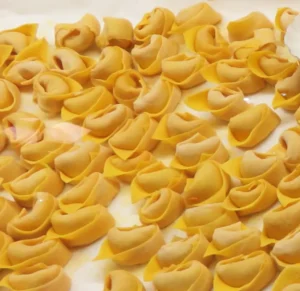
Stuffed Pasta Shapes
Tiny Shapes for Soup
Rare Regional Shapes
How to Pair Pasta Shapes with Sauce
Internal Pasta Shapes: Guides to Explore
Pasta Shapes List (Quick Reference Guide)
Frequently Asked Questions
Q: What are pasta shapes?
Shapes are the different forms in which pasta dough is molded before cooking or drying. Italy has created hundreds of pasta shapes, ranging from long strands like spaghetti to tiny soup pasta such as stelline. Each shape is designed to interact with sauce differently, creating a specific texture in a dish. Understanding pasta shapes helps cooks choose the best pasta for each recipe.
Q: How many pasta shapes exist?
Food historians estimate that Italy has more than 350 traditional pasta shapes. When regional names and local variations are included, the number exceeds 1,300 pasta varieties. Many of these shapes developed in different Italian regions based on local ingredients and traditional cooking methods.
Q: Why do pasta shapes matter in cooking?
Shapes matter because they affect how the sauce coats the pasta. Smooth pasta works best with lighter sauces, while ridged or hollow shapes hold thicker sauces. Choosing the right Shape improves flavor balance, texture, and the overall eating experience.
Q: What is the most popular pasta shape?
Spaghetti is widely considered the most popular pasta shape in the world. It is a long, thin pasta commonly served with tomato sauce, meat sauce, garlic and olive oil, or seafood sauces. Spaghetti is a staple in many classic Italian dishes.
Q: Which pasta shapes hold sauce best?
Shapes with ridges, twists, or hollow centers hold sauce best. These structures trap sauce inside and around the pasta.
Common examples include:
- Penne rigate
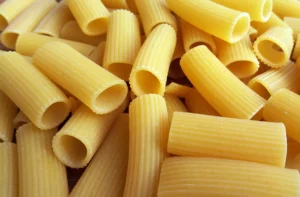
- Rigatoni
- Fusilli
- Rotini
- Tortiglioni
These shapes work especially well with thick, meaty, and creamy sauces.
Q: Which pasta shapes are best for creamy sauces?
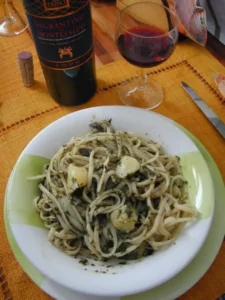
Wide, flat shapes are ideal for creamy sauces because they provide a large surface area for the sauce to cling to.
Popular choices include:
- Fettuccine
- Tagliatelle
- Pappardelle
- Mafaldine
These shapes are commonly used in dishes with Alfredo, mushroom cream, or cheese sauces.
Q: Which pasta shapes are best for pasta salads?
Short shapes work best in pasta salads because they hold dressing and mix well with vegetables and proteins. Spirals and curves trap ingredients effectively.
Common pasta salad shapes include:
- Fusilli
- Rotini
- Farfalle
- Penne
- Gemelli
These shapes absorb dressing and keep the salad flavorful.
Q: Which pasta shapes are used in soups?
Small shapes are commonly added to soups because they cook quickly and blend well with broth-based dishes.
Popular soup pasta shapes include:
- Orzo
- Ditalini
- Stelline
- Acini di pepe
- Pastina
These tiny pasta varieties appear frequently in Italian soups such as minestrone and brodo.
Q: What shapes are best for baked pasta dishes?
Tube-shaped pasta is best for baked dishes because it holds sauce and melted cheese.
Examples include:
- Ziti
- Rigatoni
- Penne
- Cannelloni
- Paccheri
These shapes are commonly used in baked ziti, pasta casseroles, and stuffed pasta dishes.
Q: Do different pasta shapes taste different?
Most Shapes are made from the same ingredients, usually durum wheat semolina and water. However, many people wonder whether different shapes taste differently. The flavor is usually similar, but the shape changes the texture and how the sauce clings to the pasta, which affects the overall eating experience.
Q: Are there gluten-free pasta shapes?
Yes, many brands produce gluten-free shapes made from alternative ingredients such as rice, corn, chickpeas, lentils, or quinoa. These gluten-free pastas are available in popular shapes like spaghetti, penne, and fusilli. They allow people with gluten intolerance to enjoy traditional pasta dishes.
Q: Why does Italy have so many pasta shapes?
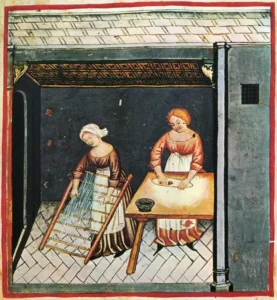
Italy has so many shapes because each region developed its own culinary traditions over centuries. Local ingredients, handmade techniques, and regional sauces influenced the creation of unique pasta varieties. As a result, Italy became home to hundreds of traditional pasta shapes, each suited to specific recipes and cooking styles.
Q: How do traditional pasta shapes influence sauce adhesion and mouthfeel?
The physical engineering behind various traditional pasta shapes directly dictates how sauce adhesion works during plating. Shapes featuring intricate external geometry, such as deep grooves or tight spirals, rely on physical friction to capture thick emulsions. Smooth, flat shapes provide a clean surface area where lighter oils can glaze the exterior without clumping. This balance completely alters the mouthfeel of the final dish, ensuring that the sauce complements the texture of the noodle rather than overwhelming it.
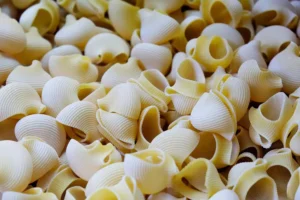
Q: Why do certain regional pasta shapes perform better with specific local ingredients?
Throughout Italy, the development of unique pasta shapes was deeply tied to the localized availability of ingredients and historical cooking techniques. Northern regions traditionally favored soft wheat and egg-based doughs, rolling out expansive ribbon cuts designed to support heavy, dairy-rich cream sauces and slow-simmered meat ragus. In contrast, southern culinary traditions relied heavily on water and hard durum wheat to mold sturdy, hollow tubular pieces capable of grabbing robust, olive-oil-heavy tomato sauces and seafood broths.
Q: What is the structural difference between ridged and smooth pasta shapes?
The distinction between ridged (rigate) and smooth (lisce) pasta shapes comes down to how they handle sauce retention. Ridged varieties act like tiny claws, using their textured exterior to trap thin, tomato-based marinades or broken oil sauces that would otherwise slip off a slick surface. Smooth varieties are favored by culinary purists for delicate, uniform oil coatings where a velvety, uninterrupted texture is preferred over a heavily gripped sauce.
Q: How do hollow centers in specific pasta shapes alter the eating experience?
Hollow pasta shapes, ranging from large paccheri to medium-sized rigatoni, are engineered to act as literal delivery systems for your ingredients. The wide, negative space inside the center creates structural sauce pockets that trap minced meat particles, legumes, and heavy cheese mixtures. This ensures that chunky components are swept up inside the noodle during a meal rather than settling to the bottom of your bowl, giving you a perfectly proportioned bite every time.
Q: Why do artisanal bronze-cut pasta shapes hold sauce better than mass-produced versions?
The superior performance of artisanal pasta shapes relies entirely on the extrusion manufacturing process. Premium producers use traditional bronze dies, which leave a rough, chalky, and matte finish on the dry dough. Mass-market manufacturers typically use slick Teflon dies because they speed up production, but this leaves the final product with a shiny, non-porous exterior. The rough texture from a bronze-cut die is vital for secure binding, allowing the starch layer to fuse naturally with your sauce.
Summary:
Exploring the vast world of pasta shapes reveals that their unique designs are rooted in deep Italian culinary traditions rather than just visual aesthetics. With hundreds of traditional varieties existing across Italy, each shape is carefully engineered to interact with ingredients differently. The specific geometry of a noodle determines how it holds and distributes its accompaniment, making the relationship between different pasta shapes and their ideal sauces a fundamental rule of authentic cooking. Matching them correctly balances every bite, turning a simple recipe into a restaurant-quality dining experience.
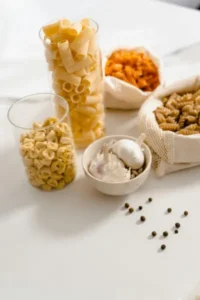
The key to perfecting your dishes lies in understanding how surface area, ridges, and hollow centers manage different types of sauce. Long, smooth strands excel at carrying delicate olive oil coats and light tomato blends, while flat ribbon cuts provide the expansive surface area needed to support rich, heavy creams.
For hearty meat ragus and chunky vegetable dishes, utilizing tubular or deeply ridged pasta shapes ensures that the ingredients are captured inside the hollow pockets instead of being left behind on the plate. By learning these structural dynamics, home cooks can confidently navigate the diverse landscape of pasta varieties and bring authentic balance to their kitchen.
Conclusion
Shapes play a key role in Italian cooking because each shape is designed to hold sauce, texture, and flavor differently. Long pasta, like spaghetti, pairs well with smooth sauces, while tube shapes, such as rigatoni, trap rich, chunky sauces. Filled varieties like Ravioli create a complete bite with every forkful.
When you match the right pasta shape with the right sauce, even a simple dish becomes more balanced, authentic, and satisfying.
Understanding shapes helps you cook Italian dishes the way they were meant to be enjoyed. From delicate orzo to hearty rigatoni, choosing the correct shape can turn an everyday meal into a memorable Italian experience.
Great pasta starts with mastering the basics: proper cooking technique, correct water usage, smart sauce pairing, and avoiding common mistakes. These fundamentals directly impact texture, flavor, and how well the sauce clings to pasta.
By following a reliable pasta cooking guide, understanding water science for pasta, choosing the best pasta for each sauce, and learning common pasta mistakes, you can consistently cook pasta that tastes balanced, structured, and restaurant-quality. Also,o choosing the best pasta for Alfredo sauce matters.
Pastina Pasta: 7 Reasons It’s the Ultimate Comfort Food
Best Pasta for Alfredo Sauce: 7 Picks for Creamy Perfection
Pasta Shape and Sauce Pairing Guide: 7 Secrets of Success
Strozzapreti Pasta: 7 Facts & How to Cook It Perfectly
Alphabet Pasta: 7 Best Secrets for Fun Tiny Soup Shapes
Above are our valuable contributions and informational hubs.
Call to Action
Want to master Italian pasta even further?
Explore more detailed pasta guides on PastaLoverz to learn about traditional pasta varieties, authentic cooking techniques, and the best sauce pairings for every shape. Discover how small details can transform your pasta dishes into true Italian classics.
Pastina Pasta: 7 Reasons It’s the Ultimate Comfort Food
Best Pasta for Alfredo Sauce: 7 Picks for Creamy Perfection
Pasta Shape and Sauce Pairing Guide: 7 Secrets of Success
Alphabet Pasta: 7 Best Secrets for Fun Tiny Soup Shapes
Mafaldine Pasta: 7 Golden Secrets of Italy’s Ribbon
Are our valuable contributions and information hubs.
💡 Pro Tip: The “Viscosity Rule” for Flawless Sauce Pairing
If you are ever unsure how to pair a new or rare pasta shape, ignore the name and look closely at its surface texture and thickness. Pasta pairing relies on a simple rule of fluid mechanics: match the viscosity of your sauce to the structural integrity of your shape.
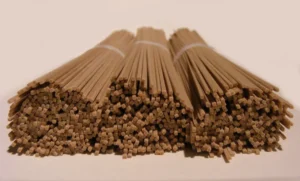
Low-Viscosity Sauces (Light & Runny): Smooth, delicate, long strands like Capellini or Spaghetti act like a canvas for light coatings. They rely on capillary action to lift thin oil, butter, or seafood broths without drowning the noodle.
High-Viscosity Sauces (Thick & Heavy): Intricate shapes with deep ridges (rigate), twists, or wide hollow centers (like Rigatoni, Fusilli, or Campanelle) are engineered to create physical friction. They act like tiny claws, mechanically trapping heavy fats, chunky meat ragùs, and thick vegetable reductions so your ingredients never settle at the bottom of the bowl.
The Pasta Shape Category & Dynamics Comparison Table
To master the art of pasta pairing, it helps to understand how different shape groups interact with sauces. The table below breaks down the structural mechanics, ideal pairing rules, and classic examples for each primary pasta family.
Pasta Category Structural Design Culinary Mechanics Best Sauce Consistency Quintessential Examples Long Strands Thin, round, continuous linear wires. Relies on capillary action to lift and coat the exterior surface without clumping. Low-viscosity, delicate oils, butter, and light seafood broths. Spaghetti, Capellini, Angel Hair Flat Ribbons Wide, flat, expansive vertical surface area. Provides a sturdy canvas that handles the weight and rich fats of emulsified sauces. High-viscosity cream bases, cheese reductions, and smooth meat ragùs. Fettuccine, Tagliatelle, Pappardelle Short Twists Intricate three-dimensional corkscrews and helices. Acts like tiny structural claws, physically trapping and lifting small pieces of ingredients. Pesto, chunky vegetable reductions, and cold oil dressings. Fusilli, Rotini, Gemelli Hollow Tubes Circular cylinders with wide internal negative space. Functions as a literal delivery system, scooping and holding heavy components inside. Thick, hearty meat sauces, legumes, and molten baking cheeses. Rigatoni, Penne Rigate, Ziti Filled Pouches Two-piece dough pockets crimped along the seams. Encloses a delicate, self-contained filling profile meant to be complemented, not drowned. Light sage-infused brown butter, clear broths, or simple marinara. Ravioli, Tortellini, Cappelletti Tiny Pastina Microscopic, highly dense geometric shapes. Displaces small amounts of liquid while cooking rapidly without absorbing too much volume. Clear animal broths, light vegetable consommés, and rustic stews. Orzo, Ditalini, Stelline

Syed Yasar Arafat is the founder of PastaLoverz.com and a food research enthusiast with a focused interest in pasta varieties, traditional Italian cuisine, and balanced eating. Through PastaLoverz.com, he publishes well-researched articles that explain pasta types, cooking methods, and nutritional considerations in clear, practical terms to help readers make informed food choices.

3 Responses