
Mafaldine pasta is one of the most elegant pasta shapes in Italian cuisine, recognized for its long ribbons with delicate ruffled edges. Mafaldine pasta is traditionally associated with the culinary heritage of Naples, where rich sauces and hearty pasta dishes are central to regional cooking.
Introduction
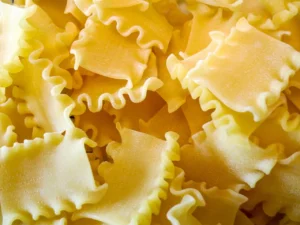
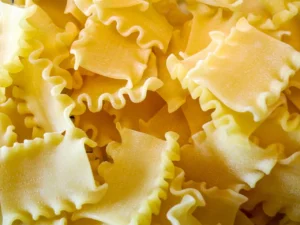
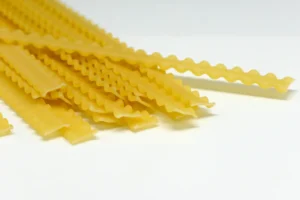
When you start exploring the many types of pasta, one shape immediately catches the eye: Mafaldine. Also called Reginette—”little queens”—this pasta is named and styled for royalty. With its long ribbons framed by frilled edges, it stands out in a world filled with smooth spaghetti strands and flat lasagna sheets. More than just a pretty design, those curly edges add substance to every bite, trapping sauces in tiny waves.
This guide explores everything about Mafaldine, including its history, comparisons with other pasta shapes, the best sauces to pair with it, traditional and modern recipes, cooking techniques, and even creative uses in soups and casseroles. By the end, you’ll know how to make Mafaldine a star on your table.
What is Mafaldine Pasta?
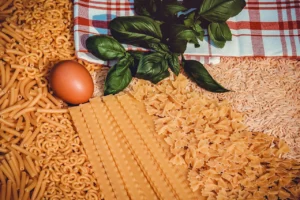
Mafaldine belongs to the extended pasta family, but its appearance sets it apart. Each strand resembles a flat ribbon about one centimeter wide, with fluted, frilled edges that ripple like waves. This shape is not just decorative. The edges act as sauce catchers, holding onto ragù, cream, or tomato bases better than smooth-edged pastas.
Pasta Shape: Long ribbon with curly edges
Other Pasta Names: Reginette, Mafalda
Category: Long pasta
Best Uses: Hearty ragùs, baked casseroles, seafood dishes, creamy sauces
For cooks who prefer pasta that combines elegance and practicality, Mafaldine is an ideal choice.
The Origins and Name of Mafaldine
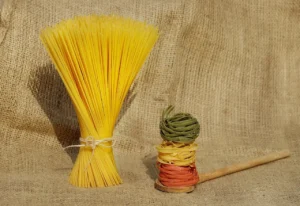
Mafaldine has a story tied directly to Italian royalty. In the early 20th Century, pasta makers in Naples named it in honor of Princess Mafalda of Savoy. The princess was admired for her grace and was affectionately known as Reginette. To match her title, this pasta earned the nickname “Little Queens.”
The name stuck, and Mafaldine became associated with festivity and grandeur. In some regions of Italy, it is still served during weddings or special occasions as a symbol of prosperity and elegance. Unlike everyday spaghetti, Mafaldine carries cultural weight, tied to nobility and celebration.
Fun fact: Traditional Neapolitan cookbooks sometimes suggest Mafaldine for Sunday ragù, the kind of meal made to gather the whole family.
How Mafaldine Differs from Other Long Pastas?
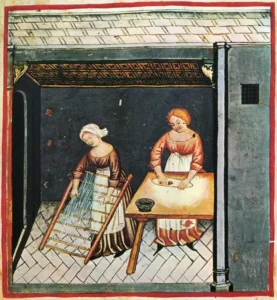
At first glance, Mafaldine may look like another ribbon pasta, but the details matter.
Mafaldine vs Fettuccine: Fettuccine is a smooth, flat ribbon. It works well with Alfredo and lighter cream sauces, but Mafaldine’s frills give it extra texture that Fettuccine lacks.
Mafaldine vs. Tagliatelle: Tagliatelle is slightly narrower and smoother, making it a popular choice for Bolognese sauce. Mafaldine holds thicker sauces more effectively.
Mafaldine vs Pappardelle: Pappardelle is much broader, almost like mini lasagna strips. Mafaldine is narrower but with decorative waves that make each bite more complex.
Mafaldine vs Lasagna Sheets: Lasagna is a sheet pasta, layered in casseroles. Mafaldine can mimic lasagna in baked dishes, but it’s cut into long strands instead of sheets.
These differences highlight why Mafaldine is special—it carries the elegance of ribbon pastas with the functional advantage of ridged or textured shapes.
Best Sauces for Mafaldine Pasta
Choosing the right sauce makes all the difference. Because of its frilled edges, Mafaldine performs best with thick, flavorful sauces that cling to every curve.
Rich Ragùs: Beef ragù or pork ragù cooked low and slow is a traditional favorite. The meat nestles in the ripples, giving balanced bites.
Creamy Mushroom Sauce: Sautéed mushrooms, garlic, cream, and a hint of truffle oil pair wonderfully with Mafaldine.
Seafood Sauces: Light tomato bases with clams, shrimp, or lobster showcase the pasta’s elegance.
Tomato-based sauces, such as marinara, arrabbiata, or puttanesca, balance the pasta’s heft with acidity.
Vegetarian Pairings: Roasted zucchini, eggplant, or spinach with ricotta offer earthy flavors without overwhelming the ribbons.
Tip: Avoid thin sauces, such as simple olive oil dressings; they don’t cling as well to Mafaldine’s ruffles.
How to Cook Mafaldine Pasta Perfectly?
Cooking Mafaldine requires minor adjustments to highlight its shape.
Boiling Water: Use at least 4–5 liters of water with one tablespoon of salt per liter. The wide ribbons need space to move freely.
Stirring Early: Stir gently for the first minute to prevent strands from sticking.
Cooking Time: Most brands recommend 9–12 minutes. For al dente, check at the lower end of the range.
Sauce Integration: Always reserve a cup of pasta water. Adding a splash to the sauce helps it emulsify and cling to the curls.
Finishing in Sauce: After draining, toss the Mafaldine directly into the pan with the sauce and cook for 1–2 minutes. This ensures the edges soak in flavor.
Pro tip: Don’t break the ribbons in half. Serving them long enhances both tradition and presentation.
Regional and Modern Uses of mafaldine pasta
Mafaldine started in Naples but spread across Italy and beyond.
Traditional Neapolitan Uses: Often paired with ragù alla Napoletana, a rich tomato-and-meat sauce cooked for hours.
Sicilian Twists: In Sicily, seafood variations with sardines, anchovies, and fennel are popular.
Northern Italian Experiments: In Lombardy or Emilia-Romagna, creamy porcini or truffle sauces turn Mafaldine into a gourmet dish.
Modern Fusion: Chefs worldwide now use Mafaldine in creative ways, from Thai-inspired coconut curries to modern plant-based pesto.
Restaurants often showcase Mafaldine as a signature dish, partly due to its visual appeal and partly because it lends itself well to high-end plating. You can clear your vision about Mafaldine by visiting academiabarilla
Mafaldine pasta in Soups, Salads, and Casseroles
Though not as common, Mafaldine also works outside the usual pasta-and-sauce setting.
Soups: Cut into shorter pieces, Mafaldine can enrich minestrone or bean soups, adding texture without overwhelming.
Salads: Tossed cold with roasted vegetables, olives, and Parmesan, it makes for a hearty summer salad. The curly edges ensure that the dressing is evenly distributed.
Casseroles: Layered with béchamel, mozzarella, and vegetables, Mafaldine becomes a rustic alternative to lasagna.
This versatility explains the more widespread use of mafaldine in creative home cooking. Want to know further, see
Recipes Featuring Mafaldine Pasta
1. Mafaldine pasta with Beef Ragù
Ingredients:
Mafaldine pasta
Ground beef and pork blend
Tomato passata
Onion, carrot, celery
Red wine, garlic, olive oil, basil
Method:
Simmer the sauce for 2–3 hours, until it is rich and thick. Toss Mafaldine in, allowing the ribbons to soak up the meaty sauce. Finish with parmesan. You can also benefit from Dececco
2. Creamy Mushroom Mafaldine
Ingredients:
Mafaldine pasta
Assorted mushrooms (cremini, porcini, oyster)
Garlic, shallots, fresh thyme
Heavy cream, butter, parmesan, truffle oil
Method:
Sauté mushrooms until golden, then add cream and thyme. Toss in Mafaldine with reserved pasta water. Finish with parmesan and a drizzle of truffle oil.
3. Seafood Mafaldine
Ingredients:
Mafaldine pasta
Shrimp, clams, and squid
Garlic, chili flakes, cherry tomatoes
White wine, olive oil, and fresh parsley
Method:
Cook seafood quickly in garlic and chili. Add cherry tomatoes and white wine, reduce slightly. Toss with Mafaldine and top with parsley.
FAQ About Mafaldine Pasta
Q: What is Mafaldine pasta?
Mafaldine is a type of long ribbon pasta with curly edges, also known as Reginette or Mafalda.
Q: What sauces go best with Mafaldine?
Rich ragùs, creamy mushroom sauces, seafood, and tomato-based sauces are the best options.
Q: How long should you cook Mafaldine?
Generally, 9–12 minutes, depending on the brand, for an al dente texture.
Q: Is Mafaldine the same as lasagna noodles?
No. Lasagna is a flat sheet pasta used in layers, while Mafaldine is a ribbon pasta designed for tossing with sauce.
Q: Can Mafaldine be used in baked dishes?
Yes. It works well in casseroles and can mimic lasagna’s texture when layered.
Q: What makes Mafaldine unique among types of pasta?
Its ruffled edges make it decorative and functional, holding more sauce than smooth pastas.
Q: Is Mafaldine the same as Reginette pasta? Yes, Mafaldine is frequently referred to as Reginette (meaning “little queens”). Both names pay homage to Princess Mafalda of Savoy. Semantically, they are identical ribbon-cut pastas characterized by their ruffled, wavy edges and wide surface area.
Q: What is the best sauce pairing for Mafaldine pasta? Due to its curled borders and sturdy textural integrity, Mafaldine excels with thick, artisanal sauces. It is a classic choice for Neapolitan ragù, creamy gorgonzola, or rich mushroom-based sauces, as the ridges effectively “trap” the ingredients.
Q: Why is the “ruffled edge” important for cooking? The unique topography of Mafaldine creates a varied mouthfeel. When cooked al dente, the flat center remains slightly firmer while the frilled edges soften, providing a superior sauce-to-pasta ratio that is prized in authentic Italian gastronomy.
Q: Is Mafaldine pasta traditionally made with bronze dies? High-quality, artisanal Mafaldine is often extruded through bronze dies. This process creates a porous, coarse surface (unlike smooth, Teflon-extruded pasta), allowing the sauce to cling to the ribbon rather than sliding off.
Q: How does the shape of Mafaldine pasta affect its sauce-binding properties? The unique structural design of Mafaldine pasta—combining a flat, wide center with thin, ruffled ribbon borders—creates distinct cooking textures. When prepared al dente, the dense center retains a firm bite while the delicate frills soften rapidly. This structural variance creates high surface friction, optimizing its sauce-binding properties for heavy meat reductions and emulsified dairy sauces.
Q: What is the historical significance of Reginette pasta in Neapolitan culinary traditions? Originally known simply as fettuccelle ricche, the shape was rebranded by Neapolitan pasta artisans to honor Princess Mafalda of Savoy. Deeply embedded in Neapolitan culinary traditions, this regal ribbon cut transitions an ordinary meal into a celebratory feast, frequently served alongside slow-simmered Sunday ragù in southern Italy.
Q: Does the extrusion process impact the quality of commercial Mafaldine pasta? Yes. Premium brands utilize a traditional bronze-die extrusion process, which imparts a rough, matte, and highly porous micro-texture to the pasta sheets. This coarse surface allows complex fats and oils to cling to the ribbon face effectively, preventing the sauce from sliding off the pasta—a common issue with slick, Teflon-extruded variations.
Q: Can Mafaldine pasta be substituted for traditional lasagna recipes? Absolutely. Because it essentially behaves like narrow, individual strips of lasagna sheets, Mafaldine is structurally resilient enough for oven-baked casseroles. Layering it with rich béchamel, mozzarella cheese, and bolognese meat sauce offers the same comforting flavor profile with a unique, textured presentation.
Where can I buy Mafladine pasta?
Here are a few reliable online sources where Malfadine is available right now:
Rummo Mafaldine #80 — a reputable brand often carried by gourmet pasta sellers.
Garofalo Malfalde 500 g — a good option from a well-known Italian pasta house.
Italian Pasta Mafaldine Tradizionale 500 g — classic style, usually stocked by Italian food importers.
Barilla Mafaldine Napoletane 500 g — more widely distributed; easier to find in larger online grocers.
Beyond these, you’ll see malfadine on sites like Amazon (under “Mafaldine / Mafaldine pasta”), or specialty Italian / Mediterranean import shops (e.g. Brass Cuisine Spices lists a “Mafaldine Pasta” option). Our article about chickpea pasta will not disappoint you.
Comparison Table
| Pasta Shape | Width / Structure | Surface Texture & Edges | Best Sauce Types | Typical Uses | How It Differs from Mafaldine |
|---|---|---|---|---|---|
| Mafaldine (Reginette) | Long, medium‑wide ribbon with flat center and ruffled edges | Often bronze‑cut, porous, curly edges | Rich ragùs, creamy sauces, seafood, hearty tomato | Main courses, baked casseroles, hearty soups | — It’s the reference shape in this table |
| Fettuccine | Long, flat ribbon, usually slightly narrower than Mafaldine | Smooth edges, usually less textured | Alfredo, lighter cream sauces, light meat sauces | Everyday pasta dishes, quick weeknight meals | Lacks ruffled edges, holds slightly less sauce |
| Tagliatelle | Narrow, flat ribbon, similar to fettuccine | Smooth, sometimes lightly roughened | Bolognese, light cream, simple tomato | Classic ragù alla Bolognese, Northern Italian dishes | Thinner and smoother, better for lighter ragùs |
| Pappardelle | Very wide, flat ribbons | Smooth or slightly rough | Heavy meat ragùs, game sauces, and mushroom ragù | Rich, rustic dishes with large meat pieces | Much broader, more rustic; no decorative frills |
| Lasagna Sheets | Wide, flat sheets (not long strands) | Smooth or slightly ridged | Thick meat and cheese sauces, béchamel | Layered baked dishes (lasagna, casseroles) | Sheets for layering; Mafaldine is like “striped” lasagna you can toss |
Pastina Pasta: 7 Reasons It’s the Ultimate Comfort Food
Best Pasta for Alfredo Sauce: 7 Picks for Creamy Perfection
Pasta Shape and Sauce Pairing Guide: 7 Secrets of Success
Strozzapreti Pasta: 7 Facts & How to Cook It Perfectly
Alphabet Pasta: 7 Best Secrets for Fun Tiny Soup Shapes
Above are our valuable contributions and informational hubs.
Executive Summary: The Culinary Significance of Mafaldine pasta
Mafaldine pasta—traditionally known across various regions of Italy as Reginette or Mafalda—represents one of the most structurally distinct variations of long ribbon-cut pasta within authentic Italian gastronomy. Rooted deeply in Neapolitan culinary traditions, this elegant, regal ribbon cut was famously named in honor of Princess Mafalda of Savoy, moving it beyond an everyday ingredient into a celebratory staple of southern Italy.
From a structural engineering standpoint, the true value of Mafaldine lies in its unique topography. The pasta features a wide, flat center framed by thin, ruffled ribbon borders. When cooked perfectly al dente, this design creates a varied mouthfeel: the dense center maintains a firm, structural integrity, while the delicate frilled edges soften rapidly. This structural variance results in exceptional sauce-binding properties, generating high surface friction that allows the pasta to effectively “trap” complex fats, heavy meat reductions, and rich ingredients rather than letting them slide off.
To maximize these culinary benefits, premium commercial and artisanal Mafaldine variations undergo a traditional bronze-die extrusion process. Unlike smooth, Teflon-extruded alternatives, bronze dies impart a rough, matte, and highly porous micro-texture to the pasta sheets.
This coarse surface area makes the shape uniquely versatile—resilient enough to handle slow-simmered Neapolitan ragù, thick cream bases, and rustic mushroom reductions, while remaining adaptable enough to be broken down into savory soups or layered directly into oven-baked casseroles as a textured alternative to traditional lasagna sheets.
Final Thoughts about Mafaldine pasta
Among the many types of pasta, Mafaldine stands out for its regal look and versatility. Named after a princess, beloved for its ability to hold onto hearty sauces, and admired for its presentation, it is more than just another noodle.
Cooked simply with tomato and basil, paired with seafood, or layered in baked dishes, Mafaldine pasta brings elegance to the everyday table. Next time you’re choosing pasta, consider Mafaldine not just for its beauty but for the depth of flavor it helps deliver. Our Article on Ravioli pasta
will further increase your craze for knowing further, along with Lumache pasta
👉 Call to Action: Want more guides like this? Please explore our complete collection of pasta articles. Subscribe to our newsletter for weekly tips and printable pasta guides.
💡 Pro Tip: Leverage “Border-Friction” to Prevent Ribbon Clumping
Because Mafaldine consists of long, wide ribbons with dense centers and delicate ruffled edges, it is highly prone to a common culinary flaw: interlocking structural clumping. When multiple strands overlap flat against each other in the pot, they form a tight seal that prevents water from reaching the center, resulting in unevenly cooked, rubbery patches.
To eliminate this issue and maximize your pasta’s sauce-trapping potential, implement the “Drop-and-Twist” whirlpool technique:
The Whirlpool Effect: Right before dropping your Mafaldine into the pot, use a long wooden spoon or pasta fork to stir the boiling salted water rapidly in one direction, creating a moving vortex.
The Radial Drop: Fan the dry Mafaldine ribbons out as you drop them directly into the center of the whirlpool. The centrifugal force of the water will catch the frilled borders, spinning the individual strands away from each other radially.
The First-Minute Agitation: Gently stir the pasta in the opposite direction of the whirlpool for the first 60 seconds. This initial minute is when surface starches undergo rapid gelation and become incredibly sticky. Keeping the ribbons in motion ensures the wavy edges act as built-in spacers, preventing the flat centers from fusing together.
Why this matters for Mafaldine pasta: Successfully maintaining separation during the initial cooking phase ensures that the entire surface area of the ruffled border is perfectly primed with a matte, porous finish. When you later toss the ribbons into your heavy meat ragù or cream base, these pristine ruffles will exert maximum surface drag, pulling the sauce upwards along the ribbon rather than letting it pool at the bottom of your plate.

Syed Yasar Arafat is the founder of PastaLoverz.com and a food research enthusiast with a focused interest in pasta varieties, traditional Italian cuisine, and balanced eating. Through PastaLoverz.com, he publishes well-researched articles that explain pasta types, cooking methods, and nutritional considerations in clear, practical terms to help readers make informed food choices.

Unquestionably believe that which you stated.
Your favorite reason appeared to be on the internet the simplest thing to be aware of.
I say to you, I definitely get annoyed while people consider worries that they just do not know
about. You managed to hit the nail upon the top and defined out the whole thing
without having side effect , people could take a signal.
Will likely be back to get more. Thanks
Thanks
Hello there, I discovered your web site via Google while looking for a comparable topic,
your web site came up, it appears good. I’ve bookmarked it in my google bookmarks.
Hello there, just was alert to your weblog via Google,
and found that it is truly informative. I’m going to be careful for
brussels. I will appreciate if you proceed this in future.
Lots of other people will probably be benefited from your writing.
Cheers!
My web site GSA Search Engine Ranker lists
Thanks