
Spaghetti all’Assassina is a fiery Italian pasta specialty from Bari, Puglia, famous for its spicy tomato flavor, smoky aroma, and irresistibly crispy edges. Unlike conventional spaghetti recipes, this dish cooks dried pasta directly in a skillet with tomato sauce and gradually added liquid.
The result is a distinctive combination of tender spaghetti, caramelized tomato, and browned strands that deliver a satisfying crunch. It is a wonderful choice for anyone who wants to explore authentic Italian regional cooking without purchasing expensive ingredients.
This PastaLoverz recipe explains how to prepare the dish at home, control the heat, develop the characteristic crust, and avoid common mistakes that can leave the pasta bitter or undercooked.
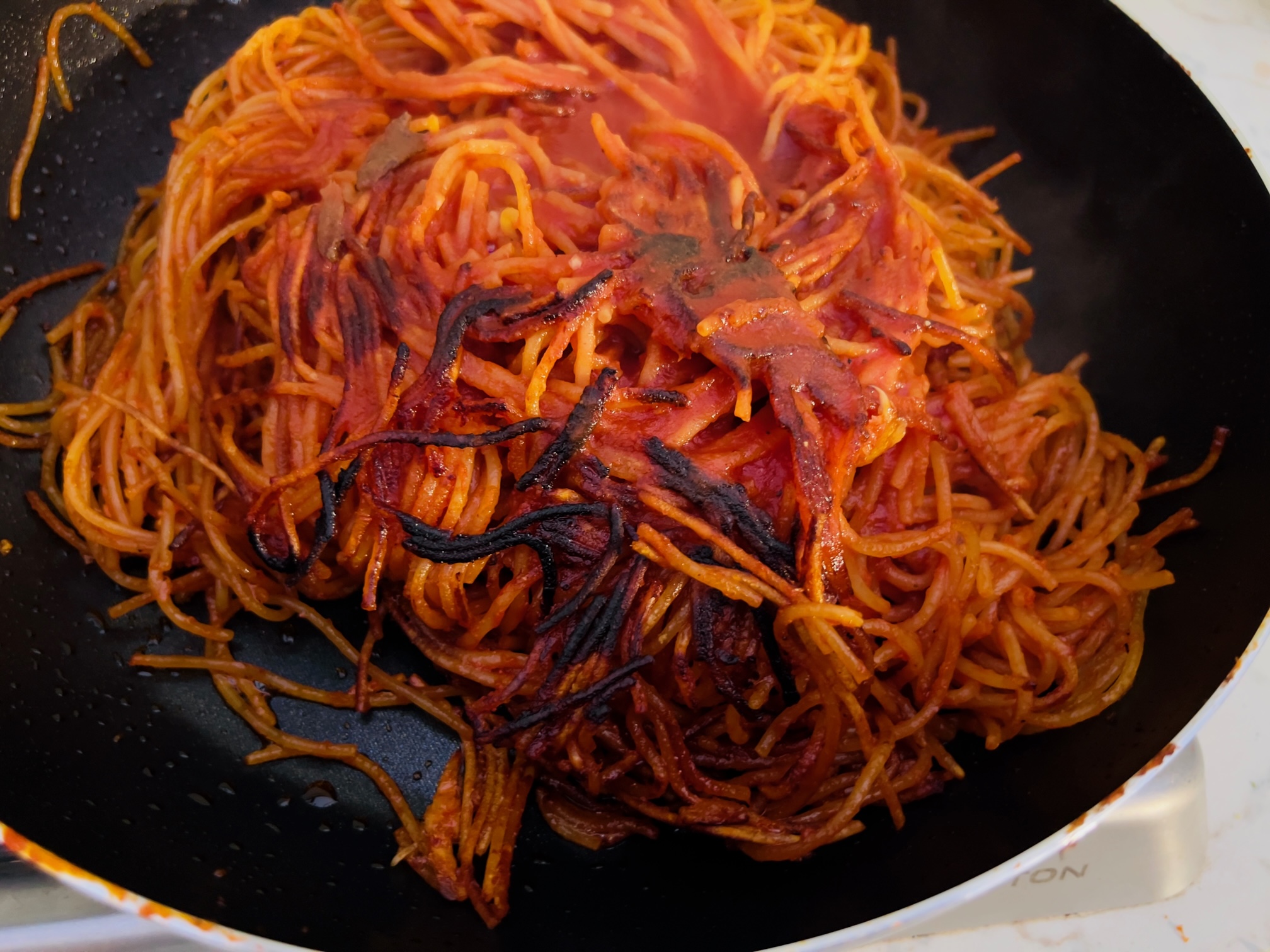
1. What Makes Spaghetti all’Assassina Special?
This unusual pasta dish is known for its direct-pan cooking method. Instead of boiling the spaghetti in a separate pot and adding sauce afterward, the cook allows the raw strands to cook in a hot skillet with tomato, garlic, chili, and gradually added broth.
The Italian technique is similar to cooking risotto because liquid is introduced in stages as the pasta absorbs it. However, the cook also allows the spaghetti to contact the hot pan directly, producing a characteristic browned crust.
Three elements define the finished dish:
- Spicy flavor: Chili provides warmth that complements the sweetness and acidity of tomatoes.
- Deep tomato intensity: Passata and tomato paste create a concentrated coating.
- Contrasting textures: Tender strands are combined with crisp, caramelized sections.
The objective is not to burn the entire dish. Instead, the spaghetti should develop reddish-brown patches while retaining enough tenderness to remain enjoyable.
Unlike creamy pasta recipes, this preparation does not require cream, large quantities of cheese, or an elaborate sauce. The technique itself creates much of the flavor.
2. Origins and Italian Food Culture
Bari is the capital of Puglia, a region in southern Italy renowned for durum wheat pasta, olive oil, tomatoes, vegetables, and seafood.
The origins of this dish are commonly associated with the Bari restaurant Al Sorso Preferito during the late 1960s. Its distinctive technique gradually became part of the city’s culinary identity, and enthusiasts established organizations to preserve and promote its traditional preparation.
The dramatic name translates approximately as “assassin’s spaghetti.” It reflects the fiery character of the dish and the aggressive-looking cooking process, rather than any unusual ingredient.
Traditional interpretations differ over the type of pan, the amount of chili, and whether the spaghetti should begin completely raw or receive a brief preliminary cooking. The International Assassina Accademia discusses these variations in its traditional recipe and cooking guide.
For additional background, read La Cucina Italiana’s feature on this famous Bari specialty.
For more on the cooking of Puglia, see our regional pasta guide, and for a classic Apulian shape, our guide to orecchiette.
3. Ingredients
This home-friendly version serves four people. It uses widely available ingredients while preserving the essential balance between spicy tomato flavor and crispy pasta.
Ingredients
| Ingredient | Quantity | Purpose |
|---|---|---|
| Dried spaghetti | 400 g | Main ingredient |
| Tomato passata | 400 g | Creates the tomato base |
| Tomato paste | 2 tablespoons | Intensifies tomato flavor |
| Water | 900 ml to 1 litre | Makes the cooking broth |
| Extra-virgin olive oil | 5–6 tablespoons | Supports frying and browning |
| Garlic | 3 cloves | Adds aromatic depth |
| Dried chili flakes | ½–1 teaspoon | Provides heat |
| Salt | To taste | Balances the flavor |
| Sugar | A small pinch, optional | Softens excessive acidity |
Choosing the right spaghetti
Standard dried spaghetti is a practical choice for beginners. Choose a quality product that holds its shape during extended skillet cooking.
A wide, heavy skillet is equally important. Ideally, the spaghetti should fit across the pan with enough room for the strands to make contact with the cooking surface.
Cast iron and heavy steel are useful options because they retain heat well. A suitable stainless-steel skillet can also work with careful temperature management.
Understanding the tomato ingredients
Tomato passata: Smooth passata creates an even coating around the pasta. Choose a good-quality product without unnecessary additives.
Tomato paste: This concentrated ingredient adds depth and helps create the dark red coating associated with the finished dish.
Olive oil: Oil helps distribute heat and supports browning. Too little can make the strands stick excessively, while too much may leave the finished pasta greasy.
Garlic and chili: These ingredients provide the aromatic foundation. Keep the garlic fragrant rather than allowing it to turn black.
4. How to Make Spaghetti all’Assassina Step by Step
Step 1: Prepare the tomato broth
Pour the water into a saucepan and add approximately 250 g of the passata, the tomato paste, and some salt.
Whisk until the tomato paste dissolves, then bring the mixture to a gentle simmer. Keep the broth hot throughout the cooking process.
The liquid should taste pleasantly tomato-rich rather than completely watery. You will add it gradually, so keeping it hot helps maintain the temperature of the skillet.
Step 2: Heat the skillet
Place a wide, heavy skillet over medium-high heat and add the olive oil.
Add the garlic, sliced or lightly crushed, and the chili flakes. Cook briefly until fragrant, taking care not to burn the garlic.
Burnt garlic develops a bitter flavor that can overpower the entire recipe. If it darkens too quickly, reduce the heat before proceeding.
Step 3: Build the tomato base
Add the remaining passata to the skillet and stir carefully as it begins to sizzle.
Spread the tomato mixture across the bottom of the pan and allow it to cook for approximately two to three minutes.
The sauce should thicken slightly. Avoid adding all the broth immediately because the pasta needs direct contact with the hot surface to develop its distinctive texture.
Step 4: Add the dried spaghetti
Lay the uncooked spaghetti across the skillet as evenly as possible.
If the strands extend beyond the pan, allow their ends to soften before gently guiding them into the skillet. Avoid snapping the spaghetti unnecessarily.
Let the strands begin to brown against the tomato-coated surface. Some sticking is expected, but the pasta should not become completely black.
Step 5: Allow the first crust to form
Watch the underside of the spaghetti carefully. When reddish-brown patches appear, gently turn the strands using tongs or a wooden spatula.
Resist the temptation to stir constantly. Frequent movement can prevent the pasta from developing a proper crust.
At the same time, do not leave the spaghetti unattended for too long. The difference between delicious caramelization and bitter burning depends on heat control.
Step 6: Add the broth gradually
Pour in one ladle of hot tomato broth. Allow the liquid to sizzle and soften the spaghetti.
Wait until most of the broth has been absorbed or evaporated before adding another ladle. Move the strands gently to expose different sections to the skillet.
Continue for approximately 12–20 minutes, depending on the pasta, pan, and heat level.
You may not need every drop of broth. The correct amount depends on how quickly the liquid evaporates and how much moisture the spaghetti needs to become tender.
Step 7: Alternate between cooking and browning
As the strands soften, spread them across the bottom of the skillet again.
Allow the liquid to evaporate so the spaghetti can contact the hot surface directly. Turn the strands when they have developed sufficient color.
If the pan becomes dry before the pasta is tender, add another small ladle of broth. If the spaghetti is nearly cooked but surrounded by liquid, allow the excess to evaporate before adding more.
This alternating process creates the balance of tenderness and crunch that makes the recipe distinctive.
Step 8: Taste and adjust the seasoning
Taste a strand to check its texture. It should be cooked through while retaining some bite.
Add extra chili if you prefer more heat, or a little salt if the flavor seems flat. A tiny pinch of sugar can help balance excessive tomato acidity.
Avoid adding large amounts of water near the end. Too much liquid will soften the crust and make the pasta unnecessarily saucy.
Step 9: Serve Spaghetti all’Assassina immediately
Transfer the spaghetti to warm plates as soon as it reaches the desired texture.
The strands should have a deep red coating, caramelized edges, and a mixture of tender and crispy sections.
A small drizzle of extra-virgin olive oil is an optional finishing touch. Serve the pasta immediately because the crisp texture gradually softens as moisture remains in contact with the strands.
5. Nine Secrets to Crispy, Flavorful Spaghetti all’Assassina Pasta
1. Use a wide, heavy skillet
A wide pan gives the spaghetti more direct contact with the cooking surface. A small skillet forces the strands into a pile, resulting in uneven browning.
2. Keep the broth hot
Cold liquid can interrupt the browning process and slow the cooking. Keep the broth at a gentle simmer in a separate saucepan.
3. Avoid constant stirring
Allow the strands to rest against the skillet long enough to develop color. Turn them when necessary rather than moving them continuously.
4. Control the heat
High heat helps develop caramelized edges, but maximum heat throughout cooking can burn the garlic and tomato before the spaghetti becomes tender.
Lower the heat if the tomato mixture darkens too quickly.
5. Use sufficient olive oil
Oil helps distribute heat and supports browning. Begin with the recommended quantity and make small adjustments only if needed.
6. Add broth in stages
Small additions allow the pasta to absorb moisture without losing all direct contact with the pan. Adding too much liquid at once can prevent the desired crust from forming.
7. Learn the difference between browning and burning
Deep red-brown patches contribute concentrated flavor. Completely blackened garlic and heavily charred tomato can taste bitter.
Aim for controlled caramelization rather than uniform blackening.
8. Adjust the chili
Start with half a teaspoon of chili flakes and increase the amount if desired. Different chili varieties have different levels of heat.
9. Prepare your plates in advance
Once the pasta reaches the correct texture, serve it without delay. Having your plates ready prevents the finished strands from sitting in residual moisture.
For additional guidance, explore our pasta cooking guide and pasta pairing ideas.
6. Common Mistakes to Avoid
Adding all the broth at once: This makes it harder to develop a crisp crust. Add liquid gradually.
Using a pan that is too small: Crowded strands cook unevenly. Choose the widest suitable skillet available.
Burning the garlic: Garlic cooks quickly and can turn bitter. Fry it briefly before adding the tomato.
Expecting every strand to be crunchy: The ideal result combines crisp edges with tender spaghetti.
Adding cheese too early: Large amounts of cheese can change the texture and obscure the concentrated tomato flavor. Keep your first attempt simple.
Walking away from the stove: The moisture level changes throughout cooking, so the recipe requires attention.
Using too little liquid: The pasta still needs sufficient moisture to cook through. If it becomes dry while remaining firm, add a small amount of hot broth.
7. Variations and Serving Suggestions
Once you understand the technique, you can adjust the recipe to suit your preferences.
A milder version
Reduce the chili flakes or omit them for a gentler tomato flavor. The contrast between tender spaghetti and browned edges will remain enjoyable.
A more intense tomato version
Add a little extra tomato paste to the broth for deeper flavor. Avoid allowing the concentrated tomato to scorch as the skillet becomes dry.
A fresh herb finish
A small amount of chopped parsley can add freshness just before serving. Fresh basil is another possible addition, although traditional preparations often keep the ingredient list simple.
What to serve
The concentrated tomato flavor pairs well with uncomplicated accompaniments:
- A crisp green salad with a light vinaigrette.
- Grilled courgettes or seasonal vegetables.
- Crusty bread to enjoy with the remaining tomato oil.
- Sparkling water to refresh the palate.
For more meal ideas, browse our pasta pairing guide.
You can also explore other shapes and their culinary uses in our guides to bigoli pasta and campanelle pasta.
8. Storage and Reheating
This recipe is best enjoyed immediately because its crispy texture is a major part of its appeal.
If you have leftovers, refrigerate them in a covered container within two hours. Keep the refrigerator at 5°C or colder and consume the leftovers within two to three days.
To reheat, place the spaghetti in a skillet over medium heat with a small drizzle of olive oil. Spread the strands across the pan and allow the bottom to crisp again, turning occasionally until the pasta is thoroughly hot.
Avoid adding excessive water, which can soften the browned edges.
Microwave reheating is convenient, but it generally produces a softer texture. A skillet is the better choice when you want to recover some of the original crunch.
Discard leftovers that have been stored improperly or show signs of spoilage.
9. Frequently Asked Questions
What does the Italian name mean?
The name translates roughly as “assassin’s spaghetti.” It reflects the dish’s fiery reputation and unusual cooking technique.
Is the pasta boiled before frying?
Traditional versions cook the dried spaghetti directly in the skillet, adding hot tomato broth gradually. Some restaurant adaptations briefly pre-cook the pasta to speed up service.
Why does the spaghetti stick to the pan?
Some sticking is intentional because direct contact creates the crust. Excessive sticking may indicate insufficient oil, unsuitable heat, or liquid evaporating too quickly.
Can I make Spaghetti all’Assassina recipe without cast iron?
Yes. A heavy stainless-steel skillet can work well with careful heat control. Other suitable pans may also work, although browning can vary.
How spicy should the pasta be?
The heat level depends on your preference. Begin with half a teaspoon of chili flakes for four servings and adjust gradually.
Can I use fresh spaghetti?
Dried spaghetti is preferable for the traditional technique because fresh pasta contains more moisture and cooks differently. It will require a different method and timing.
Is Spaghetti all’Assassina recipe vegetarian?
The ingredients in this version are vegetarian, provided the packaged products you choose contain no unsuitable additives.
How can I get crispier edges?
Use a wide skillet, add hot broth gradually, and let the spaghetti rest against the pan between additions. Allow excess liquid to evaporate before the final browning stage.
Can I prepare the recipe in advance?
You can prepare the tomato broth ahead of time, but cook the spaghetti just before serving for the best texture.
How is Spaghetti all’Assassina different from ordinary tomato spaghetti?
Ordinary tomato spaghetti is generally boiled separately and finished in sauce. This dish cooks the pasta directly in the skillet, creating browned and crispy sections as it absorbs the tomato liquid.
10. Conclusion
Spaghetti all’Assassina proves that a handful of everyday ingredients can create an extraordinary meal when the cooking technique is right.
Its appeal comes from the contrast between concentrated tomato flavor, spicy chili, tender strands, and caramelized edges. The most important skills are controlling the heat, adding broth gradually, and allowing the pasta enough time to brown without burning.
Your first attempt may take a little practice, but once you understand the balance between moisture and direct heat, the process becomes much easier.
Ready to bring a taste of Bari into your kitchen? Gather your ingredients, prepare your skillet, and explore more recipes and cooking guides at PastaLoverz.com.
PastaLoverz Pro Tip
Master the final two minutes. When the spaghetti is almost tender, stop adding broth unless it genuinely needs more moisture. Spread the strands across the hot skillet and allow the remaining liquid to evaporate.
Listen for the wet bubbling to change into a sharper sizzling sound, then check the underside for deep red-brown patches. Turn the strands carefully and give the other side a little time to crisp.
The goal is a balance of tenderness and crunch, not a pan full of burnt spaghetti. Serve immediately and enjoy the distinctive texture that makes this Italian specialty worth learning.

Syed Yasar Arafat is the founder of PastaLoverz.com and a food research enthusiast with a focused interest in pasta varieties, traditional Italian cuisine, and balanced eating. Through PastaLoverz.com, he publishes well-researched articles that explain pasta types, cooking methods, and nutritional considerations in clear, practical terms to help readers make informed food choices.