
Malloreddus pasta is a traditional Sardinian pasta known for its small, shell-shaped form and ridged surface, which holds sauce beautifully. Often called Sardinian gnocchetti, malloreddus pasta is one of the most iconic dishes from the Mediterranean island of Sardinia.
Introduction to Malloreddus Pasta
Malloreddus pasta is a small, ridged semolina pasta from Sardinia. People often call it Sardinian gnocchetti because of its small, pillowy size, but Malloreddus pasta is made from durum semolina and water, not potatoes.
This pasta holds sauce in its grooves, so every bite of Malloreddus delivers texture and flavor. In this article, you will learn where Malloreddus pasta comes from, how to cook it, and why it deserves a permanent place on your table.
For quick context on regional pasta types, see Encyclopaedia Britannica and Eataly.
History and Origins of Malloreddus Pasta
The story of Malloreddus pasta is closely tied to Sardinia’s rural life. The name references livestock and abundance; Malloreddus roughly means “little calves” in the Sardinian dialect.
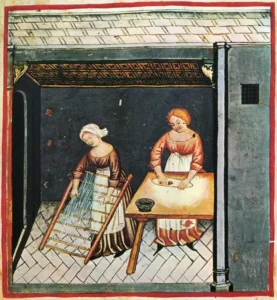
Historically, families made Malloreddus pasta by hand. Women rolled dough into ropes, cut small pieces, and pressed each piece on a tool or basket to create ridges. The ridges helped sauces cling during communal meals and festivals.
Over the centuries, Malloreddus pasta has become a symbol of Sardinian hospitality and a staple of seasonal celebrations. Today, artisanal producers keep the tradition alive across Sardinia and beyond.
The history of Malloreddus pasta reflects Sardinia’s agricultural roots and self-sufficient food culture. Wheat farming thrived in the island’s inland areas, and semolina-based pasta offered nourishment that lasted through long working days. Malloreddus often appeared during essential gatherings, especially weddings and religious festivals, where abundance carried social meaning.
Traditional preparation relied on simple tools found in every home, reinforcing how deeply Malloreddus pasta belonged to everyday life rather than elite cuisine. Its hand-formed shape varied slightly from household to household, creating subtle regional differences that still exist today.
As Sardinian cuisine gained wider recognition, Malloreddus pasta moved beyond village tables to restaurants across Italy and international kitchens. Despite modern production methods, its cultural identity remains intact, preserving a direct link between Sardinia’s past and present food traditions.
Why Malloreddus Pasta Works So Well?
Malloreddus pasta succeeds because of its shape and material. Semolina gives the pasta a firm bite. The grooves trap sauce. The small size cooks quickly and carries concentrated flavors.
Those design elements make Malloreddus pasta idealragùboth both rustic ragù and lighter seafood dishes. The same ridges that catch sausage and tomato also cradle droplets of olive oil and herb vinaigrettes.

Key Ingredients for Malloreddus Pasta
Semolina and Water
Traditional Malloreddus pasta is made from coarse durum semolina mixed with warm water. That simple blend yields firm, golden pasta that stands up to hearty sauces.
Saffron (Optional)
Sardinia grows saffron, and many recipes add a pinch for aroma and color. Saffron is optional, but it adds a local flavor to the pasta.
Local Cheese
Pecorino Sardo or other aged Pecorino cheeses are the classic finishing touches for Malloreddus pasta alla Campidanese.
Classic Recipe of Malloreddus Pasta: Alla Campidanese
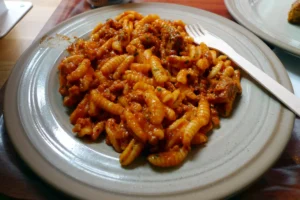
Malloreddus alla Campidanese is the dish most people associate with this pasta. It combines with witragùpork sausage ragù, saffron, and grated Pecorino Sardo.
Ingredients (serves 4)
- 400g Malloreddus pasta (dried or fresh)
- 300g Sardinian pork sausage or good-quality pork sausage
- 400g canned tomatoes, crushed
- 1 small onion, finely chopped
- 1 pinch saffron (optional)
- Olive oil, salt, pepper
- Grated Pecorino Sardo to finish

Method
- Brown the sausage in olive oil, breaking it into small pieces. Remove excess fat if needed.
- Sauté the onion until soft, then add the crushed tomatoes and simmer for 20–25 minutes. Add saffron near the end.
- Cook in salted water until al dente (check the package for timings, as dried pasta cooks faster than fresh).
- Reserve some pasta water. Drain, then finish in the pan with the sauce and a splash of pasta water to bind.
- Serve topped with grated Pecorino Sardo.
That classic pasta showcases the texture of the pasta and the bold flavors of Sardinia.
Delicious Variations of Malloreddus Pasta
While all Campidanese dishes are iconic, Malloreddus pasta pairs well with other dishes.
- Seafood Malloreddus: clams, mussels, prawns, light tomato and garlic sauce.
- Vegetable Malloreddus: roasted zucchini, eggplant, cherry tomatoes, basil.
- Saffron cream Malloreddus: saffron, cream, lemon zest for a celebratoryragùh.
- Wild boar ragù: for a deeper, gamey profile when available.
Each variation highlights how it captures sauce and flavor in small, memorable bites.
How to Cook Malloreddus Pasta Perfectly?
Cooking Tips
- Use generous amounts of water and salt; the pasta water should taste like the sea.
- Stir early to prevent sticking because it is small and can clump.
- Test a piece for al dente: it should be tender with a slight bite.
- Reserve pasta water to finish the sauce and create a silkier texture.
- Finish it in the saucepan for 30–60 seconds to let the grooves absorb flavor.
These small steps make a significant difference to the texture and flavor of Malloreddus pasta.


Malloreddus Pasta
Pairing with Wine and Sides
Pairing it depends on the sauce. For Malloreddus pasta alla Campidanese, choose a bold Sardinian red like Cannonau (Grenache).
Seafood Malloreddus pasta goes best with Vermentino or other crisp whites. For saffron and cream, a light sparkling or a soft red works well.
Serve with roasted vegetables, crusty bread, and a sprinkling of Pecorino for authenticity.
Nutrition and Health Notes
It is made from durum semolina, which provides complex carbohydrates and a modest amount of protein. Paired with vegetables, olive oil, and lean proteins, fits a balanced Mediterranean-style meal.
Use whole-ingredient sauces, watch portion size, and add a side salad to boost fiber and nutrients.
For context on the benefits of the Mediterranean diet, see Italy Magazine
Many pasta problems, such as a mushy texture, a bland taste, or poor sauce coverage, stem from missing key fundamentals. The solution is simple: focus on proper cooking methods, water science, and pairing pasta shapes with the right sauces. A complete pasta cooking guide, combined with knowledge of water science for pasta, the best pasta for each sauce, and common pasta mistakes, helps you fix errors and achieve perfectly cooked pasta every time.
5 Incredible Reasons Farro Pasta Beats Standard Whole Wheat
Lasagne Verdi: 6 Steps to Authentic Spinach Pasta [2026]
Fregula Pasta: 7 Secrets to Unlock Its Rich, Nutty Taste
FAQs
Q: Why is Malloreddus pasta traditionally called “Sardinian Gnocchetti”?
The nickname Sardinian Gnocchetti (or gnocchetti sardi) refers purely to the pasta’s aesthetic resemblance to small potato dumplings. Structurally, however, it contains no potato or egg. Authentic Malloreddus is crafted solely from a rigid dough of durum wheat semolina and water, offering a much firmer, distinctly al dente bite compared to the soft, pillowy texture of standard gnocchi.
Q: What is the classic tool used to shape Malloreddus by hand?
Traditionally, Sardinian home cooks shaped Malloreddus by pressing pieces of dough against a small, hand-woven reed basket called a ciuliri. The pattern on the basket stamped the characteristic ridges onto the outer shell while creating a hollow cavity underneath. In modern kitchens, you can easily replicate this artisan texture using a wooden gnocchi board or by rolling the dough pieces along the back of a standard dinner fork.
Q: Can you substitute Cavatelli for Malloreddus pasta?
Yes, Cavatelli pasta is the absolute best alternative if you cannot find authentic Malloreddus in your local Italian specialty market. Both varieties are Southern Italian rolled semolina shapes designed with deep central cavities to capture hearty meat sauces. While Cavatelli typically lacks the defined outer ridges of gnocchetti sardi, they offer an almost identical thickness, texture, and cooking timeline.
Q: Why does traditional Malloreddus alla Campidanese call for saffron?
Saffron is deeply woven into the agricultural history of Sardinia’s Campidano plain, where the spice grows abundantly. In the traditional recipe, a pinch of saffron is bloomed in warm liquid and added directly to the simmering pork sausage ragù. This doesn’t just impart a subtle, earthy aroma that cuts through the rich meat fat, but it also lends a beautiful, warm golden hue to the pasta dough as it tosses in the pan.
Q: Is Malloreddus Pasta the same as gnocchi?
No. It is semolina-based and shaped into small, ridged shells. Potato gnocchi are potato-based dumplings with a very different texture.
Q: Can I find it outside Sardinia?
Yes. Check artisanal Italian grocers and online specialty stores. Search for brands that use traditional production methods to make authentic Malloreddus pasta.
Q: Is there a gluten-free option?
Some makers produce corn or rice-based versions. It differs from traditional semolina, but it serves as a good alternative for those with gluten-free needs.
Q: What sauce pairs best with Malloreddus pasta?
Traditional Sardinian sausage and tomato sauce is the classic pairing. Creamy saffron sauces and rich ragù also work exceptionally well.
Q: Is Malloreddus pasta egg-based?
No. Authentic Malloreddus pasta is made only from durum wheat semolina and water, making it naturally vegan.
Q: How long does Malloreddus take to cook?
Fresh Malloreddus cook in about 6–8 minutes. Dried versions usually take 10–12 minutes, depending on thickness.
Q: Can Malloreddus be made at home?
Yes. Home cooks can shape it using semolina dough and a gnocchi board or fork to create the signature ridges.
Q: Is Malloreddus suitable for meal prep?
Yes. It holds its shape well after cooking, making it a good option for reheating without becoming mushy.
Q: What does Malloreddus pasta taste like?
It has a mild, wheat-forward flavor and a firm bite, making it ideal for robust sauces.
Q: Is Malloreddus healthy?
When made from durum wheat semolina, it provides complex carbohydrates and protein. Portion size and sauce choice determine overall nutrition.
Q: Is Malloreddus the same as Sardinian gnocchi?
The nickname “Sardinian gnocchi” refers only to its shape. Malloreddus pasta is made from semolina, not potatoes, and behaves like pasta when cooked.
Q: Why does Malloreddus have ridges?
The ridges increase surface area, helping sauces cling better. This design was developed from practical cooking needs rather than decoration.
Q: Is Malloreddus fresh or dried pasta?
It exists in both forms. Fresh Malloreddus is softer and more delicate, while dried Malloreddus offers a firmer bite and longer shelf life.
Q: What is the traditional size of Malloreddus pasta?
Authentic Malloreddus are small, about 2 cm long. Larger versions exist, but they are less traditional.
Q: Can Malloreddus be used in baked pasta dishes?
Yes. Its sturdy structure holds up well in baked recipes with thick sauces and cheese.
Q: Is Malloreddus common in all of Italy?
No. It is strongly associated with Sardinia and remains less common on the mainland compared to shapes like penne or rigatoni.
Q: Does Malloreddus contain saffron?
Some traditional recipes tint the dough with saffron, especially for festive occasions, but plain semolina versions are more common.
Q: What pasta shapes are closest to Malloreddus?
Cavatelli and gnocchetti sardi are the most similar in shape, though their textures and regional origins differ.
Q: Can Malloreddus be paired with seafood sauces?
Yes. While meat sauces are traditional, shellfish, clams, and light tomato seafood sauces work well.
Q: Is Malloreddus suitable for vegetarian dishes?
Absolutely. It pairs well with vegetable-based sauces, legumes, and herb-forward preparations.
Q: Can you freeze fresh homemade Malloreddus pasta?
Yes, freezing is the absolute best way to preserve fresh, unboiled Malloreddus without losing its signature firm texture. Arrange the freshly shaped gnocchetti in a single layer on a baking sheet dusted with semolina flour and place them in the freezer for about 2 hours until flash-frozen.
Once hard, transfer the pasta into an airtight freezer bag for up to 3 months. When ready to eat, drop them directly into boiling salted water straight from the freezer—do not thaw them first, or they will turn mushy and lose their shape.
Q: Why did my Malloreddus pasta turn gummy or stick together while boiling?
Gummy or clumping Malloreddus is usually caused by cooking the pasta in too little water or failing to stir it immediately after dropping it into the pot.
Because semolina pasta releases a high concentration of starch as it cooks, a small pot will quickly turn into a thick, starchy slurry that coats the pasta and glues the pieces together. Always use a large pot with plenty of water, bring it to an aggressive boil, and stir continuously for the first 60 seconds to keep the individual shells separated.
Summary:
Malloreddus pasta, also known as gnocchetti sardi, is a traditional Sardinian pasta made from durum wheat semolina and water. The small shell-like shapes are typically ridged, which helps them hold sauces effectively. Malloreddus is best known with Sardinian sausage ragù and Pecorino cheese, a dish often called malloreddus alla campidanese. Culinary resources such as Italy Magazine, Sardinia Country, and CooksInfo describe malloreddus as one of Sardinia’s most iconic pasta shapes, valued for its rustic texture and deep connection to the island’s culinary traditions. Wikipedia.
Lasagne Verdi: 6 Steps to Authentic Spinach Pasta [2026]
Fregula Pasta: 7 Secrets to Unlock Its Rich, Nutty Taste
Acini di Pepe Pasta: 7 Secrets for Perfect Cooking & Uses
Capellini (Angel Hair Pasta): 7 Golden Cooking Secrets
Ravioli Pasta: 12 Golden Secrets You Must Know
Above are our valuable Contributions and informational hubs.
Conclusion:
It is small but distinctive. Its semolina strength, ridged texture, and cultural roots make it a pasta worth trying again and again. Whether you cook it alla Campidanese or invent a modern twist, it rewards good ingredients and simple technique.
Add it to your rotation, try the classic recipe above, and link this experience to other pasta guides, such as the Ravioli and Bucatini pasta guides.
💡 Pro Tip: The “Pecorino Paste” Emulsion Trick
When finishing a traditional dish like Malloreddus alla Campidanese, simply tossing grated cheese into the hot pan can cause the cheese to clump or string up because of the intense, direct heat. To achieve a flawlessly smooth, restaurant-quality coating that clings to every single ridge, use the Pecorino Paste method.
While your pasta is boiling, finely grate your Pecorino Sardo into a small mixing bowl. Ladle a few tablespoons of the hot, starchy pasta cooking water directly into the cheese and whisk vigorously with a fork until it forms a thick, smooth paste. Turn off the stovetop heat entirely before adding your drained Malloreddus to the sausage ragù, then stir in your cheese paste. The starch in the water stabilizes the dairy fat, creating a silky, glossy coating that perfectly fills the pasta’s hollow, grooved cavities without a single clump.
Regional Italian Semolina Pasta Comparison Table
| Pasta Variety | Traditional Shape & Structure | Regional Origin | Key Structural Purpose | Best Sauce Pairings |
| Malloreddus | Small, tightly rolled, elongated shells featuring fine, distinct ridges on the back and a deep hollow underside. | Sardinia | The outer ridges trap cheese particles, while the deep pocket cradles thick meat chunks. | Sardinian sausage ragù (Campidanese) and generous dustings of Pecorino Sardo. |
| Cavatelli | Short, rolled lengths of dough resembling miniature hot dog buns with an open, smooth central cavity. | Molise / Apulia | Designed with rolled-in smooth edges specifically meant to pool thin olive oil emulsions. | Hearty broccoli rabe (rapini), crumbled sausage meat, garlic, and white wine base. |
| Trofie | Small, thin, tapered twists with pointed ends, formed by rolling dough diagonally on a flat surface. | Liguria | The tight spiral twists lock in finely ground herb emulsions without drowning the pasta. | Classic basil Pesto alla Genovese, traditionally boiled with cubed potatoes and green beans. |
| Fregula | Tiny, irregular, rough-textured semolina spheres that are toasted in an oven after drying. | Sardinia | The porous, toasted exterior absorbs thin, briny seafood broths like a sponge. | Clams, mussels, and saffron tomato broths served in a shallow bowl. |
💡 Pro Tip: The “Emulsion Bind” for Flawless Sauce Adhesion
Because authentic Malloreddus pasta is shaped with deep central cavities and external ridges, it requires a specific finishing technique to prevent heavy meat fats from pooling separately at the bottom of your dish. Never simply ladle your hot sauce over a bowl of dry, drained pasta.
Instead, pull the gnocchetti sardi out of the boiling pot roughly 60 seconds before it reaches perfect al dente, transferring it directly into your simmering pork sausage ragù along with 1/3 cup of starchy pasta cooking water. Toss the mixture vigorously over medium-high heat. The rolling action forces the ungelatinized wheat starches in the water to emulsify with the oils in the sauce, creating a glossy, unified glaze that physically locks into the grooves and completely coats the inner hollow walls of every shell!

Syed Yasar Arafat is the founder of PastaLoverz.com and a food research enthusiast with a focused interest in pasta varieties, traditional Italian cuisine, and balanced eating. Through PastaLoverz.com, he publishes well-researched articles that explain pasta types, cooking methods, and nutritional considerations in clear, practical terms to help readers make informed food choices.